
Introduction:
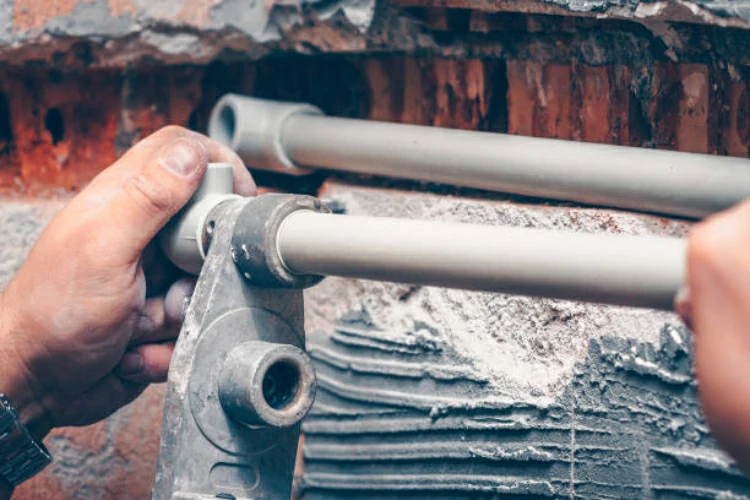
In the realm of plumbing solutions, Polypropylene Random Copolymer (PPR) pipes stand out for their exceptional resistance against chemical corrosion. This segment delves into the profound chemical resilience embedded within PPR plumbing systems.
Chemical Stability: Fortifying Against Corrosive Agents
Acidic Assaults
PPR pipes exhibit remarkable resistance against various acids commonly found in water sources and industrial fluids. Acids like hydrochloric acid, sulfuric acid, and nitric acid pose minimal threat to the structural integrity of PPR plumbing systems. This inherent resistance ensures prolonged service life, especially in environments with acidic effluents.
Alkaline Endurance
Contrary to some conventional materials, PPR pipes withstand the alkaline onslaught with ease. Alkaline substances, including caustic soda and ammonia, fail to compromise the chemical stability of PPR plumbing systems. This resilience ensures consistent performance even in environments prone to alkaline contamination.
Championing Chemical Resistance: Key Attributes of PPR Pipes
Inherent Corrosion Resistance
Unlike metallic pipes susceptible to rust and corrosion, PPR pipes possess an innate resistance to chemical degradation. This quality makes them a preferred choice for conveying aggressive or corrosive fluids in industrial, commercial, and residential settings. The absence of corrosion mitigates the risk of leaks, ensuring uninterrupted fluid conveyance.
Minimal Leaching Potential
PPR pipes maintain the purity of transported fluids by exhibiting minimal leaching tendencies. Unlike certain plastic counterparts prone to leaching harmful chemicals into conveyed fluids, PPR pipes preserve the integrity of water and other substances. This feature aligns with stringent quality standards, making PPR plumbing systems a safe and reliable choice for fluid conveyance.
Conclusion:
The chemical robustness of PPR plumbing systems underscores their suitability for diverse applications, ranging from potable water distribution to industrial fluid conveyance. With an unwavering resistance against acidic and alkaline substances, PPR pipes ensure longevity, safety, and efficiency in fluid transportation systems. Embracing PPR plumbing solutions equates to embracing durability, reliability, and peace of mind in the face of chemical challenges.
IFAN is a Chinese manufacturer of plastic pipes, fittings and valves with 30 years of experience. If you are interested in IFAN copper fittings, copper valves, plastic pipes and fittings, please contact us. IFAN offers you a variety of standard pipes to meet your specific needs. Click below to learn more about IFAN’s wide range of affordable and cost-effective valve products and piping system related products.
We will reply your email or fax within 24 hours.
You can call us at any time if there is any question on our production.
For more information,pls visit our webside https://ifanpro.com/
Pls Mailto: [email protected]
Whatsapp: + 86 19857948982





 English
  Français
  Русский
  Español
Recent Comments