
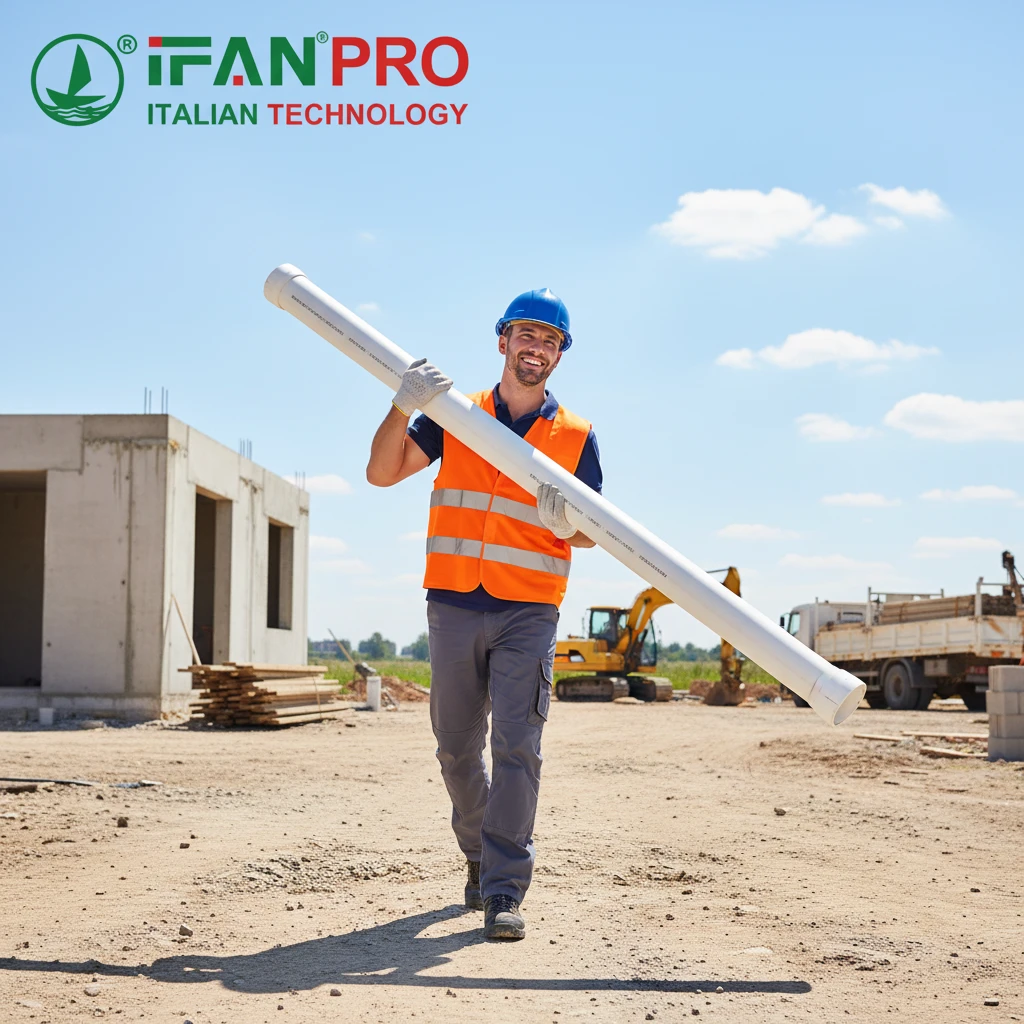
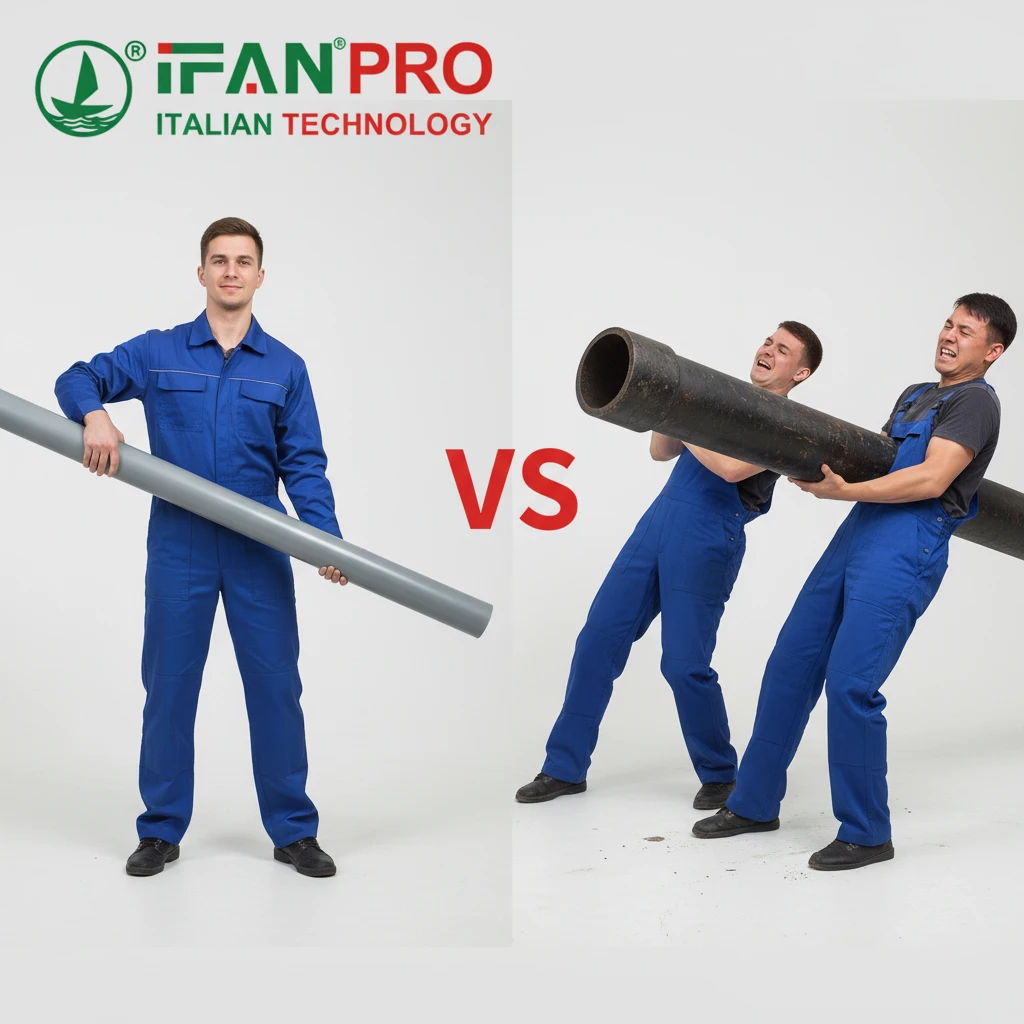
I once watched a crew struggle to move heavy cast-iron pipes, wasting time and energy. This moment made the advantage of PVC painfully clear.
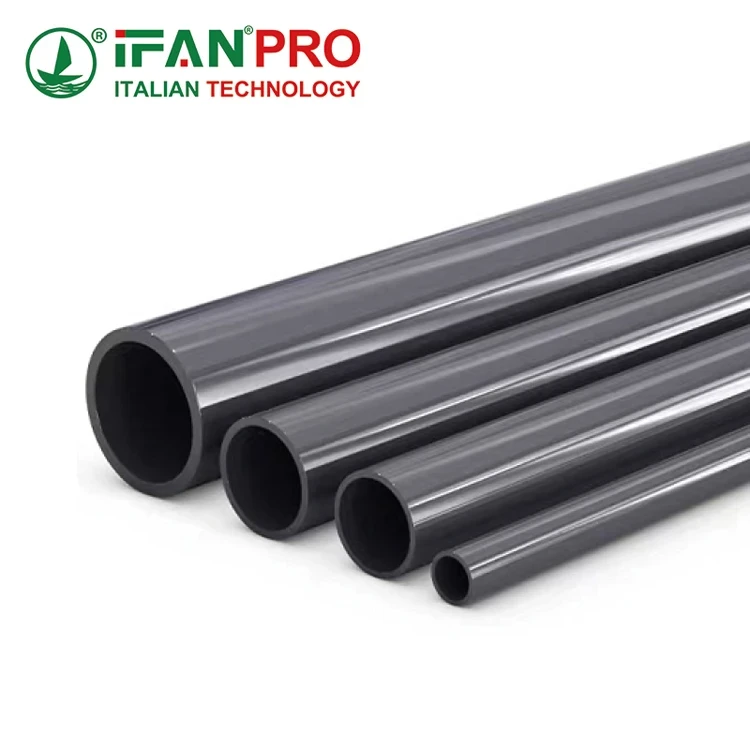
Yes, PVC drainage pipes are exceptionally lightweight, which makes them much easier to install than traditional metal pipes. Their light weight simplifies every step, from handling and cutting to fitting them into place, especially in confined areas, leading to faster installation and lower labor costs.
Let’s break down exactly how this lightweight property translates into real-world benefits for your drainage project.
How Much Lighter Are PVC Drainage Pipes Compared to Traditional Metal Pipes?
The weight difference isn’t just minor; it’s dramatic. Lifting a long piece of cast iron requires multiple people, while PVC can be handled by one.
PVC drainage pipes are typically 70% to 80% lighter than traditional cast iron pipes and about 50% lighter than ductile iron pipes. For example, a standard 10-foot section of 4-inch diameter PVC pipe weighs around 10-15 pounds, while a similar cast iron pipe can weigh 80-100 pounds or more.
Understanding the Weight Difference
The first step is to look at the numbers. The weight difference between PVC and traditional metal pipes is not a small detail; it’s a fundamental change in how plumbing materials behave on a job site. This drastic reduction in weight comes from the basic properties of the materials. PVC is a type of plastic, and its density is much lower than that of metals like cast iron or steel.
This lightness is consistent across all sizes. Whether you are working with a small 2-inch diameter pipe for a sink drain or a large 6-inch pipe for a main soil stack, the PVC version will always be a fraction of the weight of its metal counterpart. This consistency makes project planning and logistics much simpler.
A Direct Comparison
To truly understand the impact, let’s look at a direct comparison table. This table shows approximate weights for 10-foot long sections of different pipe materials at common diameters.
| Pipe Material (10ft length) | 2-inch Diameter | 4-inch Diameter | 6-inch Diameter |
|---|---|---|---|
| PVC Schedule 40 | ~5 lbs | ~15 lbs | ~35 lbs |
| Cast Iron | ~40 lbs | ~90 lbs | ~200 lbs |
| Ductile Iron | ~30 lbs | ~70 lbs | ~150 lbs |
As you can see, the weight difference is enormous. For a 4-inch pipe, PVC is about one-sixth the weight of cast iron. This means one worker can easily carry and position a 10-foot PVC pipe, whereas moving a cast iron pipe of the same size would require at least two strong workers and could even need mechanical lifting equipment.
The Impact on Logistics and Safety
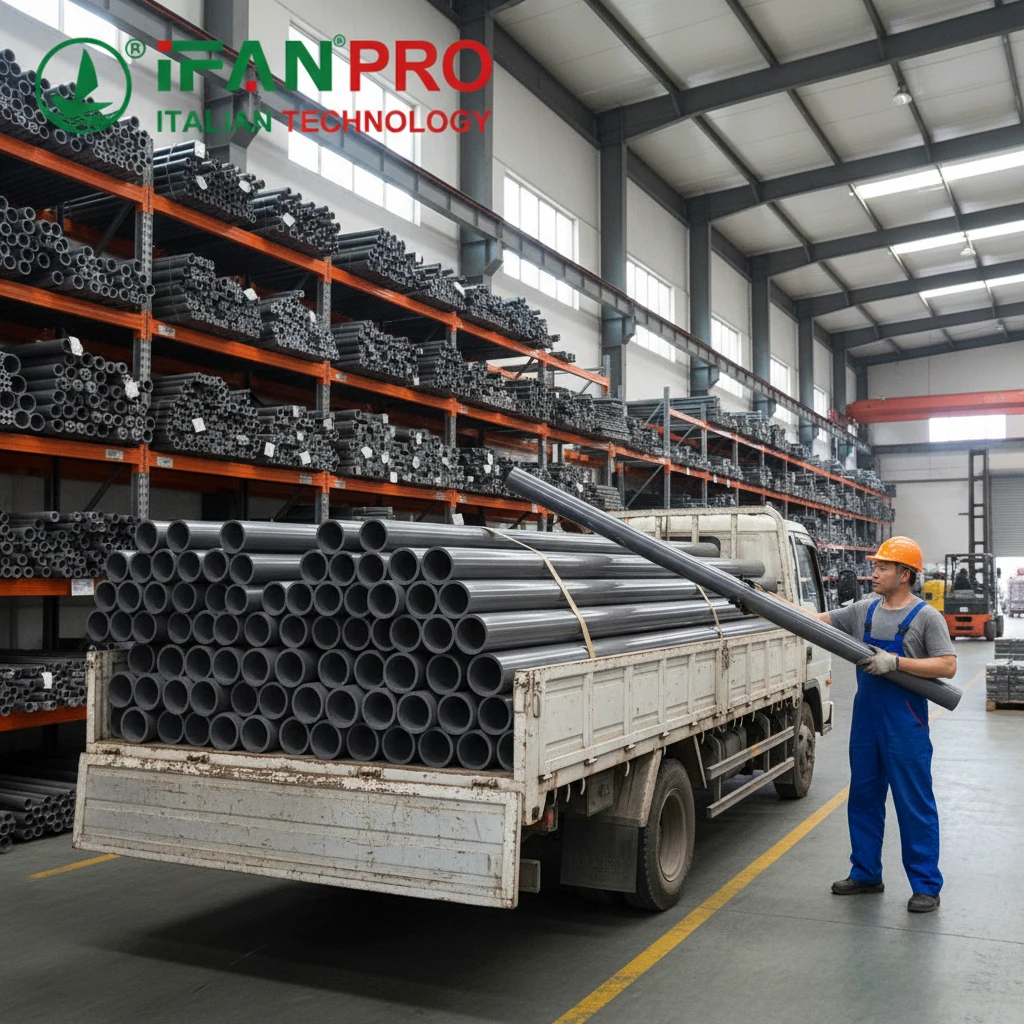
This weight difference has a big impact before installation even begins. Transporting PVC pipes is cheaper and easier. You can fit more linear feet of pipe on a single truck. Unloading is faster and safer because workers aren’t straining under heavy loads. On the job site, storing and moving PVC pipes around doesn’t require special equipment or excessive manpower. This reduces the risk of back injuries and other accidents associated with manual handling of heavy materials, making for a safer work environment overall.
How Does the Lightweight Nature Simplify Handling and PVC Pipe Installation?
The ease of handling changes the entire workflow. I’ve seen projects move faster simply because workers aren’t exhausted from moving materials.
The lightweight nature of PVC simplifies handling by allowing a single worker to easily carry, position, and dry-fit pipes without strain or need for machinery. It also makes on-site cutting and assembly quick and simple, as pipes can be easily maneuvered into place for solvent welding or gasket connections.
Streamlining the Workflow
From the moment the pipes arrive on-site, the benefits are clear. Handling is the first step in any installation, and with PVC, this step becomes trivial. A worker can grab a 10 or 20-foot length of pipe from the stack, throw it over their shoulder, and walk it to the installation area. There’s no waiting for a coworker to help lift, no need for a forklift or a pipe trolley for most residential and commercial jobs.
This simplicity speeds up the entire process. Workers spend their energy on precise installation, not on exhausting material movement. This leads to less fatigue, fewer breaks, and a more efficient pace of work throughout the day.
Cutting and Dry-Fitting Made Easy
Once the pipe is in place, the next steps are cutting and dry-fitting. PVC’s light weight shines here too.
- Cutting: A worker can easily hold a section of PVC pipe steady on sawhorses or even between their knees to make a quick cut with a handsaw or a power cutter. Trying to do the same with a heavy, awkward cast iron pipe is difficult and dangerous.
- Dry-Fitting: This is a crucial step. Before making the permanent glued joint, plumbers dry-fit the pipes and fittings to ensure everything lines up correctly. With PVC, a worker can effortlessly lift a pipe section, push it into a fitting, rotate it, and adjust it. If it’s not right, they can easily pull it apart and try again. This trial-and-error process is fast and fluid. With heavy metal pipes, dry-fitting is a slow, multi-person operation of lifting, aligning, and hoping it fits, often requiring temporary supports.
The Assembly Advantage
Finally, during the final assembly—whether using solvent cement for Schedule 40 PVC or push-fit gaskets for sewer pipe—the lightweight property is key. A worker can apply cement to the pipe end and fitting and then smoothly and accurately push them together in one confident motion. They have complete control. With a heavy pipe, this joining process is clumsy. The weight of the pipe can cause it to sag or slip at the crucial moment, leading to a poor joint that might leak. The ease of handling PVC directly contributes to more reliable, leak-free installations.
What Installation Advantages Do Lightweight PVC Pipes Offer in Tight Spaces?
Cramped basements, crowded crawl spaces, and retrofit jobs are where PVC truly proves its worth. Its lightness turns a difficult job into a manageable one.
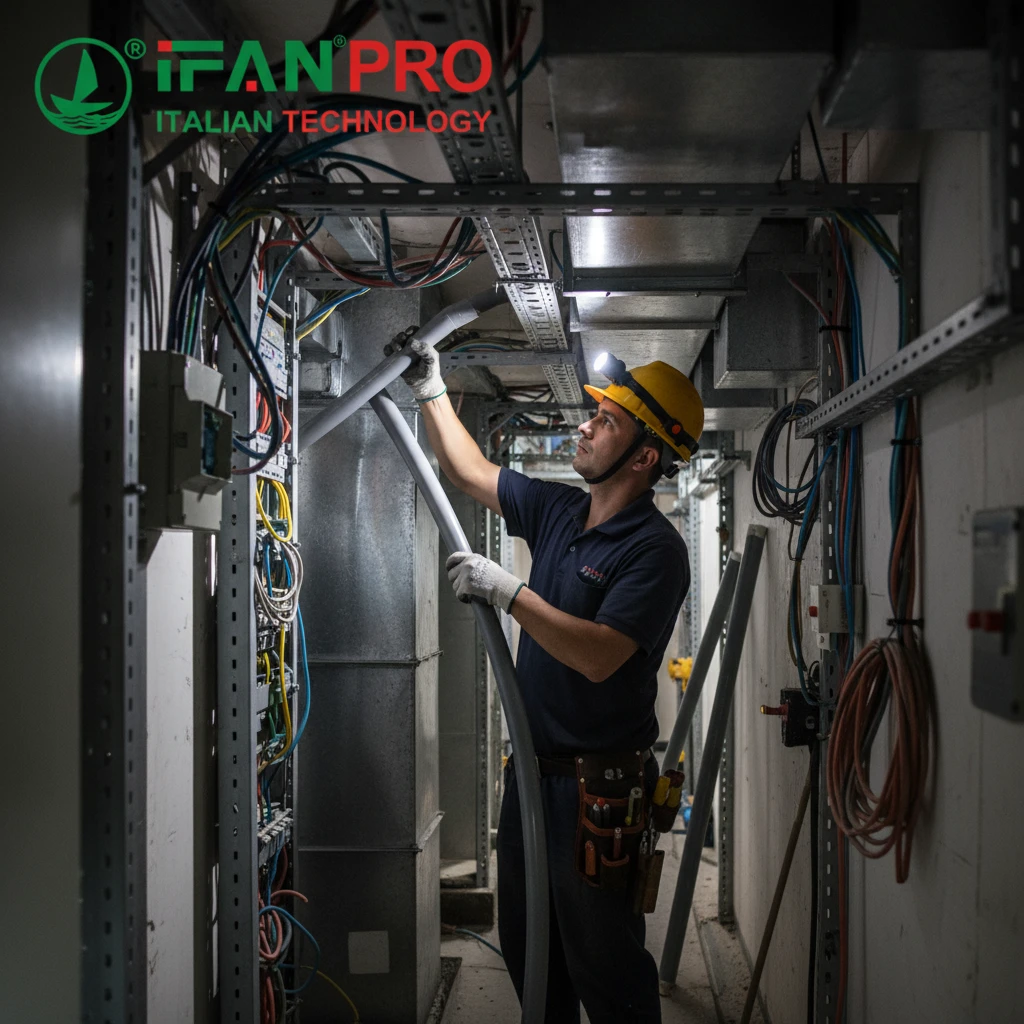
In tight spaces, lightweight PVC pipes offer decisive advantages: they can be maneuvered and threaded through existing structures with minimal effort, assembled in sections outside the confined area and then slid into place, and held in position by one person while securing them, eliminating the need for complex support in awkward locations.
The Challenge of Confined Areas
Tight spaces like crawl spaces, under-floor joists, or retrofits in existing walls are the most challenging environments for plumbing. There is little room to move, poor lighting, and often no space for machinery or multiple workers. Using traditional heavy pipes in these situations is a major headache. Just getting the material into the space is a struggle.
This is where PVC transforms the job. Its light weight and manageability change the rules of engagement in confined areas. A plumber can take a long length of PVC and literally “snake” it through joists or around obstacles by themselves. The pipe bends and flexes slightly, allowing it to navigate turns that a rigid, heavy metal pipe could not manage without disassembly.
Strategies for Tight Space Installation
Plumbers use smart strategies with PVC that are impossible with heavy materials:
- External Assembly: They can cut and glue multiple fittings and pipe sections together outside the cramped crawl space or wall cavity, creating a pre-assembled unit. Because this unit is still relatively light, one or two people can then carefully feed the entire assembly into the opening and guide it into its final position.
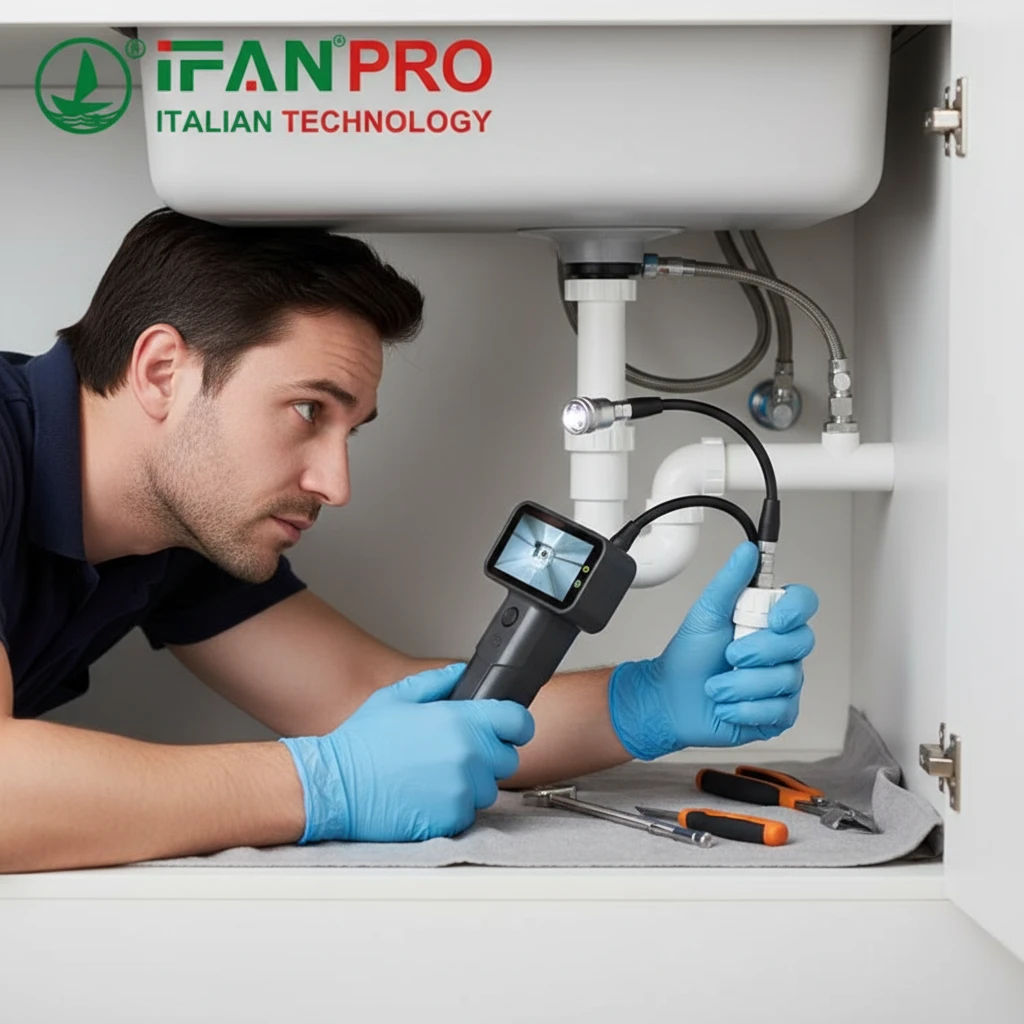
- Easy Positioning and Support: Holding a heavy cast iron pipe in the exact right spot under a floor while trying to attach a hanger is a two-person job that often requires creative bracing. With PVC, one installer can hold the pipe up with one hand and fasten the hanger with the other. This precision saves immense time and frustration.
- Retrofit and Repair Ease: For repairing an existing line in a tight spot, PVC is a savior. The damaged section can be cut out, and a new PVC section can be easily measured, cut, and glued in place without having to dismantle surrounding structures or call for extra help just to hold the pipe.
A Real-World Scenario
Imagine replacing a broken cast-iron drain line in a low basement ceiling. The old, heavy pipe must be cut out in sections and manually lowered—a dirty, difficult job. The new PVC pipe, however, can be measured and assembled in the open basement area. The lightweight assembly is then lifted up into the joist space by one person standing on a ladder, who can then easily adjust it and secure it with hangers. The difference in labor, time, and stress is enormous.
Do Lightweight PVC Pipes Reduce Labor Costs and Overall Project Time?
Absolutely. Time is money on every job site, and PVC saves a significant amount of both. The cost savings are direct and measurable.
Yes, lightweight PVC pipes directly reduce labor costs and project time. They require fewer workers for handling and installation, allow for a much faster workflow from transport to final connection, and minimize delays caused by worker fatigue or the need for special equipment, leading to a lower total project bid and faster completion.
Connecting Weight to Labor Efficiency
The link between material weight and labor cost is straightforward. Construction labor is often billed by the hour. Any factor that allows workers to accomplish more in less time directly reduces the labor portion of the project cost. PVC’s lightweight property is one of the biggest factors in creating this efficiency.
Think about the workflow: every minute saved not waiting for a helper, not rigging a lift, not struggling to align a heavy pipe, and not taking extra breaks due to exhaustion adds up. Over the course of installing an entire drainage system for a house or building, these saved minutes become saved hours, and saved hours become significant cost reductions.
A Breakdown of Time and Cost Savings
Let’s look at where PVC creates savings across different phases of a project:
| Project Phase | Labor/Cost Impact with Heavy Pipes | Labor/Cost Impact with Lightweight PVC |
|---|---|---|
| Material Delivery & Handling | May need more trips; requires multiple workers or machinery to unload. | Fewer trips; often unloaded by 1-2 workers quickly by hand. |
| On-Site Movement | Slow, requires coordination and often equipment. | Fast, one worker can move what’s needed. |
| Cutting & Fitting | Slow, often a two-person operation for stability. | Very fast, a one-person task. |
| Installation in Place | Slow, requires multiple workers to lift and hold. | Fast, often a one or two-person task with easy holding. |
| Worker Fatigue | High, leads to more breaks and slower pace. | Low, workers stay productive longer. |
The Bottom Line for Project Bids
For contractors, these efficiencies mean they can complete jobs faster. This allows them to take on more projects per year. When bidding for a new job, a contractor using PVC can often offer a more competitive price because they know the installation will be less labor-intensive. They can estimate with confidence that the job will not be delayed by the physical difficulties of the material.
For the building owner or project manager, this translates to two clear benefits:
- Lower Cost: A more competitive bid from the contractor.
- Faster Completion: The drainage rough-in is completed quicker, allowing the next trade (like electricians or framers) to start their work sooner. This keeps the entire construction schedule on track, which is perhaps the most valuable saving of all.
Conclusion
PVC drainage pipes are lightweight, making handling and installation far easier, faster, and cheaper than with traditional heavy pipes. For reliable, easy-to-install PVC drainage systems, choose IFAN’s comprehensive range of certified PVC pipes and fittings.










 English
  Français
  Русский
  Español
Recent Comments