

I once watched a PVC fitting shatter in a chemical plant, causing a messy shutdown. That day reminded me why material choice matters more than upfront cost in industrial settings.
Stainless steel cross tees outperform brass and PVC in industrial applications because they offer superior strength, exceptional corrosion resistance, and long-term reliability under extreme conditions. While brass and PVC have their place in residential or light commercial use, stainless steel stands alone when you need fittings that withstand high pressure, aggressive chemicals, and temperature extremes without failing.
Let’s examine why stainless steel is the clear winner for demanding industrial environments.
Material Showdown: Stainless Steel vs. Brass and PVC Fittings
Engineers often ask which material performs best. Based on years of supply chain experience, the answer depends heavily on the application environment.
Stainless steel offers the best combination of strength, durability, and chemical resistance for industrial use. Brass provides good corrosion resistance but lacks the strength for high-pressure systems. PVC is lightweight and cheap but becomes brittle under stress and cannot handle high temperatures or aggressive chemicals. Each material has trade-offs, but stainless steel wins where reliability matters most.

Breaking Down the Material Properties
Let’s look at each material’s strengths and weaknesses in detail. This comparison comes from real-world feedback from our clients across different industries.
Stainless Steel (304 and 316 Grades):
Stainless steel is an alloy of iron with chromium and nickel. The chromium creates a passive layer that prevents rust. For industrial fittings, we typically use two grades:
- 304 Stainless Steel: Good for general use, food processing, and water applications.
- 316 Stainless Steel: Contains molybdenum for better resistance to chlorides and chemicals. This is the choice for marine environments or chemical plants.
Brass:
Brass is an alloy of copper and zinc. It resists corrosion well and is easy to machine. However, brass suffers from dezincification in certain water conditions, where zinc leaches out, leaving weak copper behind. It also softens at high temperatures.
PVC:
PVC is a plastic polymer. It is cheap, lightweight, and resists many chemicals. But PVC becomes brittle with age and UV exposure. It also has low pressure ratings compared to metal and cannot handle temperatures above 140°F (60°C).
Performance Comparison Table
The table below summarizes how these materials stack up against key industrial requirements:
| Property | Stainless Steel (316) | Brass | PVC |
|---|---|---|---|
| Tensile Strength | Excellent (70,000+ psi) | Good (40,000-50,000 psi) | Low (7,000-8,000 psi) |
| Maximum Temperature | 800°C+ | 200°C (softens) | 60°C (deforms) |
| Corrosion Resistance | Excellent (especially 316) | Good (dezincification risk) | Good (but degrades with UV) |
| Impact Resistance | Excellent | Good | Poor (shatters under stress) |
| Cost per Unit | High | Medium | Low |
| Lifespan in Industry | 50+ years | 20-30 years | 10-20 years (if conditions are mild) |
When to Choose Which Material
- Choose Stainless Steel when you need high pressure resistance, extreme temperatures, or exposure to aggressive chemicals.
- Choose Brass for low to medium pressure plumbing in residential or commercial buildings with neutral water chemistry.
- Choose PVC for drainage, low-pressure irrigation, or temporary installations where cost is the only concern.
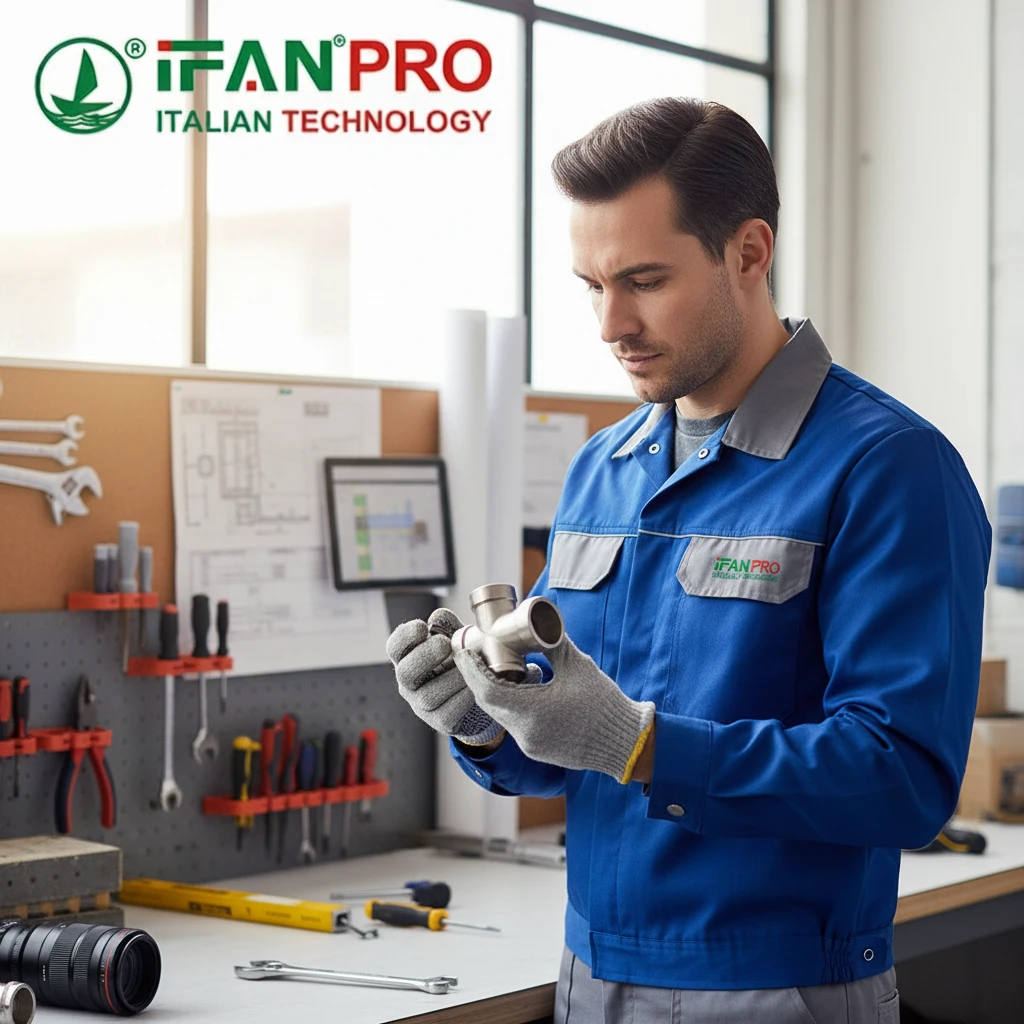
For industrial cross tees, where flow splits in four directions under pressure, the material must handle stress from all sides. Stainless steel is the only material that consistently passes this test.
Surviving Harsh Environments: Superior Corrosion Resistance and Chemical Compatibility
Harsh environments destroy weak materials fast. I’ve seen plants replace PVC fittings yearly while stainless steel installations from decades ago still work perfectly.
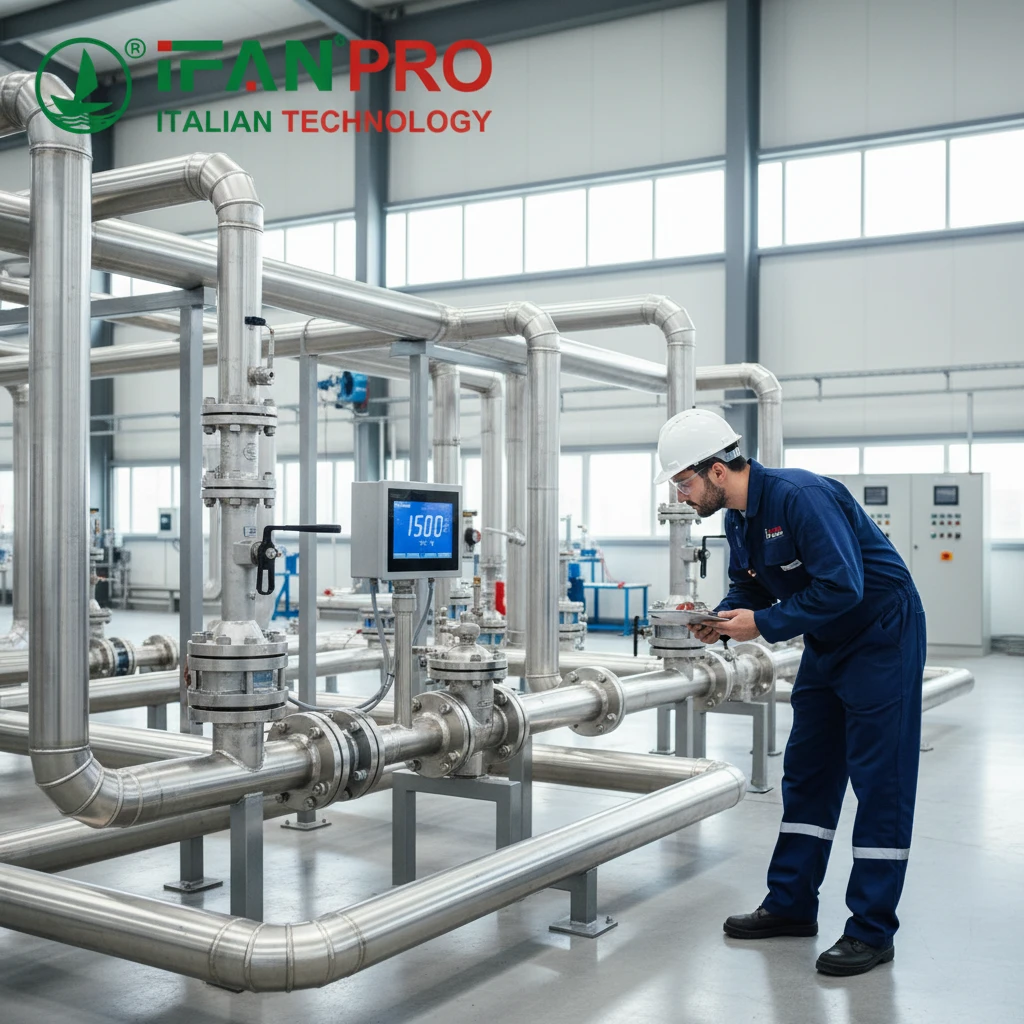
Stainless steel survives harsh environments because its chromium oxide layer self-repairs when damaged, providing continuous protection. It withstands acids, alkalis, and chlorides (in the case of 316 grade) that would corrode brass or degrade PVC. This chemical compatibility makes it the default choice for chemical processing, marine applications, and food production facilities.

Understanding Corrosion Mechanisms
Corrosion destroys metal fittings in several ways. Stainless steel resists most of them:
1. General Corrosion:
This is uniform metal loss across the surface. Brass slowly loses zinc to the water. Stainless steel’s passive layer prevents this entirely.
2. Pitting Corrosion:
This is localized attack that creates small holes. Chlorides cause pitting in many metals. Grade 316 stainless steel contains molybdenum specifically to resist chloride pitting.
3. Crevice Corrosion:
This happens in tight spaces where oxygen cannot reach. Stainless steel’s chromium content helps it resist crevice attack better than brass.
4. Stress Corrosion Cracking:
This combines tensile stress with a corrosive environment. Certain stainless grades resist this well, while brass can crack under combined stress and ammonia exposure.
5. Galvanic Corrosion:
When two different metals touch in an electrolyte, one corrodes faster. Stainless steel is noble (cathodic) and protects itself, but can accelerate corrosion of connected metals if not properly isolated.
Chemical Compatibility Guide
Different industries expose fittings to different chemicals. Here is how our materials perform:
| Chemical Environment | Stainless Steel 316 | Brass | PVC |
|---|---|---|---|
| Fresh Water | Excellent | Good (dezincification possible) | Excellent |
| Salt Water | Excellent (316) | Poor | Good |
| Acids (pH < 7) | Good (depends on acid) | Poor | Good (depends on acid) |
| Alkalis (pH > 7) | Excellent | Good | Excellent |
| Solvents | Excellent | Good | Poor (swells or dissolves) |
| Chlorine / Bleach | Excellent (316) | Poor | Good |
| High Temperature Steam | Excellent | Poor (softens) | Unsafe |
Real-World Example: Marine Applications
One client operates a desalination plant by the sea. They initially used brass fittings. Within two years, dezincification made the fittings brittle and leaky. They switched to 316 stainless steel. Those fittings have now served for over a decade with zero corrosion issues. The salt-laden air and brackish water simply do not affect 316 stainless steel.
For chemical plants, we always recommend verifying compatibility with specific chemicals. However, for most industrial environments, 316 stainless steel provides the widest chemical resistance range of any common fitting material.
Maintenance Cost Analysis: Long-Term Economic Benefits of a 10-Year Lifespan
Upfront cost fools many buyers. I’ve calculated total ownership costs for clients and the numbers always favor stainless steel for long-term installations.
Stainless steel fittings deliver dramatic long-term savings because they last 3-5 times longer than brass or PVC in industrial settings. When you factor in replacement labor, downtime costs, and the risk of failure-related damage, stainless steel’s higher initial price pays for itself many times over within a decade. For critical systems, it is the only economically sensible choice.

Calculating True Cost of Ownership
Let’s run the numbers for a typical industrial installation. We will compare the same fitting type across materials over a 10-year period.
Assumptions for this model:
- Installation requires 100 cross tees
- Labor cost for replacement: $150 per fitting (includes access, removal, installation)
- System downtime cost per failure: $2,000 (lost production)
- Inspection frequency varies by material
10-Year Cost Comparison Table
| Cost Factor | Stainless Steel | Brass | PVC |
|---|---|---|---|
| Initial Material Cost | $2,500 | $1,200 | $400 |
| Initial Installation Labor | $2,000 | $2,000 | $2,000 |
| Expected Replacements (10 years) | 0 | 1-2 full replacements | 2-3 full replacements |
| Replacement Material Cost | $0 | $1,200 – $2,400 | $800 – $1,200 |
| Replacement Labor Cost | $0 | $2,000 – $4,000 | $4,000 – $6,000 |
| Downtime Costs | $0 | $2,000 – $4,000 | $4,000 – $6,000 |
| Inspection/Monitoring Cost | Low | Medium | High |
| Total 10-Year Cost | $4,500 | $8,400 – $13,600 | $11,200 – $15,600 |
Hidden Costs of Cheap Materials
The table shows material cost is just the beginning. Consider these often-overlooked factors:
1. Production Losses:
When a PVC fitting shatters, production stops. Each hour of downtime costs money. A single failure can wipe out any savings from cheap materials.
2. Safety Risks:
Brass or PVC failures in high-pressure systems can injure workers. Stainless steel contains pressure safely, reducing liability and insurance costs.
3. Inventory Requirements:
If you replace fittings frequently, you must stock spares. Stainless steel installations need minimal spare inventory.
4. Quality Reputation:
For manufacturers selling products with built-in piping, fitting failures damage customer trust. Stainless steel protects your brand reputation.
Payback Period Analysis
How long until stainless steel pays back its higher cost? In most industrial applications, the payback happens within 2-3 years.
Year 1-2: Stainless steel costs more upfront. All materials perform similarly initially.
Year 3-5: PVC and brass begin failing. Replacement costs start accumulating.
Year 6-10: Stainless steel continues working. Other materials require multiple replacements.
By year 10, stainless steel has saved thousands. For systems designed to operate for decades, the savings are even larger.
International Standards: Quality Commitments Behind ISO and SGS Certifications
Certifications matter because they prove quality. We guide clients to look beyond marketing claims and verify actual standards compliance.
ISO and SGS certifications represent verified commitments to quality. ISO 9001 certification means the manufacturer follows consistent quality management processes. SGS inspection reports provide independent verification that products meet specified standards. Together, these certifications give buyers confidence that stainless steel fittings will perform as promised in demanding industrial applications.

Understanding Key Certifications
Many certifications exist, but these are the ones that matter for industrial fittings:
ISO 9001:2015 Quality Management:
This is not a product standard. It certifies that a company has robust processes for design, manufacturing, testing, and continuous improvement. An ISO 9001 certified supplier like IFAN follows documented procedures, maintains calibration records for test equipment, and conducts internal audits. This means consistent quality, not just one good batch.
ISO 14001 Environmental Management:
This certifies responsible environmental practices. For buyers with sustainability goals, this matters.
Product Standards (ASTM, DIN, EN, JIS):
Different regions follow different product specifications. Common ones include:
- ASTM F2389: Standard for pressure-rated polypropylene fittings
- DIN 8077/8078: German standards for pipe dimensions
- EN ISO 15874: European standard for plastic piping systems
SGS Inspection Reports:
SGS is an independent inspection company. When we send fittings to a client, we often arrange SGS inspection before shipment. The inspector checks:
- Dimensions against drawings
- Material composition
- Pressure test results
- Visual quality and packaging
The SGS report provides objective proof that the products meet specifications.
Certification Checklist for Buyers
When evaluating suppliers, use this checklist:
| Certification | What It Confirms | Ask For |
|---|---|---|
| ISO 9001 | Quality management system | Current certificate with scope |
| Material Test Report | Chemical composition, mechanical properties | Mill test certificate (MTC) |
| Product Standard | Compliance with design standard | Test report from accredited lab |
| SGS Inspection | Batch-specific quality | Inspection report with photos |
| Pressure Test | Leak-proof performance | Test records or witness test |
Why Certifications Prevent Problems
We have seen clients skip certification checks to save time. Almost always, problems follow.
One client ordered “stainless steel” fittings from an uncertified supplier. The price was attractive. When the fittings arrived, we tested them. They contained insufficient chromium and rusted within weeks. Without proper certification, the client had no recourse.
Another client required ISO 9001 certification and SGS inspection. We provided both. The fittings performed perfectly for years. When a question arose later, the documentation trail proved the fittings met all requirements.
IFAN’s Quality Commitment
At IFAN, we maintain ISO 9001 certification for our quality systems. Our stainless steel fittings meet relevant ASTM and DIN standards. For every shipment, we can provide material test reports and arrange independent SGS inspection upon request.
This commitment protects our clients. When you buy IFAN fittings, you buy documented quality, not empty promises.
Conclusion
Stainless steel cross tees outlast and outperform brass and PVC in industrial environments. For projects requiring absolute reliability, choose IFAN’s certified stainless steel fittings backed by ISO standards and rigorous testing.










 English
  Français
  Русский
  Español
Recent Comments