
When designing or installing a cold water piping system, one common question many builders, contractors, and distributors ask is:
“Should I choose PN10 or PN16 PPR pipe?”
This choice directly affects your system’s performance, durability, and cost. In this guide, we’ll explain the difference between PN10 vs PN16 pressure ratings for PPR (Polypropylene Random Copolymer) pipes, when to use each, and how to make the right decision for your project.
🧊 What Is PPR Pipe for Cold Water?
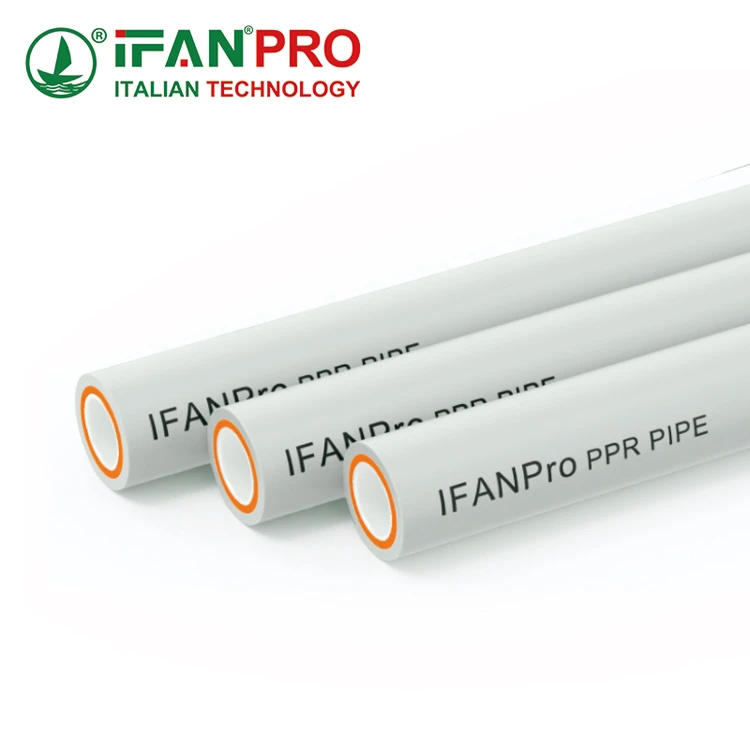
PPR pipes are widely used in cold and hot water systems due to their:
- High chemical resistance
- Long lifespan (over 50 years)
- Smooth internal surfaces
- Easy and leak-free heat fusion welding
For cold water supply systems, especially in residential, commercial, and irrigation projects, PPR pipes offer a cost-effective, corrosion-resistant solution.
⚙️ What Does PN10 or PN16 Mean?
The “PN” (Pressure Nominal) rating indicates the maximum pressure the pipe can withstand at 20°C (68°F).
| Pressure Rating | Max Pressure at 20°C | Typical Wall Thickness | Common Use |
|---|---|---|---|
| PN10 | 10 bar (145 psi) | Thinner wall | Cold water supply |
| PN16 | 16 bar (232 psi) | Thicker wall | Cold & hot water, higher-pressure systems |
🔧 PN16 pipes are thicker and more robust than PN10, allowing them to withstand more pressure and temperature variations.
✅ When to Choose PN10 for Cold Water
Choose PN10 PPR pipes if:
- The water pressure is stable and below 8 bar
- The system is for cold water only
- You want to reduce material cost
- You’re installing in residential homes, apartments, or gardens
Benefits:
- Lower price per meter
- Lighter weight = easier handling
- Still meets DIN/ISO standards for cold water systems
💡 Tip: Always check local building codes to confirm PN10 is acceptable for your project’s static pressure.
✅ When to Choose PN16 for Cold Water
Choose PN16 PPR pipes if:
- The system may experience fluctuating or high pressure
- The environment is more demanding (e.g., high-rise buildings or industrial plants)
- You want extra safety margin for long-term reliability
- The pipe may later be used for hot water or mixed use
Benefits:
- Stronger, safer under pressure
- Future-proof (can be used for hot water too)
- Suitable for commercial, municipal, or multi-story buildings
💡 Though more expensive, PN16 is ideal when pipe strength and durability are top priorities.
🌍 Sourcing PPR PN10 and PN16 Pipes from ifanpro
At ifanpro, we specialize in high-quality, DIN- and ISO-certified PPR pipe systems for global partners. Our products are engineered for cold and hot water applications, including PN10 and PN16 pressure classes.
Why choose ifanpro?
- ✅ Full range of pipe sizes: 20mm–160mm
- ✅ Accurate wall thickness and pressure-tested
- ✅ Custom color, branding, and packaging options
- ✅ OEM services for distributors and wholesalers
- ✅ Global shipping and technical support
Whether you’re managing a government project, real estate development, or infrastructure installation, we offer reliable PPR solutions tailored to your market.
🛠️ Final Decision Checklist
Before selecting PN10 or PN16 for your cold water system, ask yourself:
- What’s the expected water pressure in the system?
- Will the pipe face mechanical stress or extreme weather?
- Is budget or performance more important for this project?
- Could the system be repurposed for hot water in the future?
✅ For basic residential cold water: PN10 is usually sufficient
✅ For long-term reliability or mixed-use: PN16 is the better investment
✅ Conclusion
Both PN10 and PN16 PPR pipes are suitable for cold water supply, but the right choice depends on your system’s pressure, application environment, and future plans.
If you’re looking for high-quality PPR piping with factory-direct pricing, explore our range at ifanpro.com. We’re ready to support your projects with custom solutions, bulk supply, and expert advice.










 English
  Français
  Русский
  Español
Recent Comments