
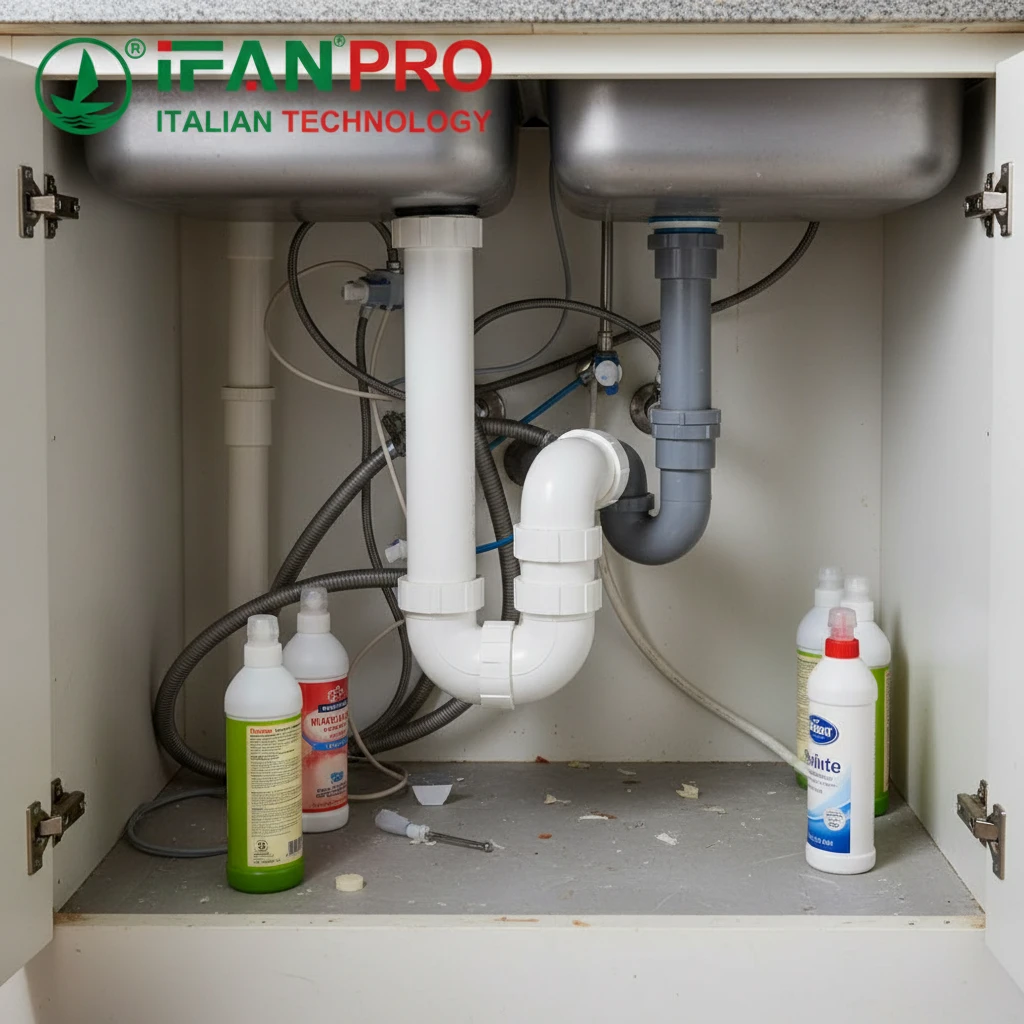
I once saw a commercial kitchen shut down because of a clogged grease line. The problem started at a sharp pipe junction. This showed me why fitting design matters so much for flow.
A sweep tee prevents pipe clogs by using a gently curved, long-radius interior elbow. This smooth bend guides waste and fluids around the corner with minimal resistance, preventing solids from catching, slowing down, and building up into a blockage at the junction point.
Now, let’s look closely at how this simple, smart design solves a major plumbing problem.
How Does the Curved Design of a Sweep Tee Improve Fluid Dynamics?
Many clogs begin with poor flow. A standard tee creates a hard stop for anything moving through the pipe.
The curved design of a sweep tee improves fluid dynamics by creating a smooth, gradual path for materials to follow. This reduces turbulence, maintains higher flow velocity, and prevents solids from decelerating and settling at the junction, which are the main causes of clogs in standard fittings.
The Problem with Sharp Corners
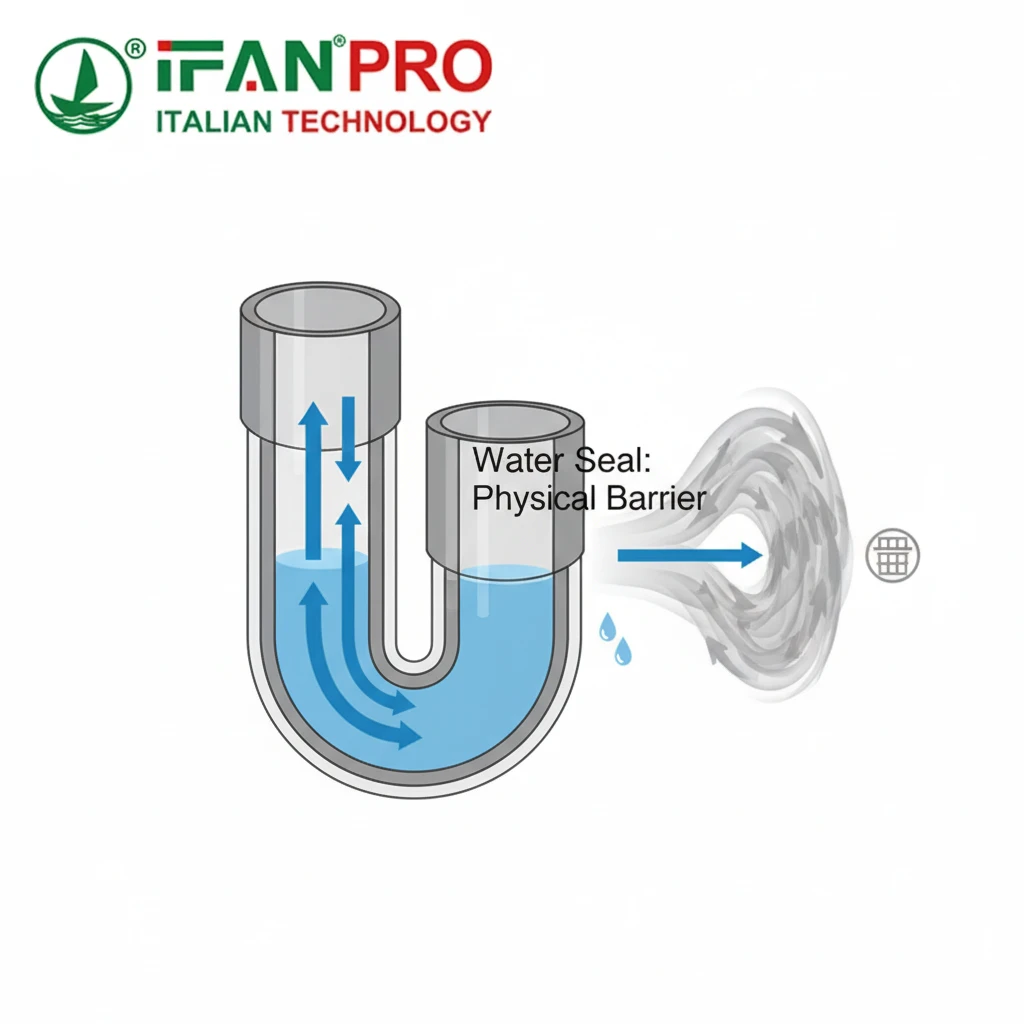
Fluid dynamics is just a fancy term for how liquids and solids move through a pipe. In drainage, you want everything to keep moving smoothly toward the exit. A standard tee fitting has a sharp 90-degree corner inside. When waste water hits that corner, several bad things happen.
First, the flow loses speed very quickly. Think of a car trying to turn a sharp corner without slowing down—it would crash. In a pipe, solids like food scraps or hair act like that car. They slam into the wall of the fitting. This sudden loss of energy makes them drop out of the water flow and settle.
Second, sharp corners create turbulence. This is chaotic, swirling water that goes against the main flow direction. Turbulence makes solids bounce around unpredictably, increasing the chance they get stuck. It also allows lighter materials, like grease and soap scum, to stick to the pipe walls at the junction.
How the Sweep Design Creates Better Flow
A sweep tee fixes these issues with its long-radius curve. This design guides the flow gently, like a highway on-ramp.
- Maintains Velocity: The smooth curve allows the water and solids to keep more of their speed as they change direction. Faster flow has more energy to carry solids through the fitting and down the pipe.
- Reduces Turbulence: The gradual change in direction minimizes chaotic water movement. The flow stays more laminar, meaning it moves in parallel layers. This streamlined motion efficiently carries all materials around the bend.
- Promotes Scouring: The consistent, faster flow helps “scour” or clean the inside of the pipe. It has less chance to leave behind residue that can build up over time.
Flow Characteristic Comparison
| Flow Characteristic | Standard 90-Degree Tee | Long-Radius Sweep Tee |
|---|---|---|
| Direction Change | Abrupt, 90-degree turn | Gradual, curved turn |
| Flow Velocity at Junction | Drops significantly | Remains relatively high |
| Turbulence Created | High | Low |
| Risk of Solids Settling | Very High | Low |
| Energy Loss | High | Low |
In short, the curved design of a sweep tee works with the laws of physics, not against them. It guides the flow smoothly to prevent the conditions that start a clog.
What Makes a Sweep Tee Better Than a Standard Tee for Drainage?
Choosing the wrong tee can lead to constant maintenance calls. I advise clients to think long-term, not just about the fitting cost.
A sweep tee is better than a standard tee for drainage because it is specifically designed to handle solid waste. Its smooth interior path prevents debris accumulation, reduces the risk of frequent blockages, and minimizes maintenance needs, while a standard tee’s sharp corner is a natural trap for solids and grease.
Direct Comparison of Function and Results
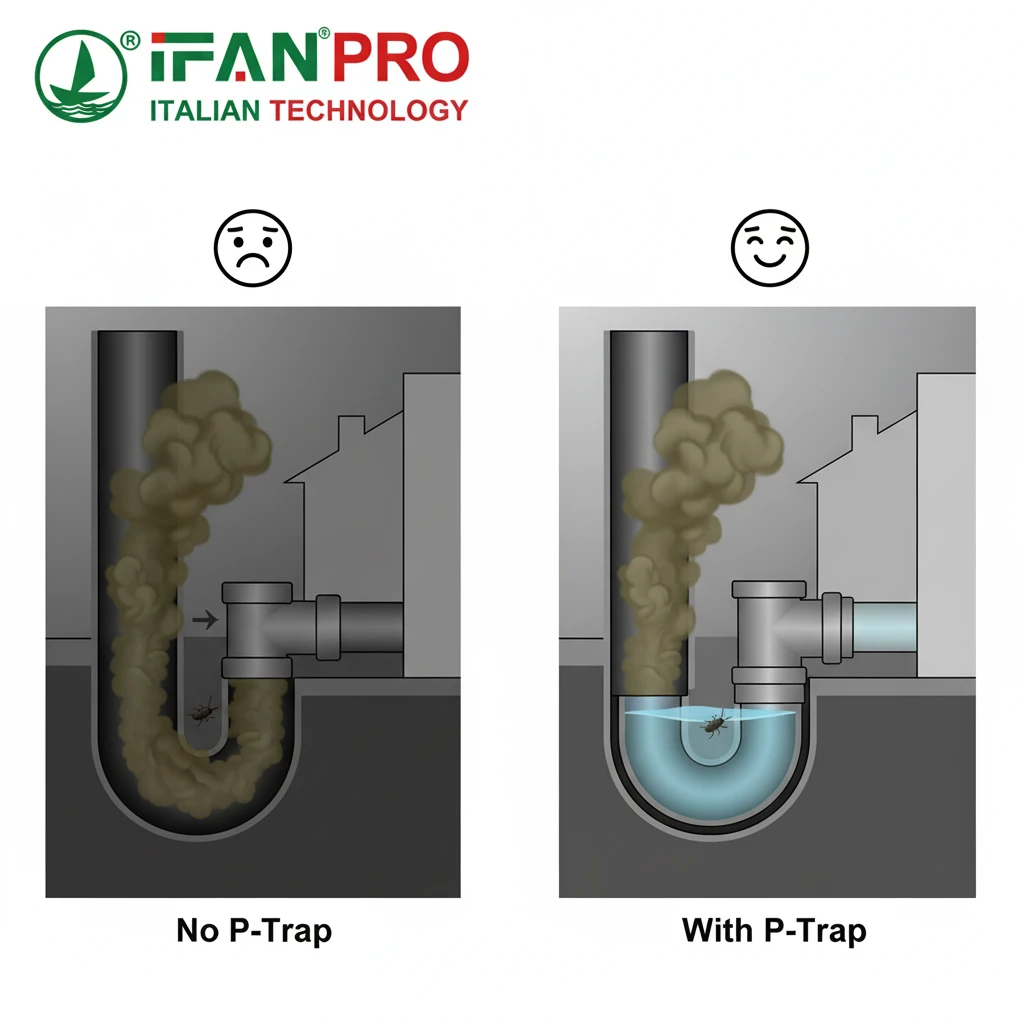
To understand why one is better, we need to compare them side-by-side in a real drainage situation. Imagine both tees are installed under a kitchen sink, connecting a horizontal drain line to a vertical stack.
In the standard tee, when water and food particles from the dishwasher flow into the main line, they hit a sharp, right-angle wall. Larger particles, like rice or bits of pasta, get trapped right there. Over time, these particles collect more grease and other debris. Slowly, the opening of the fitting becomes smaller. Water drainage slows, and eventually, a complete clog forms.
Now, look at the sweep tee. The same flow of water and particles enters the fitting. Instead of hitting a wall, the materials are channeled into a smooth, curving path. The particles are carried around the bend by the force of the water. They don’t have a chance to stop and collect. The path remains clear.
Key Advantages for Different Waste Types
The sweep tee’s advantage is clear when we break down the types of waste it handles better:
- Solid Debris: This includes food scraps, hair, and small objects. The sweep design simply does not let them stop.
- Fibrous Materials: Things like toilet paper or wipes can catch on sharp edges. The smooth curve of a sweep tee allows them to slide through.
- Grease and Sludge: These sticky substances love to adhere to rough spots or areas with slow flow. The high-scouring action and smooth surface of a sweep tee make it harder for them to stick at the junction.
Maintenance and Cost Impact Comparison
| Consideration | Standard Tee | Sweep Tee |
|---|---|---|
| Clog Frequency | Higher. The junction is a common clog point. | Much Lower. Eliminates the primary trap point. |
| Maintenance Effort | Requires more frequent snaking or jetting. | Minimal intervention needed. |
| Long-Term Pipe Health | Poor. Frequent clogs and chemical cleaners damage pipes. | Excellent. Smooth flow reduces wear and buildup. |
| Total Cost of Ownership | Higher due to repeated service calls and downtime. | Lower due to reliability and less maintenance. |
The evidence is clear. While a standard tee might be cheaper to buy initially, a sweep tee saves significant money, time, and trouble over the life of the plumbing system. It is the professional choice for any serious drainage application.
In Which Piping Systems Is a Sweep Tee Most Critical for Preventing Clogs?
Not every pipe connection needs a sweep tee, but in some systems, it’s essential. Using a standard tee in these places is asking for problems.
Sweep tees are most critical in sanitary drainage and waste systems that carry solid-laden fluids. This includes systems in commercial kitchens, food processing plants, public restrooms, and residential sewer lines. They are also vital in industrial process lines handling slurries or granular materials where flow interruption is costly.
High-Risk Sanitary Drainage Systems
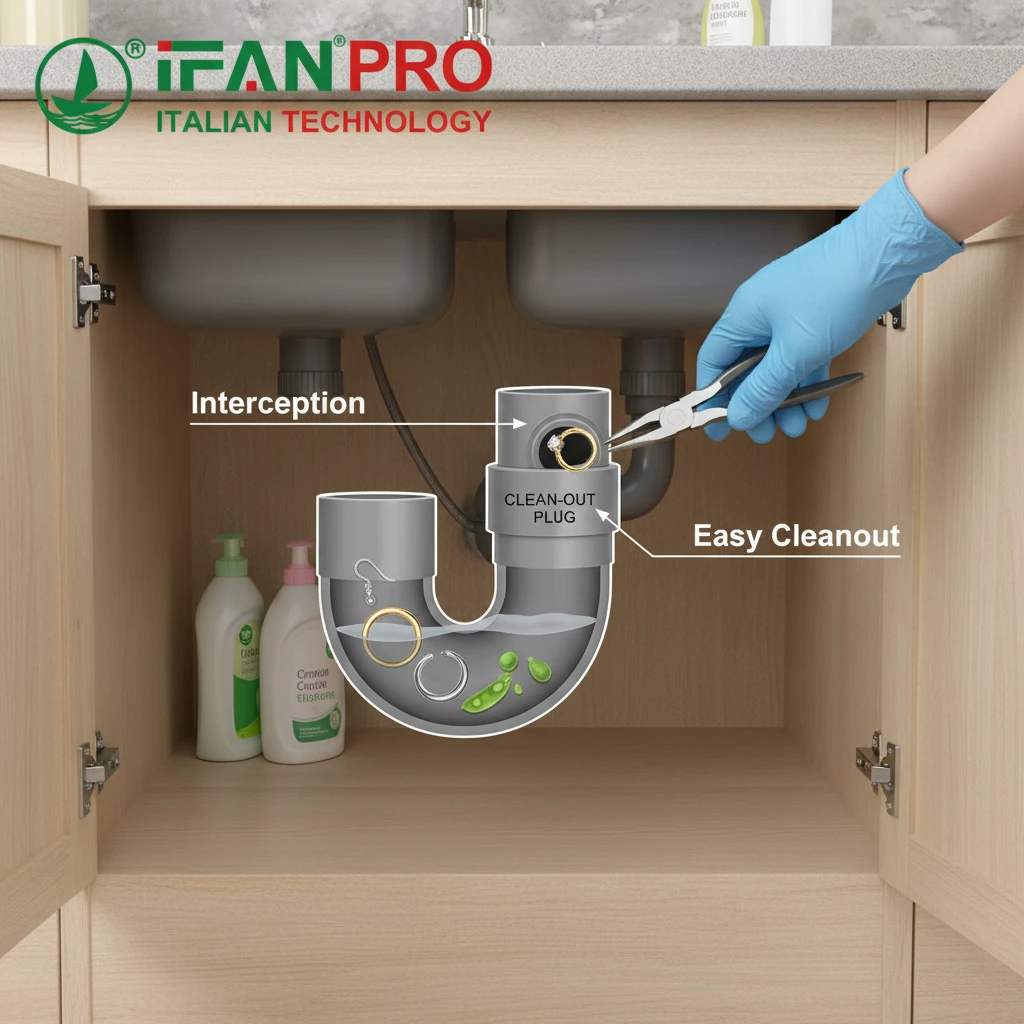
The primary and most important use for sweep tees is in sanitary drainage. This covers pipes that carry waste from toilets, sinks, showers, and appliances. Within this category, some systems are at extreme risk.
Commercial Kitchens and Food Service: This is perhaps the most demanding environment. Grease, food solids, and hot water create a perfect recipe for clogs. A standard tee in a kitchen grease line will clog quickly. Sweep tees are mandatory in these applications to maintain flow and meet health code standards in many regions. The cost of a blocked line during dinner service is far greater than the cost of the proper fitting.
Public and Institutional Restrooms: High-traffic restrooms in airports, schools, or stadiums see a huge volume of use. They are more likely to have inappropriate items flushed, like paper towels or wipes. A sweep tee provides the best chance for these items to make it to the main sewer line without getting stuck at a junction and causing a sewage backup.
Residential and Light Commercial Needs
Even in homes, specific locations benefit greatly from sweep tees.
- Main Soil Stack Connections: Where a horizontal bathroom group drain meets the main vertical waste stack, a sweep tee can prevent a major household clog.
- Laundry Drain Lines: Lint from washing machines is notorious for building up. A sweep tee on the laundry drain reduces this risk.
- Underground Sewer Connections: The connection from the house drain to the public sewer line is a critical point. A sweep tee here helps ensure smooth flow away from the foundation.
Industrial and Process Applications
Beyond sanitary systems, sweep tees are crucial in various industrial settings where process flow must not be interrupted.
Slurry and Granular Transport: Industries like mining, agriculture, or chemical processing often move mixtures of liquids and solids through pipes. A standard tee would cause immediate buildup and blockage, halting production. Sweep tees keep these abrasive or sensitive materials moving.
Wastewater Treatment Plants: Throughout the treatment process, from intake to sludge lines, maintaining flow is essential. Sweep tees are used at junctions to prevent rags, debris, and thickened sludge from causing operational failures.
Application Criticality Guide
| Piping System / Application | Clog Risk Level | Critical Need for Sweep Tee? | Consequences of Using Standard Tee |
|---|---|---|---|
| Commercial Kitchen Grease Line | Extremely High | Absolutely Critical | Frequent blockages, health code violations, business downtime. |
| Municipal Sewer Main Connection | High | Very Critical | Main line backups, property damage, major repair costs. |
| Residential Toilet Drain Line | Moderate to High | Highly Recommended | In-home sewage backup, expensive plumbing emergencies. |
| Industrial Slurry Transfer Line | Extremely High | Absolutely Critical | Process shutdown, production loss, difficult cleanout. |
| Residential Rainwater Leader | Low | Not Necessary | Minimal solids; a standard tee may suffice. |
In summary, any system where the cost of a clog—in money, downtime, or sanitation—is high, demands the use of a sweep tee. It is a small investment for major protection.
What Are the Key Installation Tips for Sweep Tees to Ensure Optimal Flow?
A good fitting installed poorly will still fail. I’ve seen sweep tees clog because they were put in wrong. Correct installation is the final, crucial step.
The key installation tips are: always install the sweep tee in the correct flow direction, ensure proper alignment and support to avoid stress, and use the right solvent cement or gasket to create a smooth, continuous interior seam. Never install it backwards or at an angle, as this defeats its purpose.
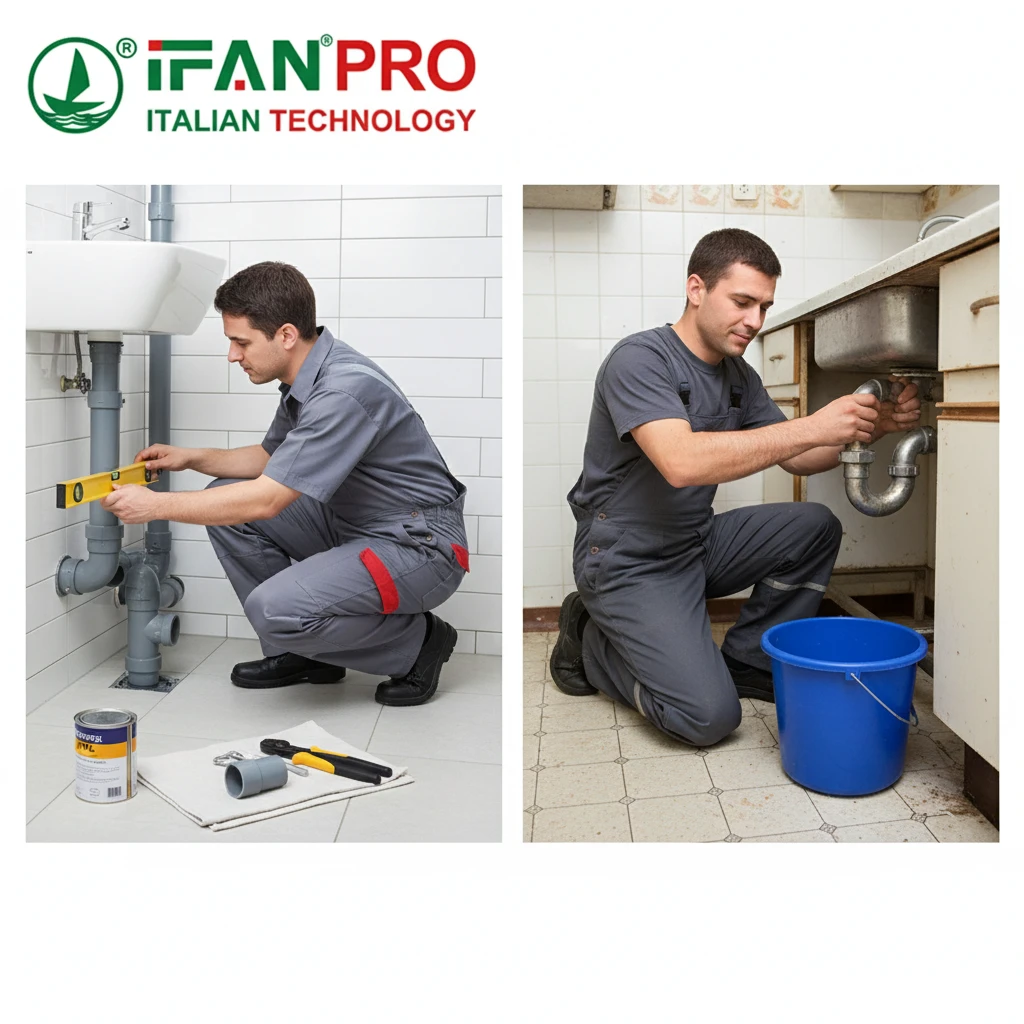
Step 1: Direction and Orientation is Everything
This is the most common and critical mistake. A sweep tee has a specific inlet and outlet. The curved sweep must always point in the direction of the flow.
For a horizontal-to-vertical connection, the flow comes in horizontally and goes down vertically. The curved sweep should guide the flow from the horizontal inlet down through the vertical outlet. Installing it backwards creates an immediate obstruction.
For a horizontal-to-horizontal connection (like a branch line meeting a main line), the sweep should curve from the branch inlet to follow the direction of the main line flow. Always identify the main flow direction first.
Step 2: Achieving Perfect Alignment and Support
Once you know the direction, the fitting must be aligned perfectly. Misalignment creates a lip or ridge on the inside of the pipe joint. This ridge is a perfect catch-point for debris.
- Dry-Fit First: Always dry-fit the pipes and the sweep tee together before applying any cement. Check that all pipes seat fully and the assembly lines up straight.
- Use Adequate Support: Pipes must be supported properly on both sides of the tee. An unsupported pipe can sag over time, putting stress on the tee joints and altering the interior alignment. This stress can also lead to cracks or joint failure. Use pipe hangers or clamps according to local code distances.
Step 3: Creating a Smooth Interior Joint
The goal is to make the inside of the pipe as smooth as possible, with no gaps or protruding material.
For Solvent-Weld (PVC/CPVC) Systems:
- Cut the pipe square using a proper pipe cutter, not a saw, to ensure a flat end.
- Deburr the inside and outside of the pipe end to remove any plastic fragments.
- Apply primer and solvent cement evenly and according to the manufacturer’s instructions.
- Push the pipe fully into the tee socket with a slight twisting motion to spread the cement.
- Hold it firmly for a few seconds. A small bead of cement should form around the joint. This bead should be smooth. Do not wipe it off, as it seals the joint.
For Gasketed (Push-Fit) Systems:
- Ensure the pipe end is clean, smooth, and free of scratches.
- Lubricate the gasket with only the recommended lubricant (often silicone-based).
- Push the pipe in until it seats fully against the internal stop. You should feel or hear a solid click or thud.
Installation Checklist Table
| Installation Step | Key Action | Common Mistake to Avoid |
|---|---|---|
| Planning | Identify main flow direction. | Assuming the tee works the same in any direction. |
| Dry Fitting | Assemble without cement to check alignment. | Skipping this step and cementing a misaligned joint. |
| Pipe Prep | Cut square, deburr, and clean. | Leaving rough edges that disrupt flow and weaken joints. |
| Cementing | Apply cement evenly, twist, and hold. | Using too little or too much cement, or not holding long enough. |
| Support | Install hangers near the tee (both sides). | Letting the pipe sag, stressing the joints. |
| Final Check | Verify direction and alignment before system use. | Rushing to complete the job without a final inspection. |
Following these tips ensures your sweep tee performs as designed. A correctly installed sweep tee is a long-term solution, not just another fitting in the wall.
Conclusion
Sweep tees prevent clogs by guiding flow smoothly, making them essential for reliable drainage. For high-quality, dependable sweep tees, choose IFAN for your next plumbing or industrial project.






 English
  Français
  Русский
  Español
Recent Comments