
I once had a client receive a shipment of PEX pipes that failed pressure tests, halting their construction project. This costly mistake taught us that choosing the right manufacturer is the most critical step.
You choose a reliable PEX pipe manufacturer by verifying their international certifications, auditing their in-house quality control systems, evaluating their production capacity for consistency, and assessing their technical support and project management services. A true partner offers transparency and proof of reliability at every stage.
The wrong choice can lead to project delays, safety risks, and financial loss. Let’s break down the key areas you must check to ensure you select a manufacturer you can trust for years.
How Do You Choose a Reliable PEX Pipe Manufacturer for Your Project?
Choosing a manufacturer feels overwhelming. Many buyers focus only on price, but I advise looking deeper to avoid future problems.
To choose a reliable manufacturer, look beyond the salesperson. You must verify their production certifications, insist on a factory audit (virtual or in-person), test product samples rigorously, and evaluate their ability to provide consistent supply and professional project management support for your specific order size.
Start with Verification and Audits
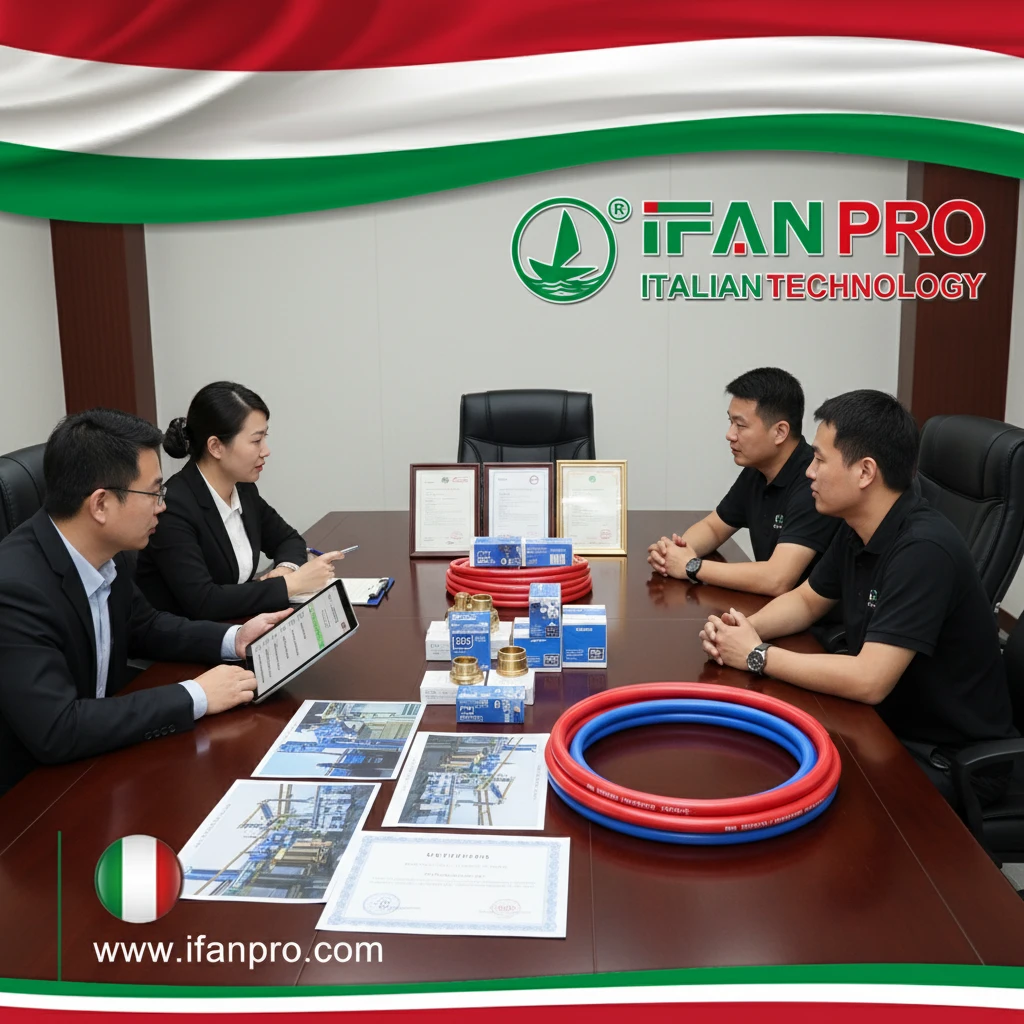
The first step is to verify claims. A reputable manufacturer will have no problem providing proof. You need to check their business license and, most importantly, their product certifications. These are not just documents; they are promises of quality and safety. We will discuss specific standards in the next section.
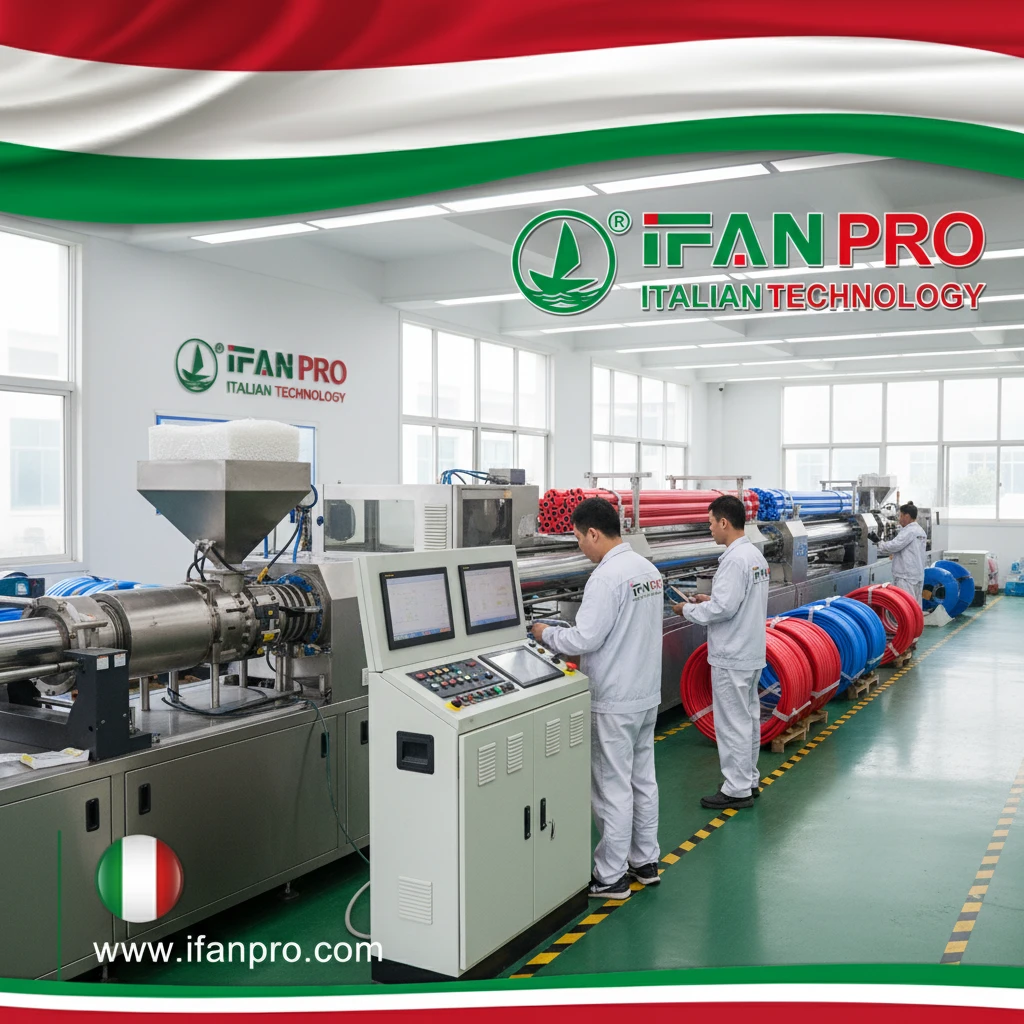
Next, you must see the factory. If you cannot visit in person, request a live video audit. A trustworthy manufacturer will agree to this. During the audit, look for organized production lines, clean facilities, and modern machinery. Pay close attention to their raw material storage area. Are they using branded, prime-grade resin? Ask to see their quality control station and their testing equipment.
Test Samples Thoroughly
Never skip the sample stage. Order samples before placing a large order. Test them yourself or through a third-party lab. Key tests include:
- Long-term Hydrostatic Strength Test: This checks if the pipe can handle pressure over many years.
- Chlorine Resistance Test: Crucial for potable water systems.
- Thermal Stability Test: Ensures the pipe performs well with hot water.
Assess Their Operational Strength
Finally, evaluate their capability as a business partner. Can they handle your volume? Ask about their lead times and how they manage production scheduling. Discuss their process for handling order changes or unexpected issues. A reliable manufacturer will have a clear, professional system for project communication and will assign a dedicated contact for your order.
Here is a checklist to compare potential suppliers:
| Evaluation Criteria | What to Look For | Red Flags |
|---|---|---|
| Certifications | Valid NSF, ASTM, ISO certificates with traceable numbers. | Vague claims, unwillingness to share certificates. |
| Factory Audit | Organized, clean facility; documented QC processes; skilled workers. | Refusal of an audit, messy environment, outdated machines. |
| Sample Quality | Samples pass all relevant performance tests; consistent dimensions and markings. | Poor surface finish, unclear branding, failed lab tests. |
| Communication | Prompt, professional replies from a knowledgeable team; clear project management. | Only a salesperson communicates; slow, vague answers. |
| Capacity & Logistics | Realistic lead times; experience with your order size; offers logistics support. | Promises that seem too good to be true; no shipping experience to your region. |
By following this process, you move from a simple price comparison to a true partnership assessment. This effort upfront saves immense time, money, and stress later.
What International Standards Should Reputable PEX Manufacturers Comply With?
Standards are your safety net. I’ve seen projects fail inspection because the pipes lacked the proper certification markings.
Reputable PEX manufacturers must comply with key standards like NSF/ANSI 61 for drinking water safety, ASTM standards (like F876/F877) for material and performance specifications, and ISO 9001 for quality management systems. Compliance with regional standards, such as WRAS in the UK or KIWA in Europe, is also essential for selling in those markets.
Understanding the Purpose of Standards
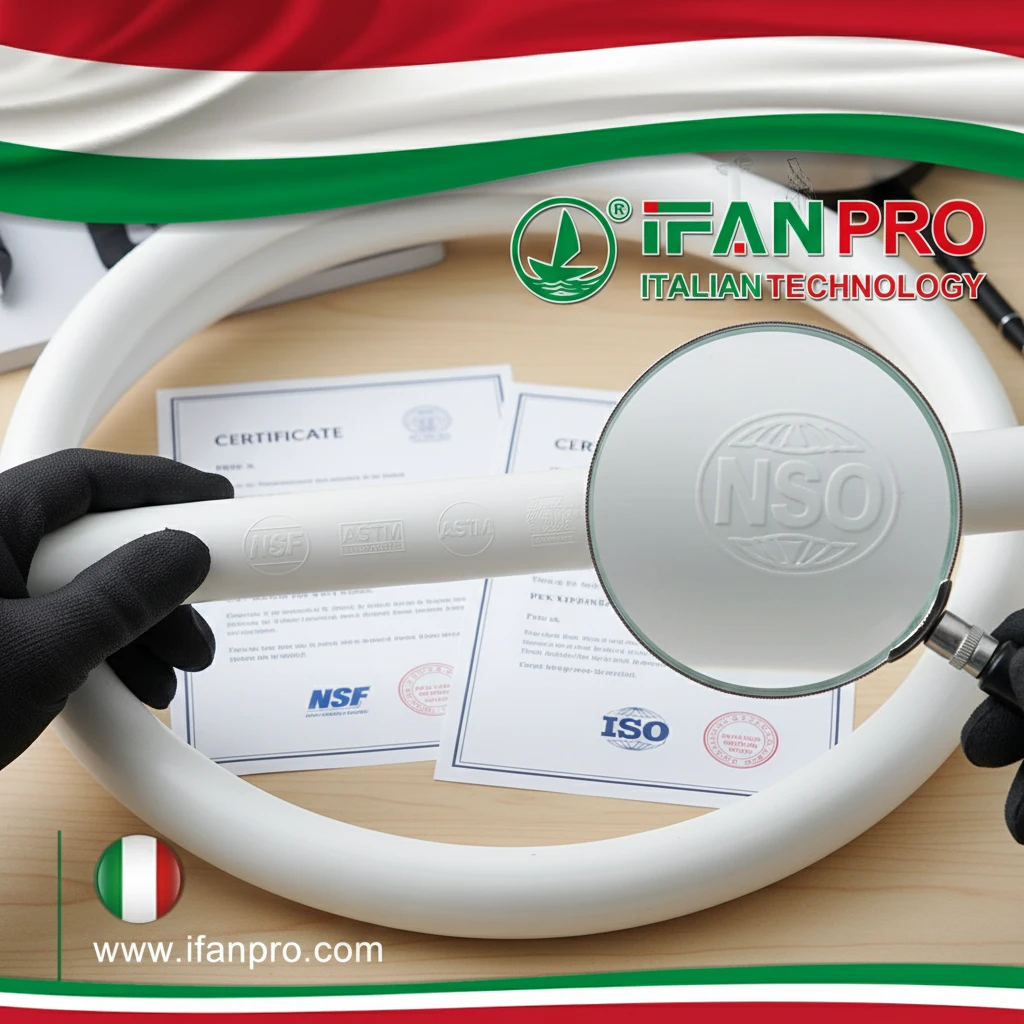
International standards are not optional; they are the rulebook. They ensure that a PEX pipe made in one country is safe and reliable for use in another. These standards cover everything from the raw material formula to the final product’s performance. When a manufacturer complies, it means their product has been tested by an independent body and meets strict minimum requirements.
For you, the buyer, these certifications are your best proof of quality. They protect your project from liability and ensure the health and safety of the end-users.
The Most Important Standards to Check
You should always ask for proof of the following certifications:
- NSF/ANSI 61: This is the most critical standard for potable water applications. It certifies that the product does not leach harmful levels of contaminants into drinking water. No PEX pipe should be used for drinking water without this certification.
- ASTM Standards: The American Society for Testing and Materials sets the material and performance benchmarks. Key ones include:
- ASTM F876: Standard specification for crosslinked polyethylene (PEX) tubing.
- ASTM F877: Standard specification for crosslinked polyethylene (PEX) plastic hot- and cold-water distribution systems.
- ISO 9001: This certifies the manufacturer’s Quality Management System (QMS). It means the company has processes in place to ensure consistent quality, not just that one batch of products was good. It covers planning, production, inspection, and corrective actions.
Regional and Specialized Standards
Depending on your project location, other standards may be required:
- WRAS (UK): Approval for water fittings in the United Kingdom.
- KIWA (Netherlands/EU): A key certification for the European market.
- ACS (France): Certification for products in contact with drinking water.
- GOST (Russia & CIS): Often required for projects in Eastern Europe and Central Asia.
A Quick Reference Table for Standards
| Standard | Focus Area | Why It Matters to You |
|---|---|---|
| NSF/ANSI 61 | Health Effects | Guarantees the pipe is safe for drinking water. |
| ASTM F876/F877 | Material & Performance | Ensures the pipe meets defined strength, durability, and size specs. |
| ISO 9001 | Manufacturing Process | Ensures the company systematically maintains quality, batch after batch. |
| Regional (e.g., WRAS) | Local Market Compliance | Legally required to sell and install the pipe in specific countries. |
Always ask for the certification documents and check their validity dates. A professional manufacturer like IFAN will have these readily available and will understand exactly why you are asking.
How Do Leading PEX Manufacturers Ensure Product Quality and Consistency?
Quality shouldn’t be a hope; it should be a system. We’ve built our reputation on controlling quality at every single step, not just at the end.
Leading manufacturers ensure quality through a closed-loop system: they start with certified raw materials, use Statistical Process Control (SPC) during production, conduct multiple in-process checks, perform 100% final inspection on key parameters, and back it up with regular third-party laboratory testing to validate their own results.
The Foundation: Raw Material Control
Quality begins long before the pipe is extruded. Top manufacturers use only prime, virgin resin from reputable chemical suppliers. Each batch of resin comes with a Material Data Sheet (MDS). They test incoming resin batches for key properties like melt flow rate and density to ensure they meet their strict specifications. Using recycled or contaminated material is a shortcut that always leads to product failure.
The Process: In-Line Monitoring and Control
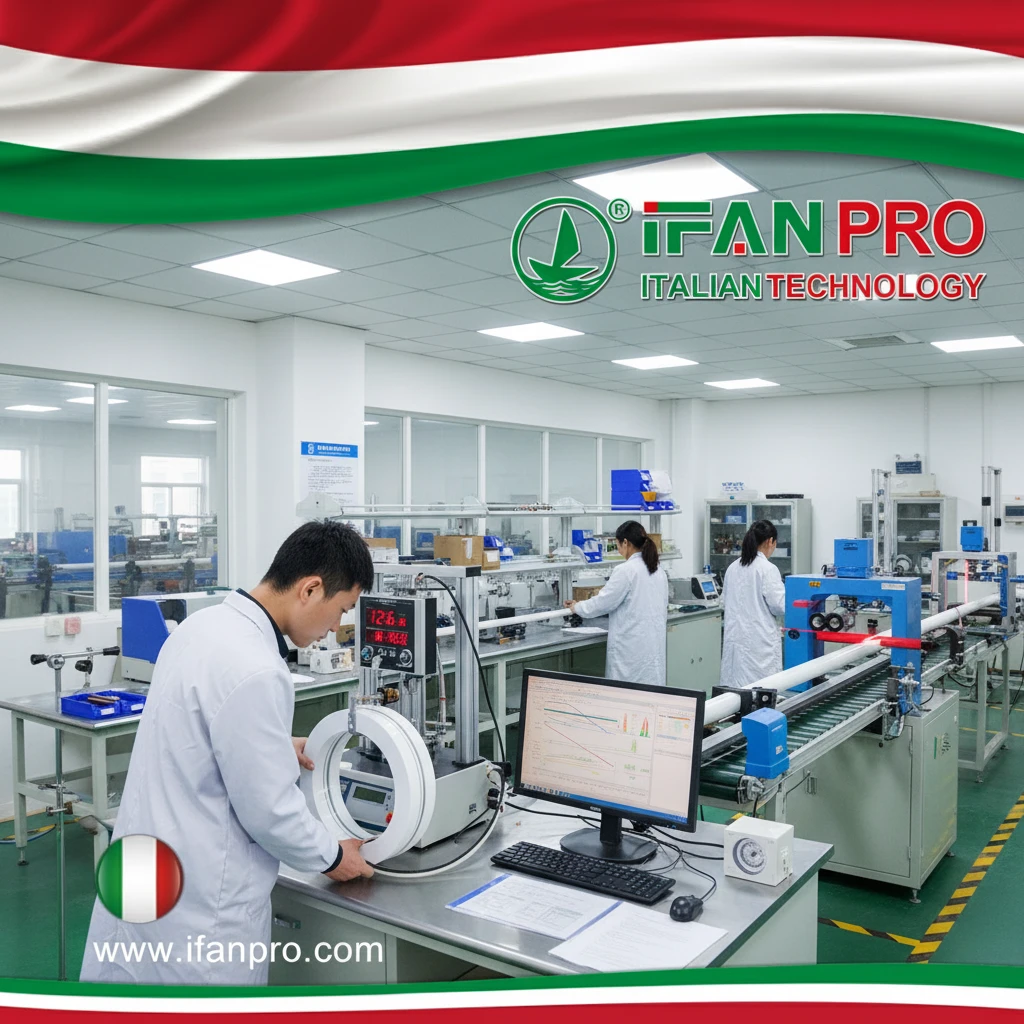
During production, consistency is king. Modern extrusion lines are equipped with laser micrometers and wall thickness gauges that continuously measure the pipe. This is part of Statistical Process Control (SPC). If the dimensions start to drift outside the set tolerance, the machine automatically adjusts or alerts the operator. This prevents an entire batch from being out of spec.
Additionally, quality control technicians perform regular in-process tests. They take samples from the line at set intervals to test for:
- Degree of Crosslinking: This is what makes PEX “crosslinked polyethylene.” It is tested to ensure it meets the required percentage (e.g., PEX-a, PEX-b).
- Hydrostatic Pressure Tests: Samples are subjected to pressure to check for immediate weaknesses.
The Final Gate: Comprehensive Inspection
Before packaging, every single length of pipe goes through a final inspection. This includes:
- Visual inspection for surface defects like bubbles or scratches.
- Dimensional verification using go/no-go gauges.
- Marking checks to ensure batch numbers, size, and standard certifications are correctly printed.
A random sample from each production batch is then taken for more rigorous lab testing, simulating long-term performance.
The Quality Control Chain in Practice
Here is a typical multi-stage QC process table:
| Stage | Checkpoint | Method | Goal |
|---|---|---|---|
| Incoming | Raw Material (Resin) | Review MDS; Lab test samples | Ensure material purity and correct grade. |
| In-Process | Pipe Dimensions | Laser gauges & SPC | Maintain diameter and wall thickness within tolerance. |
| In-Process | Crosslinking Level | Chemical or physical test | Verify the pipe has the correct PEX structure. |
| Pre-Shipment | Visual & Dimensional | 100% inspection; sampling | Find any cosmetic or sizing flaws. |
| Pre-Shipment | Performance | Batch sampling; hydrostatic burst test | Confirm the batch meets strength requirements. |
| Independent | Product Validation | Third-party lab testing | Provide unbiased proof of compliance to standards. |
This layered approach means problems are caught and fixed early. It ensures that the PEX pipe you receive is not just from a good batch, but from a manufacturer whose entire system is designed to eliminate bad batches altogether.
What Value-Added Services Do Professional PEX Pipe Manufacturers Provide?
The best manufacturers sell solutions, not just pipe. They act as an extension of your team, which we do for all our key clients.
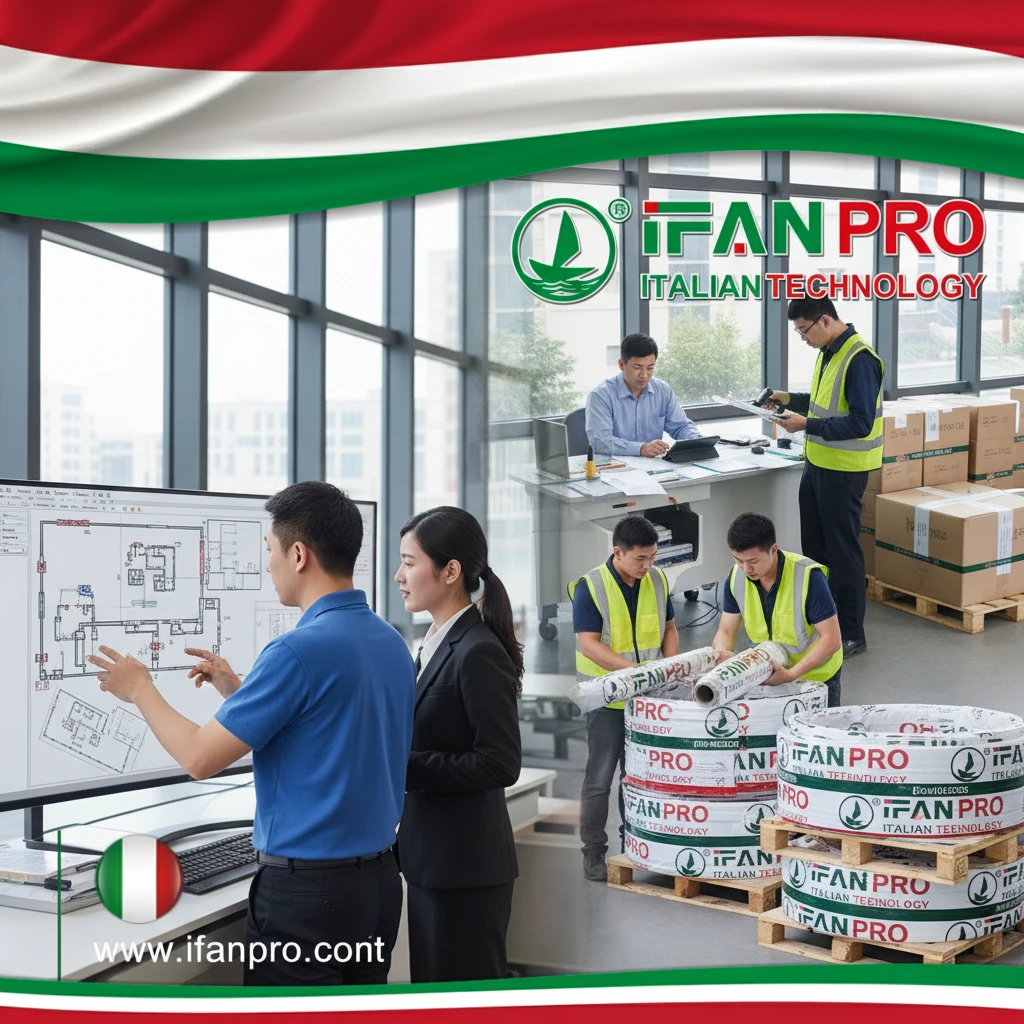
Professional PEX manufacturers provide essential value-added services like in-depth technical support and engineering consultation, custom packaging and labeling, flexible logistics and warehousing solutions, and comprehensive order management with real-time tracking. These services streamline your supply chain and reduce your operational burdens.
Beyond the Product: The Service Mindset
A professional manufacturer understands that your job involves more than just buying pipe. You have projects to manage, deadlines to meet, and installers to support. Their role is to make your job easier. The difference between a basic supplier and a true partner often comes down to the services they offer after the sale.
Key Services That Make a Difference
Here are the most valuable services to look for:
1. Technical & Engineering Support
This is crucial. Can you call them with a technical question about fitting compatibility, expansion loops, or chemical resistance? A manufacturer with in-house engineers can provide guidance, detail drawings, and system design advice. This prevents installation errors that lead to call-backs and failures.
2. Customization and Branding
For wholesalers and large contractors, branding matters. Professional manufacturers offer custom printing on the pipe (with your company name or project logo) and tailored packaging (such as specific coil lengths, bundle sizes, or palletization). This enhances your professional image and adds value for your own customers.
3. Supply Chain and Logistics Management
Managing international shipping is complex. A strong manufacturer will handle all logistics: customs documentation, booking freight, and arranging cost-effective shipping. Some even offer bonded warehousing or consignment stock in your region, allowing for faster delivery and reduced inventory cost for you.
4. Dedicated Order and Project Management
You should have a single point of contact who manages your order from confirmation to delivery. This person provides proactive updates, handles any changes, and ensures smooth communication between you and the factory floor. This transparency is invaluable for project planning.
Comparing Service Levels
The table below shows how service offerings can differ:
| Service Type | Basic Supplier | Professional Manufacturer (e.g., IFAN) |
|---|---|---|
| Communication | Salesperson only, focused on closing the order. | Dedicated project manager and technical support team. |
| Technical Support | Limited or none; may refer you to generic guides. | Direct access to engineers for application-specific advice. |
| Customization | Standard products only. | Offers custom printing, packaging, and length variations. |
| Logistics | EXW terms (you handle everything from factory gate). | Offers CIF/DAP terms, handles all shipping and docs. |
| Quality Documentation | Basic commercial invoice and packing list. | Provides detailed QC reports, material certificates, mill test reports. |
These services transform a simple transaction into a strategic partnership. They save you time, reduce risk, and provide you with competitive advantages in your own market. When evaluating manufacturers, always ask about their service capabilities—it’s where the real long-term value lies.
Conclusion
Choosing the right PEX manufacturer requires checking their standards, systems, and services. For reliable PEX pipes backed by full project support, partner with IFAN.










 English
  Français
  Русский
  Español
Recent Comments