
When it comes to plumbing systems, especially those that transport potable (drinking) water, choosing the right pipe material is crucial. Not all pipes are safe for human consumption, and using the wrong type could lead to health hazards, contamination, and regulation violations.
In this article, we’ll answer the key question: Which types of pipes should not be used for drinking water? We’ll also explain why certain materials are unsuitable, and what alternatives are safe and recommended.
🚫 Pipe Types That Are Not Safe for Drinking Water
1. Lead Pipes
- Why it’s unsafe: Lead can leach into water, especially over time or under acidic conditions, leading to serious health issues such as neurological damage, especially in children.
- Status: Banned or strictly regulated in most countries, including Europe and the U.S.
- Verdict: Never use lead pipes for any drinking water application.
2. Galvanized Steel Pipes
- Why it’s unsafe: Over time, galvanized steel can corrode and release rust, heavy metals, and bacteria into the water.
- Older galvanized pipes may contain traces of lead in the zinc coating.
- Verdict: Not recommended for potable water, especially in residential systems.
3. PVC (Polyvinyl Chloride) Pipes
- Why it’s risky: While certain food-grade PVC types are safe, regular or industrial-grade PVC may contain plasticizers, chlorine, and other additives that can leach into the water.
- High-temperature use can also degrade the pipe and release harmful chemicals.
- Verdict: Only use certified potable-grade PVC for cold water—never use unapproved PVC for drinking water.
4. Asbestos Cement Pipes
- Why it’s unsafe: Older cement pipes reinforced with asbestos fibers can pose serious health risks if the fibers break down and enter the water.
- Verdict: Outdated and dangerous. Should not be used for drinking water systems.
5. Black Iron Pipes
- Why it’s unsafe: These pipes are designed for gas systems, not water. They are prone to rust and contamination when exposed to moisture.
- Verdict: Do not use for water supply—especially not for drinking water.
✅ Recommended Safe Alternatives for Drinking Water Pipes
When safety and compliance are priorities, the following piping materials are recommended for drinking water systems:
| Pipe Type | Safety Rating | Common Uses | Notes |
|---|---|---|---|
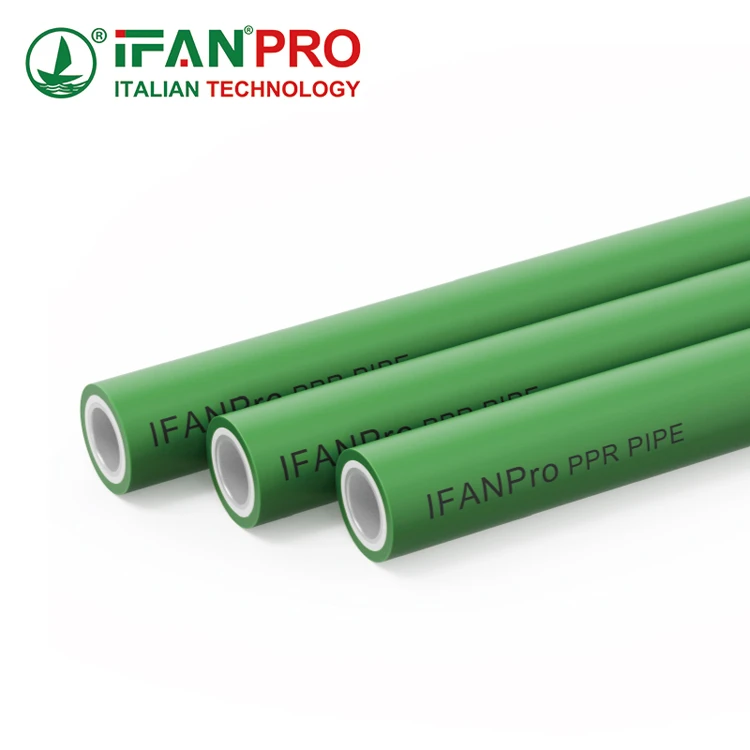
| PPR (Polypropylene Random Copolymer) | ✅ Excellent | Hot/cold water, drinking water | Non-toxic, corrosion-resistant, long lifespan |
| PEX (Cross-linked Polyethylene) | ✅ Excellent | Residential plumbing | Flexible, resistant to chlorine and scaling |
| CPVC (Chlorinated PVC) | ✅ Safe | Hot water systems | Must meet NSF 61 standards |
| Copper (Type L or K) | ✅ Safe | Long-term municipal and residential | Durable, antimicrobial, more expensive |
| Stainless Steel (304/316) | ✅ Safe | Commercial/industrial | High cost, used for premium applications |
🏆 Why Many European and Global Buyers Prefer PPR Pipes
At ifanpro, we specialize in manufacturing high-quality PPR pipe systems that are fully compliant with international drinking water standards, such as:
- DIN 8077/8078 (Germany)
- ISO 15874 (Global)
- CE, WRAS, and NSF certifications (upon request)
Benefits of PPR Pipes for Drinking Water:
- Non-toxic and lead-free
- Resistant to high temperatures and pressure
- Corrosion-proof and rust-free
- Up to 50 years of service life
- Suitable for OEM branding and custom specifications
📌 Conclusion
Choosing the correct type of pipe is essential for any drinking water system. Avoid using lead, galvanized steel, regular PVC, or asbestos cement pipes for potable water applications. These materials pose serious health and safety risks and often violate modern building regulations.
For safe, cost-effective, and long-lasting solutions, PPR, PEX, CPVC, and copper are your best options. For bulk buyers and international importers looking for custom PPR pipe systems, ifanpro.com offers factory-direct pricing, OEM service, and global shipping.







 Français
  English
  Русский
  Español
Commentaires récents