I once managed a hotel retrofit where outdated fittings failed within months. That costly lesson taught me the importance of choosing components built for commercial demands.
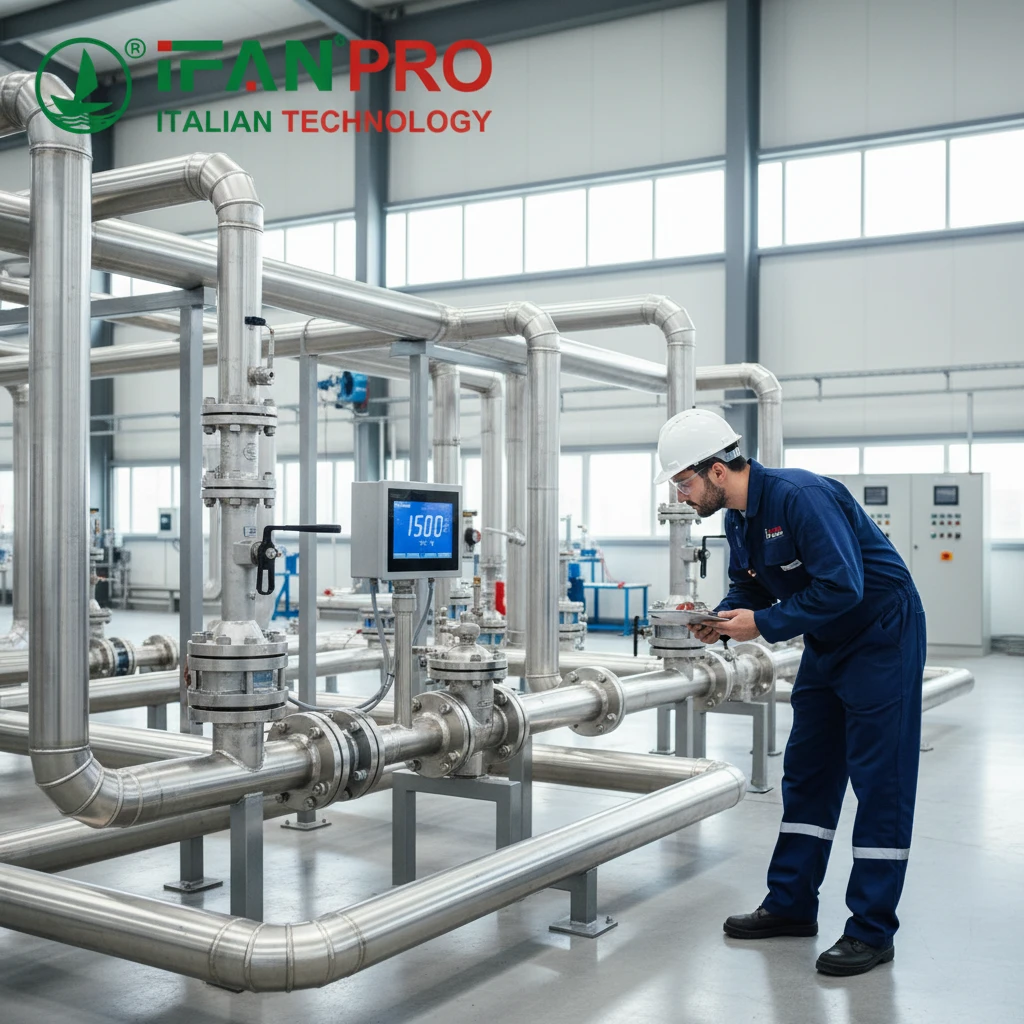
Upgrading commercial HVAC systems with IFANPRO 121UC fittings delivers superior reliability because these components combine PEX flexibility with brass insert strength. They handle higher temperatures, resist chemical corrosion, and allow for faster installation compared to traditional metal-only fittings. This makes them ideal for modern commercial heating and cooling applications.
Let’s examine why these fittings solve real problems in commercial environments.
The Unique Demands of Commercial Heating and Ventilation
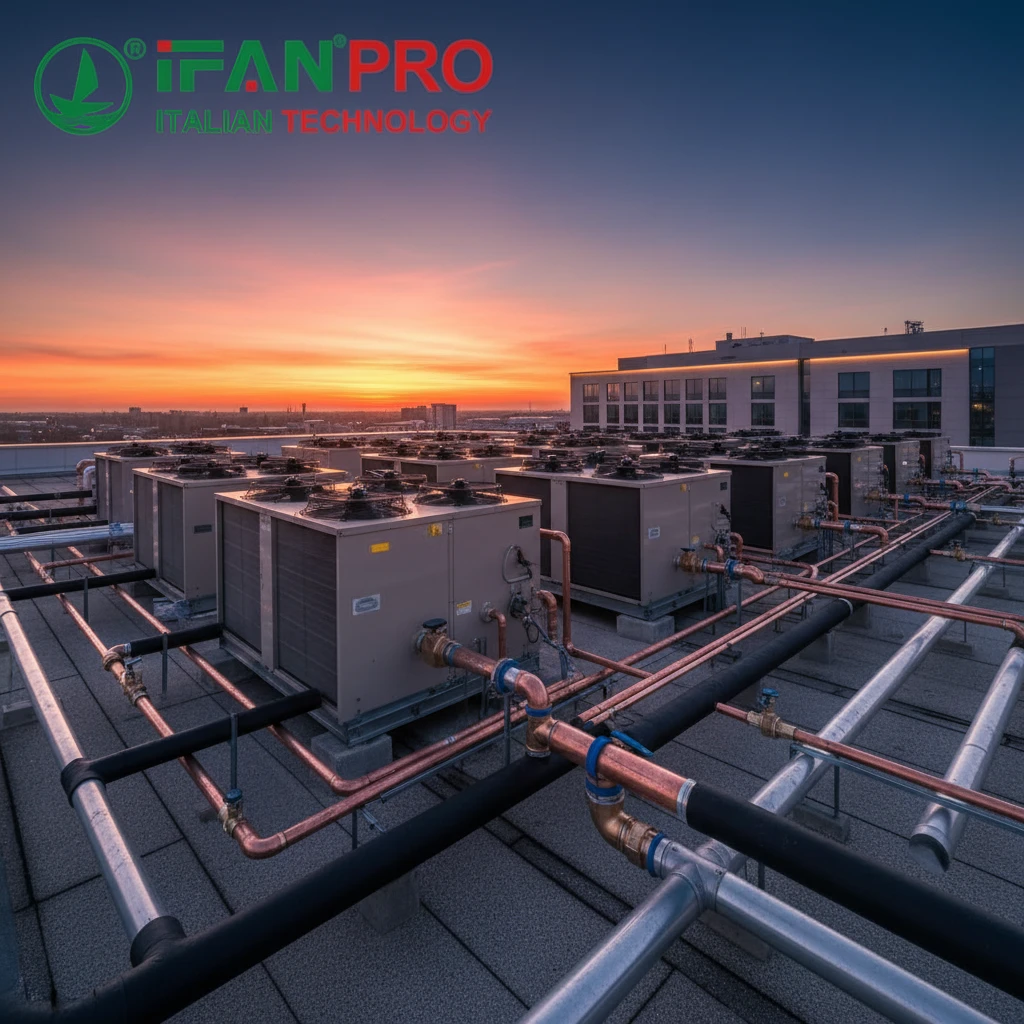
Commercial systems operate differently than residential ones. I’ve seen standard residential components fail quickly under commercial stress.
Commercial HVAC systems demand components that handle continuous operation, higher flow rates, and wider temperature fluctuations. Unlike residential systems that cycle on and off, commercial units often run 24/7. This constant stress requires fittings with superior material stability, pressure ratings, and thermal expansion tolerance.
Understanding the Commercial Load Difference
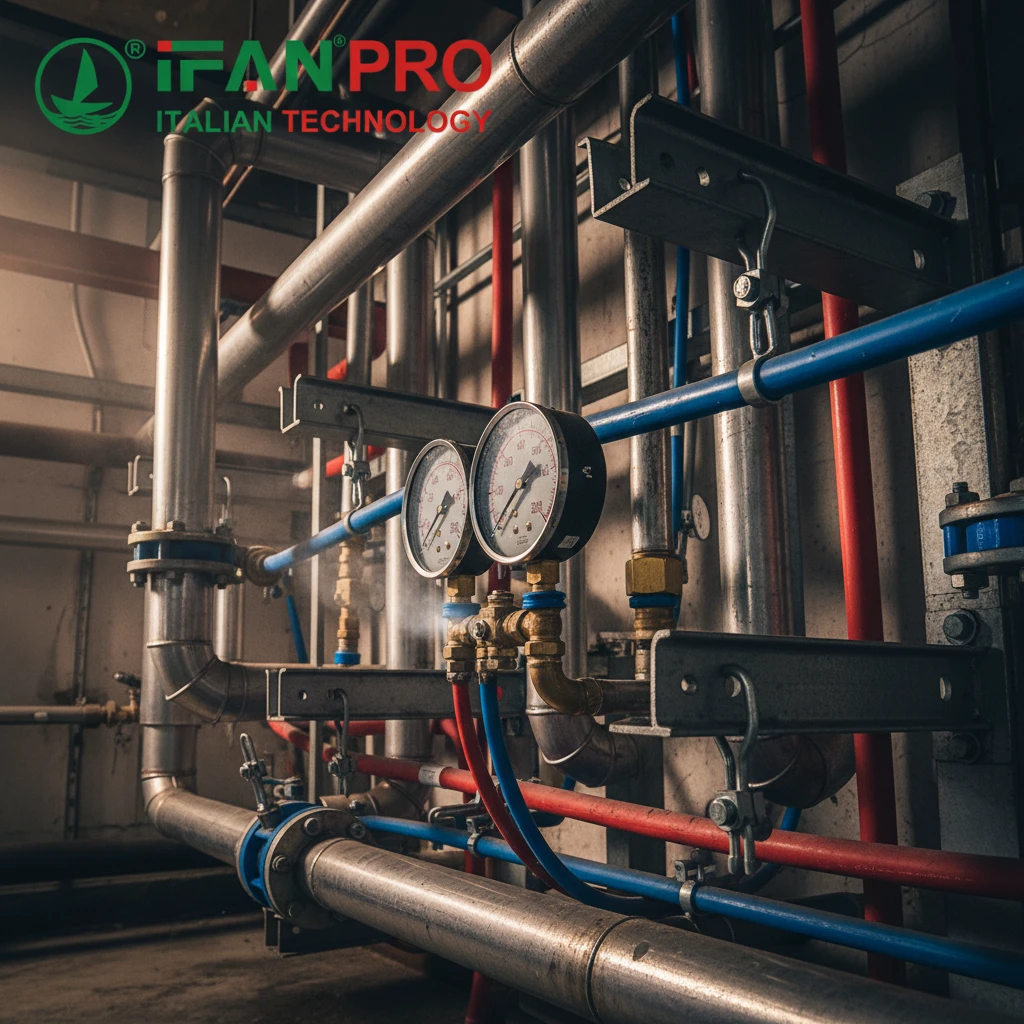
The gap between residential and commercial requirements is substantial. A typical home heating system might operate at 60 PSI and 140°F. A commercial building’s system can easily reach 100 PSI with water temperatures exceeding 180°F. This difference matters because materials behave differently under sustained high stress.
Consider the runtime factor. A residential boiler might run 8-10 hours daily during winter. A commercial system in an office building or hotel runs continuously, maintaining temperature day and night. This means components experience thermal cycling—expansion when hot, contraction when cool—much more frequently. Over years, this cycling can weaken inferior fittings.
Additionally, commercial systems have larger pipe diameters and longer runs. The weight of water in these systems places greater physical stress on fittings. Supporting brackets and hangers become critical. The fitting’s material strength determines whether it can bear this load without deforming.
Common Failure Points in Commercial Settings
Based on our field experience with IFAN clients, here are typical commercial system failures:
| Failure Type | Cause | Consequence |
|---|---|---|
| Fitting Cracking | Thermal cycling fatigue in poor-quality brass | Water damage, system shutdown |
| O-ring Degradation | Chemical attack from water treatment additives | Slow leaks, pressure loss |
| Creep Deformation | Sustained pressure at high temperature | Loose connections, pull-out failures |
| Galvanic Corrosion | Dissimilar metals in contact | Fitting failure, pipe damage |
Each of these failures leads to downtime, repair costs, and unhappy building occupants. This is why material selection matters so much for commercial work.
Temperature and Pressure Rating Requirements
Commercial systems require components rated for continuous high-temperature operation. IFANPRO 121UC fittings use brass inserts that maintain strength at elevated temperatures. The PEX material used meets standards for 200°F at 100 PSI continuous operation. This safety margin matters because systems sometimes experience spikes above normal operating conditions.
How the 121UC Supports Quick System Servicing
Building maintenance teams value speed. I’ve watched facility managers struggle with repairs that took too long and disrupted occupants.
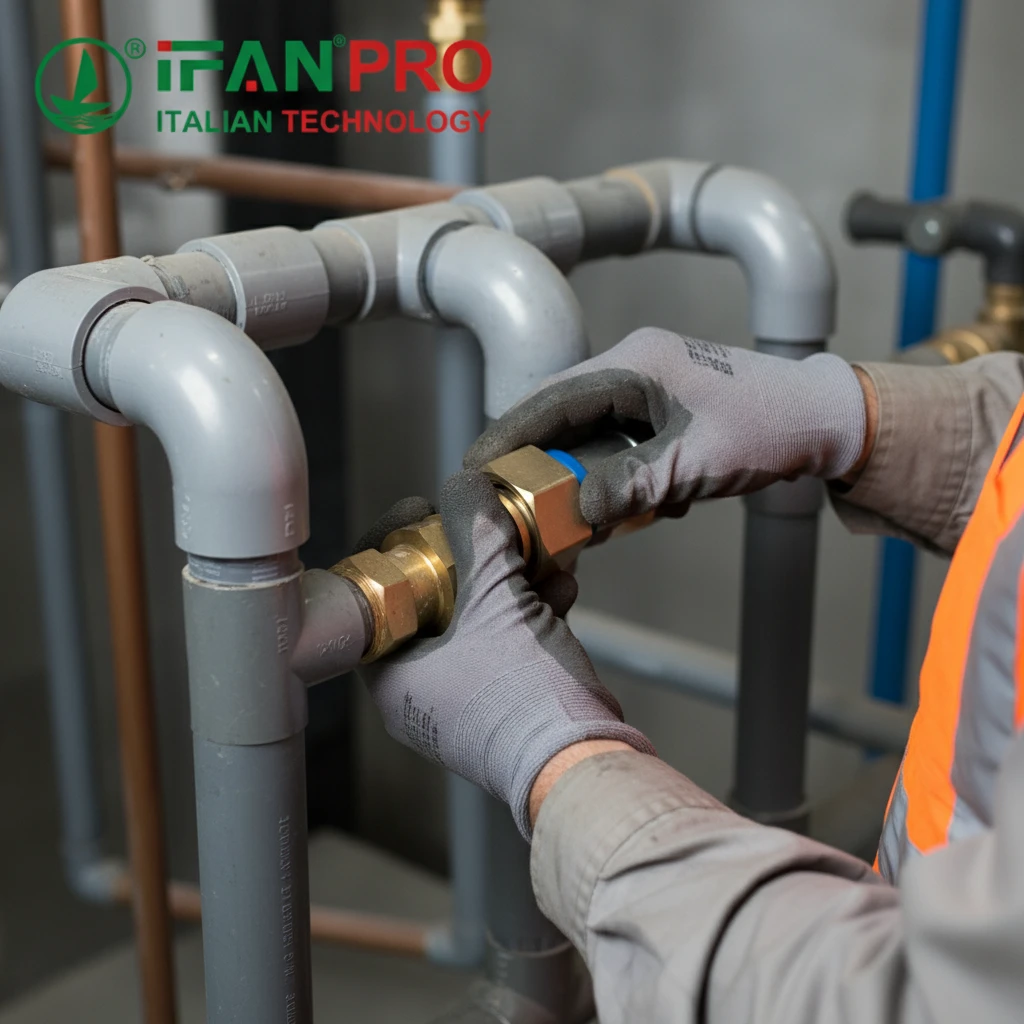
The 121UC fitting supports quick servicing through its push-to-connect design combined with a secure release collar. Technicians can disconnect and reconnect lines without special tools or torch work. This allows for fast component replacement, filter changes, or system modifications with minimal downtime and no fire risk.
The Time Savings Breakdown
Time is money in commercial maintenance. Every hour of system downtime affects building occupants. Let’s compare installation times:
| Connection Method | Time per Joint | Tools Required | Fire Risk |
|---|---|---|---|
| 121UC Push-Fit | 15-30 seconds | None (hand only) | None |
| Soldered Copper | 5-10 minutes | Torch, solder, flux | High |
| Threaded Brass | 3-5 minutes | Wrenches, sealant | None |
| Crimp PEX | 1-2 minutes | Crimp tool, gauge | None |
The table shows clear advantages. For a system with 50 connections, the labor savings add up significantly. More importantly, future servicing becomes faster too.
The Serviceability Advantage
Traditional fittings often require cutting pipes to remove a component. With push-fit fittings, you simply press the release collar and pull the tube out. This means:
- Pumps can be swapped in minutes rather than hours
- Valve replacements don’t require pipe modification
- System expansion connects directly to existing lines
- Winterization becomes simpler with quick disconnects
For facility managers, this translates to lower labor costs and less occupant disruption. A repair that might have taken a full shift now takes an hour.
Training and Skill Requirements
Another hidden cost in commercial maintenance is technician training. Skilled pipe fitters command higher wages and are harder to find. Push-fit technology reduces this dependency. A maintenance technician can learn to use 121UC fittings in minutes. This allows facilities to use general maintenance staff for many tasks that previously required specialized plumbers.
Handling High-Pressure and Mild Chemical Environments
Commercial buildings often have water treatment systems. I’ve seen standard fittings corrode when exposed to treated water.
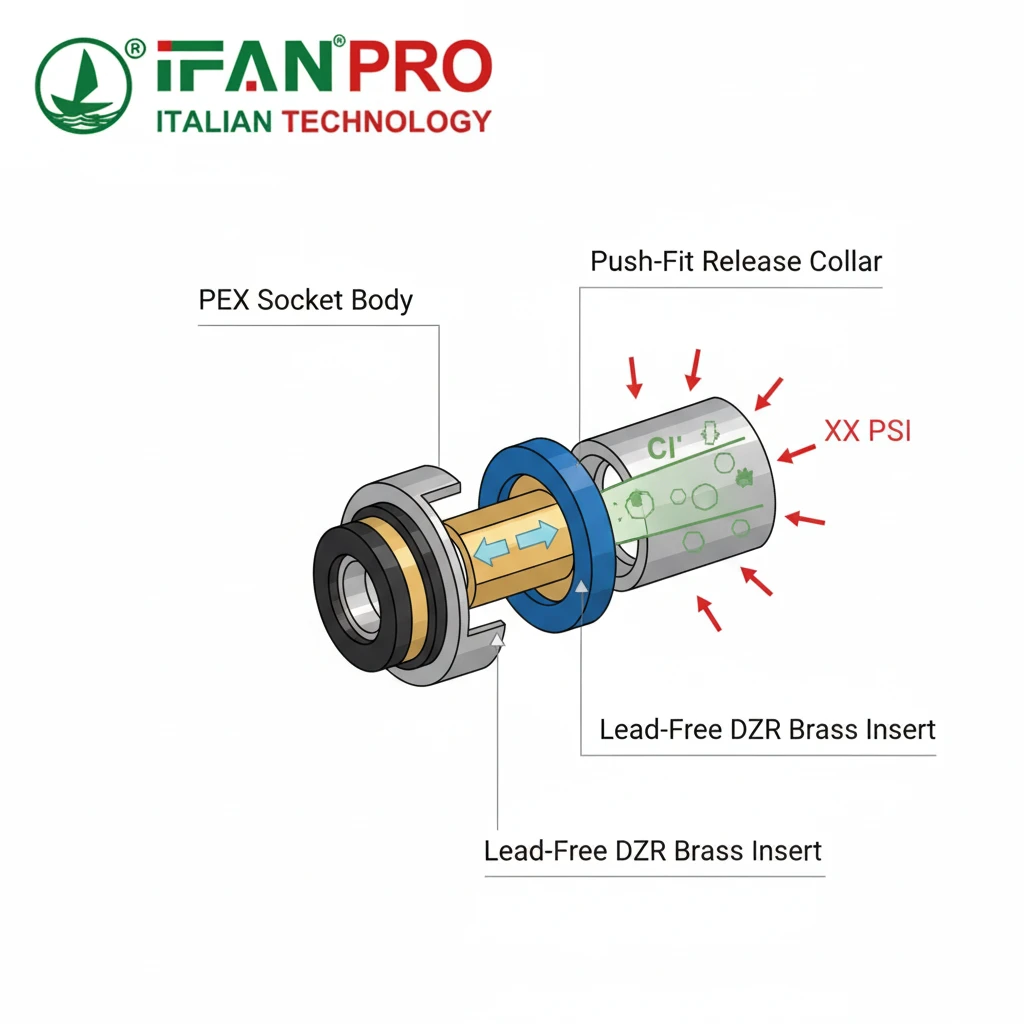
The 121UC fitting handles high-pressure and mild chemical environments through its lead-free brass construction and high-quality EPDM O-rings. The brass resists dezincification, a common failure mode in cheaper fittings. The EPDM seals maintain flexibility when exposed to chlorine and other common water treatment chemicals.
Understanding Dezincification Resistance
Brass is an alloy of copper and zinc. In certain water conditions, the zinc can leach out, leaving weak, porous copper behind. This process, called dezincification, causes fittings to crack and fail. The 121UC uses dezincification-resistant (DZR) brass, which contains additional elements that prevent this reaction. This matters for commercial systems because:
- Water treatment often changes water chemistry
- Recirculating systems concentrate minerals over time
- Failures are expensive and disruptive
Chemical Resistance of Sealing Materials
The O-ring material matters as much as the metal body. EPDM rubber handles:
- Chlorine up to moderate concentrations
- Hot water without hardening
- Ozone and weathering
- Mild acids and alkalis
This makes it suitable for most commercial HVAC applications, including chilled water, hot water, and glycol mixtures. However, for systems with oil-based fluids, different seal materials would be required.
Pressure Ratings and Safety Margins
Commercial systems need consistent pressure handling. The 121UC maintains its seal up to 200 PSI at room temperature, with derated capacity at higher temperatures. This provides a comfortable safety margin for typical commercial systems operating at 100-150 PSI.
| Operating Condition | Pressure Rating | Safety Margin |
|---|---|---|
| 73°F (Cold Water) | 200 PSI | 2x typical commercial pressure |
| 140°F (Hot Water) | 150 PSI | 1.5x typical commercial pressure |
| 180°F (High Temp) | 100 PSI | Matches maximum operating pressure |
| 200°F (Peak) | 80 PSI | Acceptable for short-term spikes |
These ratings allow engineers to design systems with confidence, knowing the fittings won’t become the weak link.
Compatibility with Common HVAC Fluids
Commercial systems use various fluids. The 121UC works with:
- Potable water (meets NSF/ANSI 61)
- Treated boiler water (with standard inhibitors)
- Glycol mixtures up to 50%
- Closed-loop heating and cooling systems
For specialized applications like refrigerants or oils, always verify compatibility with the manufacturer.
Sourcing Reliable PEX Parts for Medium to Large Setups
Large projects have different needs than small repairs. I’ve helped contractors source components for hotels and office complexes.
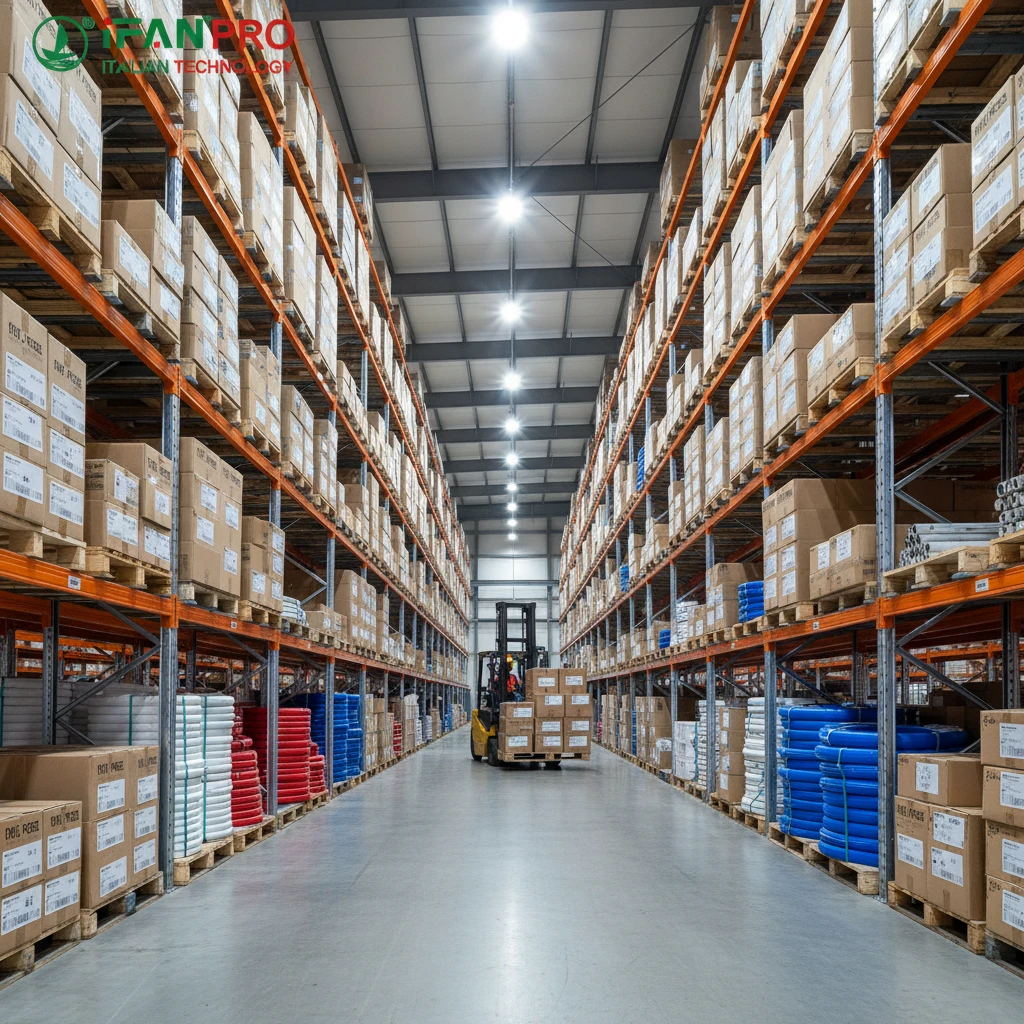
Sourcing reliable PEX parts for medium to large commercial setups requires working with suppliers who understand volume consistency, certification documentation, and project timelines. IFAN provides batch traceability, consistent quality across large orders, and documentation needed for commercial building approvals and inspections.
The Challenge of Commercial Project Sourcing
When you need 500 fittings for a hotel project, consistency matters. Every fitting must perform identically. Variations in manufacturing can cause problems during installation or after occupancy. Commercial projects also require:
- Certification documentation for building department approvals
- Consistent dimensions for reliable installation
- Packaging that protects components on job sites
- Delivery timing that matches construction schedules
- Backup inventory for unexpected needs
Quality Control in Volume Orders
IFAN approaches large orders with systematic quality control. Each production batch has traceability codes. This means if a question ever arises about a specific fitting, we can trace it back to its raw material lot and production date. For commercial projects, this traceability provides peace of mind to engineers and building owners.
Supporting Large-Scale Installations
For medium to large setups, additional services matter:
| Project Phase | IFAN Support | Benefit |
|---|---|---|
| Design | Technical specifications, CAD files | Accurate planning |
| Procurement | Volume pricing, staging shipments | Cost control |
| Installation | Tool availability, training support | Faster installation |
| Inspection | Certification documents, test reports | Code compliance |
| Operation | Warranty support, replacement parts | Long-term reliability |
Managing Inventory and Lead Times
Large projects require careful material planning. We work with contractors to:
- Forecast needs based on project schedules
- Stage deliveries to match construction phases
- Maintain buffer stock for unexpected needs
- Provide substitution guidance if specific items become delayed
This project management approach prevents the common problem of crews waiting for materials, which wastes labor dollars and extends project timelines.
Documentation for Commercial Approvals
Commercial building departments require extensive documentation. IFAN provides:
- ASTM and ISO compliance certificates
- NSF/ANSI 61 potable water certifications
- Pressure and temperature rating documentation
- Material safety data sheets
- Installation instructions and guidelines
Having this documentation readily available speeds up the inspection process and reduces questions from code officials.
Conclusion
Upgrading commercial HVAC systems with IFANPRO 121UC fittings delivers faster installation, reliable pressure handling, and simplified maintenance. For your next commercial project, choose IFANPRO 121UC fittings for dependable performance and comprehensive project support.

 Français
  English
  Русский
  Español
Commentaires récents