
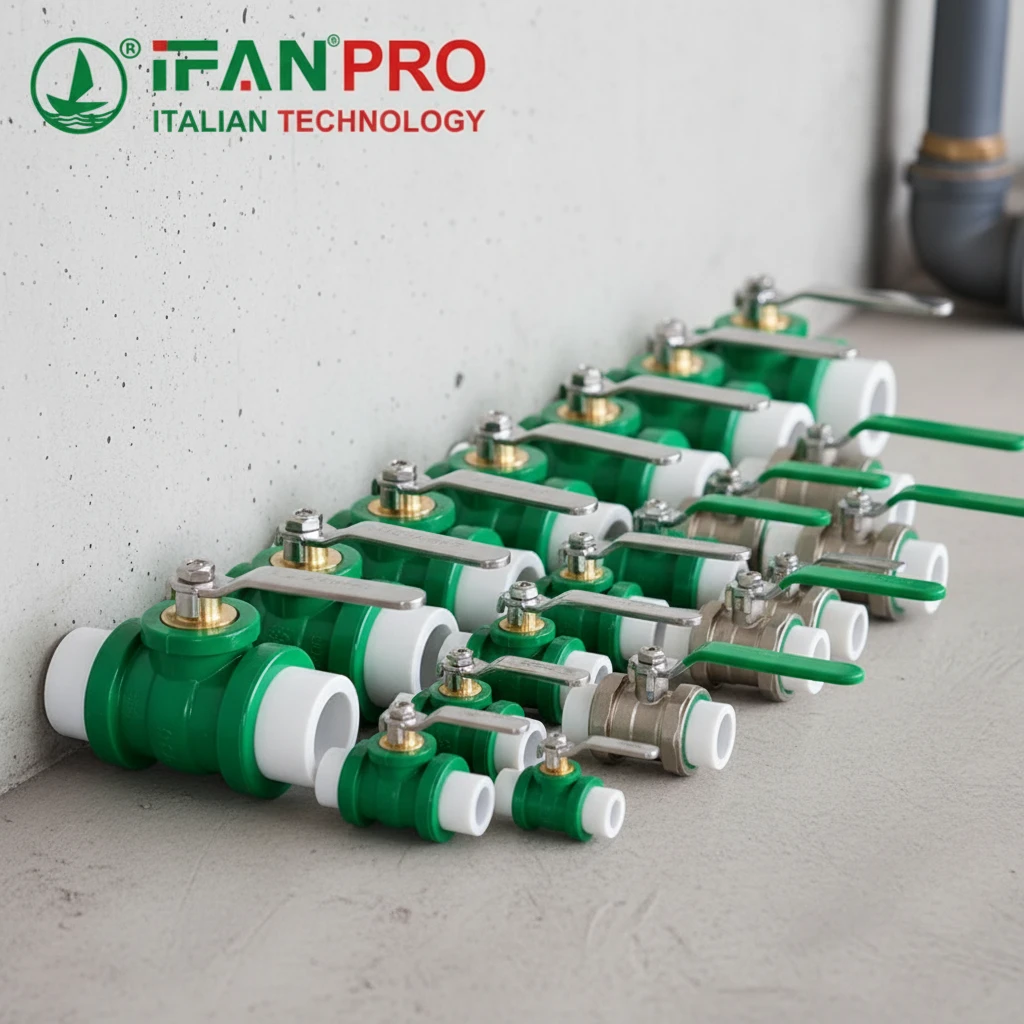
I once watched a wholesaler lose a major contract because his supplier couldn’t deliver valves with the right branding. That costly mistake taught me the importance of choosing the right OEM/ODM partner.
A top OEM/ODM PPR valve manufacturer in China combines genuine in-house R&D capabilities, rigorous quality control systems, flexible customization options, and reliable production capacity. They don’t just produce parts; they act as strategic partners who help wholesalers serve diverse markets with consistent quality and branding.
Let’s explore how plumbing wholesalers can identify and evaluate these critical partners.
How Do You Identify a Manufacturer with Genuine OEM/ODM Capabilities?
Many suppliers claim they offer OEM and ODM services. The reality is often different. I’ve visited factories where “customization” meant slapping a client’s logo on a standard product.
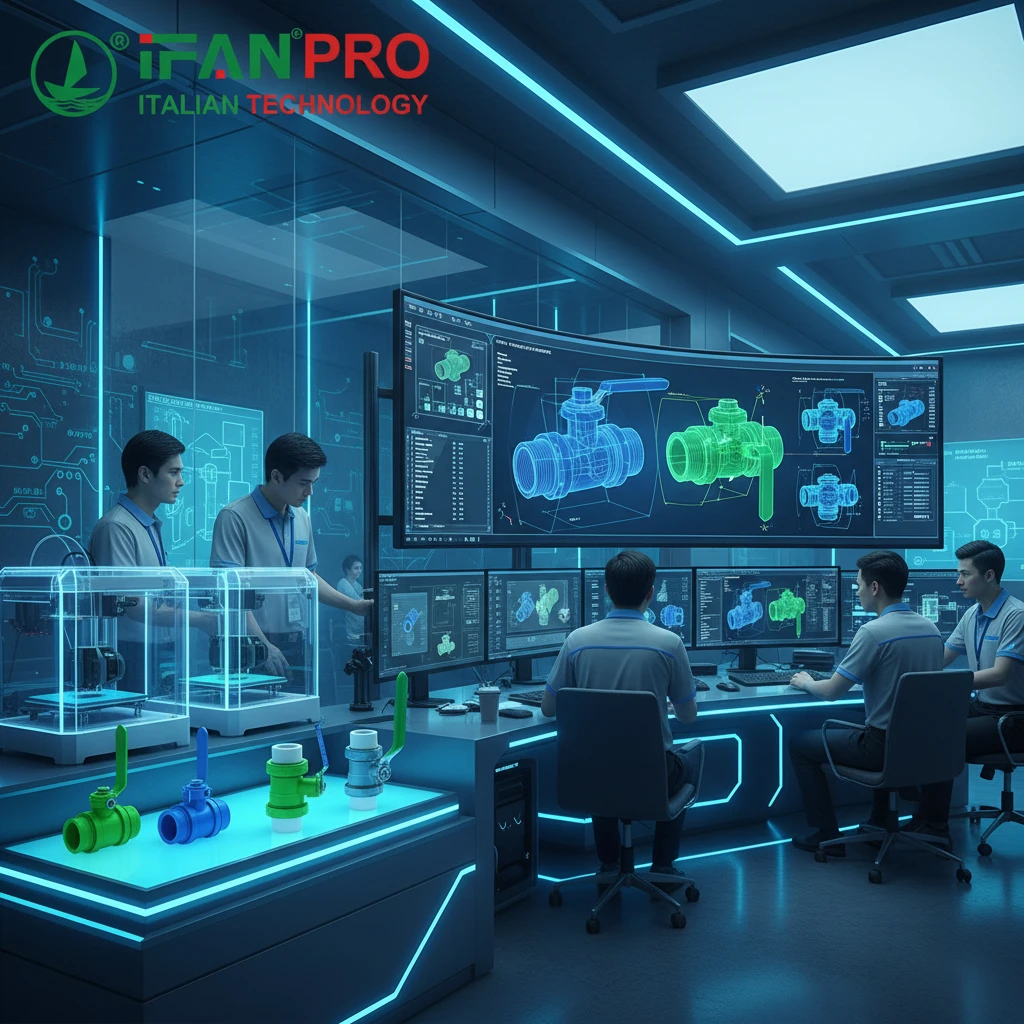
A manufacturer with genuine OEM/ODM capabilities has its own engineering team, tooling shop, and material formulation expertise. They can modify product designs, create custom molds, and develop specific material compounds to meet client requirements, not just change colors or add logos.
Distinguishing Real from Fake OEM/ODM Partners
The difference between a true OEM/ODM partner and a simple trading company or basic factory lies in their technical capabilities. Here’s what to look for during your evaluation.
1. In-House Engineering and Design Team
A genuine ODM partner employs mechanical engineers, material scientists, and product designers. These professionals understand the physics of fluid dynamics, the chemistry of polymer materials, and the mechanical requirements of valve operation. During conversations, ask technical questions. A real engineering team will engage with you on topics like pressure ratings, flow coefficients, and material compatibility.
2. Mold Making and Tooling Capabilities
Custom products require custom molds. Top manufacturers maintain their own tooling shops. They can create new molds based on your drawings or modify existing ones. If a supplier must send all mold work to a third party, expect longer development times and higher costs. Ask to see their tooling workshop during a factory visit.
3. Material Formulation Knowledge
PPR valves require specific material properties. A knowledgeable manufacturer understands how to adjust formulations for different applications. They can recommend material adjustments for:
- Higher temperature resistance
- Improved impact strength
- UV resistance for outdoor applications
- Compliance with specific regional standards
The table below outlines what to look for in an OEM/ODM evaluation:
| Evaluation Area | Red Flags (Avoid) | Green Flags (Seek) |
|---|---|---|
| Engineering Team | No engineers on staff; cannot discuss technical specs. | Dedicated R&D team; engineers engage in technical discussions. |
| Mold Capability | All molds outsourced; long lead times for changes. | In-house tooling shop; quick prototype turnaround. |
| Material Expertise | Only offers standard material; cannot explain grades. | Custom formulation ability; knowledge of regional standards. |
| Sample Process | Samples are just standard products. | Samples reflect your specifications; iterative process. |
| Past Projects | Vague references; no case studies. | Specific examples of OEM/ODM work for other clients. |
Questions to Ask Potential Partners
When evaluating a manufacturer, ask these specific questions:
- “Can you show me examples of custom molds you have created?”
- “What is your typical timeline for developing a new product from concept to sample?”
- “How do you handle material sourcing if we require specific certifications?”
- “Can we visit your engineering department and tooling workshop?”
A partner with genuine OEM/ODM capabilities will welcome these questions and provide detailed answers. A pretender will give vague responses or try to change the subject.
What Quality Control Processes Should a Top-Tier Valve Manufacturer Have?
Quality failures in valves cause leaks, system failures, and damaged reputations. I’ve seen wholesalers lose decades of trust because of one bad batch from an unchecked supplier.
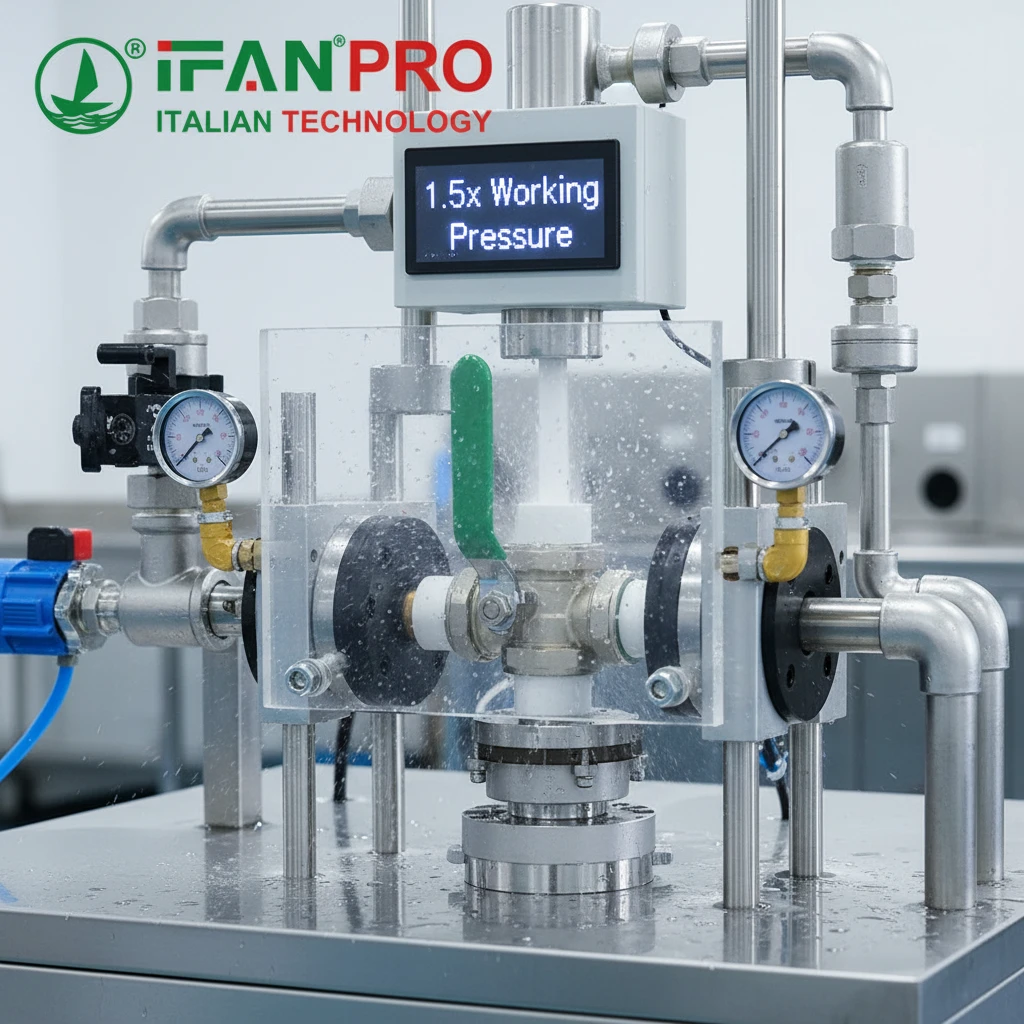
A top-tier valve manufacturer implements a multi-stage quality control system that includes incoming material inspection, in-process production checks, and final assembly testing. They use calibrated testing equipment to verify pressure ratings, dimensional accuracy, and operational smoothness on every production batch.
The Three Pillars of Quality Control
Quality cannot be inspected into a product at the end of the line. It must be built in throughout the process. Effective manufacturers follow a three-stage approach.
1. Incoming Quality Control (IQC)
The process starts before production begins. Raw materials, especially PPR compounds, must meet strict specifications. A reputable manufacturer tests each incoming batch of material for:
- Melt flow index (MFI) to ensure consistent processing
- Thermal stability
- Impact resistance
- Color consistency
If they accept substandard raw materials, the final product will fail regardless of how well they manufacture it.
2. In-Process Quality Control (IPQC)
During production, inspectors check parameters at key stages. For valve manufacturing, this includes:
- Injection molding parameters (temperature, pressure, cycle time)
- Dimensional checks on critical sealing surfaces
- Visual inspection for defects like flash, sink marks, or voids
- Assembly torque verification for moving parts
This stage catches problems early, before they create大量 defective products.
3. Final Quality Control (FQC) and Testing
Before packaging, finished valves undergo rigorous testing. This is where the manufacturer proves the product meets specifications. Essential tests include:
- Pressure Testing: Each valve should hold specified pressure without leakage. Many top manufacturers test 100% of production, not just samples.
- Cycle Testing: For valves with moving parts, they verify operational smoothness through multiple open-close cycles.
- Dimensional Verification: Critical dimensions, especially sealing surfaces and connection points, must match drawings exactly.
- Visual Inspection: Cosmetic defects that affect branding or customer perception are rejected.
Key Testing Standards and Methods
The following table summarizes critical tests for PPR valves:
| Test Type | What It Verifies | Typical Standard | Frequency |
|---|---|---|---|
| Hydrostatic Pressure Test | Leak resistance under pressure | 1.5x working pressure for 1 hour | 100% or batch sample |
| Seat Leakage Test | Valve closure integrity | Zero visible leakage at rated pressure | 100% |
| Cycle Life Test | Durability of moving parts | 5,000-10,000 cycles without failure | Sample per mold/run |
| Dimensional Check | Compliance with design specs | ±0.1mm on critical surfaces | Sample per hour |
| Material Verification | Correct compound and additives | MFI, density, thermal analysis | Per material batch |
Documentation and Traceability
Top manufacturers maintain complete documentation. Every batch should have records of:
- Raw material certificates and test results
- In-process inspection data
- Final test results
- Traceability codes linking finished products to production date and raw material lots
This documentation protects you if problems arise later. You can identify affected batches and take targeted action.
How Does Customization Flexibility Benefit Wholesalers Serving Diverse Markets?
Different markets have different requirements. What works in Southeast Asia may fail in Russia. Wholesalers need partners who can adapt.
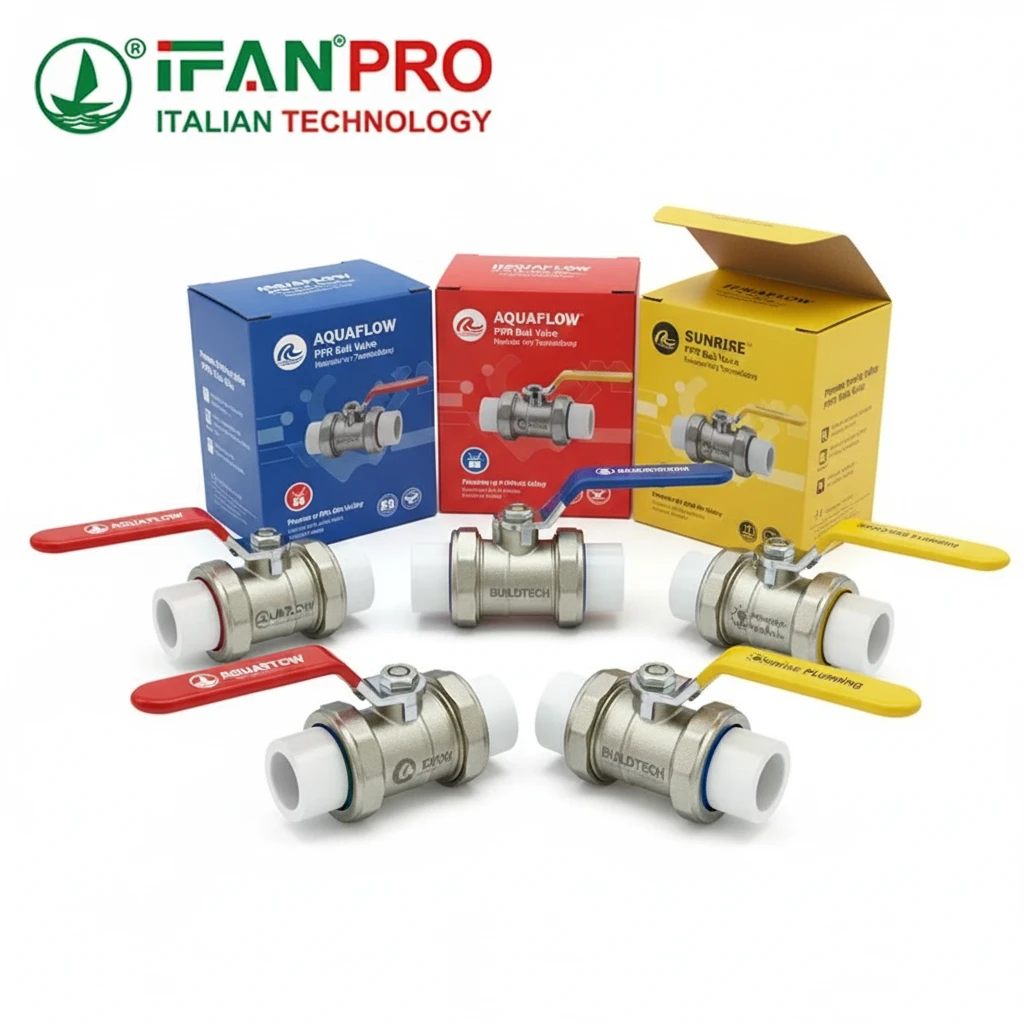
Customization flexibility allows wholesalers to serve multiple markets with tailored products without maintaining relationships with dozens of suppliers. A single ODM partner can modify products for regional standards, create custom branding, adjust packaging for local preferences, and develop unique specifications that differentiate wholesalers from competitors.
Types of Customization That Create Value
A flexible manufacturer offers customization across several dimensions.
1. Branding and Packaging Customization
This is the most basic level but critically important. Wholesalers need:
- Custom logo molding on products
- Private label packaging with their brand
- Instruction sheets in local languages
- Packaging that meets regional retail requirements
A top manufacturer integrates these into their standard process, not as a special exception.
2. Technical Specification Customization
Different markets have different standards. For example:
- Russian Market: Requires GOST certifications and often prefers higher wall thickness for freeze resistance.
- European Market: Demands CE marking and compliance with EN standards.
- Middle Eastern Markets: Often need higher temperature ratings for hot climates.
- North American Markets: May require ASTM or NSF certifications.
A capable ODM partner can adjust material formulations, dimensional specifications, and testing protocols to meet these varying requirements.
3. Product Feature Customization
Beyond standards, wholesalers can differentiate through unique features:
- Special handle designs for easier operation
- Color-coded components for different applications
- Integrated mounting features for specific installations
- Modified flow characteristics for particular systems
The Business Case for Customization
The table below shows how customization creates competitive advantages:
| Customization Type | Wholesaler Benefit | Market Impact |
|---|---|---|
| Private Branding | Build brand equity; customers return to you, not the factory. | Higher margins; customer loyalty. |
| Region-Specific Compliance | Access regulated markets without secondary modifications. | Expanded market reach; faster market entry. |
| Differentiated Features | Stand out from competitors selling identical generic products. | Premium pricing; preferred supplier status. |
| Custom Packaging | Meet specific retail requirements; reduce on-site repackaging. | Lower handling costs; better shelf presence. |
| Bundled Solutions | Offer complete system packages, not just components. | Larger order values; simplified customer purchasing. |
Practical Advice for Managing Customization
Based on IFAN’s experience working with wholesalers worldwide, here are key recommendations:
- Start with Standards: Begin with modifications to existing designs before developing entirely new products.
- Document Everything: Create clear specifications with drawings, photos, and written descriptions.
- Confirm Samples: Never approve production based on descriptions alone. Approve physical samples.
- Plan for Lead Times: Custom products require additional time for mold making and testing. Build this into your timeline.
- Protect Your Intellectual Property: Use non-disclosure agreements and consider mold ownership contracts.
Why Is Production Capacity and Lead Time Management Crucial for Partners?
A delayed shipment can shut down a construction site. I’ve watched wholesalers lose their best customers because a supplier couldn’t deliver on time.
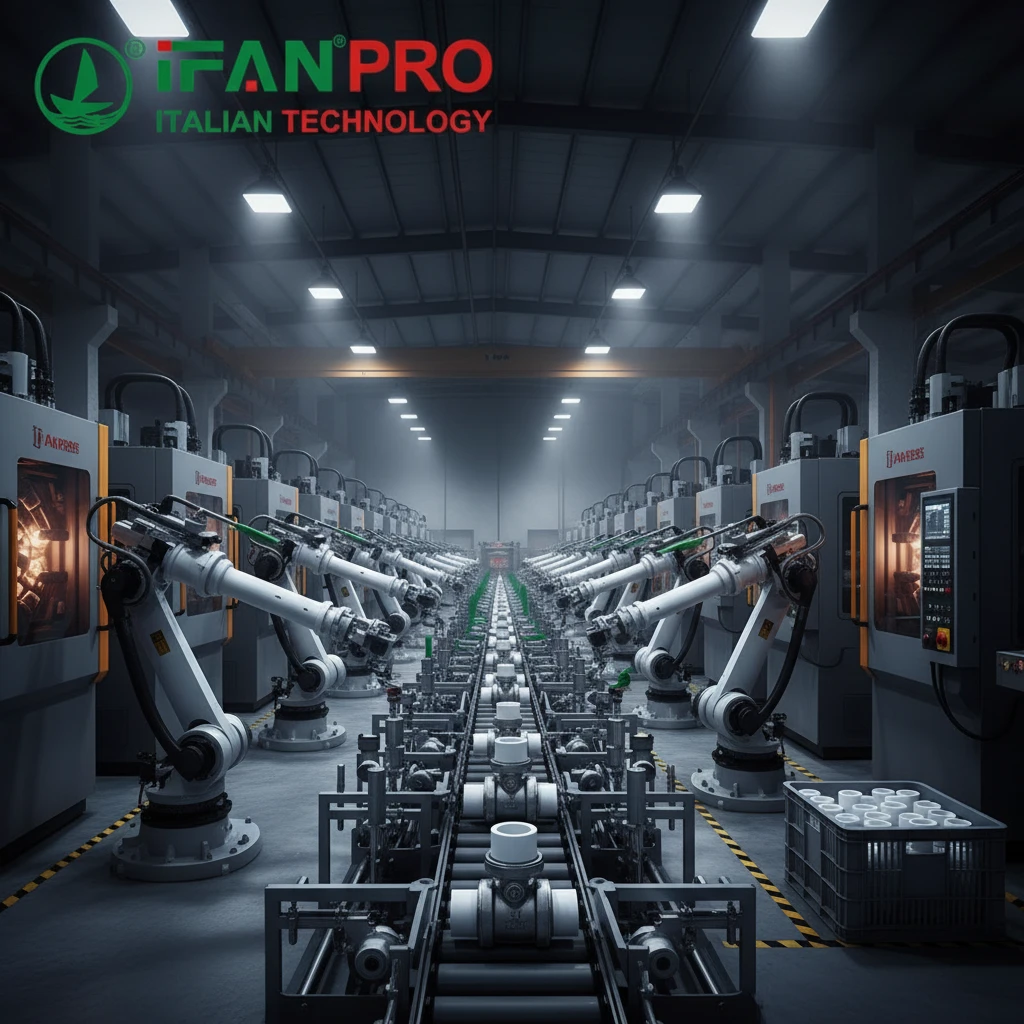
Production capacity and lead time management determine whether you can serve your customers reliably. A top manufacturer maintains sufficient capacity for peak seasons, communicates proactively about potential delays, and has contingency plans for equipment failures or material shortages. They treat your deadlines as their deadlines.
Understanding Capacity and Its Limits
Every factory has maximum output. The key is finding a partner whose capacity aligns with your needs.
1. Production Volume Capability
Ask potential partners about:
- Monthly production capacity in units or tons
- Number of injection molding machines and their sizes
- Shift schedules (single shift, multiple shifts, or 24/7 operation)
- Maximum order size they have handled previously
A factory running at 95% capacity cannot handle urgent orders. A factory with reserve capacity can accommodate your growth.
2. Lead Time Components
Understand what goes into the lead time they quote:
- Raw Material Procurement: Do they stock materials, or must they order for each production run?
- Mold Availability: Are molds dedicated to your products, or shared with other customers?
- Production Scheduling: How far in advance do they schedule production?
- Quality Control Time: How long does testing take before products ship?
- Logistics Coordination: How quickly can they arrange shipping once products are ready?
Common Lead Time Risks and Mitigation
The following table outlines risks and practical solutions:
| Risk Factor | Why It Causes Delays | How to Mitigate |
|---|---|---|
| Material Shortages | Factory waits for raw material delivery. | Discuss material stocking programs; approve alternative sources. |
| Machine Breakdown | Production stops for repairs. | Choose factories with redundant capacity; ask about maintenance programs. |
| Peak Season Overload | All customers order at the same time. | Forecast your needs; book production slots in advance. |
| Quality Rework | Products fail inspection and must be remade. | Clarify requirements upfront; approve samples before mass production. |
| Holiday Closures | Factories shut down for weeks. | Plan around Chinese New Year and other major holidays. |
Building a Partnership for Reliable Delivery
Beyond capacity numbers, successful wholesalers build relationships that prioritize their shipments. Based on IFAN’s experience, these practices help:
1. Share Forecasts Regularly
Provide rolling forecasts of expected orders. Even if forecasts change, they give the factory visibility to plan materials and schedule production. A partner who knows your expected volume can reserve capacity for you.
2. Communicate Early About Changes
If you need to accelerate an order, tell the factory as early as possible. Last-minute rushes create stress and risk mistakes. Early communication allows them to adjust schedules proactively.
3. Visit During Production
If possible, visit during actual production of your order, not just during sales meetings. This shows the factory you are serious about monitoring performance. It also allows you to spot potential issues before they become problems.
4. Build Relationships with Multiple Contacts
Don’t rely on a single salesperson. Know the production manager, the quality manager, and the logistics coordinator. When problems arise, having multiple contacts helps you get answers quickly.
Red Flags in Capacity and Lead Time
Be wary of suppliers who:
- Promise impossibly short lead times without explanation
- Cannot clearly explain their production schedule
- Have no system for tracking order status
- Avoid discussing their current workload
- Have no contingency plans for common problems
A transparent partner will openly discuss their limitations and work with you to find solutions.
Conclusion
Choosing the right OEM/ODM partner transforms your business from a product reseller into a branded solutions provider. IFAN’s comprehensive valve manufacturing capabilities include in-house engineering, rigorous quality testing, flexible customization, and reliable production capacity to support wholesale partners worldwide.

 Français
  English
  Русский
  Español
Commentaires récents