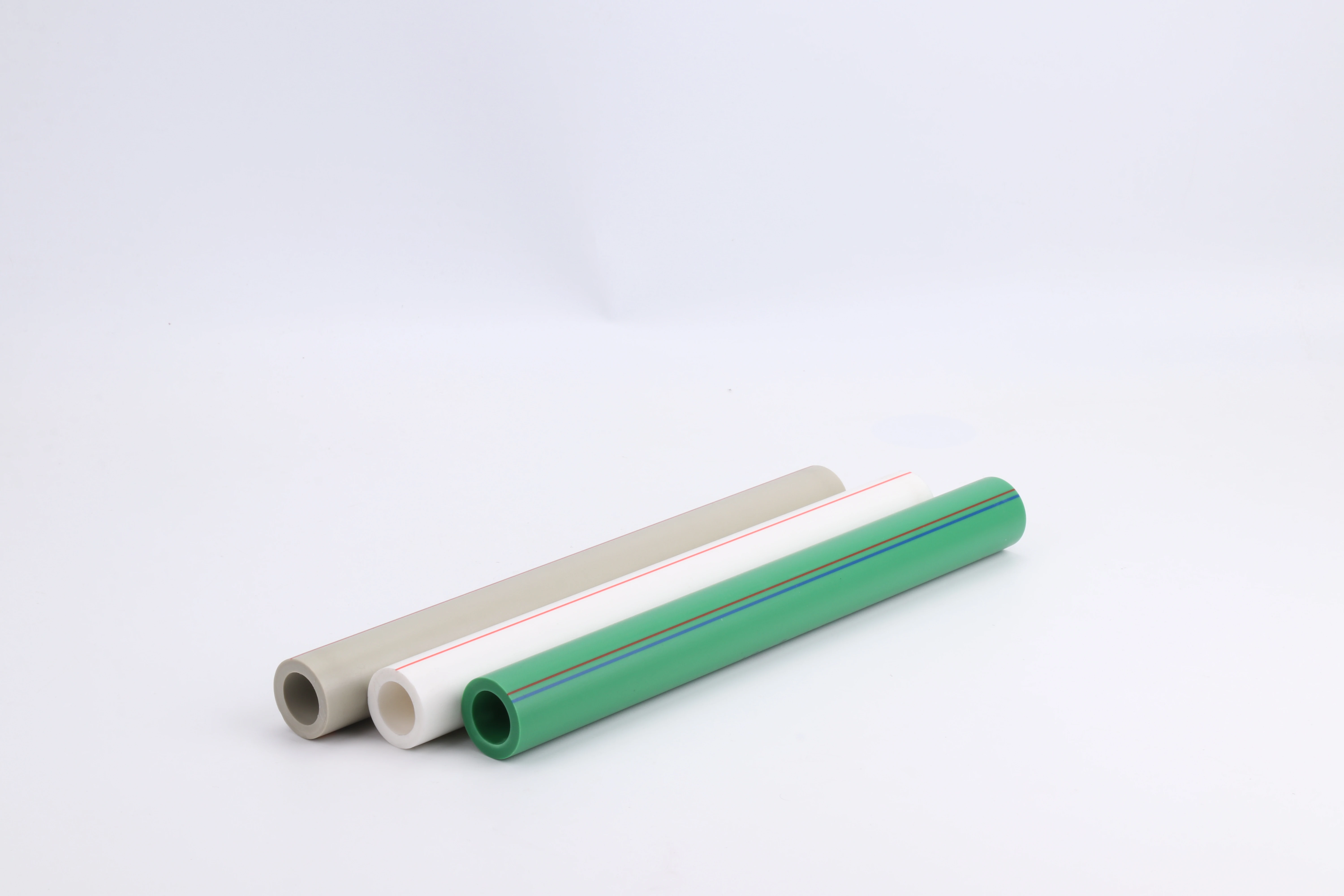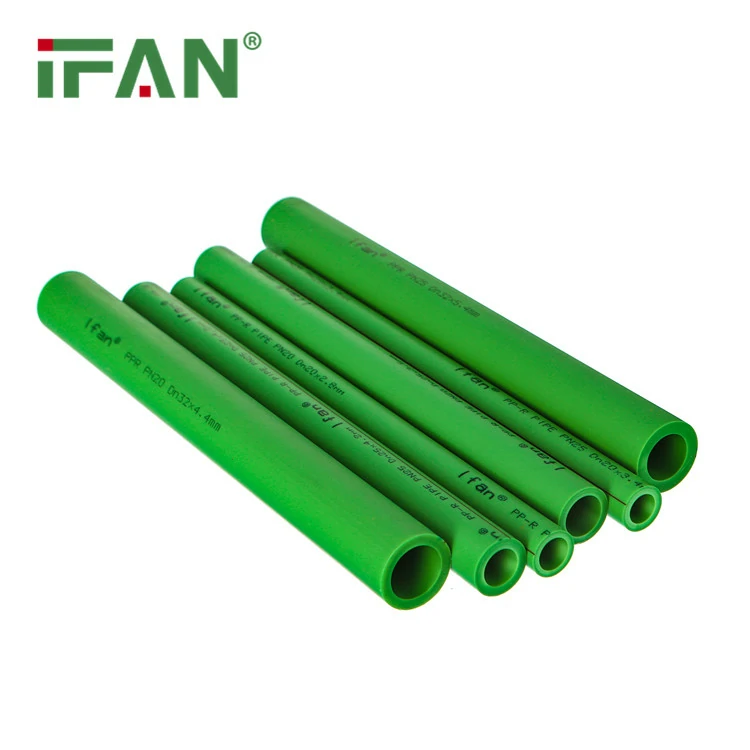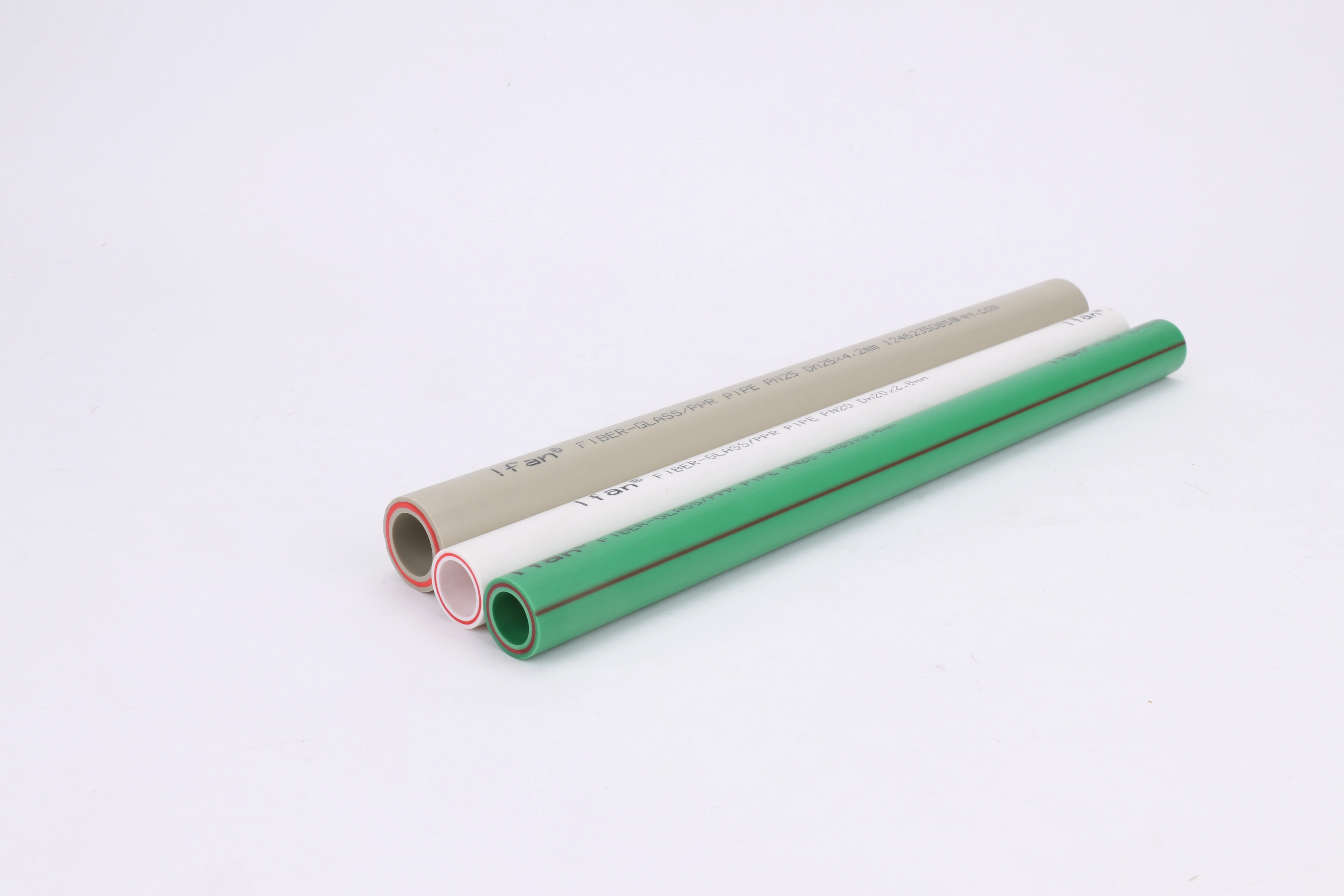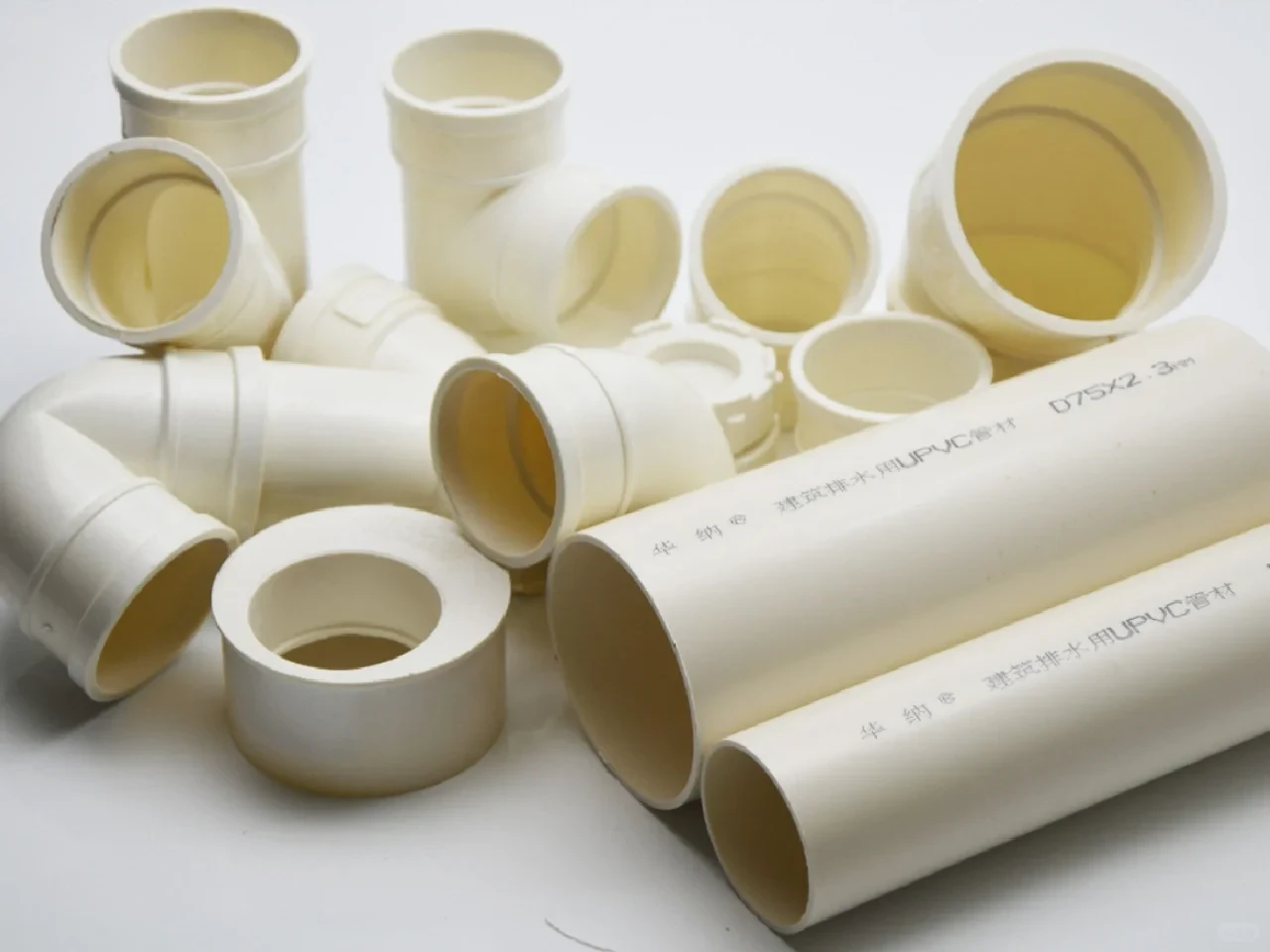
ppr pipe

What Makes PP-R Ideal for Compressed Air Lines?

As someone who has worked with various piping systems, I need to address a critical safety concern upfront. While this article explores PP-R’s theoretical advantages for compressed air, most manufacturers explicitly prohibit this application due to safety risks. My professional experience confirms that specialized materials better serve compressed air systems. PP-R pipes offer certain theoretical […]
What Makes PP-R Ideal for Compressed Air Lines? Read More »

Is PP-R Pipe Safe for Compressed Air Systems?

I have witnessed multiple workshop accidents resulting from failed plastic pipes in compressed air systems. Although PP-R performs excellently in water applications, compressed air presents completely different challenges that many installers only understand after accidents occur. The safety implications are too significant to ignore. Manufacturers do not recommend PP-R pipe for compressed air systems due

Is PP-R Pipe Safe for Compressed Air Systems? Read More »

Can PPR Pipe Be Threaded?

PPR pipe can be threaded, but it requires specific techniques and considerations. Understanding when and how to thread PPR pipes is crucial for successful plumbing installations. What Is PPR Pipe Threading? Threading PPR pipes involves cutting external or internal threads to create connections. Unlike metal pipes, PPR requires specialized tools and methods due to its

Can PPR Pipe Be Threaded? Read More »

What is PN 16 in PPR Pipe?

PN 16 represents the pressure rating of PPR (Polypropylene Random Copolymer) pipes. This designation indicates the maximum working pressure the pipe can handle at 20°C (68°F). Understanding PN 16 Pressure Rating PN stands for “Pressure Nominal” in European standards. The number 16 means the pipe can withstand 16 bar (approximately 232 PSI) of water pressure

What is PN 16 in PPR Pipe? Read More »

fr_FRFrançais

Nous acceptons les échantillons gratuits, veuillez nous contacter le plus rapidement possible !

IFAN depuis 1993, offre PPR, PEX, PVC, HDPE, raccords en laiton, vannes en laiton, robinets en laiton, etc.