

I once visited a client’s factory where a tiny leak from a poorly made fitting had shut down an entire production line for two days. The cost was enormous, and it was entirely preventable.
The secret behind bubble-tight stainless steel cross tees lies in their direct female thread connections, precision machining, and high-quality materials. Unlike standard fittings that rely on separate components or sealants, these integrated designs create a permanent, leak-proof barrier that withstands high pressure and temperature without degradation.
Let’s explore how upgrading your fittings can eliminate leaks and save you money.
Common Causes and Hidden Dangers of Pipe System Leaks
Small leaks seem harmless at first, but I’ve learned they never stay small for long. A drip today becomes a flood tomorrow.
The most common causes of pipe system leaks include poor thread engagement, incompatible materials, temperature fluctuations, and vibration. The hidden dangers extend beyond water damage to include mold growth, structural weakening, costly downtime, and potential safety hazards from high-pressure failures.

Why Leaks Happen
Leaks don’t just appear randomly. They follow predictable patterns based on system design and component quality.
1. Poor Thread Design: Many standard fittings use tapered threads that rely on pipe dope or Teflon tape to seal. This approach depends heavily on the installer’s skill. Too much tape, too little sealant, or cross-threading creates immediate leak paths. Over time, thermal cycling causes these temporary seals to relax and fail.
2. Material Mismatch: Mixing metals with different expansion rates creates problems. Brass and steel expand at different rates when heated. This movement breaks the seal at the thread interface. For stainless steel systems, using compatible stainless fittings ensures uniform expansion.
3. Vibration and Movement: Pipes in industrial settings constantly vibrate from pumps and flow. Standard connections eventually loosen. Threads wear down, and sealants crack under repeated stress.
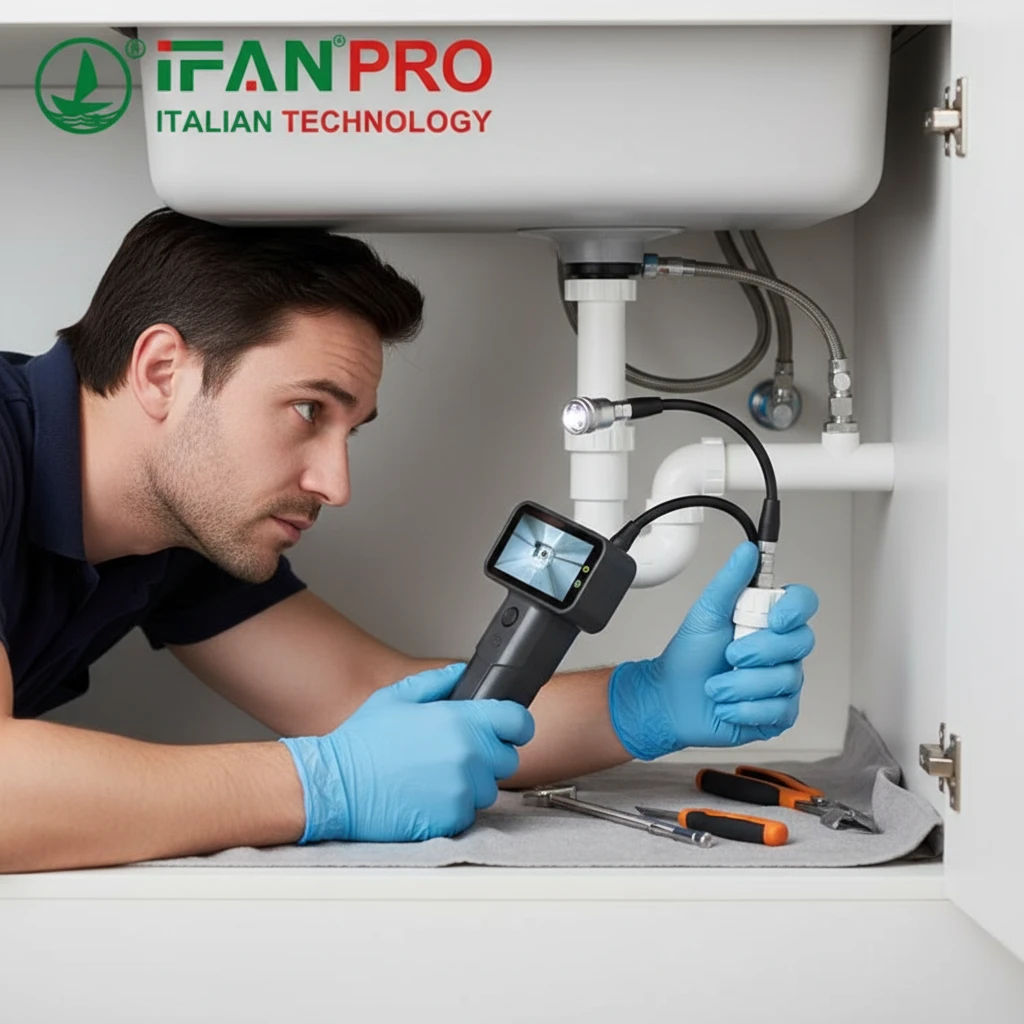
4. Installation Errors: I’ve seen countless leaks from simple mistakes. People overtighten fittings and crack the body. They undertighten and leave gaps. They use the wrong tools and damage sealing surfaces.
The Real Cost of Leaks
The table below shows what a small leak actually costs over time:
| Leak Size | Daily Water Loss | Monthly Cost (Water) | Potential Damage Cost |
|---|---|---|---|
| Drip (1 drop/second) | 5-10 gallons | $15-30 | Minor staining, small repairs |
| Trickle (1/8″ stream) | 200-400 gallons | $600-1200 | Drywall damage, mold remediation |
| Steady Stream | 1000+ gallons | $3000+ | Structural damage, production stoppage |
Beyond water costs, a single leak can shut down production. For a manufacturing client of ours in Southeast Asia, a pinhole leak in a stainless line cost them $50,000 in lost production time and rushed repairs. The fitting itself cost $4.
Identifying High-Risk Areas
Certain parts of your system demand extra attention. These include:
- Connection points between different materials
- Areas near pumps or equipment with vibration
- Sections exposed to temperature extremes
- Joints that were assembled in tight spaces
Understanding these risks is the first step toward eliminating them. The solution lies in choosing the right connection method.
Direct Female Thread Connections: The Key to Bubble-Tight Seals
After years of specifying fittings for clients worldwide, I’ve found that connection design matters more than anything else.
Direct female thread connections create bubble-tight seals because they integrate the sealing surface directly into the fitting body. This eliminates the need for separate sealing components that can fail. The threads themselves are precision-machined to create metal-to-metal contact that blocks any possible leak path.

Understanding Direct Female Threads
The term “direct female thread” means the threads are cut directly into the stainless steel body of the fitting. There is no insert, no separate ring, and no additional part. This design offers several distinct advantages.
First, it removes potential failure points. Every separate component in a traditional fitting is a place where leaks can start. Gaskets dry out and crack. O-rings roll out of position. Sealants degrade over time. With direct threads, you have one solid piece of metal.
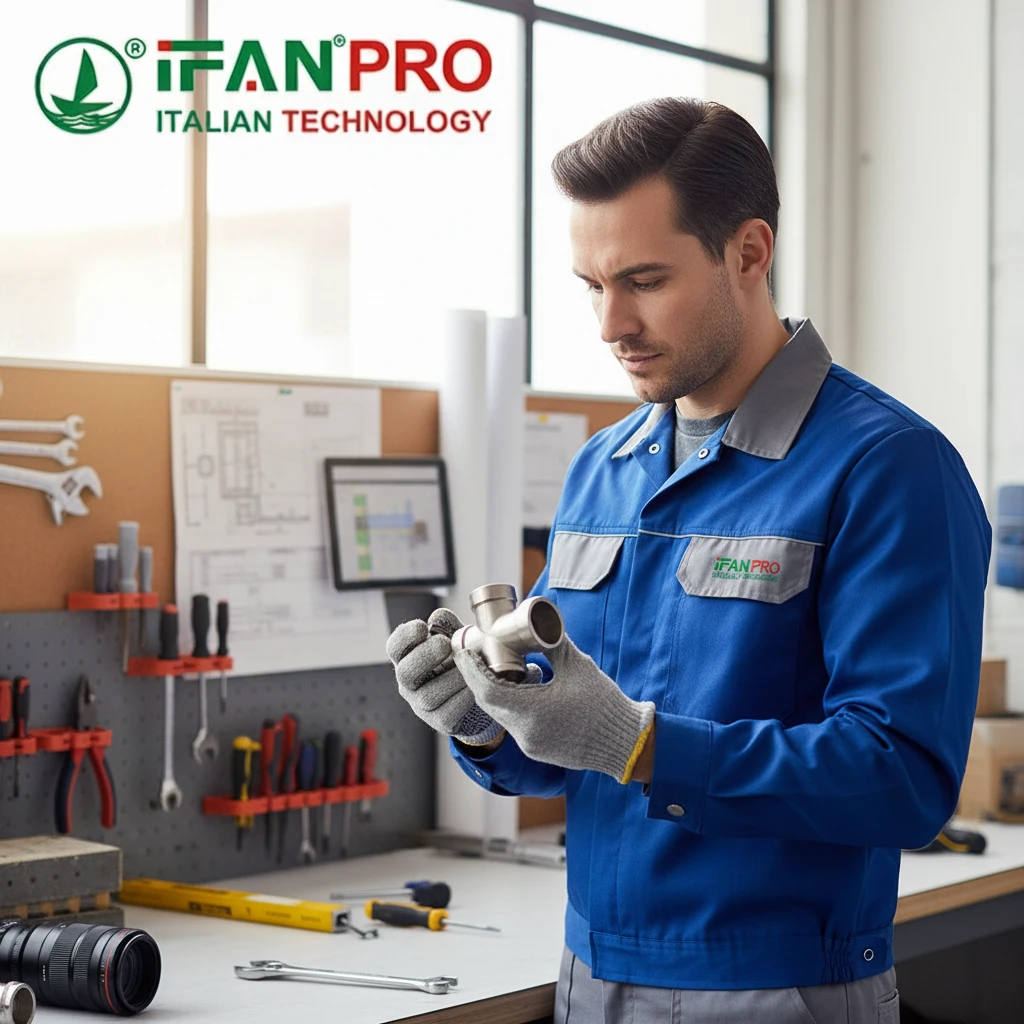
Second, it ensures consistent quality. The threads are machined at the factory under controlled conditions. They meet precise specifications for depth, pitch, and finish. This consistency means every fitting performs exactly as designed.
Third, it provides superior mechanical strength. The threads engage fully with the mating pipe, distributing stress evenly across the connection. This prevents the localized stress concentrations that cause cracking.
How Direct Threads Create the Seal
The sealing mechanism works through thread interference. When you properly engage male and female threads, the flanks of the threads press tightly against each other. This metal-to-metal contact creates a labyrinth path that water cannot follow.
For bubble-tight performance, the thread surfaces must be:
- Smooth enough to allow full contact
- Clean and free from debris
- Properly lubricated to prevent galling
- Engaged to the correct depth
The table below compares different connection methods:
| Connection Type | Sealing Method | Failure Points | Lifespan |
|---|---|---|---|
| Direct Female Thread | Metal-to-metal contact | None | 50+ years |
| Compression Fitting | Ferrule compression | Ferrule deformation, nut loosening | 15-25 years |
| Soldered Joint | Solder adhesion | Flux residue, thermal stress | 20-40 years |
| Thread + Sealant | Pipe dope or tape | Sealant degradation | 5-15 years |
Practical Tips for Installation
To get the best results from direct female thread fittings, follow these guidelines:
Clean all threads thoroughly before assembly. Even small particles can prevent proper metal contact.
Apply appropriate anti-seize compound. This prevents galling (cold welding) between stainless steel threads.
Tighten to the manufacturer’s recommended torque. Too loose and the threads won’t engage fully. Too tight and you risk cracking the fitting.
Use the right tools. Strap wrenches or proper pipe wrenches protect the fitting surface.
For a Russian client who processed chemicals at high pressure, switching to direct female thread stainless fittings eliminated their recurring quarterly maintenance problem. They haven’t had a leak in three years.
Handling Harsh Environments: 16 Bar Pressure and Wide Temperature Range
Industrial environments punish weak components. I’ve seen standard fittings fail under conditions that quality stainless steel handles easily.
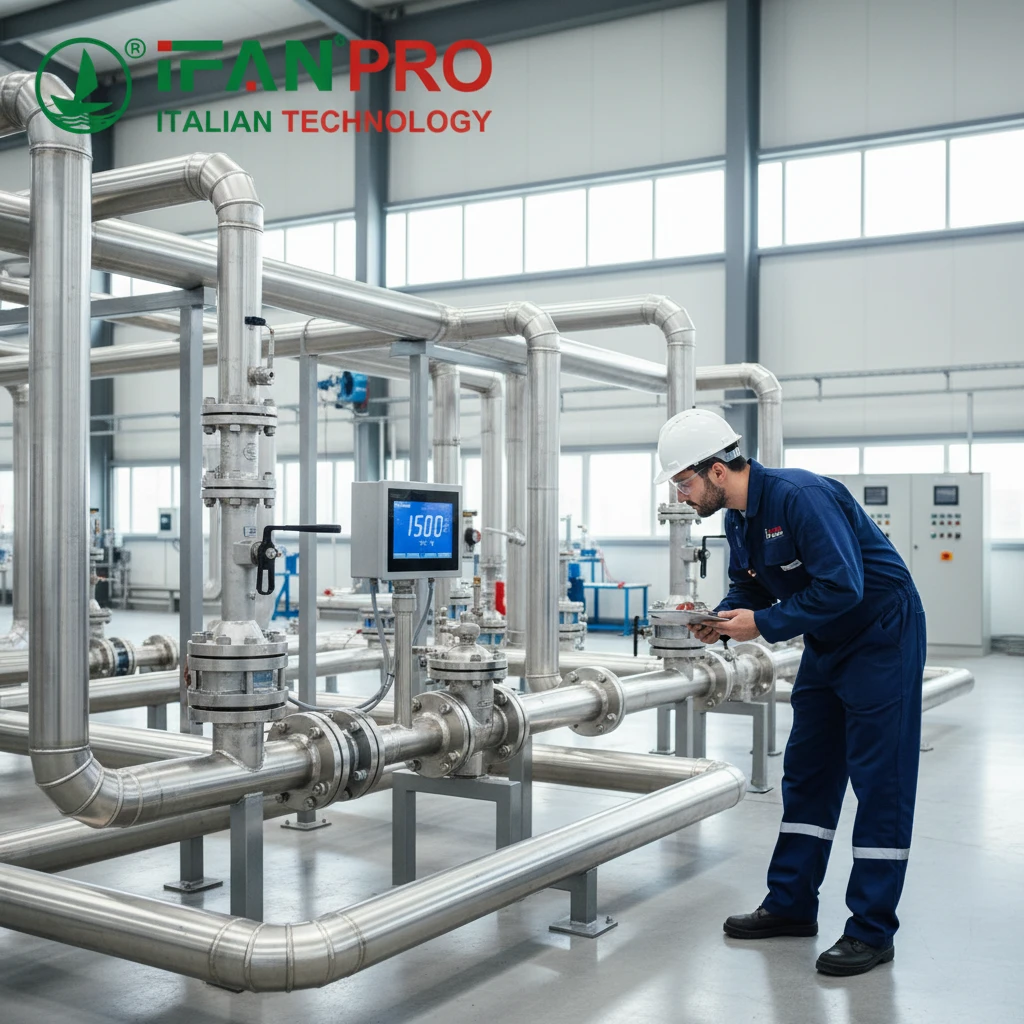
Stainless steel cross tees with direct female threads excel in harsh environments because the material itself provides inherent strength and corrosion resistance. They maintain bubble-tight seals at pressures up to 16 bar and across wide temperature ranges without degrading, unlike plastic or plated steel alternatives.

Pressure Performance at 16 Bar
Sixteen bar (approximately 232 PSI) represents serious pressure. At this level, even small seal failures become dangerous jets of water or process fluid.
Standard fittings often handle pressure through temporary means. A rubber gasket might seal at low pressure but extrude out at high pressure. Teflon tape can blow out. Plastic fittings may creep and deform over time.
Stainless steel direct thread fittings handle pressure differently. The strength comes from the metal itself. The 304 or 316 stainless steel commonly used in these fittings has tensile strength far exceeding the forces at 16 bar. The threads distribute this force evenly across the connection.
The pressure rating depends on several factors:
- Wall thickness of the fitting
- Thread engagement length
- Material grade
- Temperature of operation
Quality manufacturers test their fittings to confirm pressure ratings. IFAN’s stainless fittings undergo hydrostatic testing at 1.5 times rated pressure to ensure safety margins.
Temperature Challenges
Temperature changes cause materials to expand and contract. In a piping system, this movement stresses every connection.
At high temperatures: Materials soften. Plastic fittings lose strength. Rubber seals harden and crack. Stainless steel maintains its properties up to much higher temperatures, typically 400°C or more before significant degradation.
At low temperatures: Materials become brittle. Plastics can shatter on impact. Some metals lose ductility. Stainless steel retains toughness even at sub-zero temperatures, making it suitable for outdoor applications in cold climates.
Thermal cycling: This is the real killer. Every time the system heats up and cools down, components move. Connections that rely on sealants or gaskets eventually work loose or crack. The metal-to-metal contact of direct threads moves as one unit, maintaining the seal through countless cycles.
The table below shows material performance across conditions:
| Material | Max Pressure (at 20°C) | Max Temp | Low Temp Limit | Chemical Resistance |
|---|---|---|---|---|
| 304 Stainless Steel | 16+ bar | 400°C | -50°C | Excellent |
| 316 Stainless Steel | 16+ bar | 400°C | -50°C | Superior (chlorides) |
| Brass | 10-12 bar | 150°C | -20°C | Good |
| PP-R Plastic | 8-10 bar | 80°C | 0°C | Good |
| Galvanized Steel | 12-14 bar | 200°C | -10°C | Poor (corrodes) |
Real-World Applications
We’ve supplied stainless cross tees to clients in demanding environments:
Middle Eastern desalination plants: High temperatures, saltwater exposure, and continuous operation. Stainless handles conditions that would destroy other materials in months.
Russian industrial facilities: Freezing winters and high-pressure steam systems. The wide temperature tolerance ensures reliability year-round.
Southeast Asian food processing: Frequent cleaning with aggressive chemicals. Stainless resists corrosion while maintaining sanitary conditions.
For a client in Africa running a high-pressure water system for mining operations, switching to 16-bar rated stainless fittings eliminated their weekly leak repairs entirely.
Long-Term Investment: Upgrading to Fittings with a 10+ Year Lifespan
I often tell clients that cheap fittings are the most expensive choice. The upfront savings disappear quickly when repairs start.
Upgrading to high-quality stainless steel fittings with a 10+ year lifespan represents smart long-term investment. The higher initial cost pays for itself through eliminated maintenance, reduced downtime, and avoided damage from leaks. Over a decade, the total cost of ownership is significantly lower than with standard fittings.

Calculating True Cost
Most buyers focus on purchase price. They see a $5 stainless fitting and a $2 brass fitting and choose the cheaper option. This ignores everything that happens after installation.
The true cost equation includes:
- Purchase price
- Installation labor
- Maintenance frequency and cost
- Downtime cost when failures occur
- Repair or replacement cost
- Potential damage from leaks
Let’s work through an example for a system with 100 fittings.
Scenario A: Standard Fittings
- Initial cost: $2 × 100 = $200
- Installation: $1000
- Yearly maintenance (10 fittings replaced): $200 parts + $500 labor = $700
- One major leak repair over 10 years: $5000
- 10-year total: $200 + $1000 + ($700 × 10) + $5000 = $13,200
Scenario B: Quality Stainless Fittings
- Initial cost: $5 × 100 = $500
- Installation: $1000
- Yearly maintenance: $0 (no failures)
- Major leaks: $0
- 10-year total: $500 + $1000 = $1500
The stainless option saves over $11,000 in this example. And this doesn’t account for the frustration of emergency repairs or the risk of major damage.
Beyond Cost: Other Benefits
The advantages of quality fittings extend beyond pure economics.
Peace of mind: Once installed, you don’t worry about them. They simply work, year after year.
Predictable operation: Production schedules stay on track. No emergency shutdowns for unexpected leaks.
Better resale value: Facilities with quality components command higher prices.
Environmental responsibility: Fewer leaks mean less water waste and fewer replacement materials in landfills.
What to Look For
When upgrading to long-life stainless fittings, consider these factors:
| Feature | Why It Matters | What IFAN Offers |
|---|---|---|
| Material Grade | Determines corrosion resistance | 304 and 316 stainless options |
| Thread Precision | Ensures proper sealing | Precision-machined threads |
| Wall Thickness | Affects pressure rating | Full-spec thickness |
| Surface Finish | Impacts cleaning and appearance | Smooth, sanitary finish |
| Certifications | Confirms quality standards | ISO, CE, and other certifications |
Making the Switch
Upgrading doesn’t have to happen all at once. A practical approach:
Start with critical systems. Identify applications where a leak would cause the most damage. Upgrade these first.
Standardize where possible. Using the same fittings throughout simplifies inventory and training.
Document the savings. Track maintenance costs before and after upgrading. The numbers will convince anyone.
One of our European clients began upgrading their most problematic lines with IFAN stainless fittings. Within two years, they had eliminated their plumbing maintenance budget entirely and expanded the upgrade to their entire facility.
Conclusion
Bubble-tight stainless steel cross tees with direct female thread connections eliminate leaks, handle harsh conditions, and provide decades of reliable service. For guaranteed performance, choose IFAN’s precision stainless steel fittings and say goodbye to leaks forever.










 Français
  English
  Русский
  Español
Commentaires récents