
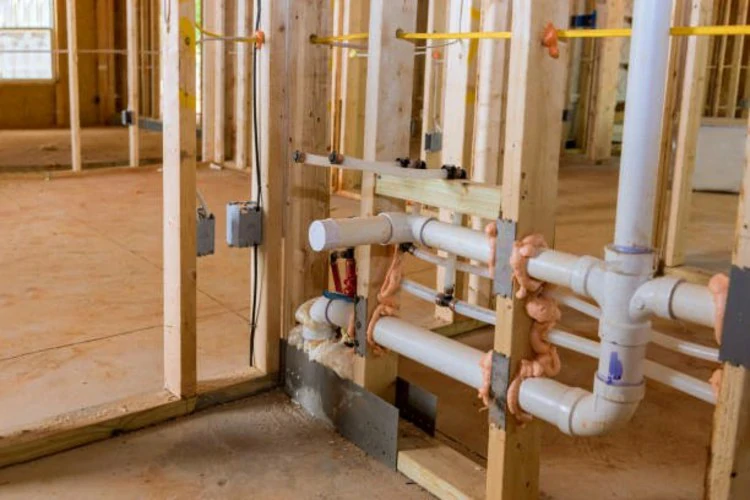
Unveiling the Differences Between PVC and Metal Pipes
Introduction to PVC and Metal Plumbing
When it comes to plumbing systems, both PVC (Polyvinyl Chloride) and metal pipes are commonly used for various applications. While each type of pipe has its own set of advantages and disadvantages, understanding the differences between PVC and metal plumbing is essential for making informed decisions in construction and renovation projects. This section provides a comprehensive comparison of PVC and metal pipes in terms of their characteristics and applications.
Material Composition
PVC Pipes: PVC pipes are made from a synthetic plastic polymer called polyvinyl chloride. These pipes are known for their lightweight nature and corrosion resistance. PVC pipes are available in a wide range of sizes and configurations, making them suitable for various plumbing applications, including water supply, drainage, and irrigation.
Metal Pipes: Metal pipes, on the other hand, are typically made from materials such as copper, steel, or galvanized iron. While metal pipes offer superior strength and durability, they are prone to corrosion and rust over time, especially when exposed to moisture and aggressive substances. Metal pipes are commonly used in industrial settings and for high-pressure applications where strength and reliability are paramount.
Corrosion Resistance
PVC Pipes: One of the key advantages of PVC pipes is their inherent resistance to corrosion and rust. Unlike metal pipes, PVC pipes do not corrode or degrade when exposed to moisture, chemicals, or environmental elements. This makes PVC plumbing ideal for use in environments where corrosion is a concern, such as underground installations and corrosive fluid conveyance.
Metal Pipes: Metal pipes, particularly those made from steel or iron, are susceptible to corrosion, especially in environments with high humidity or chemical exposure. Corrosion can weaken metal pipes over time, leading to leaks, pipe failures, and costly repairs. While corrosion-resistant coatings can be applied to metal pipes to mitigate this issue, they add to the overall cost and maintenance requirements of the plumbing system.
Installation and Handling
PVC Pipes: PVC pipes are lightweight and easy to handle, making them simpler and less labor-intensive to install compared to metal pipes. PVC pipes can be easily cut, joined, and configured using simple tools and techniques, reducing installation time and costs. Additionally, the smooth interior surface of PVC pipes promotes efficient fluid flow and minimizes friction losses within the pipeline.
Metal Pipes: Metal pipes are heavier and more rigid than PVC pipes, requiring specialized tools and equipment for installation. Cutting and joining metal pipes can be challenging, especially for larger diameters or thicker wall thicknesses. Furthermore, the metallic properties of metal pipes can contribute to increased friction losses and pressure drop in the plumbing system.
Cost Considerations
PVC Pipes: PVC plumbing systems are generally more cost-effective than metal plumbing systems. PVC pipes offer cost-efficient plumbing solutions due to their lower material costs, ease of installation, and minimal maintenance requirements. Their long-term durability and corrosion resistance further contribute to cost savings by minimizing repair and replacement needs.
Metal Pipes: While metal pipes offer superior strength and durability, they tend to be more expensive than PVC pipes, especially for larger diameter or specialized alloys. The higher material costs, coupled with the additional expenses associated with installation, corrosion protection, and maintenance, can significantly impact the overall cost of metal plumbing systems.
Conclusion
Both PVC and metal pipes have their own unique characteristics and applications in plumbing systems. While PVC pipes offer lightweight construction, corrosion resistance, and cost-effectiveness, metal pipes provide superior strength and durability. Choosing between PVC and metal plumbing depends on project-specific requirements, including budget, environmental conditions, and performance expectations. Understanding the differences between these materials enables engineers, contractors, and property owners to make informed decisions for successful plumbing installations.
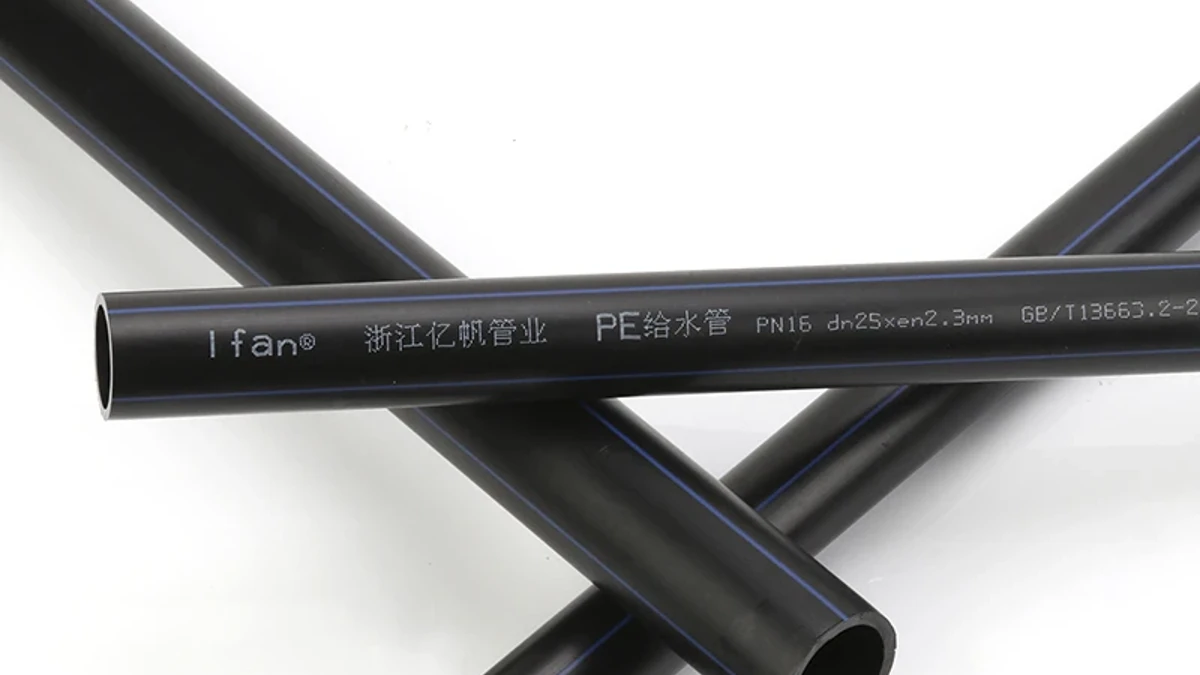
IFAN is a Chinese manufacturer of plastic pipes, fittings and valves with 30 years of experience. If you are interested in IFAN Raccords en cuivre, vannes en cuivre, tuyaux et raccords en plastique, veuillez nous contacter. IFAN offers you a variety of standard pipes to meet your specific needs. Click below to learn more about IFAN’s wide range of affordable and cost-effective valve products and piping system related products.
We will reply your email or fax within 24 hours.
You can call us at any time if there is any question on our production.
For more information,pls visit our webside https://ifanpro.com/
Veuillez envoyer un courrier à l'adresse suivante [email protected]
Whatsapp : + 86 19857948982






 Français
  English
  Русский
  Español
Commentaires récents