
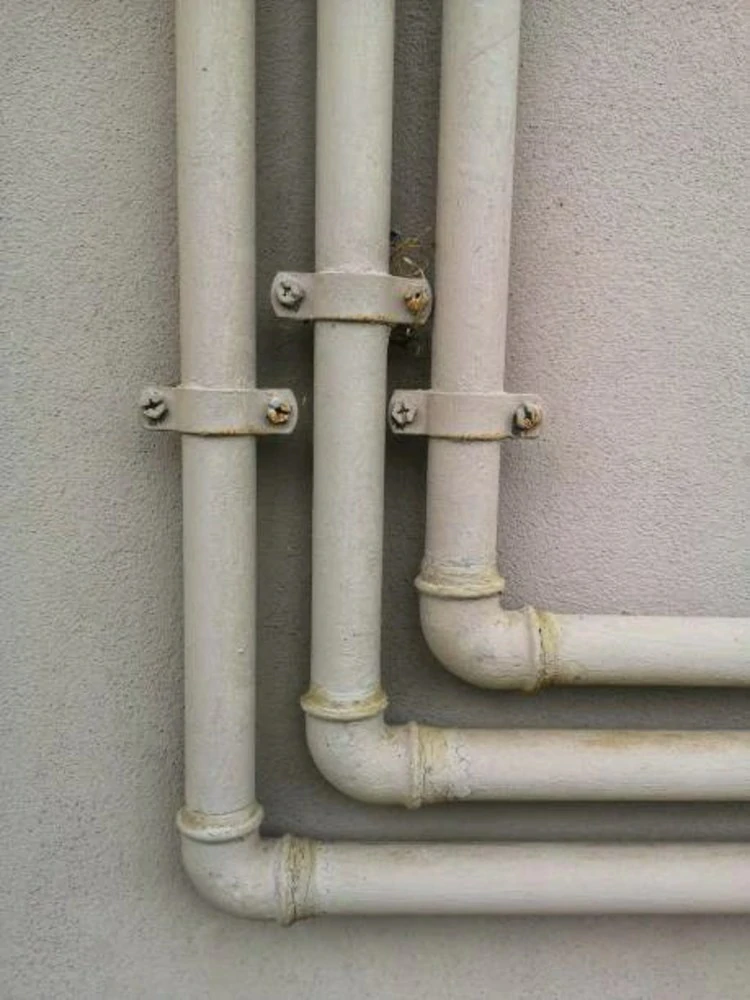
Introduction to PVC Piping Connection
PVC piping is a popular choice for various applications due to its durability, affordability, and versatility. Connecting PVC pipes effectively is crucial for ensuring the integrity and reliability of plumbing, irrigation, and other systems. This article explores different techniques and methods for connecting PVC piping.
1. Solvent Cement Welding
Solvent cement welding, also known as solvent bonding, is the most common method for joining PVC pipes and fittings. This technique creates a strong and permanent bond between the pipes and fittings. Here’s how it works:
Cleaning and Preparation:
Begin by cleaning the ends of the PVC pipes and fittings with a clean cloth to remove dirt, debris, and moisture. Ensure that the surfaces are dry and free from any contaminants.
Application of Primer:
Apply a coat of primer to the outside of the pipe and the inside of the fitting socket using a brush. The primer helps soften the PVC surfaces and improve the adhesion of the solvent cement.
Application of Solvent Cement:
Once the primer has dried, apply a generous amount of solvent cement to the primed areas of the pipe and fitting. Insert the pipe into the fitting socket and twist it slightly to ensure even distribution of the cement.
Curing Time:
Allow sufficient time for the solvent cement to cure and create a strong bond between the pipe and fitting. The curing time may vary depending on factors such as temperature, humidity, and the type of solvent cement used.
2. Threaded Connections
Threaded connections are another common method for joining PVC pipes and fittings, especially in applications where disassembly may be required. Here are the key steps involved in creating threaded connections:
Threaded Fittings:
Use threaded fittings designed specifically for PVC piping systems. These fittings feature male or female threads that allow for easy assembly and disassembly of the piping system.
Thread Sealant:
Apply a thread sealant or Teflon tape to the male threads of the pipe or fitting before assembly. The sealant helps create a tight and leak-proof seal between the threads, preventing water or air leaks.
Hand Tightening:
Hand-tighten the threaded connections until snug, ensuring that the threads are properly aligned. Avoid over-tightening, as this can damage the threads or fittings.
Final Tightening:
Use a wrench or pipe wrench to make the final adjustments and tighten the threaded connections securely. Be careful not to overtighten, as this can cause stress on the pipes and fittings.
3. Mechanical Couplings
Mechanical couplings provide a quick and easy method for joining PVC pipes without the need for solvent cement or threaded connections. Here’s how mechanical couplings work:
Insertion and Alignment:
Insert the PVC pipes into the mechanical coupling, ensuring that they are properly aligned and seated within the coupling.
Tightening Bolts:
Use the provided bolts or clamps to tighten the mechanical coupling securely around the pipes. Follow the manufacturer’s instructions for the recommended torque specifications.
Sealing Gasket:
Some mechanical couplings come with a sealing gasket or O-ring to provide a watertight seal between the pipes and coupling. Ensure that the gasket is properly seated and in good condition before tightening the bolts.
Conclusion
Properly connecting PVC piping is essential for the functionality and longevity of plumbing, irrigation, and other systems. By utilizing techniques such as solvent cement welding, threaded connections, and mechanical couplings, you can create strong and reliable joints that withstand the demands of various applications.
IFAN is a Chinese manufacturer of plastic pipes, fittings and valves with 30 years of experience. If you are interested in IFAN Raccords en cuivre, vannes en cuivre, tuyaux et raccords en plastique, veuillez nous contacter. IFAN offers you a variety of standard pipes to meet your specific needs. Click below to learn more about IFAN’s wide range of affordable and cost-effective valve products and piping system related products.
We will reply your email or fax within 24 hours.
You can call us at any time if there is any question on our production.
For more information,pls visit our webside https://ifanpro.com/
Veuillez envoyer un courrier à l'adresse suivante [email protected]
Whatsapp : + 86 19857948982










 Français
  English
  Русский
  Español
Commentaires récents