Common Issues with PVC Pipes and How to Fix Them
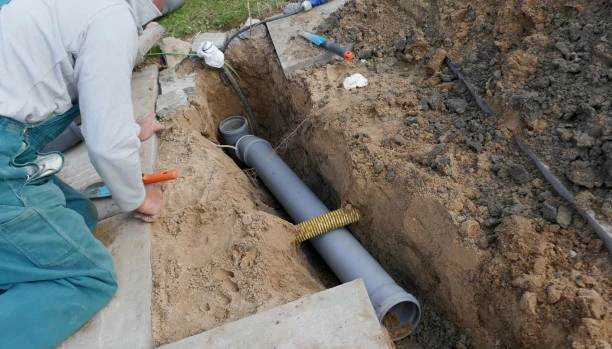
PVC pipes are popular in plumbing due to their durability and cost-effectiveness. However, they can experience common issues over time. Understanding these problems and how to fix them ensures the longevity and efficiency of your plumbing system.
Pipe Leaks
Leaks are common with PVC pipes. They can result from improper installation, physical damage, or material degradation. Leaks can cause water damage and waste water.
Identifying Leaks
Check for visible signs of water or dampness. Listen for dripping sounds. Monitor your water bill for unexplained increases.
Fixing Leaks
Turn off the water supply. Dry the area around the leak. Apply PVC pipe cement or epoxy putty. For larger leaks, replace the affected section of the pipe.
Clogging
Clogs occur when debris or mineral deposits build up inside the pipe. This can restrict water flow and cause backups.
Identifying Clogs
Slow drainage and gurgling sounds indicate clogs. In severe cases, water may back up into sinks or tubs.
Fixing Clogs
Use a plunger to dislodge the clog. Apply a chemical drain cleaner for minor clogs. For stubborn clogs, use a plumbing snake or call a professional plumber.
Cracks and Breaks
Cracks and breaks can occur due to external pressure, freezing, or aging. They compromise the integrity of the pipe and cause leaks.
Identifying Cracks and Breaks
Look for visible cracks, water stains, or damp areas. Reduced water pressure can also indicate cracks.
Fixing Cracks and Breaks
Cut out the damaged section of the pipe. Use a PVC coupling to join the new pipe section. Ensure the joints are properly sealed with PVC cement.
Joint Failures
Joint failures happen when the connections between pipes are not secure. This can cause leaks and water damage.
Identifying Joint Failures
Check for water seepage around joints. Loose or misaligned joints can also indicate a problem.
Fixing Joint Failures
Clean and dry the joint area. Apply PVC primer and cement to the joint. Press the pipes together firmly and hold until set.
Warping
Warping occurs due to exposure to high temperatures or direct sunlight. Warped pipes can lead to misalignment and leaks.
Identifying Warping
Look for bends or distortions in the pipe. Warping may cause fittings to loosen.
Fixing Warping
Replace the warped section of the pipe. Protect the new pipe from direct sunlight and excessive heat. Use insulation or paint to shield exposed pipes.
Discoloration
Discoloration indicates chemical reactions or material degradation. This can affect water quality and pipe integrity.
Identifying Discoloration
Check for yellowing or brownish tint on the pipes. Discolored water from taps also signals this issue.
Fixing Discoloration
Clean the affected area with a mild cleaner. Replace the pipe if discoloration persists. Investigate and eliminate the source of chemical exposure.
Noise Issues
Noise issues, like banging or whistling, result from water hammer or high water pressure. This can cause pipe damage over time.
Identifying Noise Issues
Listen for unusual sounds when water flows. Banging indicates water hammer, while whistling suggests high pressure.
Fixing Noise Issues
Install water hammer arrestors to reduce banging. Adjust the water pressure regulator to lower the pressure. Secure loose pipes to minimize movement.
Conclusion
PVC pipes are reliable and cost-effective, but they can face common issues. By identifying and addressing leaks, clogs, cracks, joint failures, warping, discoloration, and noise issues, you can ensure the longevity and efficiency of your plumbing system. Regular maintenance and timely repairs keep your PVC pipes in optimal condition, saving you time and money in the long run.
Connecter
IFAN est un fabricant chinois de tuyaux, de raccords et de vannes en plastique, fort de 30 ans d'expérience. Si vous êtes intéressé par IFAN Raccords en cuivre, vannes en cuivre, tuyaux et raccords en plastique, veuillez nous contacter. IFAN offers you a variety of standard pipes to meet your specific needs. Click below to learn more about IFAN’s wide range of affordable and cost-effective valve products and piping system related products.
We will reply your email or fax within 24 hours.
You can call us at any time if there is any question on our production.
For more information,pls visit our webside https://ifanpro.com/
Veuillez envoyer un courrier à l'adresse suivante [email protected]
Whatsapp : + 86 19857948982



 Français
  English
  Русский
  Español
Commentaires récents