
Introduction:
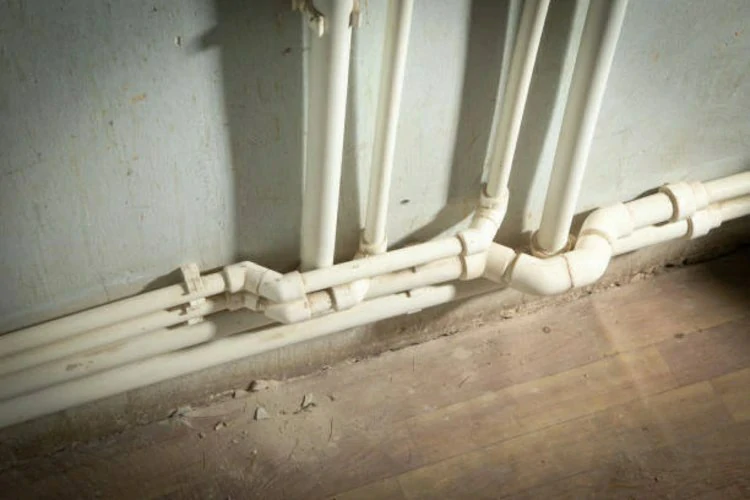
In the realm of piping systems, various materials are available, each with its unique properties and suitability for different applications. Among these, PPR (Polypropylene Random Copolymer) stands out as a versatile option. In this article, we’ll compare PPR pipeline with other commonly used pipe materials like PVC (Polyvinyl Chloride), PE (Polyethylene), and more to help you understand their differences and make informed decisions for your projects.
PPR Pipeline vs. PVC Pipes
1.1 Material Composition PPR pipes consist of Polypropylene Random Copolymer, while PVC pipes are composed of Polyvinyl Chloride. PPR is celebrated for its high-temperature resistance, exceptional chemical resistance, and durability, making it apt for both hot and cold water distribution systems. Conversely, PVC is lightweight, rigid, and cost-effective, typically employed for drainage, irrigation, and non-pressure applications.
1.2 Temperature Resistance PPR pipes exhibit superior temperature resistance compared to PVC pipes. PPR can withstand temperatures up to 95°C, making it ideal for hot water systems and radiant floor heating. PVC pipes have a lower temperature threshold and may deform or soften at temperatures above 60°C, limiting their application in high-temperature environments.
1.3 Installation Method Both PPR and PVC pipes support installation through solvent cement or heat fusion techniques. However, PPR pipes commonly undergo heat fusion, resulting in a seamless, leak-proof connection. In contrast, PVC pipes necessitate solvent cement bonding, potentially leading to leaks and installation complexities, particularly in intricate piping systems.
1.4 Chemical Resistance PPR pipes provide outstanding chemical resistance, allowing them to transport various fluids such as acids, alkalis, and organic solvents effectively. PVC pipes also offer chemical resistance, but they may degrade when exposed to specific chemicals or UV radiation, requiring additional protective measures in corrosive environments.
PPR Pipeline vs. PE Pipes
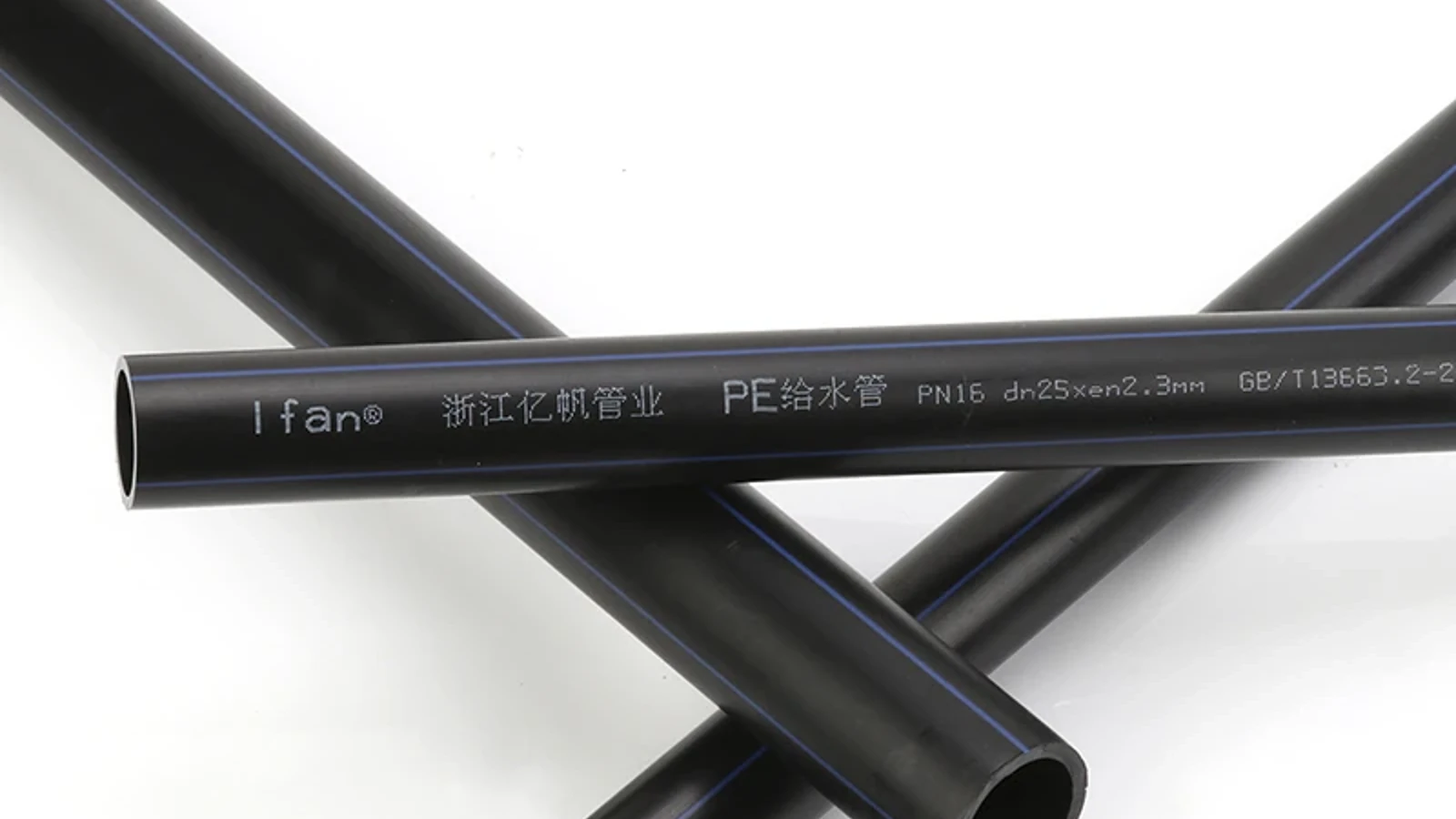
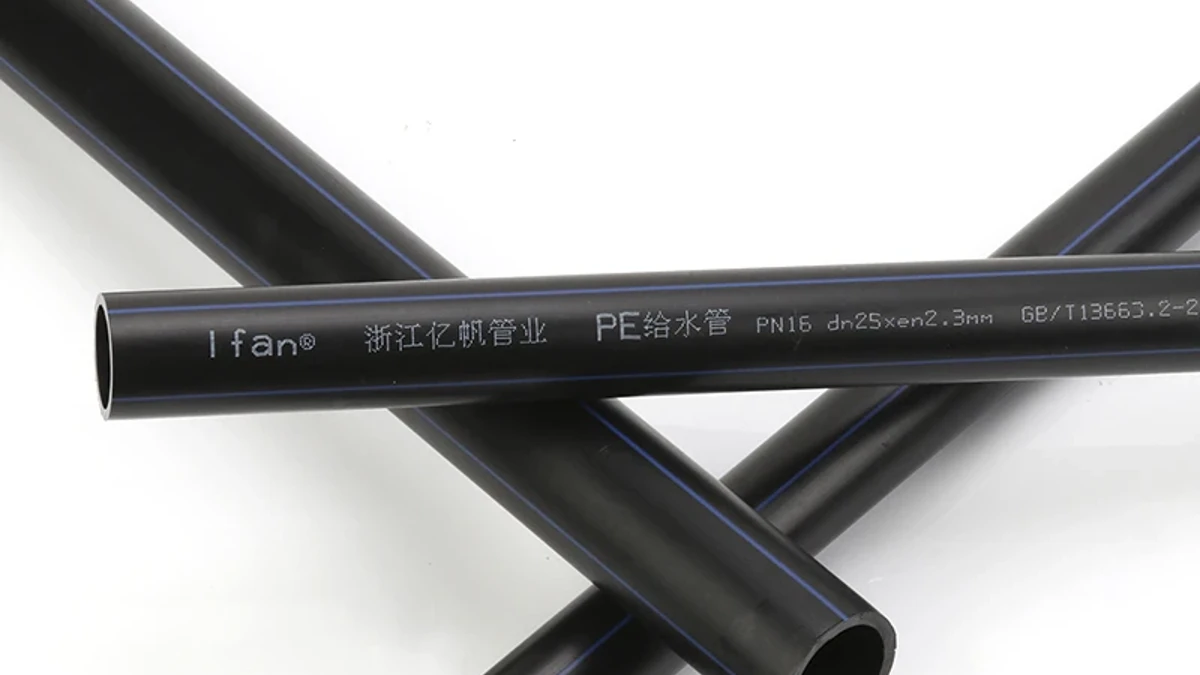
2.1 Material Composition PPR and PE (Polyethylene) pipes are both thermoplastic materials, but they differ in their molecular structure and properties. PPR is a random copolymer of propylene, offering high stiffness, heat resistance, and chemical stability. PE is a linear polymer of ethylene, known for its flexibility, impact strength, and resistance to abrasion.
2.2 Flexibility and Impact Resistance PE pipes are highly flexible and resistant to impact, making them suitable for underground installations, trenchless applications, and areas prone to ground movement or seismic activity. On the other hand, PPR pipes, while less flexible than PE, offer greater stiffness and dimensional stability. This makes them ideal for above-ground plumbing systems and structural applications.
2.3 Pressure Rating PPR pipes generally have higher pressure ratings compared to PE pipes, enabling the transportation of pressurized fluids over longer distances without requiring additional reinforcement. Conversely, PE pipes frequently serve low-pressure applications such as irrigation, landscaping, and drainage, where flexibility and ease of installation rank as crucial considerations.
2.4 Environmental Impact Both PPR and PE pipes are environmentally friendly materials, as they are recyclable and have minimal ecological footprint. PPR production involves fewer harmful emissions and chemical additives compared to PE. This makes PPR a more sustainable choice for eco-conscious projects and green building initiatives.
Considerations
3.1 Cost In terms of cost, PPR pipes may have a higher upfront investment compared to PVC or PE pipes due to their superior performance and durability. However, the long-term benefits of PPR, including reduced maintenance, energy savings, and extended service life, often outweigh the initial cost considerations.
3.2 Application Suitability When choosing between PPR, PVC, PE, and other pipe materials, several factors should be considered. These include temperature requirements, pressure ratings, chemical compatibility, installation method, and project budget. Each material has its own set of advantages and limitations, so it’s essential to select the one that aligns best with your specific application needs and project objectives.
Conclusion
PPR pipeline boasts several advantages over alternative pipe materials such as PVC and PE. These include superior temperature resistance, chemical stability, and leak-proof joints. While PVC and PE pipes offer cost-effectiveness, flexibility, and impact resistance, PPR emerges as a reliable choice for demanding applications prioritizing performance and longevity. By carefully assessing the disparities between PPR and other pipe materials, you can make informed decisions to ensure optimal performance and durability in your piping systems.
IFAN is a Chinese manufacturer of plastic pipes, fittings and valves with 30 years of experience. If you are interested in IFAN Raccords en cuivre, vannes en cuivre, tuyaux et raccords en plastique, veuillez nous contacter. IFAN offers you a variety of standard pipes to meet your specific needs. Click below to learn more about IFAN’s wide range of affordable and cost-effective valve products and piping system related products.
We will reply your email or fax within 24 hours.
You can call us at any time if there is any question on our production.
For more information,pls visit our webside https://ifanpro.com/
Veuillez envoyer un courrier à l'adresse suivante [email protected]
Whatsapp : + 86 19857948982










 Français
  English
  Русский
  Español
Commentaires récents