
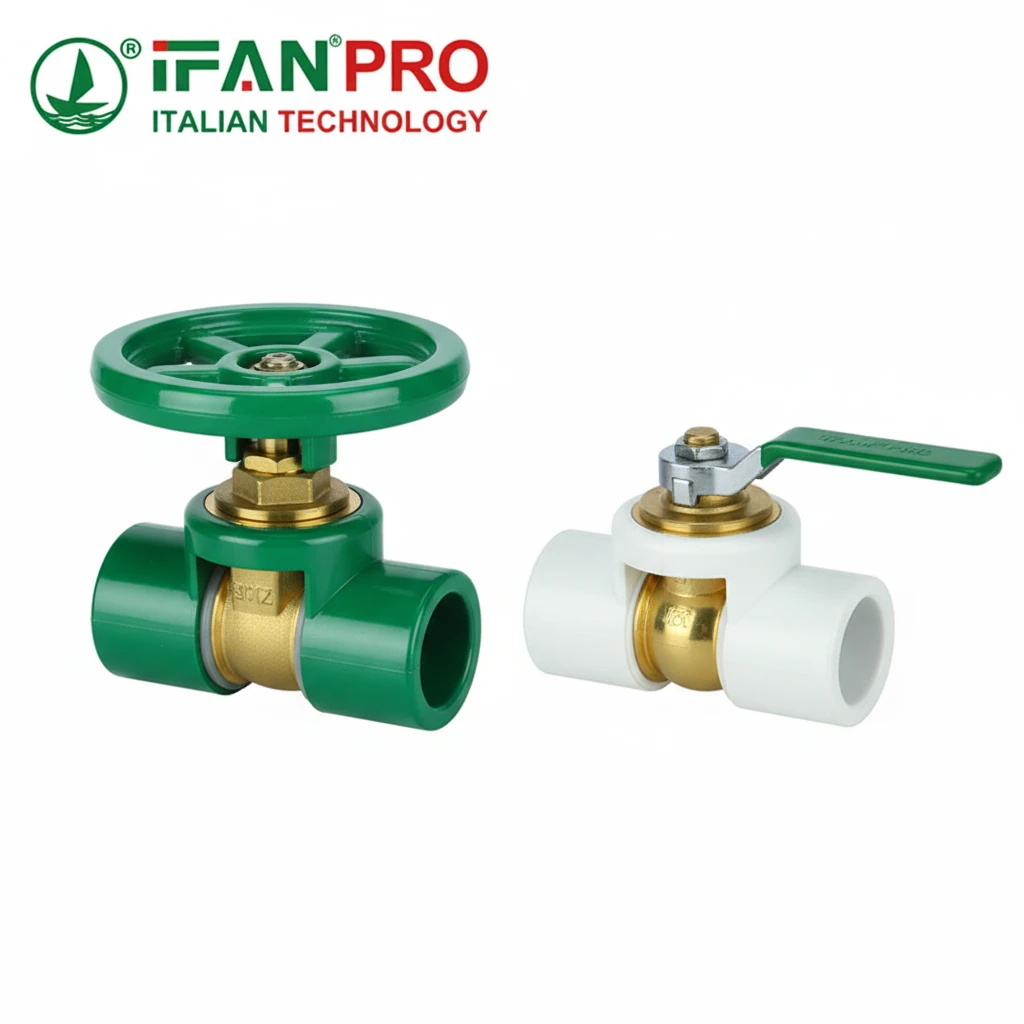
I once watched a facility manager tear his hair out over a stuck gate valve that shut down an entire production line. That costly mistake taught me that choosing the right valve isn’t just about price—it’s about long-term reliability.
For modern hydraulic systems in 2026, the ball valve emerges as the overall “durability king” due to its simple quarter-turn operation, fewer moving parts, and superior resistance to wear from frequent use. However, gate valves still hold advantages in specific applications where minimal pressure drop and straight-line flow are critical, though they require more careful operation and maintenance.
Let’s examine both contenders closely to determine which one deserves the crown for your specific application.
How Do the Internal Mechanisms of Gate and Ball Valves Affect Long-Term Wear?
I’ve pulled apart valves that failed after just five years and others that lasted decades. The difference almost always came down to their internal design.
The internal mechanism of a ball valve creates less long-term wear because its rotating ball makes minimal contact with the seats during operation, reducing friction. In contrast, a gate valve’s wedge or disc must slide against its seats throughout the entire opening and closing stroke, causing continuous friction that eventually leads to scoring, galling, and seal degradation.
Understanding the Mechanics: Gate Valves
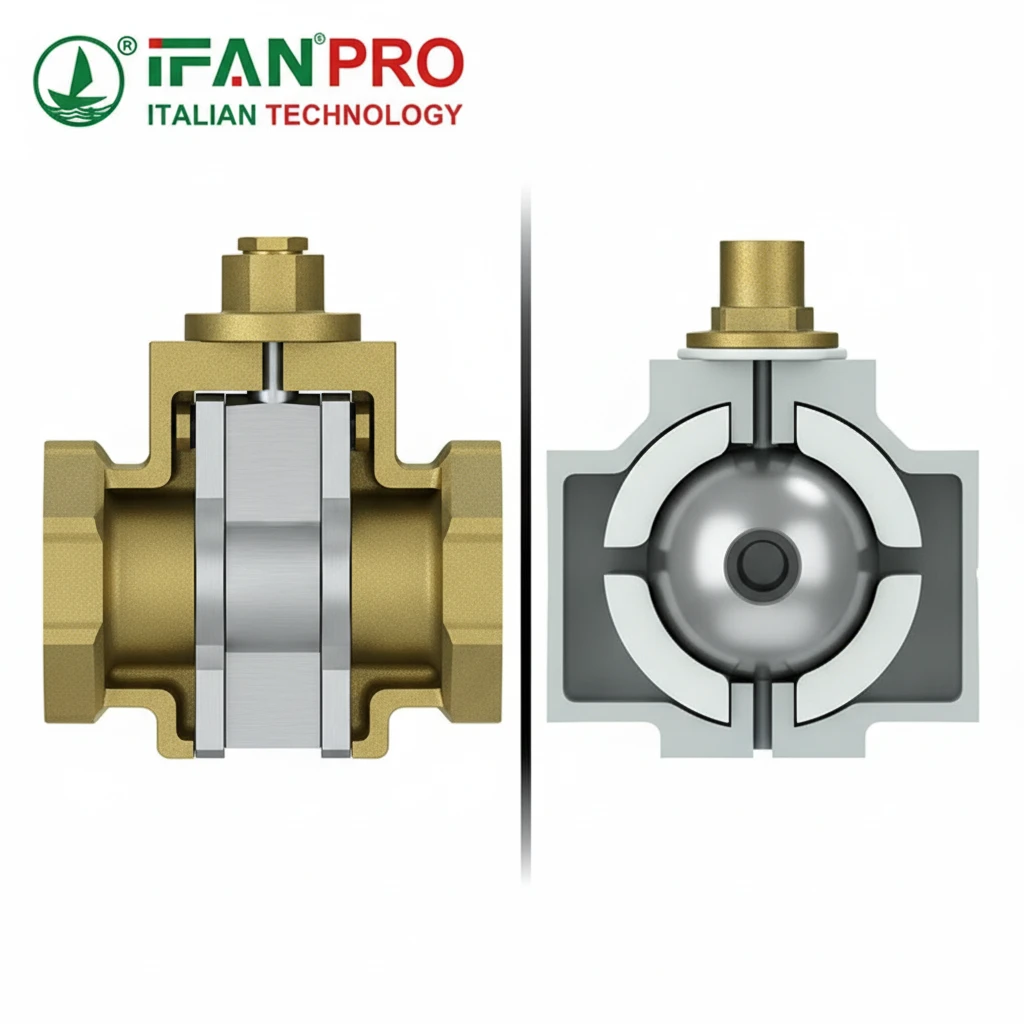
A gate valve operates by lifting a rectangular or circular gate out of the path of the fluid. When fully open, the gate is completely clear, offering no resistance to flow. This sounds great in theory, but the mechanism has inherent wear issues.
The Sliding Problem: To close or open, the metal or rubber-coated gate must slide against two sealing surfaces. Think of it like pushing a heavy book across a table—every inch of movement creates friction. With a gate valve, this friction happens every single time you operate it. Over years, this leads to:
- Galling: Metal transfer between the gate and seats.
- Scoring: Scratches that create leak paths.
- Seat Wear: The sealing surfaces gradually lose their tight fit.
The Sealing Surface Contact: When fully open, the gate sits in a bonnet cavity, completely removed from the flow. However, during operation, it’s in constant contact with the seats. Additionally, debris in the fluid can get trapped between the gate and seat, causing even more damage when the valve operates.
Understanding the Mechanics: Ball Valves
A ball valve uses a spherical ball with a hole through its center. Turning the handle 90 degrees aligns the hole with the pipe for flow or rotates it perpendicular to stop flow.
The Rotating Advantage: The ball makes contact with two seats, but these seats are typically made of soft materials like PTFE (Teflon) or reinforced polymers. When you turn the handle, the ball rotates against these seats. However, the contact pressure during rotation is much lower than the sliding friction in a gate valve. The ball essentially “wipes” across the seats rather than grinding against them.
The Compression Factor: Most ball valves are designed so that line pressure actually helps push the ball against the downstream seat, improving the seal. This “self-compensating” design means the seal actually gets better with pressure, rather than wearing faster.
Material Considerations for 2026
Modern valves use advanced materials that extend service life significantly.
| Valve Component | Gate Valve Materials | Ball Valve Materials | Wear Impact |
|---|---|---|---|
| Body | Brass, Bronze, Cast Iron, Stainless Steel | Brass, Stainless Steel, PVC, PPR | Similar across both |
| Sealing Element | Metal (brass, SS) or EPDM-coated wedge | PTFE, Reinforced PTFE, PEEK, Metal | Ball valve seats are self-lubricating |
| Stem | Threaded rising or non-rising stem | Smooth rotating stem | Ball valve stem experiences less friction |
| Operation Cycle | Multiple turns (5-20 rotations) | Quarter-turn (90 degrees) | Ball valve has far less movement |
The table clearly shows why ball valves typically outlast gate valves in applications with regular operation. With fewer moving parts and less friction, there’s simply less to wear out.
Which Valve Type Offers Superior Resistance to Pressure Surges and Water Hammer?
A sudden pressure spike can destroy an entire piping system. I’ve seen it happen, and valve selection played a crucial role.
Ball valves generally offer better resistance to pressure surges when fully open due to their straight-through flow path, but they can cause water hammer if closed too quickly. Gate valves, when fully open, create minimal flow resistance, making them excellent for systems where pressure drop is a concern, though their slow operation helps prevent water hammer if closed gradually.
Understanding Pressure Surges and Water Hammer
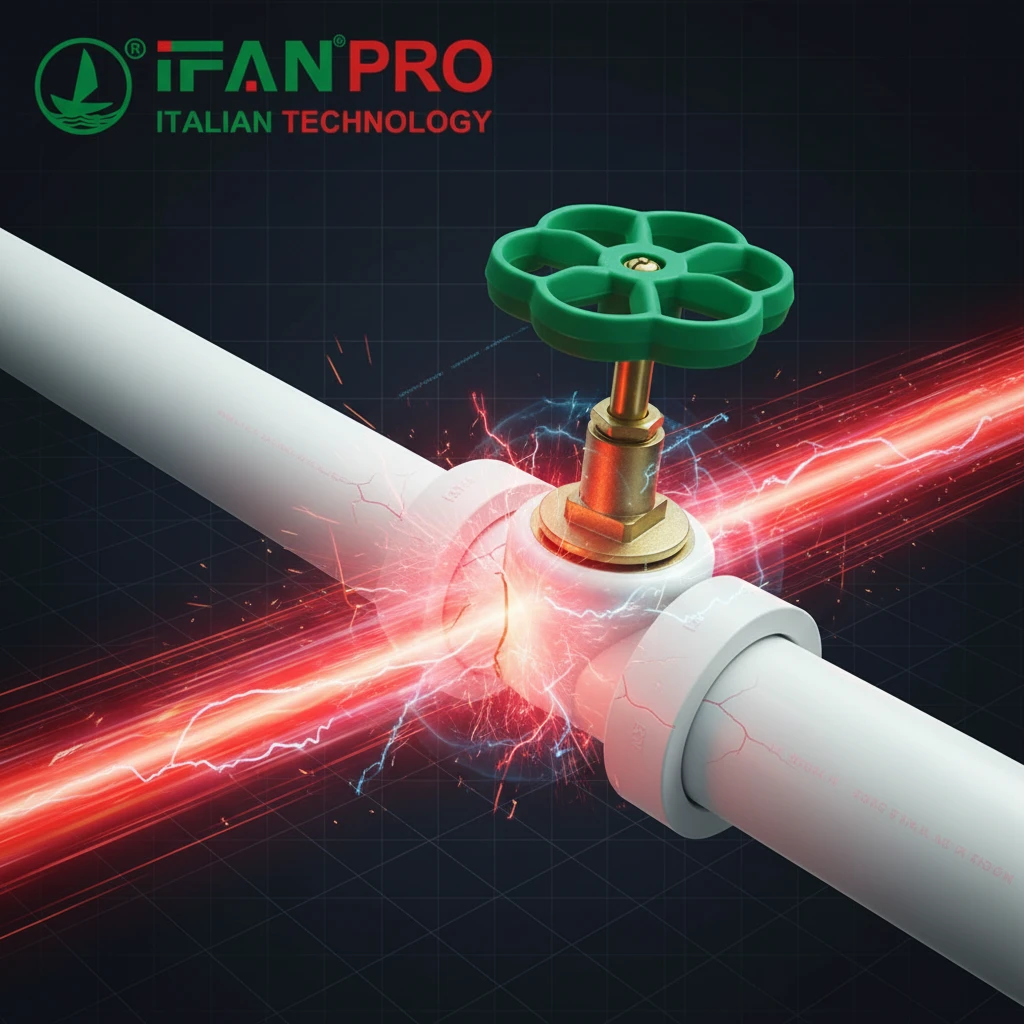
Pressure surges occur when fluid velocity changes rapidly. Water hammer is the extreme version—a pressure wave that can reach several times the system’s normal operating pressure. It sounds like a pipe banging and can crack fittings, burst pipes, and destroy equipment.
How Gate Valves Handle Pressure
Gate valves are designed to be either fully open or fully closed. They operate slowly—it takes multiple turns of the handwheel to move the gate from one position to the next.
The Slow Operation Advantage: Because they close slowly, gate valves rarely cause water hammer. The gradual obstruction of flow gives the fluid time to decelerate smoothly. This makes them ideal for:
- Large diameter pipes where flow velocity is high
- Systems where sudden valve closure would be catastrophic
- Gravity flow systems where pressure surges are common
The Partially Open Danger: Here’s the catch—gate valves should never be used for throttling. When partially open, the flow hits the edge of the gate, creating turbulence and vibration. This can cause:
- Chatter and noise
- Premature wear on the gate and seats
- Erosion from high-velocity fluid
How Ball Valves Handle Pressure
Ball valves operate with a quarter turn. This speed is both an advantage and a potential problem.
The Quick Closure Risk: If you slam a ball valve closed while fluid is moving fast, you’ll create water hammer. The flow stops almost instantly, and the pressure spike travels back through the system. This is why proper operation technique matters.
The Full Open Advantage: When fully open, a ball valve creates almost no pressure drop. The hole through the ball matches the pipe diameter exactly (full-port design) or is only slightly smaller (standard port). Fluid flows straight through without turbulence.
Comparative Performance Table
| Scenario | Gate Valve Behavior | Ball Valve Behavior | Durability Impact |
|---|---|---|---|
| Fully Open | Minimal pressure drop, smooth flow | Minimal pressure drop (full-port), smooth flow | Both excellent |
| Partially Open | Severe turbulence, vibration, erosion risk | Good throttling capability (characterized ball) | Ball valve wins |
| Quick Closure | Slow operation prevents water hammer | Fast closure can cause water hammer | Gate valve safer |
| Pressure Surge Event | Sturdy construction handles surges well | Robust ball resists pressure from both sides | Both good |
Real-World Application Insight
For systems with frequent pressure fluctuations, ball valves with characterized or V-port balls offer excellent control. For systems where water hammer is a constant threat, gate valves or slow-acting actuated ball valves are safer choices.
What Are the Maintenance Frequency Differences Between Gate and Ball Valves?
Maintenance costs often exceed the initial purchase price over a valve’s lifetime. This reality shapes purchasing decisions for smart facility managers.
Ball valves require significantly less maintenance than gate valves in most applications because they have fewer moving parts, no packing gland to constantly adjust, and seats that can last for thousands of cycles without replacement. Gate valves typically need regular packing adjustment, stem lubrication, and eventual seat replacement or regrinding.
Gate Valve Maintenance Demands
Gate valves have several components that need regular attention.
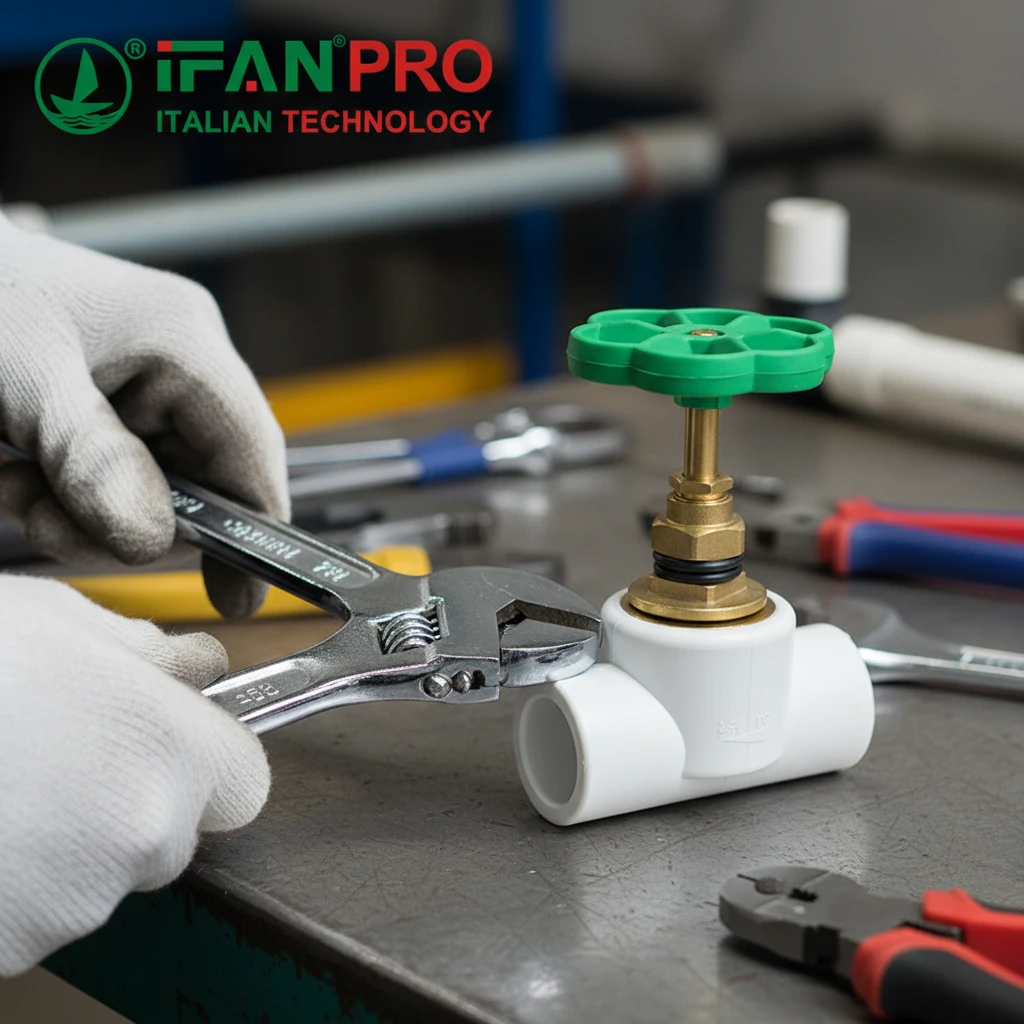
Packing Gland Adjustment: The stem on a gate valve moves in and out (rising stem) or rotates (non-rising stem) and must pass through a packing gland. This packing compresses around the stem to prevent leaks. Over time, the packing material compresses and hardens, requiring:
- Periodic tightening of the gland nut
- Complete packing replacement every few years
- Risk of stem corrosion if packing fails
Seat and Gate Wear: As discussed, the sliding action wears both the gate and seats. When a gate valve starts to leak, you have two options:
- Grinding the seats and gate (lapping) to restore sealing
- Complete replacement of internal components
Stem Thread Lubrication: Rising stem gate valves have threads that move. These need regular lubrication to prevent binding and excessive wear.
Debris Accumulation: Gate valves can trap debris in the bonnet cavity. Over time, this debris can:
- Prevent full closure
- Score sealing surfaces
- Cause corrosion
Ball Valve Maintenance Demands
Ball valves are remarkably low-maintenance by comparison.
No Packing Adjustment: The stem seal on a ball valve is typically an O-ring or lip seal that doesn’t require adjustment. It either seals or it doesn’t. When it fails, replacement is straightforward.
Seat Longevity: PTFE seats are self-lubricating and resistant to most chemicals. They can handle tens of thousands of cycles before showing wear. Even then, replacement seats are readily available.
Minimal Debris Issues: The smooth flow path and full-port design mean debris rarely accumulates. Even if debris is present, the wiping action during rotation often clears it.
Maintenance Comparison Table
| Maintenance Task | Gate Valve Frequency | Ball Valve Frequency | Effort Comparison |
|---|---|---|---|
| Packing Adjustment | Every 3-6 months | Never (sealed design) | Ball valve wins |
| Stem Lubrication | Annually | Never (sealed) | Ball valve wins |
| Seat Replacement | Every 5-10 years | Every 10-20 years | Ball valve wins |
| Debris Cleaning | Occasionally | Rarely | Ball valve wins |
| Operation Effort | Multiple turns | Quarter-turn | Ball valve wins |
When Gate Valves Still Make Sense
Despite higher maintenance, gate valves are preferred in certain applications:
- Very large pipe diameters (over 12 inches) where ball valves become expensive
- Slurry services where abrasive materials would damage ball seats
- High-temperature applications where PTFE seats might fail
- Applications requiring absolute minimum pressure drop
How Does Each Valve’s Design Impact Its Suitability for Different Hydraulic Applications?
The right valve for one job might be completely wrong for another. Understanding application requirements prevents costly mistakes.
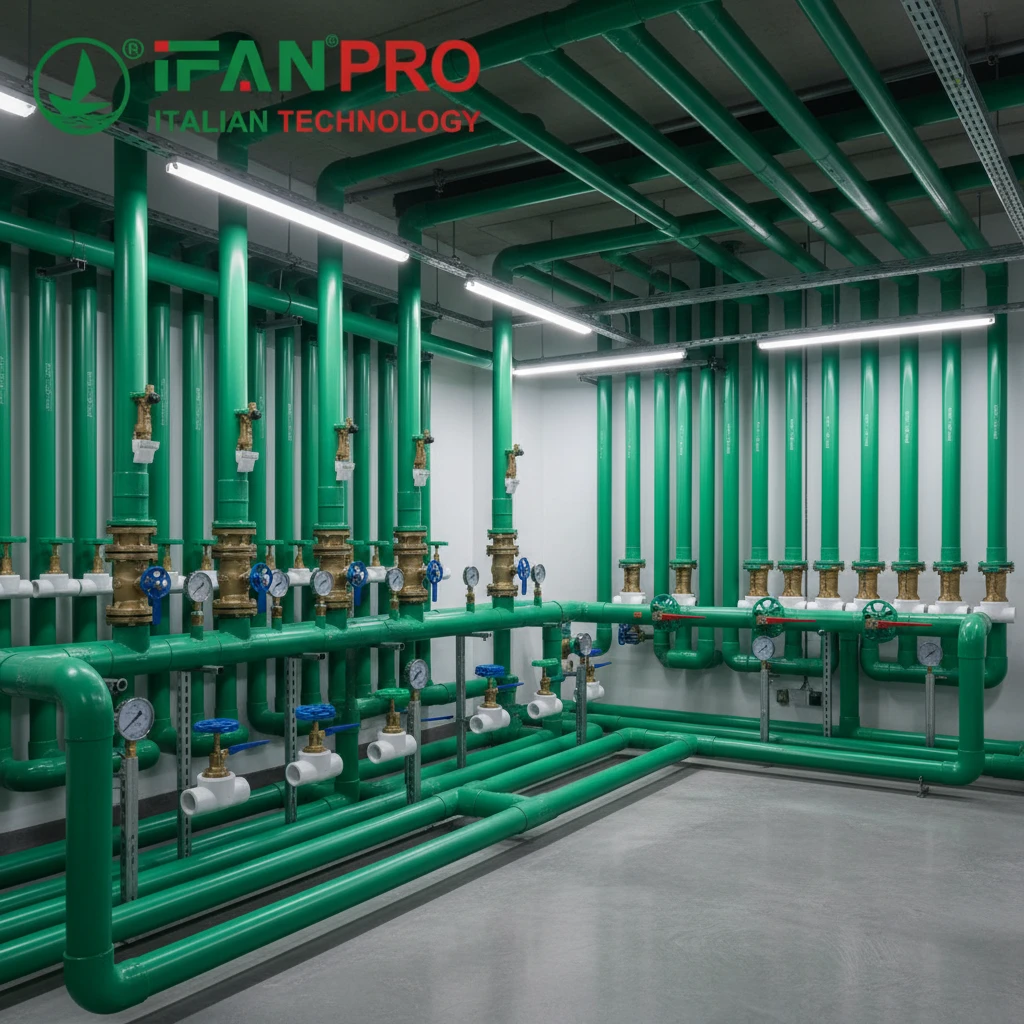
Gate valves excel in applications requiring minimal flow restriction and infrequent operation, such as main isolation valves on large pipes. Ball valves dominate in applications needing frequent operation, precise flow control (with special trims), and compact installation, making them ideal for branch lines, equipment connections, and modern hydraulic systems.
Application Categories and Valve Selection
Isolation Service (On/Off)
For valves that open and close rarely, both types work. However:
- Gate Valves: Perfect for main water lines that open once and stay open for years. They create no pressure drop and cost less in large sizes.
- Ball Valves: Better for branch lines that might need occasional shutoff. Quarter-turn operation makes status checking easy.
Frequent Operation
For valves that cycle regularly:
- Gate Valves: Poor choice. The multiple turns and sliding wear make them slow to operate and quick to wear.
- Ball Valves: Excellent choice. Quarter-turn operation and low wear make them ideal for daily or hourly use.
Throttling/Flow Control
- Gate Valves: Never use for throttling. Partially open gates vibrate, erode, and fail prematurely.
- Ball Valves: Special V-port or characterized ball valves provide excellent throttling control with minimal wear.
Space-Constrained Installations
- Gate Valves: Require clearance for the stem and handwheel, especially rising stem designs.
- Ball Valves: Compact design fits tight spaces. Handle can be removed if needed.
System Pressure
- Gate Valves: Available in high-pressure ratings but become heavy and expensive.
- Ball Valves: Excellent high-pressure performance with compact design. Floating ball designs work well up to medium pressures; trunnion-mounted balls handle extreme pressures.
Application Suitability Matrix
| Application Requirement | Gate Valve Suitability | Ball Valve Suitability | Recommendation |
|---|---|---|---|
| Large Diameter Mains ( >6″) | Excellent – Cost-effective | Good but expensive | Gate Valve |
| Frequent Operation | Poor – Wears quickly | Excellent | Ball Valve |
| Throttling/Control | Never use | Excellent (with V-port) | Ball Valve |
| Tight Installation Space | Poor – Needs clearance | Excellent | Ball Valve |
| Slurry/Abrasive Fluids | Good – Straight flow path | Fair – Seats can wear | Gate Valve |
| Potable Water | Good – Available in brass/SS | Excellent – Smooth interior | Both |
| High Temperature | Good – Metal seats | Fair – PTFE limits | Gate Valve |
| Emergency Shutoff | Poor – Slow operation | Excellent – Quick quarter-turn | Ball Valve |
Future Trends for 2026
Looking ahead, several trends favor ball valves:
Automation Ready: Ball valves easily accept electric or pneumatic actuators. Their quarter-turn operation and low torque requirements make automation simple and reliable.
Smart Systems: Position feedback, cycle counting, and predictive maintenance features integrate easily with ball valve designs.
Material Advances: New seat materials extend temperature and pressure ranges, closing the gap with gate valves.
Compact Design: As buildings and equipment become more space-efficient, ball valves’ compact footprint becomes increasingly valuable.
Conclusion
For modern hydraulic systems, ball valves offer superior durability, lower maintenance, and better versatility for most applications. IFAN’s full-port ball valves combine premium materials with precision engineering to deliver reliable, long-lasting performance for your critical systems.











 Français
  English
  Русский
  Español
Commentaires récents