
Introduction
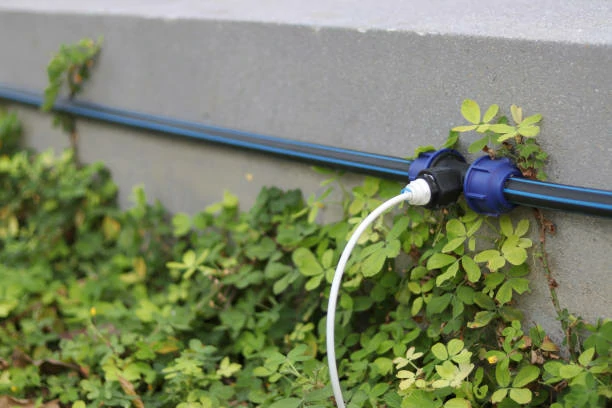
PE water pipe are widely used in modern plumbing and water distribution systems. Proper installation of PE water pipes requires strict adherence to safety guidelines. This article covers essential safety measures to ensure a safe and effective installation process.
Personal Protective Equipment
Installers must wear appropriate personal protective equipment (PPE). PPE includes safety goggles, gloves, hard hats, and steel-toed boots. These items protect against potential hazards during the installation process.
Site Assessment and Preparation
Conduct a thorough site assessment before beginning any installation. Identify potential hazards such as underground utilities and unstable ground. Clear the area of debris and ensure a stable working environment.
Trenching Safety
Follow proper trenching procedures to prevent accidents. Ensure trenches are adequately shored or sloped to prevent collapses. Avoid working in trenches deeper than 1.2 meters without proper support.
Handling and Storage of PE Pipes
Handle PE water pipe with care to prevent damage. Store pipes on a flat surface and avoid direct sunlight. Use proper lifting techniques to prevent injuries and pipe damage.
Cutting and Joining Pipes
Use appropriate tools for cutting PE pipes. Ensure clean and straight cuts to facilitate proper joining. Follow manufacturer guidelines for joining pipes using heat fusion or mechanical fittings.
Heat Fusion Safety
Heat fusion requires special safety precautions. Use heat fusion tools as per manufacturer instructions. Wear heat-resistant gloves and safety goggles to protect against burns and eye injuries.
Electrical Safety
Ensure all electrical equipment used in the installation is properly grounded. Use insulated tools and avoid working with electrical equipment in wet conditions. Follow local electrical safety codes.
Working in Confined Spaces
Take extra precautions when working in confined spaces. Ensure adequate ventilation to prevent the buildup of hazardous gases. Use gas detectors to monitor air quality and follow confined space entry protocols.
Avoiding Chemical Hazards
PE water pipe are resistant to many chemicals, but installers may still encounter hazardous substances. Avoid direct contact with chemicals and follow proper handling procedures. Use appropriate PPE when dealing with chemical hazards.
Preventing Slips, Trips, and Falls
Keep the work area clean and free of obstacles to prevent slips, trips, and falls. Use non-slip footwear and ensure adequate lighting. Mark hazardous areas clearly to alert workers.
Safe Use of Tools and Equipment
Use tools and equipment according to manufacturer guidelines. Inspect tools regularly for wear and damage. Do not use defective tools and ensure all equipment is properly maintained.
Traffic Management
Implement traffic management plans if the installation site is near roads or pedestrian areas. Use barriers and signs to direct traffic safely. Ensure workers wear high-visibility clothing.
Training and Competence
Ensure all workers are trained and competent in their tasks. Provide regular safety training and updates on best practices. Encourage a culture of safety and report any hazards immediately.
Emergency Procedures
Develop and communicate clear emergency procedures. Ensure all workers know the location of emergency exits and first aid kits. Train workers on emergency response and evacuation procedures.
Environmental Considerations
Minimize environmental impact during installation. Avoid disturbing local wildlife and natural habitats. Follow local regulations for waste disposal and pollution control.
Inspection and Testing
Conduct regular inspections and testing throughout the installation process. Ensure all joints and connections are secure and leak-free. Test the system under pressure to identify any potential issues.
Documentation and Reporting
Maintain accurate records of all installation activities. Document any incidents or near-misses and report them promptly. Use these records to improve safety procedures and prevent future incidents.
Continuous Improvement
Review and update safety procedures regularly. Incorporate feedback from workers and learn from past incidents. Strive for continuous improvement in safety practices.
Conclusion
Safe installation of PE water pipes requires careful planning and adherence to safety guidelines. By following these safety measures, workers can ensure a safe and effective installation process. Proper use of PPE, site assessment, handling, and installation procedures are crucial. Regular training, emergency preparedness, and continuous improvement contribute to a safer work environment. Prioritizing safety not only protects workers but also ensures the longevity and reliability of the installed PE water pipes.
Connecter
IFAN is a Chinese manufacturer of plastic pipes, fittings and valves with 30 years of experience. If you are interested in IFAN Raccords en cuivre, vannes en cuivre, tuyaux et raccords en plastique, veuillez nous contacter. IFAN offers you a variety of standard pipes to meet your specific needs. Click below to learn more about IFAN’s wide range of affordable and cost-effective valve products and piping system related products.
We will reply your email or fax within 24 hours.
You can call us at any time if there is any question on our production.
For more information,pls visit our webside https://ifanpro.com/
Veuillez envoyer un courrier à l'adresse suivante [email protected]
Whatsapp : + 86 19857948982












 Français
  English
  Русский
  Español
Commentaires récents