
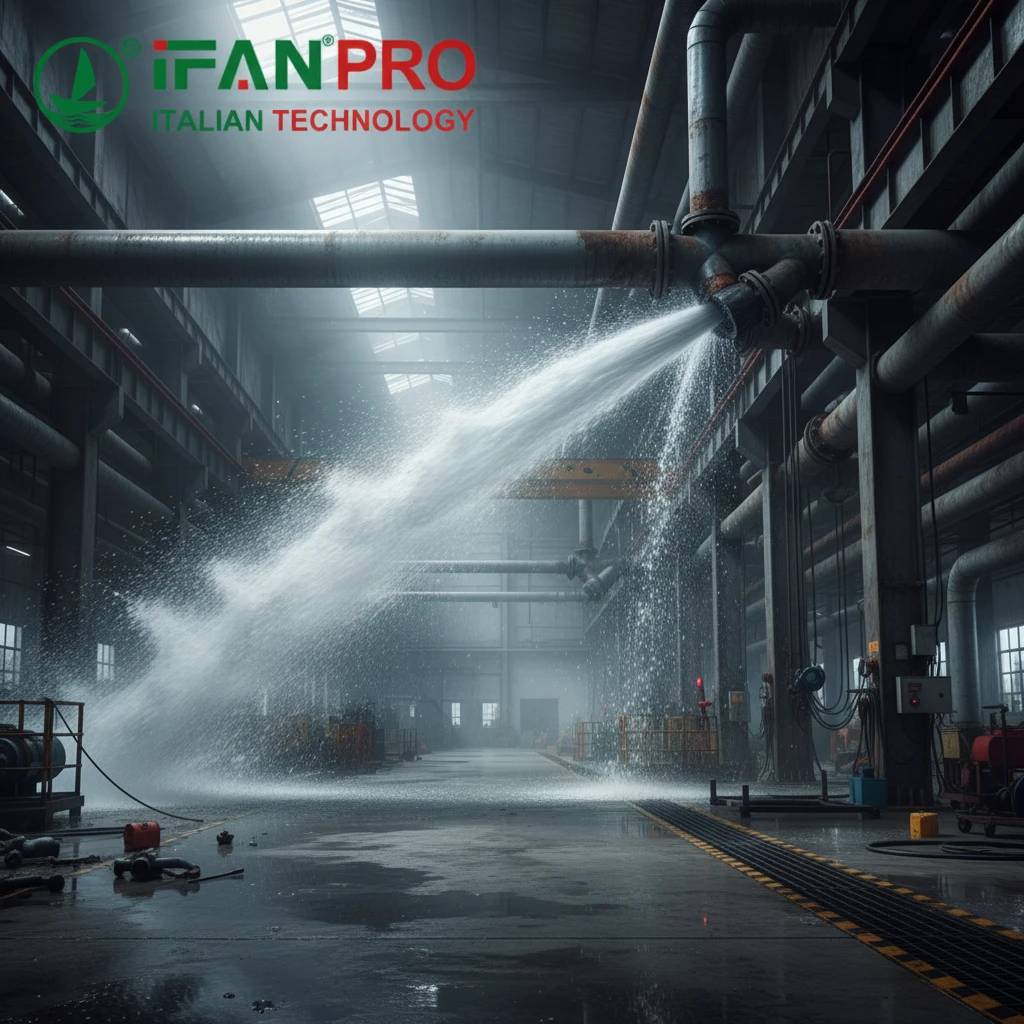
I once visited a factory where a corroded pipe burst at 2 AM, flooding the production floor and shutting down operations for three days. That costly lesson taught me that corrosion protection isn’t optional—it’s essential.
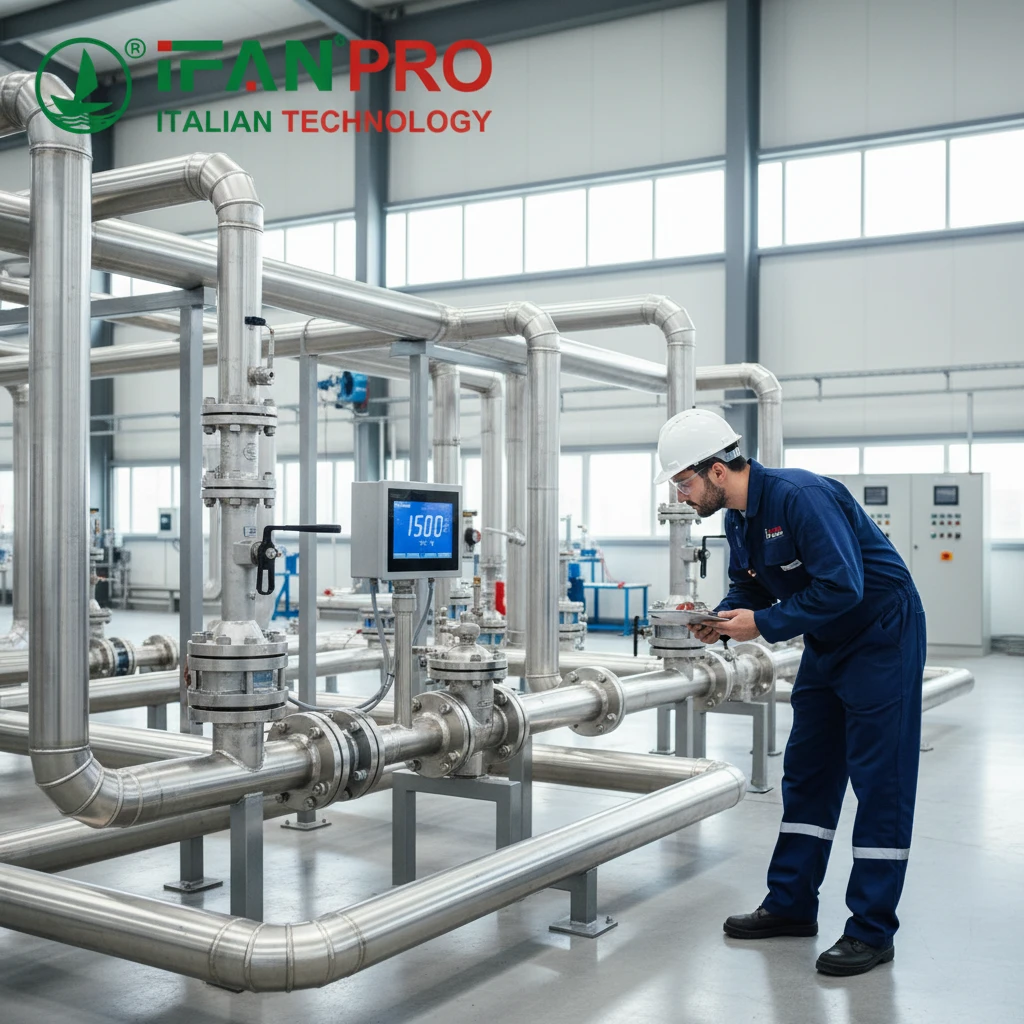
You ensure corrosion protection in industrial plumbing networks by selecting the right materials for your specific environment, incorporating corrosion-resistant components like brass or stainless steel, applying protective coatings where needed, and implementing a regular inspection and maintenance schedule. A proactive approach prevents failures, extends system life, and saves money.
Let’s examine how to build and maintain a corrosion-resistant industrial plumbing system.
Which Materials Are Most Vulnerable to Corrosion in Industrial Environments?
Not all pipes fail equally. I’ve pulled rusted steel out of chemical plants and watched copper pinhole in aggressive water conditions.
Carbon steel and galvanized steel are the most vulnerable materials in industrial environments, especially when exposed to moisture, oxygen, and aggressive chemicals. Copper can also suffer from pitting corrosion in certain water chemistries, while aluminum corrodes rapidly in contact with dissimilar metals or alkaline conditions.
Understanding Material Vulnerability
Industrial environments present unique challenges. High temperatures, chemical exposure, and constant water flow accelerate corrosion in ways residential systems never experience.
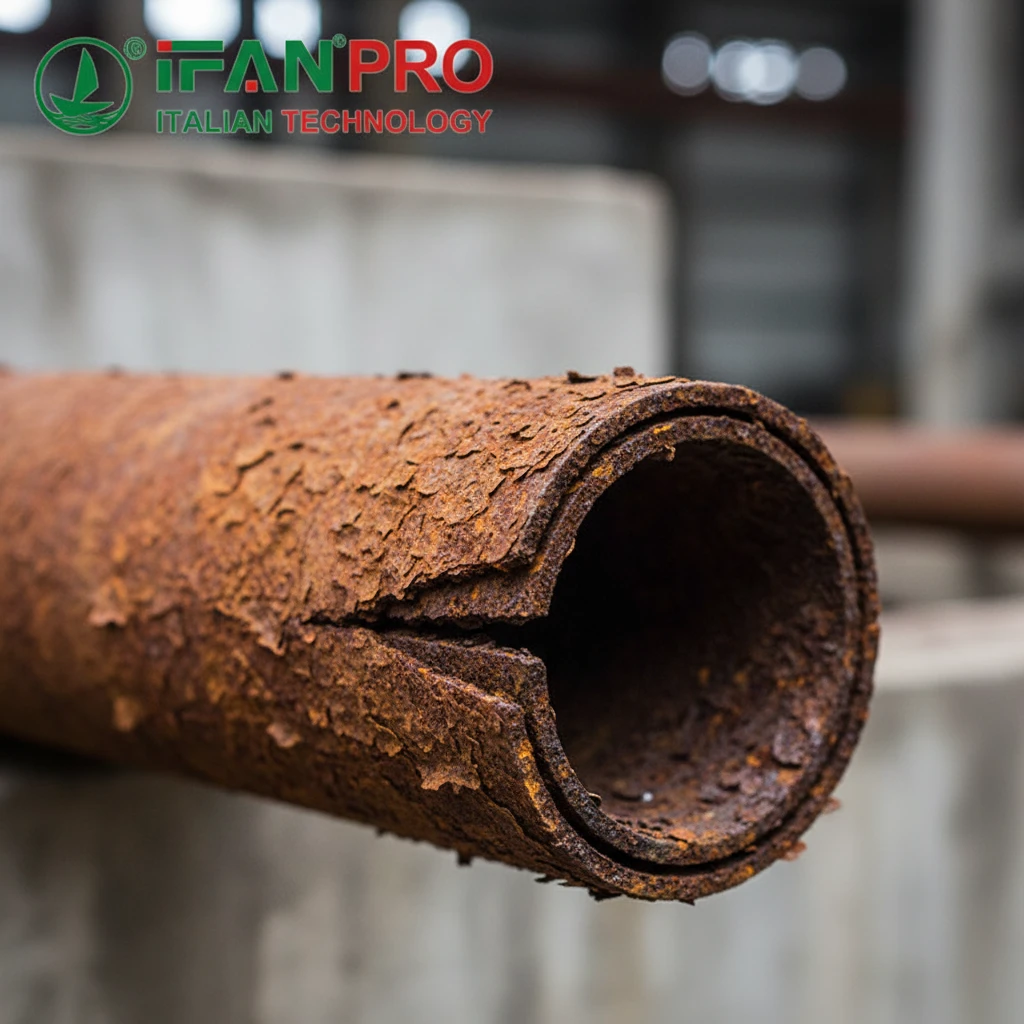
Carbon Steel: This is the most common industrial material, but also the most vulnerable. Without protection, rust forms quickly. In the presence of oxygen and water, iron oxidizes and flakes away. Over time, this reduces wall thickness and creates weak points.
Galvanized Steel: The zinc coating provides initial protection. However, once that coating breaks down—from scratches, acidic water, or simply age—the underlying steel rusts rapidly. We often see this in older facilities where galvanized pipes have served 20-30 years and now fail regularly.
Copper: Many assume copper is immune to corrosion. It’s not. Certain water conditions cause pitting corrosion—small, deep holes that leak without warning. High chlorine levels, acidic water (low pH), or high velocity can all attack copper.
Aluminum: While lightweight, aluminum corrodes quickly in contact with concrete, steel, or in alkaline conditions. It also suffers from galvanic corrosion when connected to dissimilar metals without proper insulation.
Common Industrial Corrosion Types
| Corrosion Type | Description | Materials Affected |
|---|---|---|
| Uniform Corrosion | Even material loss across the surface | Carbon steel, galvanized steel |
| Pitting | Localized deep holes | Copper, stainless steel (in chloride environments) |
| Galvanic | Accelerated corrosion when dissimilar metals touch | Aluminum, steel connected to copper |
| Crevice | Corrosion in gaps and under deposits | Stainless steel, most metals |
| Erosion-Corrosion | Combined mechanical wear and chemical attack | Copper, brass at high velocities |
Practical Assessment Approach
When we help clients assess their systems, we start with a simple question: What is your water chemistry? pH, chloride content, dissolved oxygen, and temperature all determine which materials will survive. Testing water and reviewing historical failures provides the foundation for material selection.
How Does the Brass Core in IFANPRO Valves Naturally Resist Corrosion?
Valves are often the first components to fail. I’ve seen expensive systems compromised by cheap, corroded valves.
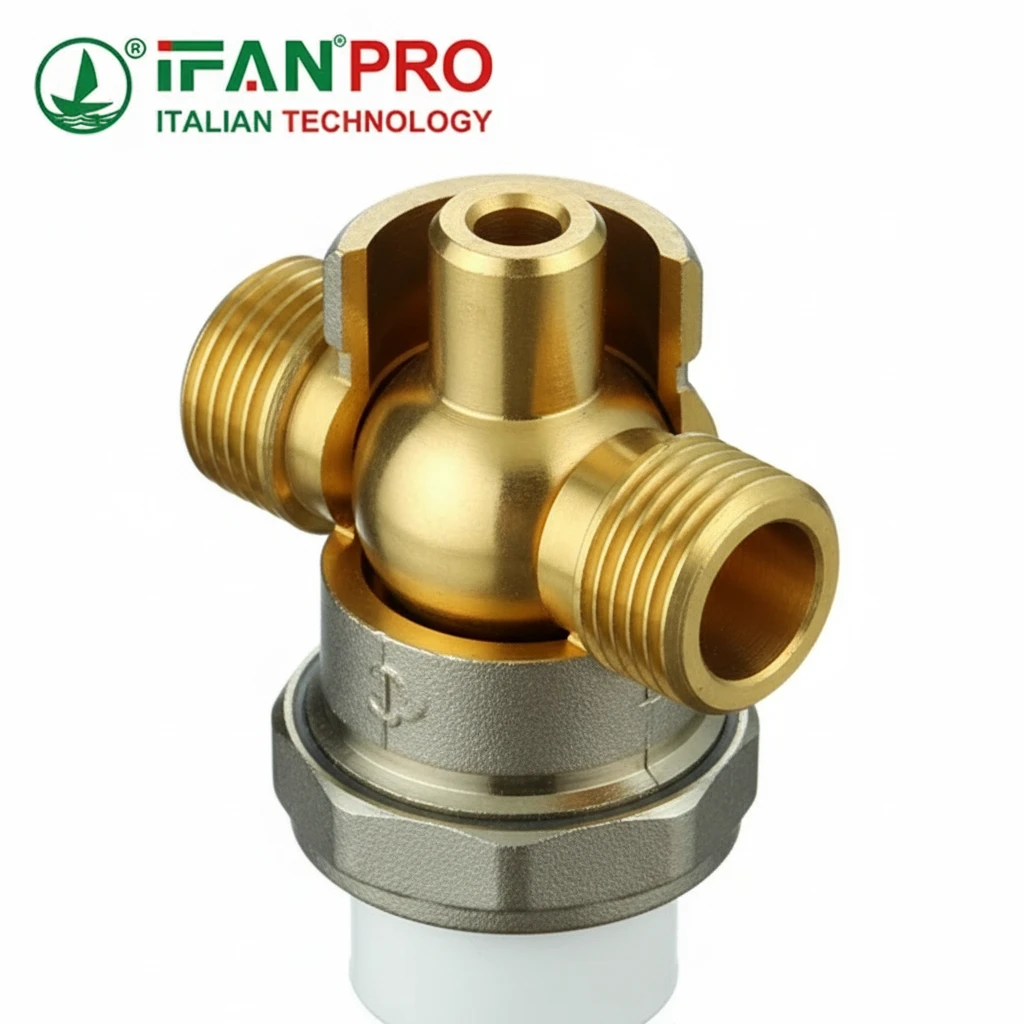
The brass core in IFANPRO valves naturally resists corrosion because brass is a copper-zinc alloy that forms a protective oxide layer when exposed to air and water. This layer acts as a barrier, preventing further chemical attack. Additionally, IFANPRO uses dezincification-resistant (DZR) brass, which prevents the selective leaching of zinc that weakens standard brass over time.
The Science Behind Brass Corrosion Resistance
Brass has been used in plumbing for centuries, but not all brass performs equally. Understanding the metallurgy explains why IFANPRO valves outlast standard options.
Self-Protecting Oxide Layer: When brass contacts water or air, it forms a thin, stable layer of copper oxide and zinc oxide. This layer adheres tightly to the surface and blocks oxygen from reaching the underlying metal. Unlike rust on steel, which flakes off and exposes fresh metal, the brass oxide layer stays put and continues protecting.
Dezincification Resistance: Standard brass contains about 60-70% copper and 30-40% zinc. In certain water conditions—especially soft water, acidic water, or water with high chloride—the zinc selectively dissolves out of the alloy. This leaves a porous, weak copper structure that crumbles easily. This process is called dezincification.
IFANPRO uses DZR brass, which contains small amounts of arsenic, antimony, or phosphorus. These elements inhibit dezincification. The alloy meets strict international standards like ISO 6509 and resists degradation even in aggressive water.
Comparison of Valve Materials
| Material | Corrosion Resistance | Best Application | Limitations |
|---|---|---|---|
| Standard Brass | Good in neutral water | Residential, low-aggression environments | Dezincification in soft/acidic water |
| DZR Brass (IFANPRO) | Excellent in aggressive water | Industrial, commercial, variable water chemistry | Higher cost than standard brass |
| Stainless Steel | Excellent in many environments | High-purity, high-temperature applications | Expensive, can pit in chlorides |
| Cast Iron | Poor without coating | Buried or protected applications | Requires coatings, heavy |
Real-World Performance
In our experience supplying valves to Russian industrial clients, DZR brass has proven essential. Many facilities use water with variable chemistry, and standard brass valves often failed within 2-3 years. IFANPRO valves with DZR cores regularly exceed 10 years of service in the same conditions.
The brass core also provides excellent machinability, allowing for precision sealing surfaces. Combined with EPDM seals, the valve maintains leak-free performance across years of thermal cycling and pressure changes.
What Role Does Proper Material Selection Play in Preventing System Failures?
Choosing materials feels like a one-time decision, but its impact lasts decades. I’ve seen facilities pay the price for shortcuts.
Proper material selection is the foundation of corrosion protection because matching materials to the specific fluid, temperature, and environmental conditions prevents chemical attack from ever starting. It also ensures compatibility between connected components, avoiding galvanic corrosion. Getting material selection right eliminates 80% of potential corrosion problems before installation.
The Cost of Getting It Wrong
Material selection errors create expensive problems. Replacing a corroded pipe in an operating plant costs 5-10 times more than installing the right pipe initially. Production downtime, emergency repairs, and safety risks add up quickly.
Consider a client who installed standard carbon steel for a deionized water system. Deionized water is highly aggressive—it wants to regain ions and will pull them from pipe walls. Within 18 months, the system developed pinhole leaks. Replacement with stainless steel cost three times the original installation.
Key Factors in Material Selection
1. Fluid Chemistry:
This is the most critical factor. Each fluid attacks materials differently:
- Acidic water (low pH): Attacks carbon steel, can pit copper
- Chlorides (salt, bleach): Attack stainless steel, cause pitting
- Soft water: Promotes dezincification in standard brass
- Deionized water: Aggressive to many metals, requires stainless or plastic
2. Temperature:
Corrosion rates typically double for every 10°C temperature increase. High-temperature water accelerates chemical reactions. Materials that work at ambient may fail quickly at 80°C.
3. Velocity:
High flow rates erode protective layers and accelerate corrosion. Copper and brass have maximum velocity limits. Exceeding them causes erosion-corrosion.
4. Dissimilar Materials:
When different metals connect in the presence of an electrolyte (water), galvanic corrosion occurs. The less noble metal (anode) corrodes faster. Proper material selection includes avoiding incompatible pairs or insulating between them.
Material Selection Guidelines
| Fluid Type | Recommended Materials | Avoid |
|---|---|---|
| Potable Water (neutral) | PP-R, DZR brass, copper | Galvanized steel (scale buildup) |
| Soft/Acidic Water | PP-R, DZR brass, stainless steel | Standard brass, copper |
| High-Chloride Water | PP-R, special alloys | 304 stainless steel, standard brass |
| Deionized Water | PP-R, PVDF, 316 stainless | Carbon steel, copper |
| Hot Water (>60°C) | PP-R, DZR brass, copper | PVC, CPVC (temperature limits) |
The IFAN Approach
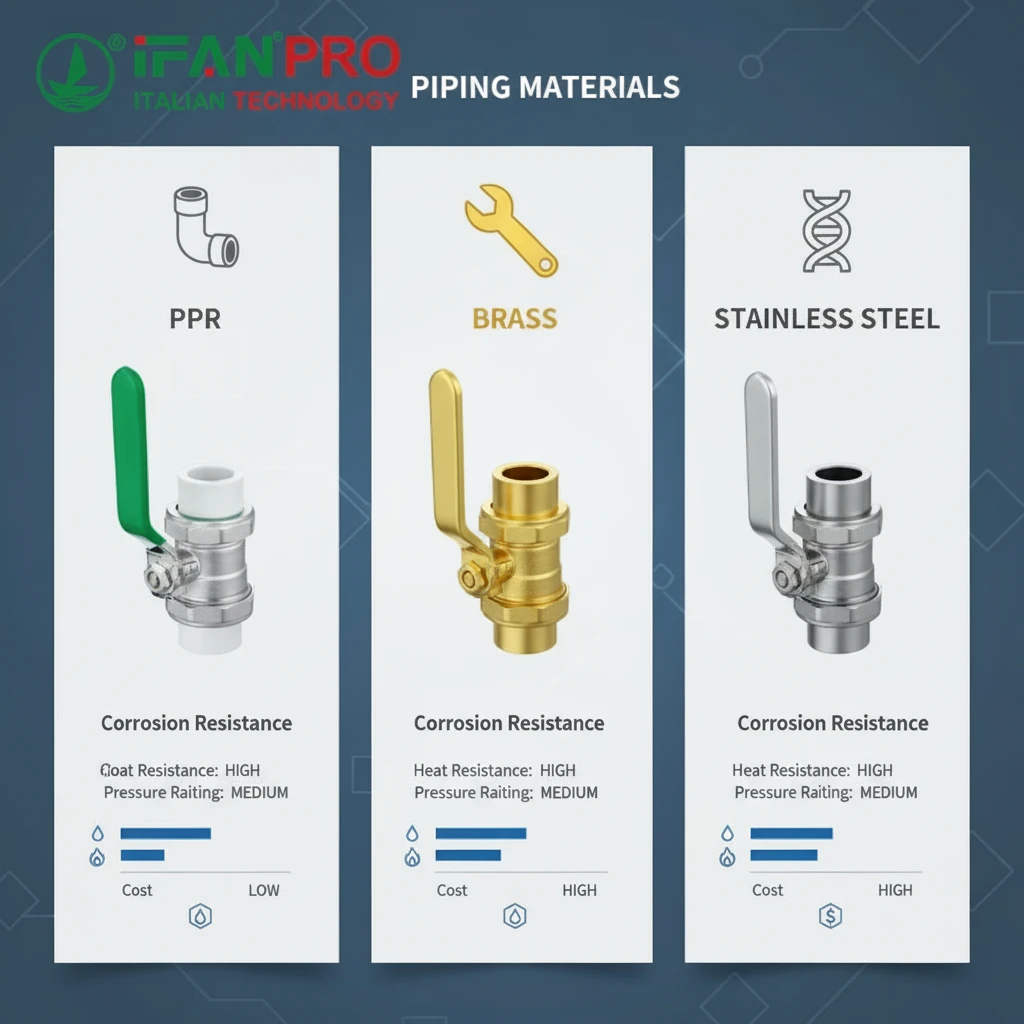
When clients come to us with new projects, we don’t just sell pipes. We ask about their water chemistry, operating temperatures, and pressure requirements. This information guides material recommendations. Often, PP-R combined with DZR brass valves provides the optimal balance of corrosion resistance and cost. For aggressive chemical service, we source appropriate specialty materials.
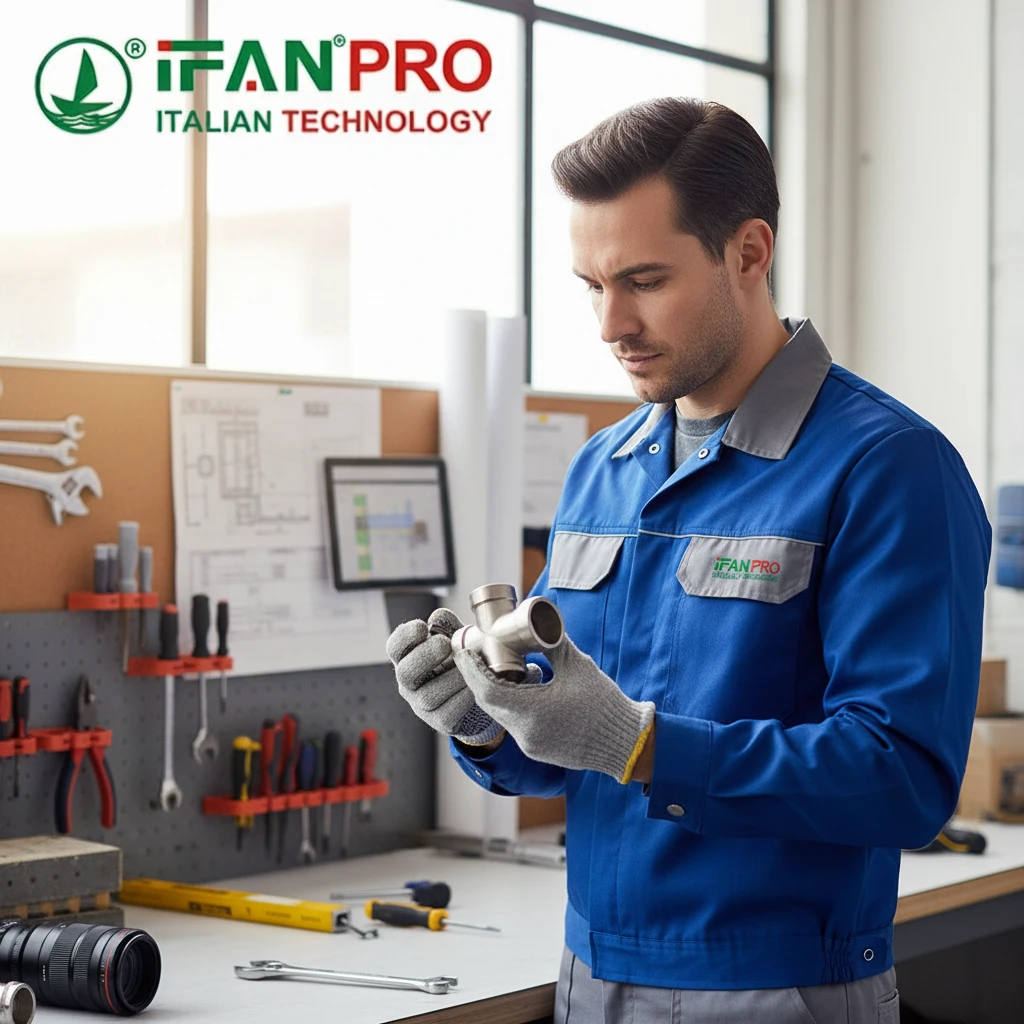
Proper selection also extends to fittings, seals, and joining methods. We ensure all system components are compatible, eliminating hidden weak points.
How Can Regular Inspection and Maintenance Extend Corrosion Protection?
Even the best materials need attention. I’ve watched well-designed systems fail simply because no one looked at them for years.
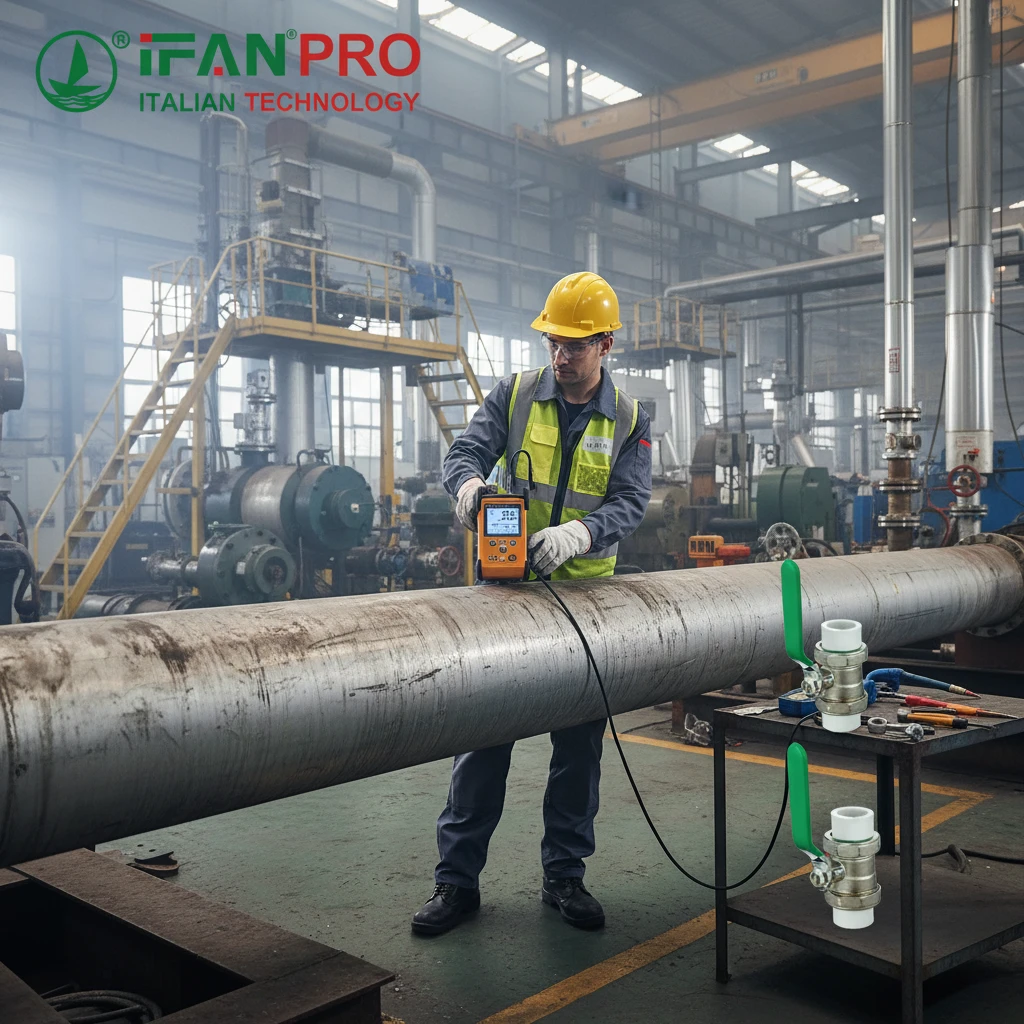
Regular inspection and maintenance extend corrosion protection by catching problems early—before small leaks become catastrophic failures. Visual inspections identify surface corrosion, leaks, or staining. Ultrasonic testing measures wall thickness to track material loss. Maintenance activities like flushing, coating repair, and anode replacement preserve the system’s protective measures.
Building an Effective Inspection Program
An inspection program doesn’t need to be complex. It needs to be consistent and documented. We help clients establish programs tailored to their systems and risks.
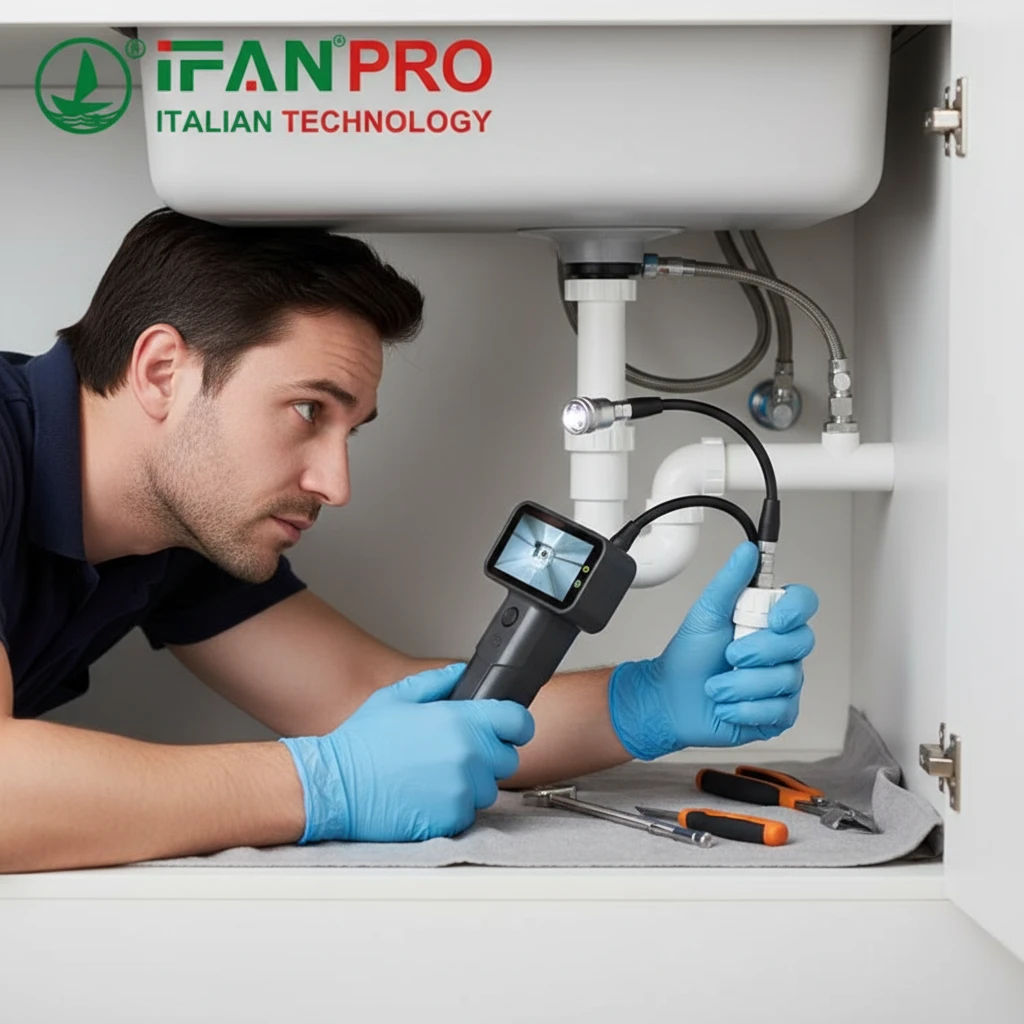
Visual Inspections:
The simplest and most valuable tool. Walk the system regularly, looking for:
- Rust staining on pipe surfaces or floors
- Wet spots, drips, or mineral deposits
- Bulging, blistering, or flaking paint/coatings
- Corrosion around fittings, valves, and supports
Frequency depends on system criticality. High-pressure steam lines might need weekly checks. domestic water lines might need quarterly reviews.
Ultrasonic Thickness Testing:
For metal pipes, this non-destructive test measures actual wall thickness. Comparing measurements over time reveals corrosion rates. If a pipe loses 10% of its wall thickness in one year, you know it will fail in 5-10 years. This allows planned replacement rather than emergency response.
We recommend baseline thickness readings on new installations, then annual or biannual checks on critical systems.
Chemical Analysis:
Testing water chemistry periodically identifies changes that affect corrosion. A shift in pH, increased chlorides, or rising conductivity all signal potential problems. Adjusting water treatment or adding inhibitors can protect the system.
Maintenance Activities That Protect
| Maintenance Task | Purpose | Frequency |
|---|---|---|
| Flushing | Remove sediment and stagnant water that promote corrosion | Quarterly or as needed |
| Coating Inspection/Repair | Maintain barrier protection on steel pipes | Annually |
| Valve Exercise | Prevent seizure, verify function | Semi-annually |
| Sacrificial Anode Replacement | Protect steel tanks and water heaters | Per manufacturer (typically 3-5 years) |
| Gasket/Seal Inspection | Replace degraded seals before they leak | Annually |
Common Client Mistakes
We frequently see three maintenance errors:
1. Out of sight, out of mind: Clients focus on accessible pipes but ignore pipes in ceilings, crawl spaces, or buried. Corrosion often starts where nobody looks.
2. Treating symptoms, not causes: Painting over rust without addressing the moisture source or water chemistry is temporary. The corrosion continues underneath.
3. Incomplete documentation: Without records, you can’t track changes. Photos and thickness measurements over time reveal trends.
Practical Recommendations
For industrial clients, we suggest:
- Create a simple log for each system section
- Take dated photos of corrosion-prone areas
- Measure and record wall thickness at marked test points
- Review data annually to spot trends
This approach transforms reactive maintenance into proactive management. You replace components on your schedule, not when they fail at 3 AM.
Conclusion
Corrosion protection requires the right materials, quality components like IFANPRO’s DZR brass valves, and regular maintenance. For a complete corrosion-resistant industrial plumbing system, choose IFAN’s PP-R pipes and IFANPRO valves backed by expert material selection guidance.










 Français
  English
  Русский
  Español
Commentaires récents