
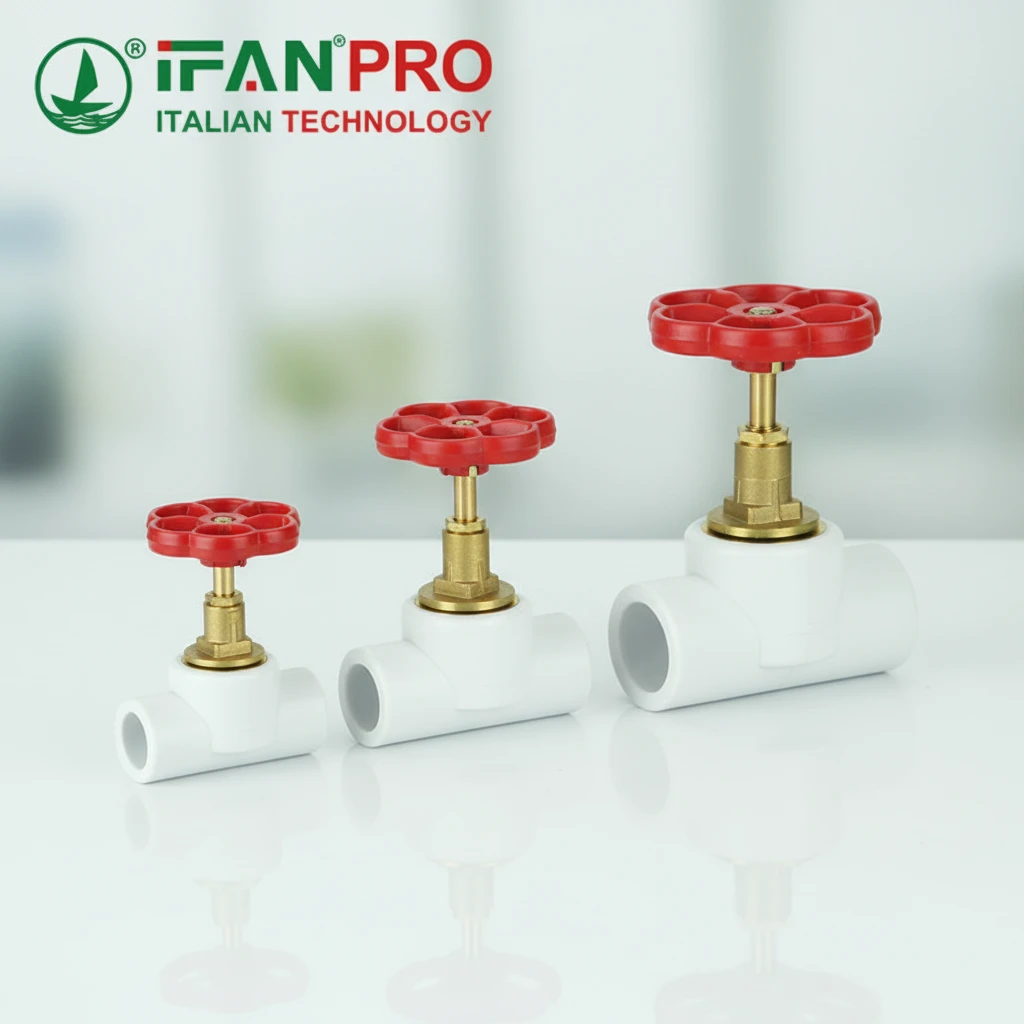
I once watched a farmer struggle with mismatched valves across his property. That experience showed me why a clear understanding of valve sizing matters for system success.
PPR gate valves from 20mm to 32mm serve distinct purposes across residential, commercial, and agricultural settings. The 20mm valves excel in precise flow control for home HVAC and small garden lines. The 25mm size offers versatility for commercial buildings. The 32mm valves handle main distribution in large farms. Despite size differences, the same core design principles ensure reliable performance everywhere.
Let’s explore how each valve size fits its specific role in modern plumbing and irrigation systems.
How Do 20mm Valves Integrate into Residential HVAC and Small-Scale Irrigation Lines?
Homeowners often overlook valve sizing. I’ve seen oversized valves cause pressure issues in small residential systems.
The 20mm PPR gate valve integrates perfectly into residential applications because its smaller port matches the flow requirements of home systems. In HVAC, it controls hot water flow to individual radiators or fan coils. In small gardens, it manages drip irrigation lines or feeds to specific zones, providing precise shut-off without restricting flow unnecessarily.
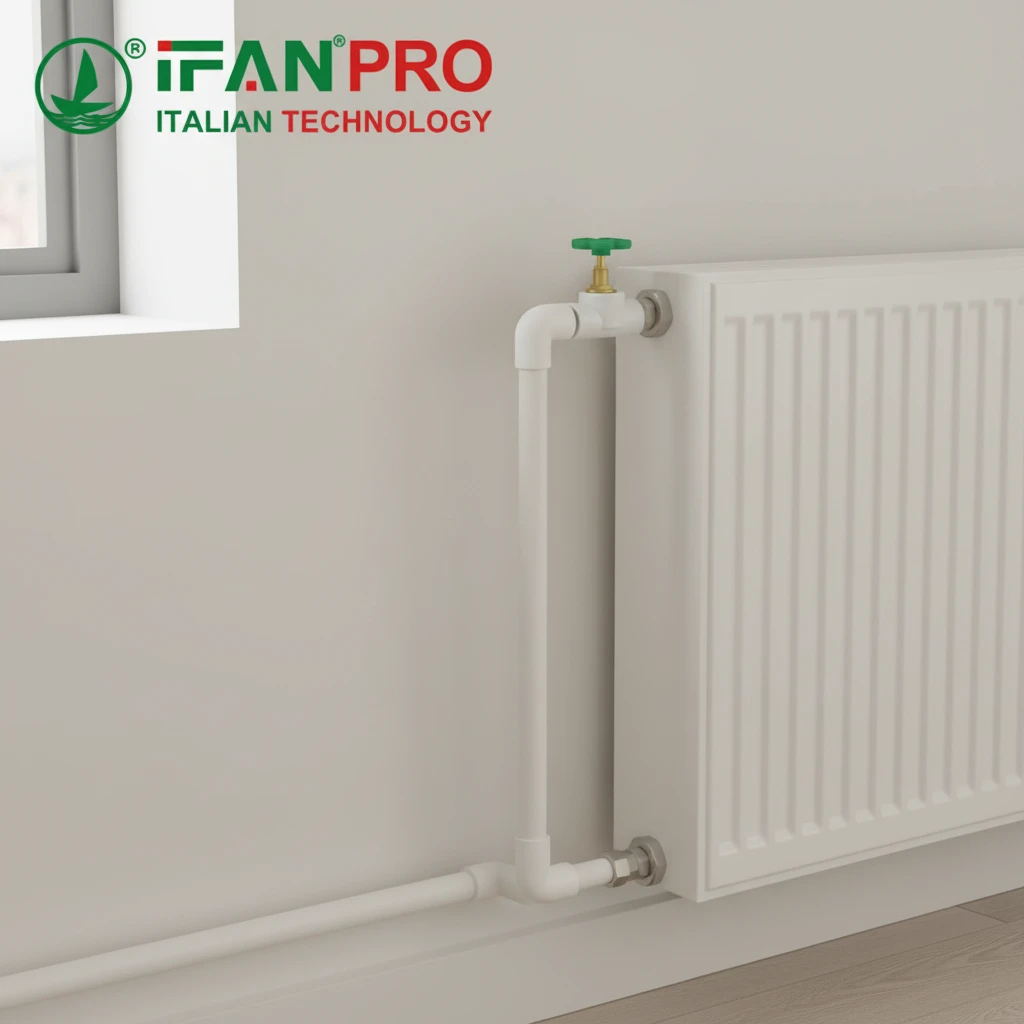
Residential HVAC Applications
In a typical home heating system, you need control at multiple points. The 20mm valve fits this need perfectly.
For radiator circuits, the 20mm size matches the common pipe diameter used in most homes. When you install a 20mm gate valve at each radiator, you can isolate individual units for maintenance. This means if one radiator leaks, you don’t have to drain the entire system. You simply close the valve, fix the problem, and reopen it.
For underfloor heating manifolds, 20mm valves often control each loop. They provide positive shut-off when you need to balance the system or repair a specific zone. The full-bore design of a gate valve ensures minimal pressure drop, which matters for efficient heat distribution.
Small-Scale Irrigation Integration
For home gardens, precision matters. You don’t want a massive valve that takes forever to turn or floods your delicate plants.
The 20mm gate valve works well for:
- Drip irrigation headers: It controls flow to multiple drip lines from a main supply.
- Garden hose connections: Many hose bibs use 20mm connections internally.
- Small greenhouse zones: It isolates sections of a greenhouse watering system.
The key advantage here is size. A 20mm valve is compact enough to fit in tight spaces. Its handle is easy to operate by hand, and it doesn’t require excessive force to open or close.
Installation Best Practices for Homeowners
From our experience at IFAN, we recommend:
| Consideration | Why It Matters |
|---|---|
| Accessibility | Install valves where you can reach them easily. Don’t bury them behind walls or under floors. |
| Support the pipe | Gate valves add weight. Support both sides to prevent stress on connections. |
| Open fully or close fully | Gate valves work best fully open or fully closed. Partially open positions can cause vibration. |
| Match pipe size | Always use 20mm valves with 20mm pipe. Adapters add potential leak points. |
The 20mm gate valve serves as the workhorse of residential systems. It provides reliable control without complexity.
What Makes 25mm Valves the Versatile Choice for Commercial Building Applications?
Commercial buildings present unique challenges. I’ve helped design systems for offices and shops where flexibility matters most.
The 25mm PPR gate valve offers the ideal balance between flow capacity and space efficiency for commercial applications. It handles the increased water demand of multiple fixtures in office buildings, shops, and small hotels while still fitting within standard pipe chases. Its size suits both branch lines and secondary distribution in medium-sized commercial systems.
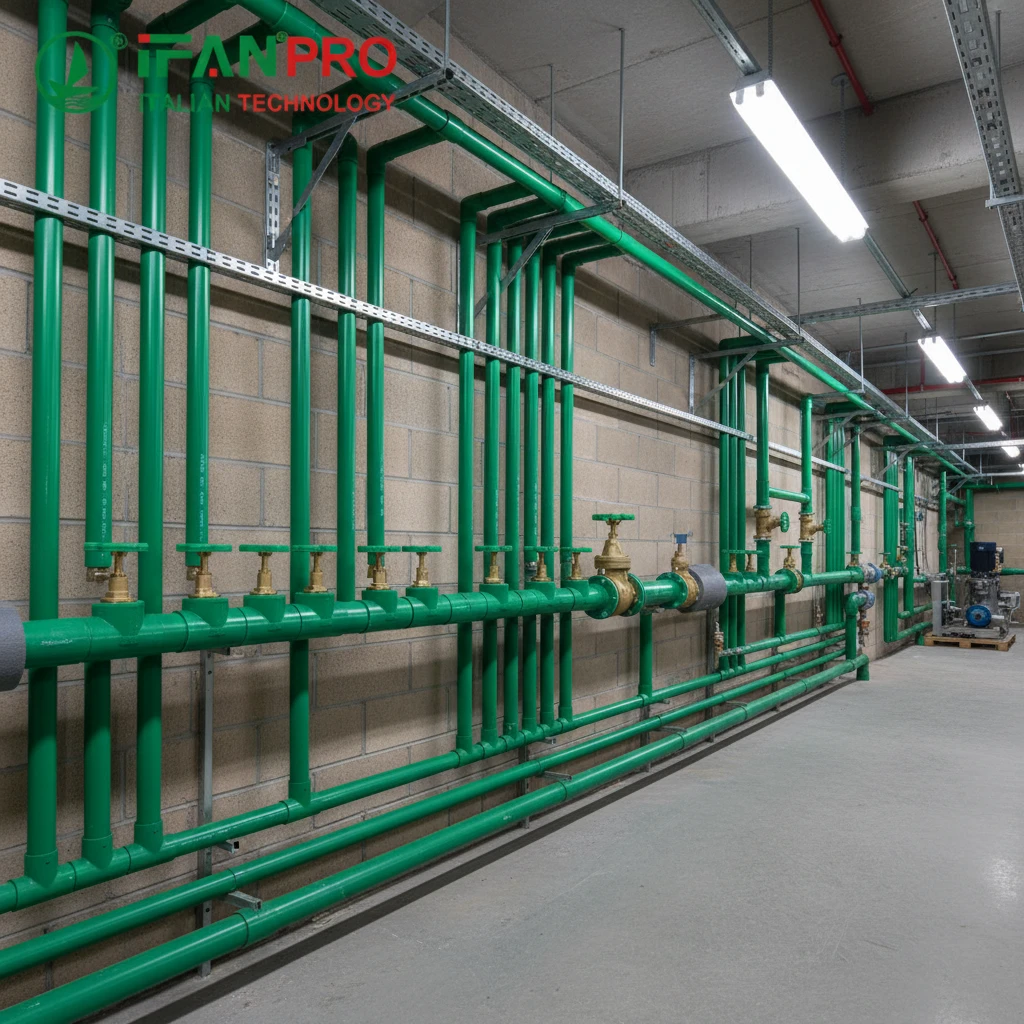
The Versatility Factor
Why is 25mm considered versatile? Because it sits right in the middle of the size range. It’s large enough to handle significant flow but not so large that it becomes cumbersome.
In commercial buildings, you often have multiple floors and multiple zones. The 25mm valve serves as the perfect zone control device. For example:
- Office floor isolation: A 25mm valve at the riser take-off for each floor allows maintenance on one level without shutting down the whole building.
- Restroom banks: Commercial restrooms with multiple fixtures benefit from 25mm isolation valves at the branch supply.
- Kitchen supply lines: Small commercial kitchens often use 25mm lines for dishwashers and sinks.
Commercial HVAC Integration
Heating and cooling in commercial spaces differ from homes. You have larger equipment and longer pipe runs.
The 25mm gate valve appears in several HVAC roles:
- Fan coil unit isolation: Each unit gets its own valve for servicing.
- Air handler branch control: Multiple air handlers on one floor can be individually isolated.
- Cooling tower makeup lines: 25mm valves control refill water to cooling towers.
The valve’s size makes it easy to install in mechanical rooms where space comes at a premium. Yet it still provides full flow when open, preventing pressure drops that affect system efficiency.
Comparing Valve Applications Across Settings
The table below shows how the same valve serves different needs:
| Application Area | Typical Use | Why 25mm Fits |
|---|---|---|
| Office Buildings | Floor isolation valves | Handles multiple fixture demand; fits in ceiling spaces |
| Retail Stores | Back-of-house supply control | Balances flow needs with compact installation |
| Small Hotels | Guest wing zone control | Manages several rooms without oversizing |
| Restaurants | Kitchen equipment supply | Provides adequate flow for commercial appliances |
Common Commercial Pain Points and Solutions
From our project experience, we see recurring issues with commercial valve selection:
Pain Point 1: Oversizing
Some specifiers choose 32mm valves “just to be safe.” This leads to bulky installations and valves that never operate in their optimal flow range.
Solution: Use 25mm where flow calculations show it matches demand. Trust the engineering.
Pain Point 2: Access Problems
Commercial valves often end up behind finished ceilings.
Solution: Plan valve locations during design. Install access panels where needed.
Pain Point 3: Mixed Materials
Some systems mix metal and plastic valves, leading to corrosion issues at connection points.
Solution: Use all-PPR systems with compatible gate valves for consistency.
The 25mm gate valve truly earns its reputation as the versatile choice. It adapts to many situations while maintaining reliable performance.
Why Are 32mm Valves Preferred for Main Distribution Lines in Large Agricultural Projects?
Farming operations demand robust solutions. I’ve seen small valves fail under the demands of large irrigation systems.
The 32mm PPR gate valve is preferred for agricultural main distribution because its larger bore handles the high flow rates required for field irrigation. It minimizes pressure loss across long distances, allowing water to reach distant parts of the farm effectively. Its durable construction withstands the outdoor conditions and frequent operation common in agricultural settings.
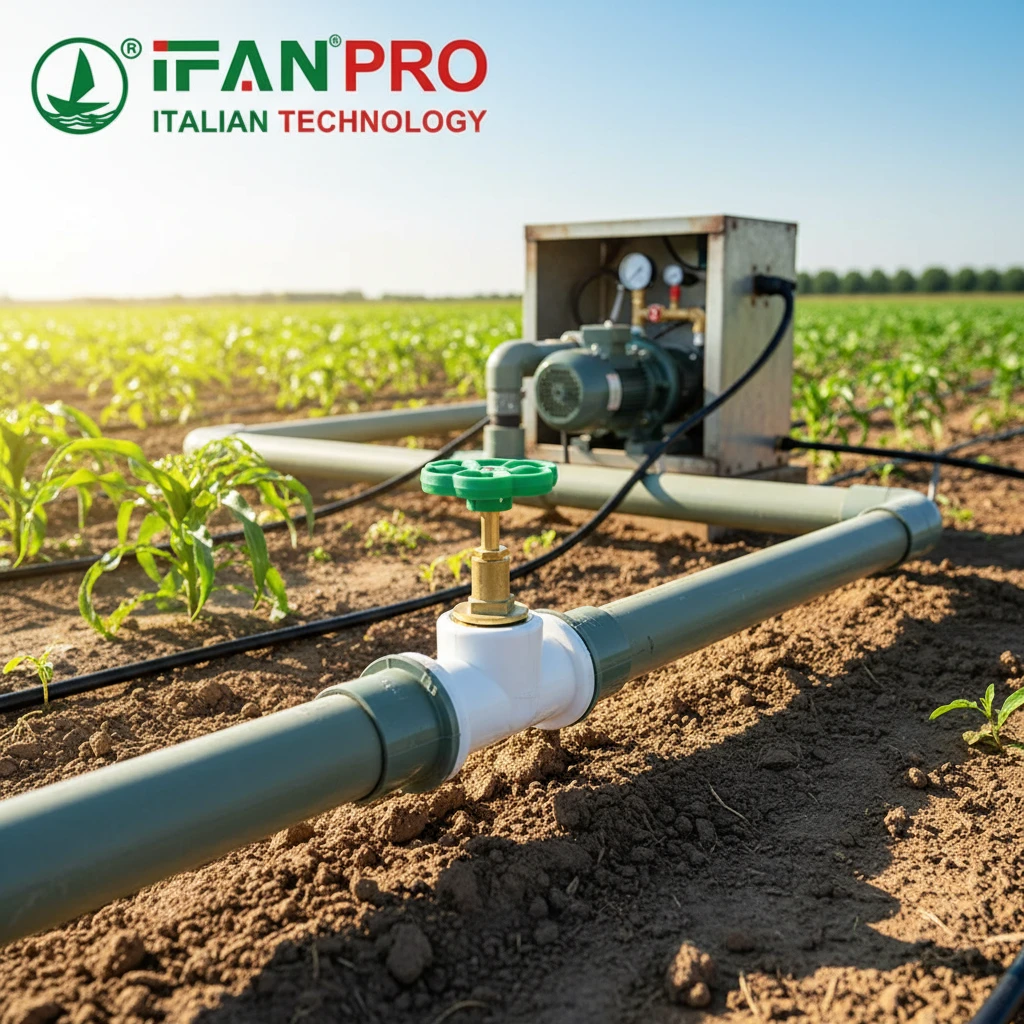
Agricultural Flow Demands
Agriculture is about moving large volumes of water. A small valve creates a bottleneck that reduces system efficiency.
The 32mm gate valve provides a significant flow advantage over smaller sizes. Consider these flow rate comparisons:
| Valve Size | Typical Flow Capacity (approx) | Best Application |
|---|---|---|
| 20mm | 30-40 liters per minute | Drip lines, individual rows |
| 25mm | 50-70 liters per minute | Secondary lines, zone control |
| 32mm | 90-120 liters per minute | Main distribution, field headers |
When you’re irrigating hectares of crops, every liter per minute counts. The 32mm valve ensures your pumps work efficiently without fighting restriction.
Main Distribution Line Control
In large agricultural projects, the distribution system resembles a tree. The trunk is the main line, and branches feed individual fields.
The 32mm valve typically serves at:
- Pivot points: Where the main line splits into multiple directions.
- Field entry points: Where water enters specific crop areas.
- Reservoir outlets: Controlling flow from storage tanks or ponds.
- Pump discharge: Immediately after the pump for system isolation.
These locations require valves that can open fully for maximum flow and close tightly to prevent waste. The gate valve design excels here because when fully open, the water path is straight through with no obstruction.
Durability Under Agricultural Conditions
Farms present harsh conditions for any equipment. Valves face:
- UV exposure: Sunlight degrades poor-quality plastics over time.
- Temperature extremes: Freezing nights and hot days stress materials.
- Physical impact: Equipment and livestock can strike exposed valves.
- Frequent operation: Irrigation schedules mean valves open and close regularly.
PPR gate valves in 32mm size handle these challenges well. The material resists UV damage better than many plastics. The valve body has thickness that withstands impact. The gate mechanism operates smoothly even after many cycles.
Practical Tips for Agricultural Installation
Based on IFAN’s work with farming clients, we suggest:
1. Bury main lines when possible.
This protects valves from UV and physical damage. Use valve boxes at access points.
2. Install upstream strainers.
Agricultural water often contains debris. A strainer before the valve prevents gate damage.
3. Consider automated operation.
For large farms, adding electric or hydraulic actuators to 32mm valves saves labor.
4. Plan for winter draining.
In cold climates, 32mm lines hold significant water. Install drain valves at low points.
The 32mm gate valve proves itself daily on farms worldwide. Its size and strength match the demands of serious agricultural production.
How Does the Same Valve Design Perform Reliably Across Such Diverse Applications?
Clients sometimes ask if one valve design can truly serve all these roles. The answer lies in smart engineering.
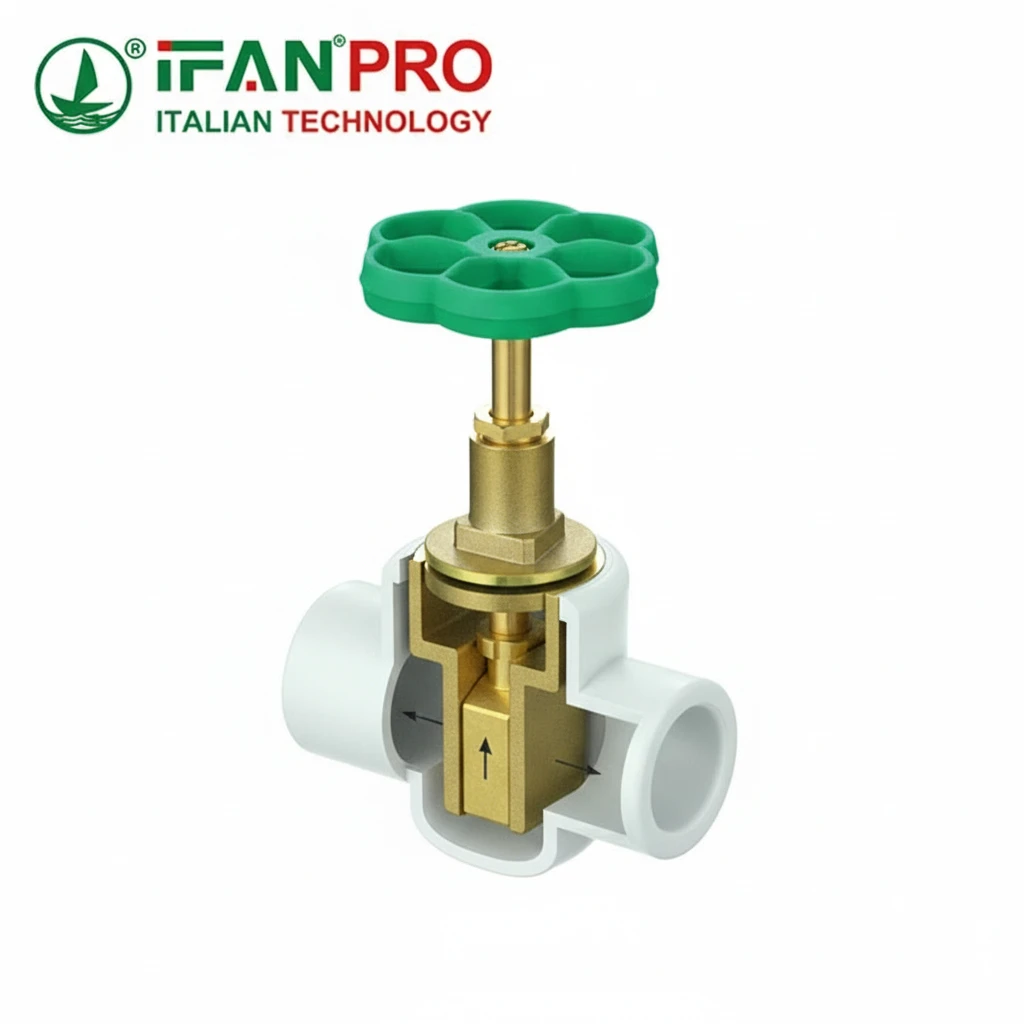
The same PPR gate valve design performs reliably across diverse applications because its fundamental operating principle remains consistent regardless of size. The rising stem gives visual indication of valve position. The wedge gate provides positive shut-off. The PPR body offers corrosion resistance and chemical compatibility. These core features work identically whether the valve is 20mm in a home or 32mm on a farm.
The Universal Gate Valve Principle
All gate valves share a common operating principle. A flat or wedge-shaped gate moves up and down to control flow. When the gate lifts completely, water passes straight through with minimal resistance. When the gate lowers fully, it seals against seats to stop flow completely.
This simple mechanism works for any size. Scaling from 20mm to 32mm simply means making all components proportionally larger. The engineering principles remain identical.
Material Consistency Across Sizes
PPR gate valves use the same material family regardless of size. This matters for several reasons:
- Chemical compatibility: The same PPR material resists the same chemicals. A 20mm valve in a home handles potable water just as a 32mm valve in a farm handles irrigation water.
- Thermal expansion: All sizes expand and contract at the same rate. This simplifies system design when mixing sizes.
- Joining methods: Installers use the same socket fusion techniques for all sizes. No special training needed for different valve dimensions.
- Long-term performance: The material’s 50-year lifespan applies across the size range.
Features That Translate Across Applications
| Feature | How It Works in All Sizes | Benefit Across Applications |
|---|---|---|
| Rising Stem | Stem rises as valve opens; visible position indicator | Homeowner or farm worker can instantly see if valve is open or closed |
| Non-Rising Stem Option | Stem stays stationary; gate moves on threaded spindle | Works in tight spaces for all pipe sizes |
| Full Port Design | Internal diameter matches pipe ID when fully open | Minimizes pressure drop in any size system |
| EPDM Seals | Consistent sealing material across product line | Reliable shut-off whether for drinking water or irrigation |
Quality Control as the Great Equalizer
The single most important factor for consistent performance across applications is manufacturing quality. A poorly made 20mm valve fails just as quickly as a poorly made 32mm valve.
At IFAN, we apply the same quality standards to every valve we produce:
- Material verification: We test raw material batches to confirm PPR properties.
- Dimensional checks: We verify that sealing surfaces meet specifications.
- Pressure testing: We test every valve before shipment.
- Cycle testing: We sample valves for long-term operation verification.
This commitment means a customer installing a 20mm valve in a residential HVAC system receives the same reliability as a farmer installing a 32mm valve in a main irrigation line.
Adapting to Different Media
While the basic design remains the same, PPR gate valves handle various fluids effectively:
- Potable water: The material meets drinking water standards for homes.
- Heating system water: PPR handles the temperatures in HVAC systems.
- Agricultural water: The material resists fertilizers and soil chemicals.
- Chilled water: PPR performs well in cooling applications too.
This versatility comes from the material properties, not from changes to the valve design. One basic design serves many masters.
Conclusion
From 20mm residential valves to 32mm agricultural main lines, PPR gate valves offer reliable performance across all applications. For quality valves in every size, choose IFAN’s complete range of PPR gate valves with certified materials and precision manufacturing.













 Français
  English
  Русский
  Español
Commentaires récents