
What Makes PPR Sockets Essential for Modern Plumbing?
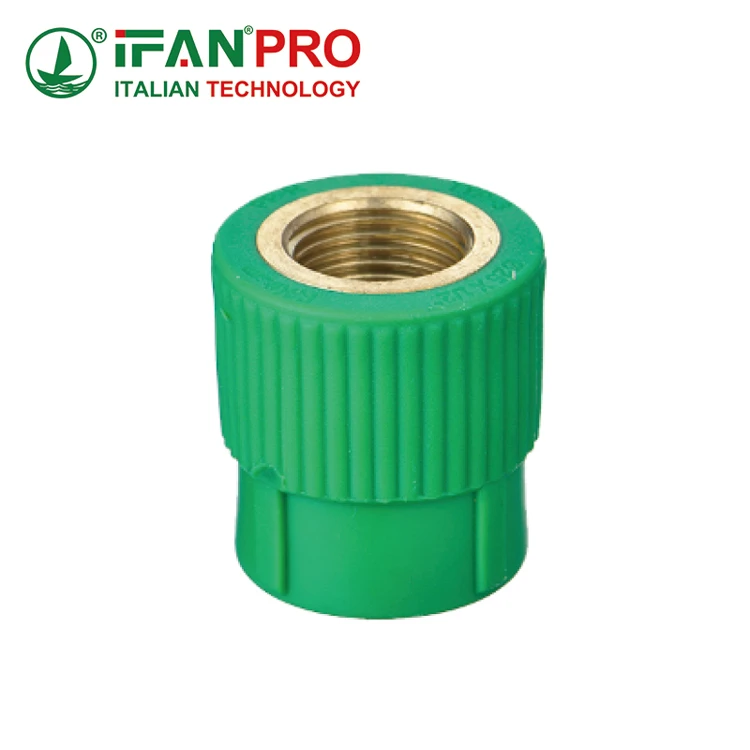
PPR sockets form the backbone of reliable plumbing systems. These polypropylene random copolymer fittings connect pipes seamlessly. They resist corrosion, handle high temperatures, and last decades.
Professional contractors choose PPR sockets for their durability. Homeowners love their leak-proof performance. The fusion welding process creates permanent, strong joints.
Why Factory-Direct PPR Sockets Cost Less
Buying directly from manufacturers eliminates middleman markups. Factory pricing saves 30-50% compared to retail stores. You get the same quality at wholesale rates.
Chinese PPR socket factories lead global production. Advanced equipment ensures consistent quality. Automated processes keep costs low without compromising standards.
Direct Factory Benefits:
- Bulk pricing available
- Custom specifications accepted
- Quality control oversight
- Fast production times
- Technical support included
Quality Standards That Matter
High-grade PPR raw materials ensure long-term performance. ISO 9001 certified factories maintain strict quality protocols. Each socket undergoes pressure testing before shipping.
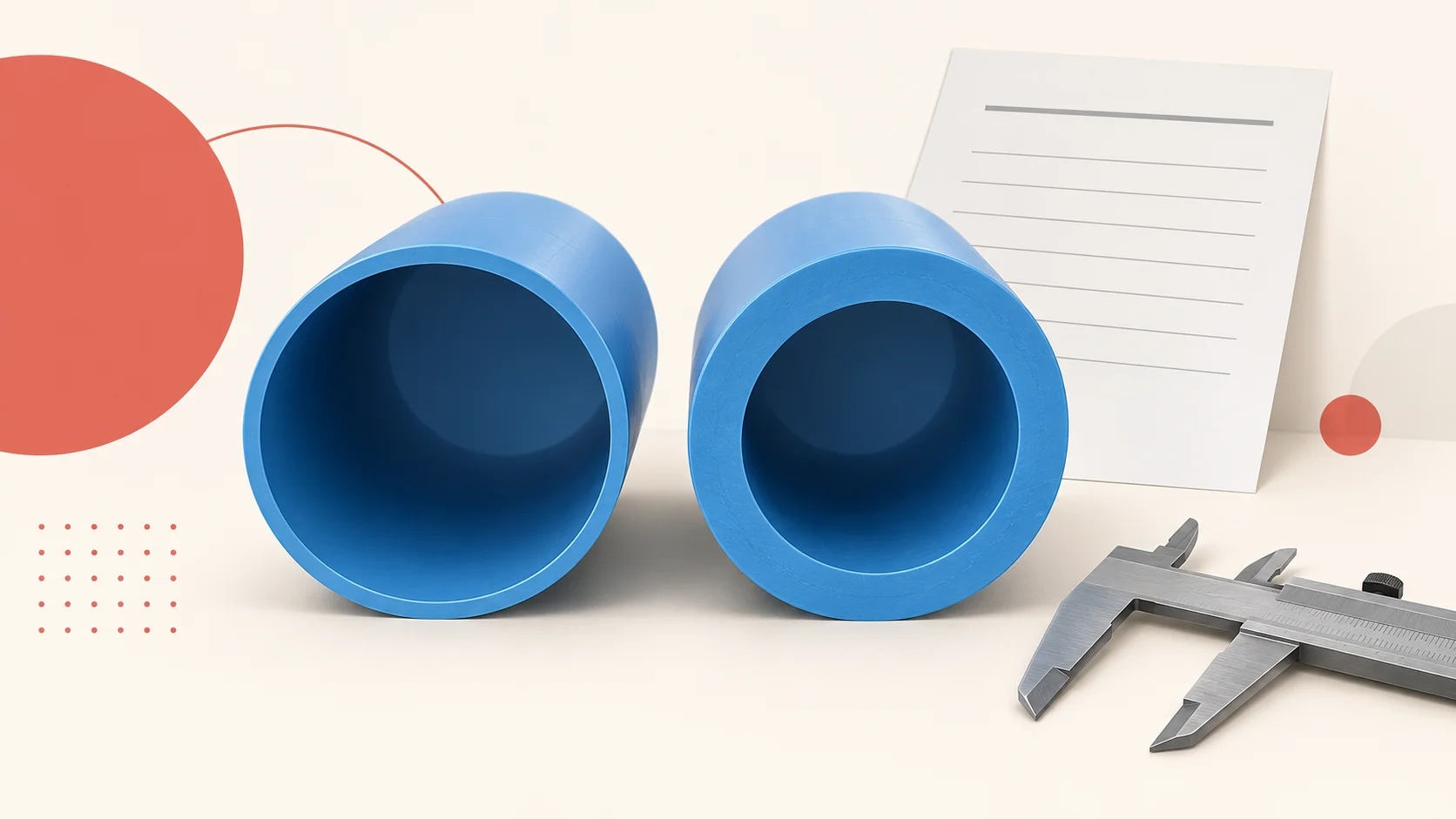
Wall thickness consistency prevents weak points. Smooth interior surfaces maximize flow rates. Precision molding creates perfect fitting tolerances.
Premium PPR sockets resist:
- Chemical corrosion
- UV degradation
- Temperature extremes
- Impact damage
- Bacterial growth
Common PPR Socket Applications
Residential Plumbing: Hot and cold water distribution systems benefit from PPR reliability. Kitchen and bathroom installations require leak-proof connections. PPR sockets handle residential pressure requirements easily.
Commercial Projects: Hotels, hospitals, and office buildings use PPR extensively. Large-diameter applications need robust socket designs. Commercial systems demand long-term reliability.
Industrial Uses: Chemical processing plants require corrosion resistance. Food processing facilities need hygienic materials. PPR sockets meet stringent industrial standards.
Size Options and Specifications
PPR sockets come in standard metric sizes from 20mm to 160mm. Common residential sizes include 20mm, 25mm, and 32mm. Commercial applications often need 50mm, 75mm, and 110mm options.
Wall thickness varies by pressure rating. PN16 and PN20 ratings handle most applications. PN25 sockets suit high-pressure systems.
Socket depths ensure proper pipe insertion. Color coding helps identify different pressure ratings. Green typically indicates PN16, while white shows PN20.
Installation Best Practices
Proper heating temperature ensures strong joints. PPR welding machines must reach 260°C precisely. Heating time depends on pipe diameter and wall thickness.
Clean cutting creates smooth pipe ends. Remove any burrs or debris before welding. Proper alignment prevents stress concentrations.
Socket fusion requires specific timing:
- Heat both surfaces simultaneously
- Join quickly after removing heat
- Hold steady during cooling period
- Allow full cure time before testing
Cost Factors Affecting PPR Socket Prices
Raw material costs fluctuate with oil prices. Polypropylene pricing impacts final socket costs. Factory efficiency reduces production expenses significantly.
Order quantity affects unit pricing dramatically. Larger orders qualify for volume discounts. Shipping costs decrease per unit with bigger quantities.
Quality certifications add value but increase costs. Premium grades cost more than standard options. Custom colors or specifications may require minimum orders.
Comparing PPR to Alternative Materials
PVC Sockets: Lower initial cost but limited temperature range. Chemical resistance varies by formulation. Installation requires solvent cementing instead of fusion welding.
Copper Fittings: Higher material costs and labor requirements. Excellent durability but prone to theft. Thermal expansion issues in long runs.
PEX Connections: Flexible installation but requires special tools. Crimped connections may loosen over time. UV sensitivity limits outdoor applications.
Quality Control in PPR Socket Manufacturing
Modern factories use automated inspection systems. Dimensional accuracy gets verified continuously. Pressure testing confirms structural integrity.
Raw material testing ensures consistent quality. Melt flow index measurements verify processability. Impact resistance testing simulates real-world conditions.
Batch tracking enables quality traceability. Production records document all parameters. Customer feedback drives continuous improvement.
Customization Options Available
Factory-direct ordering enables custom specifications. Non-standard sizes accommodate unique applications. Special pressure ratings meet specific requirements.
Color customization helps system identification. Corporate branding options available for distributors. Packaging modifications reduce handling costs.
Lead times vary by customization complexity. Standard modifications ship within normal timeframes. Completely new designs require longer development periods.
Environmental and Sustainability Benefits
PPR sockets contain no heavy metals or harmful chemicals. Recyclable materials support circular economy principles. Long service life reduces replacement frequency.
Manufacturing processes minimize waste generation. Energy-efficient production reduces carbon footprint. Local sourcing options cut transportation emissions.
PPR systems require less maintenance than alternatives. Smooth surfaces resist scale buildup. Corrosion resistance eliminates replacement needs.
Selecting the Right Supplier
Factory certifications indicate quality commitment. ISO 9001, CE marking, and NSF approval show compliance. Long operating history suggests stability.
Technical support capabilities matter for complex projects. Engineering assistance helps optimize system design. Training programs ensure proper installation.
Delivery reliability affects project schedules. Multiple shipping options provide flexibility. Local inventory reduces lead times significantly.
Maintenance and Longevity
PPR sockets require minimal maintenance once installed. Visual inspections check for obvious damage. Pressure testing verifies system integrity periodically.
Proper installation ensures 50-year service life. Quality materials resist degradation over time. Fusion welded joints never require replacement.
System expansion accommodates future modifications. Additional sockets integrate seamlessly with existing installations. Standard sizing ensures component availability.
Conclusion: Smart PPR Socket Purchasing
Factory-direct PPR sockets offer unbeatable value. Quality manufacturing meets cost-effective pricing. Professional applications demand reliable performance.
Choose certified suppliers with proven track records. Bulk purchasing maximizes cost savings. Proper installation ensures long-term satisfaction.
Contact reputable PPR socket manufacturers today. Compare specifications and pricing carefully. Your plumbing system deserves quality components at fair prices.




 Français
  English
  Русский
  Español
Commentaires récents