Connaissances

What Makes PVC Ideal for Irrigation?

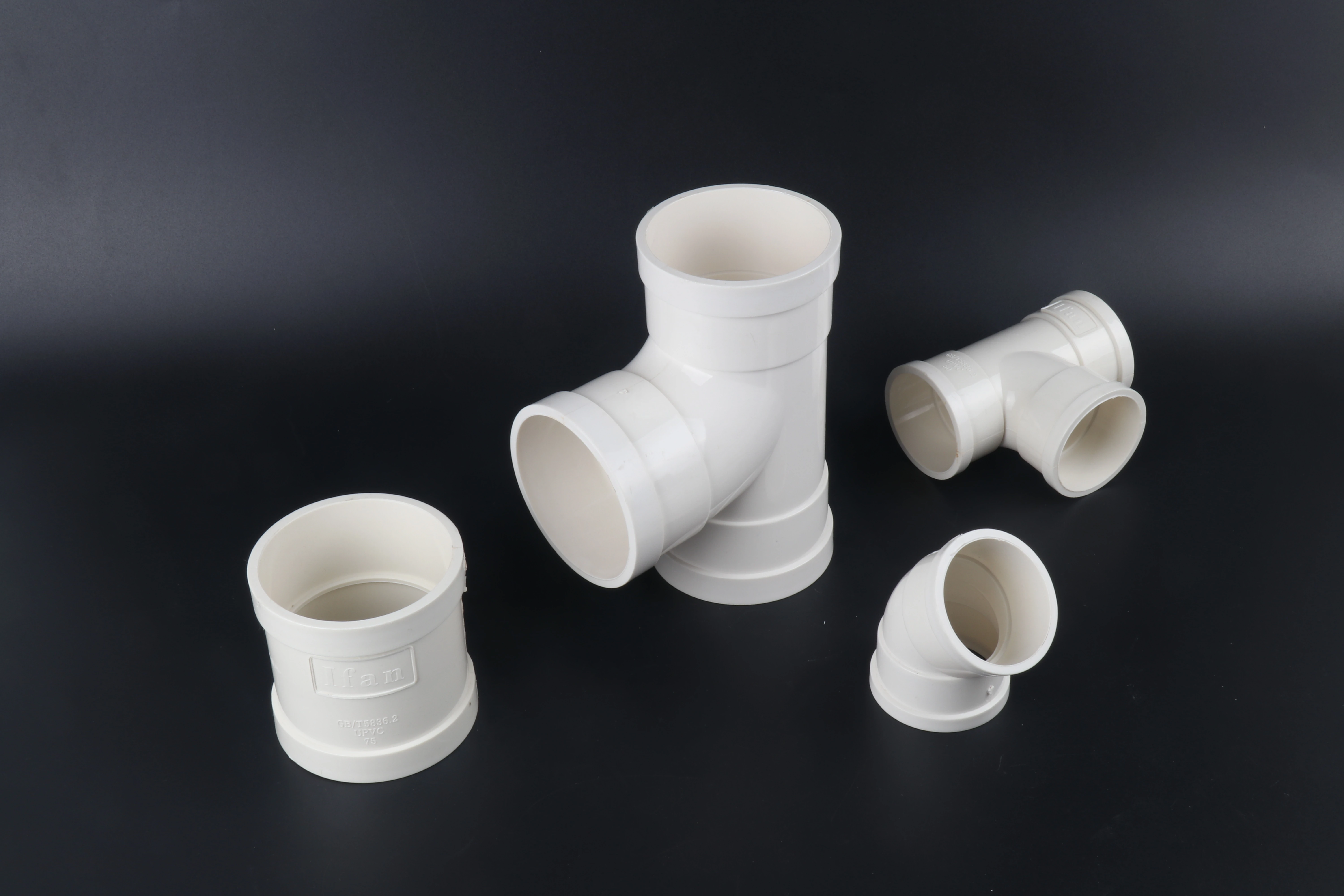
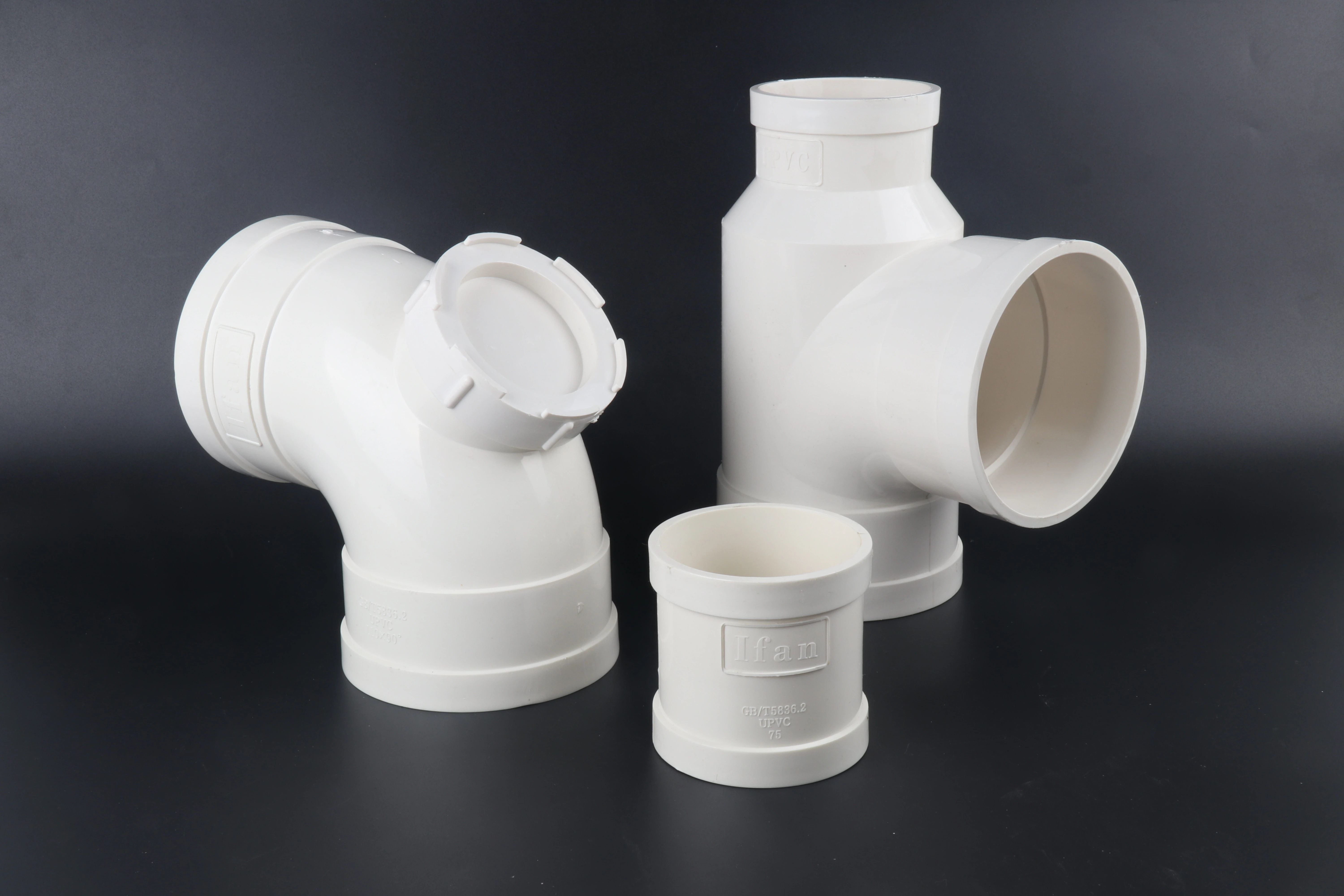
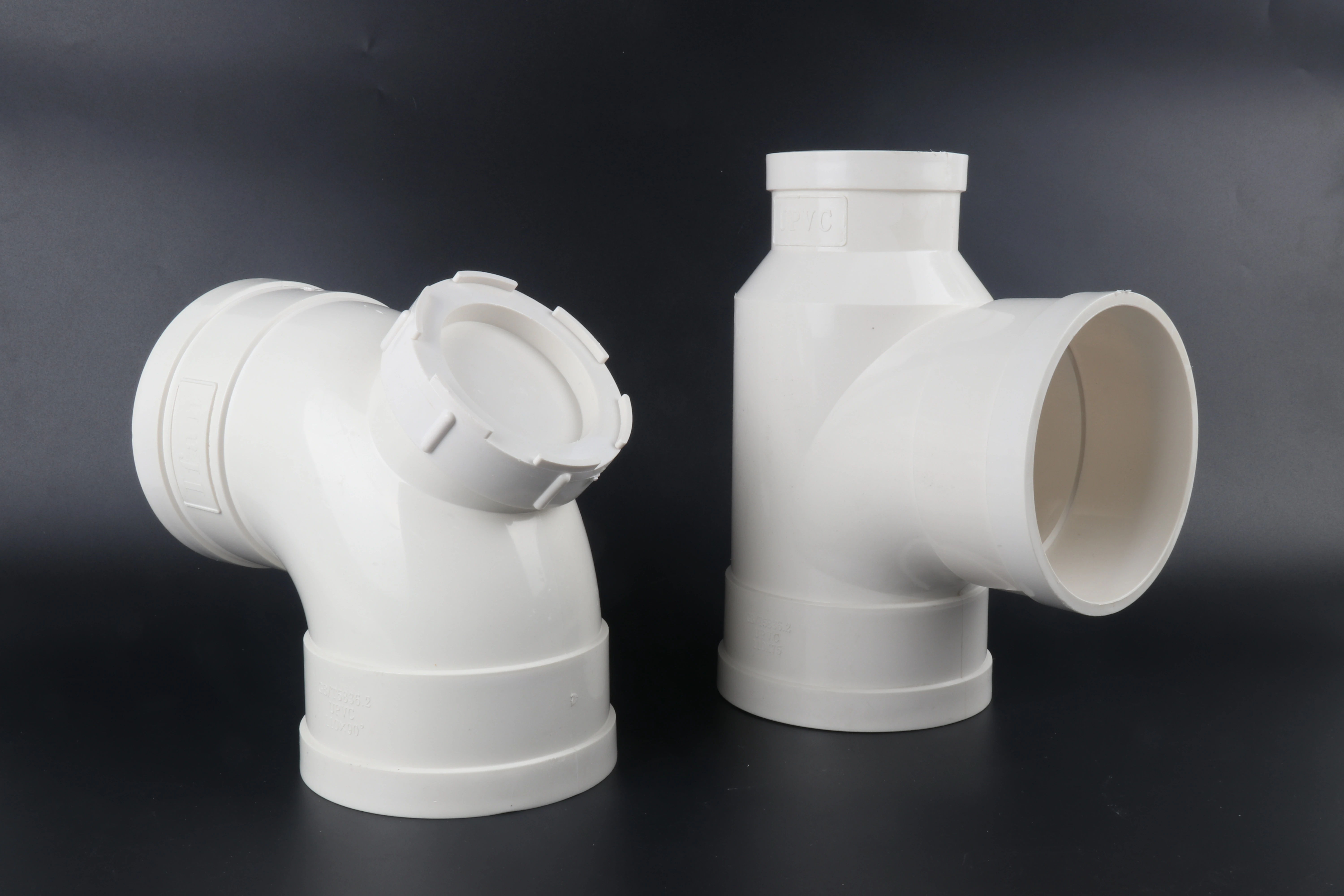
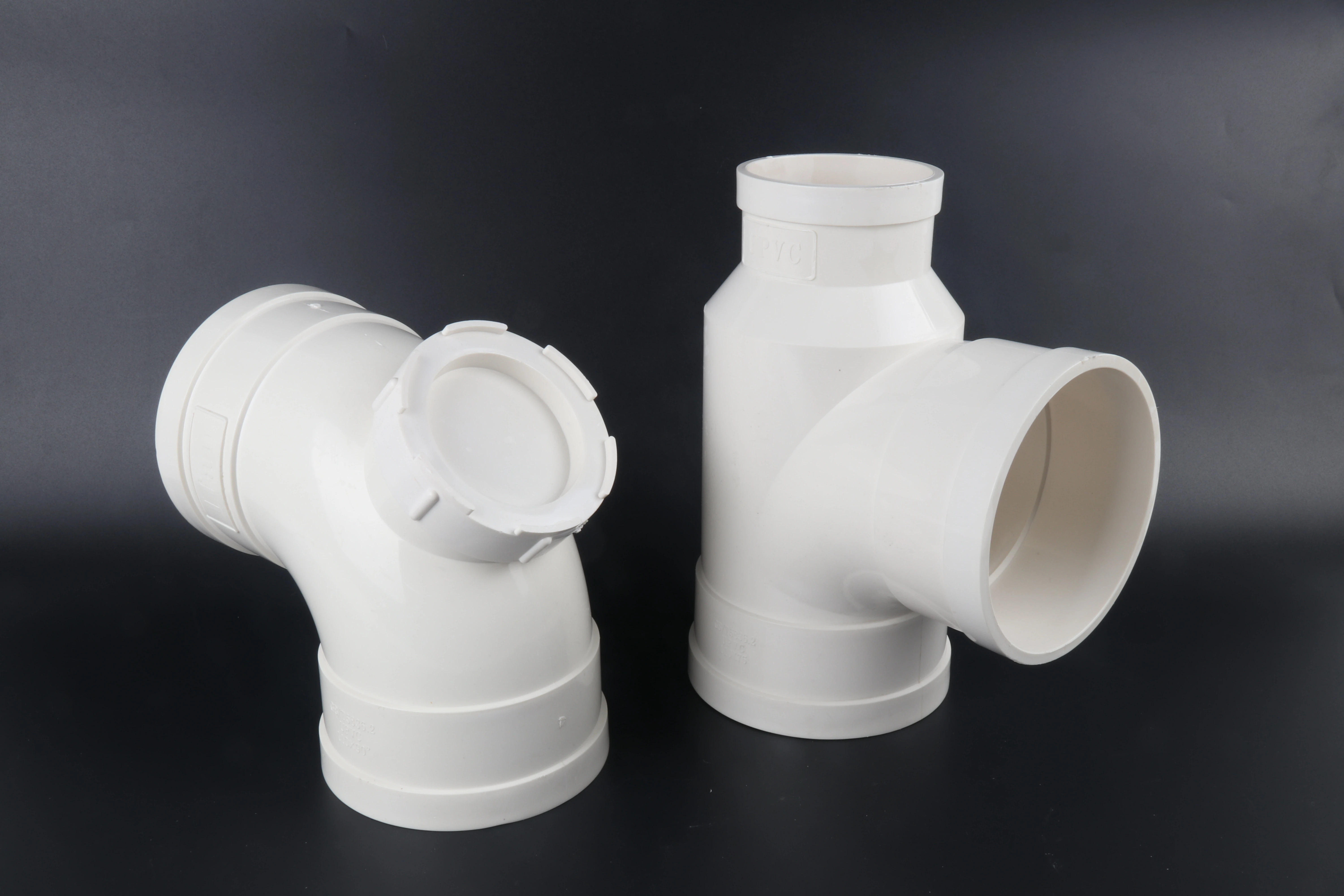
Having designed irrigation systems for agricultural projects across different climates, I’ve seen how PVC consistently outperforms alternative materials. On a recent large-scale farm installation, PVC pipes withstood aggressive soil conditions that would have corroded metal pipes within seasons, proving their long-term reliability. PVC is ideal for irrigation due to its exceptional corrosion resistance, cost-effectiveness, easy

What Makes PVC Ideal for Irrigation? Read More »

How to Cut PVC Pipes Smoothly?

During a recent irrigation system installation, I watched a novice installer struggle with a handsaw, creating jagged edges that compromised subsequent connections. The resulting leaks caused significant water damage before we identified the source. This experience reinforced how proper cutting technique fundamentally impacts PVC system integrity. Achieving smooth PVC cuts requires selecting the right tool

How to Cut PVC Pipes Smoothly? Read More »

What Temperatures Damage Cold Water PPR?

During a severe winter storm, I inspected a building where PPR pipes shattered like glass throughout the unheated areas. The extensive water damage and repair costs demonstrated how crucial it is to understand PPR’s cold temperature limitations and protection methods. PPR pipes begin experiencing brittleness and potential cracking at temperatures below 0°C (32°F), with significant

What Temperatures Damage Cold Water PPR? Read More »

Do Hot Water PPR Pipes Last Longer?

During a 15-year follow-up study of plumbing systems in residential buildings, we discovered that properly installed hot water PPR pipes showed significantly better longevity than cold water systems. Surprisingly, the controlled temperature environment of hot water systems actually contributed to extended service life when compared to cold water pipes subjected to constant temperature fluctuations. Hot

Do Hot Water PPR Pipes Last Longer? Read More »

Why Does Thermal Expansion Affect PPR Pipes?

During a hotel renovation, I witnessed how thermal expansion caused an entire PPR piping system to warp and pull away from its supports. The resulting repairs cost thousands of dollars and taught me that understanding thermal expansion is not just theoretical—it’s essential for durable installations. For context on PPR material standards, explore: ISO 15874. Thermal expansion

Why Does Thermal Expansion Affect PPR Pipes? Read More »

How to Choose Between PPR Pipe Types?

During a recent industrial project, I encountered a situation where incorrectly specified PPR pipes led to premature system failure. The client had chosen PPR80 pipes for a high-temperature application that required PPR100, resulting in costly replacements and production downtime. This experience reinforced the importance of proper PPR pipe selection. Choosing between PPR pipe types requires

How to Choose Between PPR Pipe Types? Read More »

Can Copper Sleeves Handle High Temperature?

During a industrial heating system installation, I witnessed copper sleeves fail catastrophically when exposed to temperatures beyond their rating. The resulting system shutdown and repairs cost the client thousands of dollars and taught me to always verify temperature limits before specifying copper components. Copper sleeves can safely handle temperatures up to 400°F (204°C) in most

Can Copper Sleeves Handle High Temperature? Read More »

fr_FRFrançais

Nous acceptons les échantillons gratuits, veuillez nous contacter le plus rapidement possible !

IFAN depuis 1993, offre PPR, PEX, PVC, HDPE, raccords en laiton, vannes en laiton, robinets en laiton, etc.