
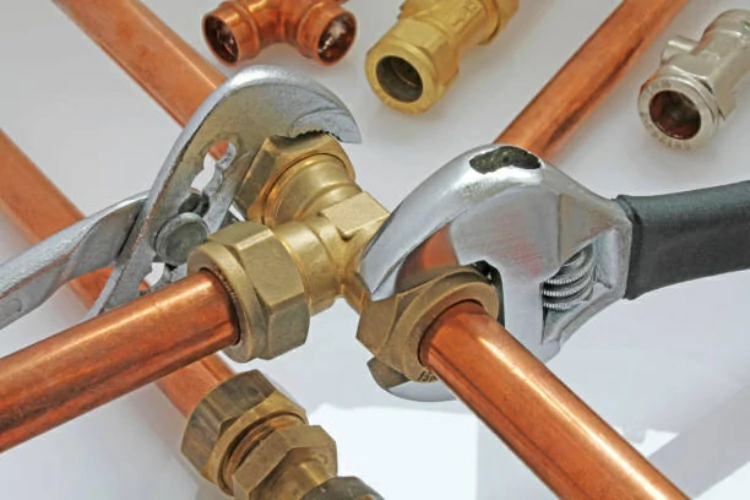
Introduction: Understanding the Corrosion Resistance of Brass Fittings
Brass fittings exhibit impressive corrosion resistance, making them a top choice in many plumbing applications. This article explores the factors behind their corrosion resistance and why they perform well in corrosive environments.
Factors Contributing to Corrosion Resistance
- Alloy Composition: Brass fitting consist mainly of copper and zinc, with varying proportions for desired traits. The addition of other elements such as lead, tin, or aluminum can further enhance the corrosion resistance of brass fitting.
- Passivation Layer: When exposed to air or moisture, brass fitting develop a thin layer of oxide on the surface known as a passivation layer. This layer acts as a protective barrier, preventing further oxidation and corrosion of the underlying metal. Regular exposure to air helps maintain and strengthen this protective layer.
- Chemical Inertness: Brass fittings display superb chemical inertness, resisting corrosive effects from acids, alkalis, and common plumbing chemicals. This inherent resistance to chemical reactions contributes to the long-term durability and reliability of brass fitting.
Applications in Corrosive Environments
- Water Supply Systems: Brass fittings serve extensively in water supply systems due to their resistance to corrosion from water and waterborne contaminants. Whether in residential, commercial, or industrial settings, brass fitting provide a reliable and long-lasting solution for conveying potable water.
- Marine Environments: In marine applications, brass fitting are exposed to saltwater and harsh environmental conditions that can accelerate corrosion in other metals. However, brass fitting maintain their integrity and performance even in saltwater environments, making them ideal for marine plumbing systems.
- Chemical Processing: Brass fitting are commonly used in chemical processing plants where exposure to corrosive chemicals is a concern. Their resistance to chemical corrosion ensures safe, reliable transport of fluids and gases without contamination or system failure.
Maintenance and Care
- Regular Cleaning: Despite their corrosion resistance, brass fittings still require regular cleaning to remove dirt, debris, and tarnish that can accumulate over time. Use mild detergent or brass cleaner with a soft cloth to clean fittings gently, avoiding surface scratches or damage.
- Protective Coatings: Applying a protective coating or sealant to brass fitting can provide an additional layer of defense against corrosion, especially in high-risk environments. These coatings create a barrier that shields the brass surface from moisture, chemicals, and other corrosive elements.
- Inspection and Monitoring: Periodic inspection of brass fitting is essential to identify any signs of corrosion, damage, or wear. Look for discoloration, pitting, or signs of deterioration, and address any issues promptly to prevent further corrosion and ensure the continued performance of the fittings.
Conclusion:
Brass fittings excel as top choices for plumbing in corrosive environments due to their corrosion resistance. By grasping the factors enhancing this trait and employing proper maintenance, brass fitting promise lasting, reliable performance, ensuring plumbing system integrity.
IFAN is a Chinese manufacturer of plastic pipes, fittings and valves with 30 years of experience. If you are interested in IFAN Raccords en cuivre, vannes en cuivre, tuyaux et raccords en plastique, veuillez nous contacter. IFAN offers you a variety of standard pipes to meet your specific needs. Click below to learn more about IFAN’s wide range of affordable and cost-effective valve products and piping system related products.
We will reply your email or fax within 24 hours.
You can call us at any time if there is any question on our production.
For more information,pls visit our webside https://ifanpro.com/
Veuillez envoyer un courrier à l'adresse suivante [email protected]
Whatsapp : + 86 19857948982











 Français
  English
  Русский
  Español
Commentaires récents