1. Introduction
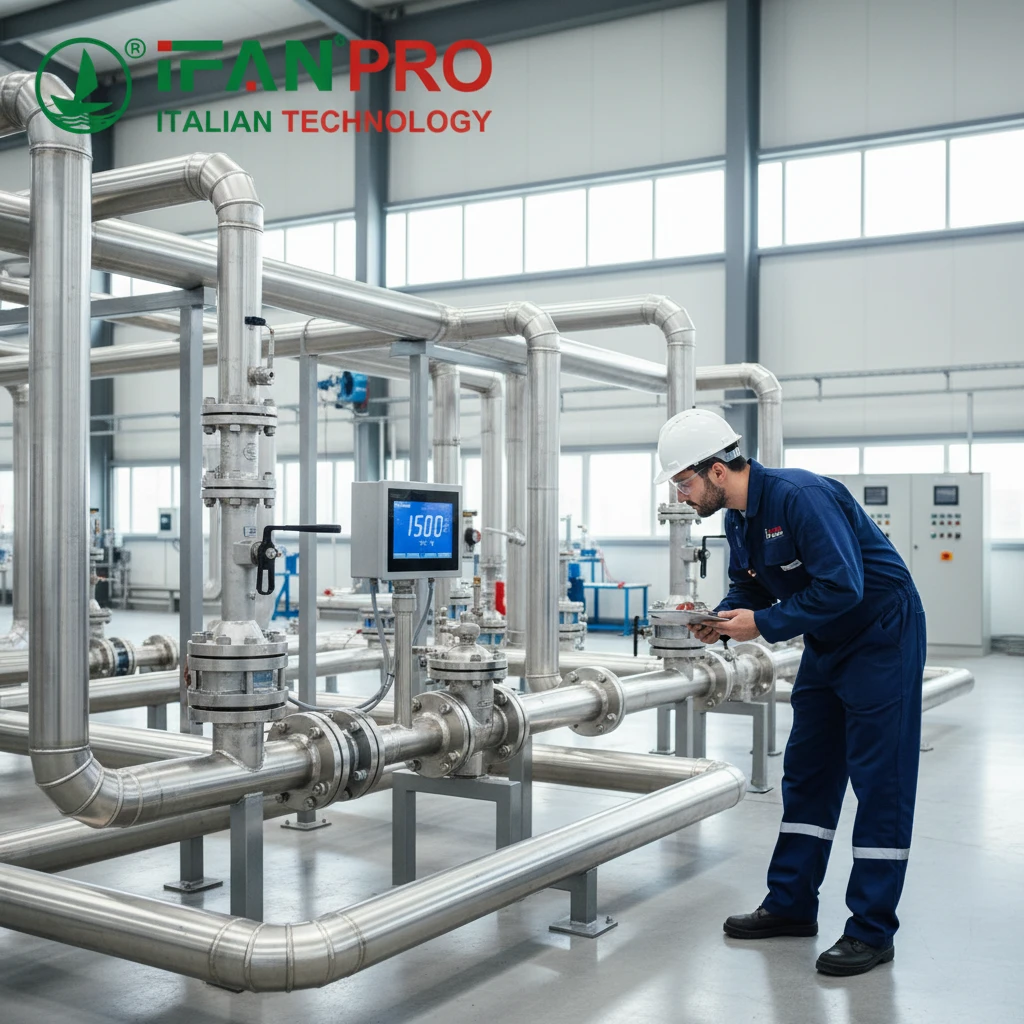
For industrial and commercial customers in sectors like water treatment, chemical processing, and construction, corrosion resistance is a critical factor in material selection. This guide explores PPR pipes’ ability to withstand corrosive environments, supported by technical data, certifications, and real-world applications.
2. PPR Material Science
2.1 Molecular Structure
- Random copolymerization of propylene and ethylene creates a non-polar matrix
- Inert chemical nature prevents reactions with most substances
2.2 Key Properties
- pH Stability: Handles extremes from 1 (strong acid) to 14 (strong alkali)
- Solvent Resistance: Resists alcohols, esters, and ketones
- Oxidation Protection: Stabilizers prevent degradation from free radicals
3. Corrosion Resistance Ratings
3.1 Acids
| Chemical | Concentration | Compatibilité | Test Standard |
|---|---|---|---|
| Hydrochloric | Up to 30% | Excellent | ASTM D543 |
| Sulfuric | Up to 50% | Good | ISO 175 |
| Nitric | Up to 20% | Fair | EN 12201 |
3.2 Alkalis
- Sodium hydroxide (50%): Excellent resistance
- Potassium hydroxide (40%): Good performance
- Ammonium hydroxide (25%): Moderate tolerance
3.3 Chlorinated Water
- Chlorine gas (Cl₂): PPR-lined steel pipes recommended
- Chloramine (NH₂Cl): Long-term resistance verified
4. Industrial Applications
4.1 Chemical Processing
- Sulfuric acid storage: DN110 PN25 PPR pipes
- Chlorine transport: PPR-lined steel systems
4.2 Water Treatment
- Chloramine disinfection: 15-year lifespan in Australian water utilities
- Alum coagulants: No leaching in NSF 61 tests
4.3 Pharmaceutical Manufacturing
- Ethanol-based cleaning: 10-year service life
- Sodium hypochlorite (20%): Successfully handled in production lines
5. Testing & Certifications
5.1 Standard Compliance
- EN 12201 (Europe): Material stability for 50 years
- ISO 10350 (International): Chemical resistance testing
- NSF/ANSI 61 (USA): Drinking water safety
5.2 Independent Test Results
- SGS report: No degradation after 10,000 hours in 30% HCl
- TÜV test: 98% integrity retention in 50% NaOH
6. Yifan Pipeline’s Solutions
As a leading manufacturer, we offer:
- Premium PPR: Enhanced stabilizers for aggressive chemicals
- Lined Pipes: PPR-lined steel for chlorine gas systems
- Custom Testing: Free chemical compatibility analysis
- Certifications: ISO 10350, EN 12201, NSF 61
7. Case Studies
7.1 German Petrochemical Plant
- Challenge: 30% hydrochloric acid transport
- Solution: DN75 PN16 PPR pipes
- Result: 15-year leak-free operation
7.2 Indian Water Utility
- Requirement: Chloramine-resistant pipes
- Product: Custom PPR formulation
- Outcome: 20% lower maintenance costs than HDPE
7.3 French Pharmaceutical Facility
- Application: Ethanol-based cleaning systems
- Performance: 98% efficiency retained after 8 years
8. FAQs
Q: Can PPR pipes handle nitric acid?
A: Yes, up to 20% concentration with proper pressure ratings.
Q: Are PPR pipes suitable for chlorinated water?
A: Yes, they are widely used in water treatment systems.
Q: Do PPR pipes require special coatings for corrosion resistance?
A: Standard PPR provides basic resistance, with enhanced coatings available for extreme environments.
9. Conclusion
PPR pipes offer excellent corrosion resistance for diverse industrial applications. [Yifan Pipeline] provides tailored solutions backed by rigorous testing. Visit ifanultra.com to explore our corrosion-resistant products or request a free compatibility report.





 Français
  English
  Русский
  Español
Commentaires récents