
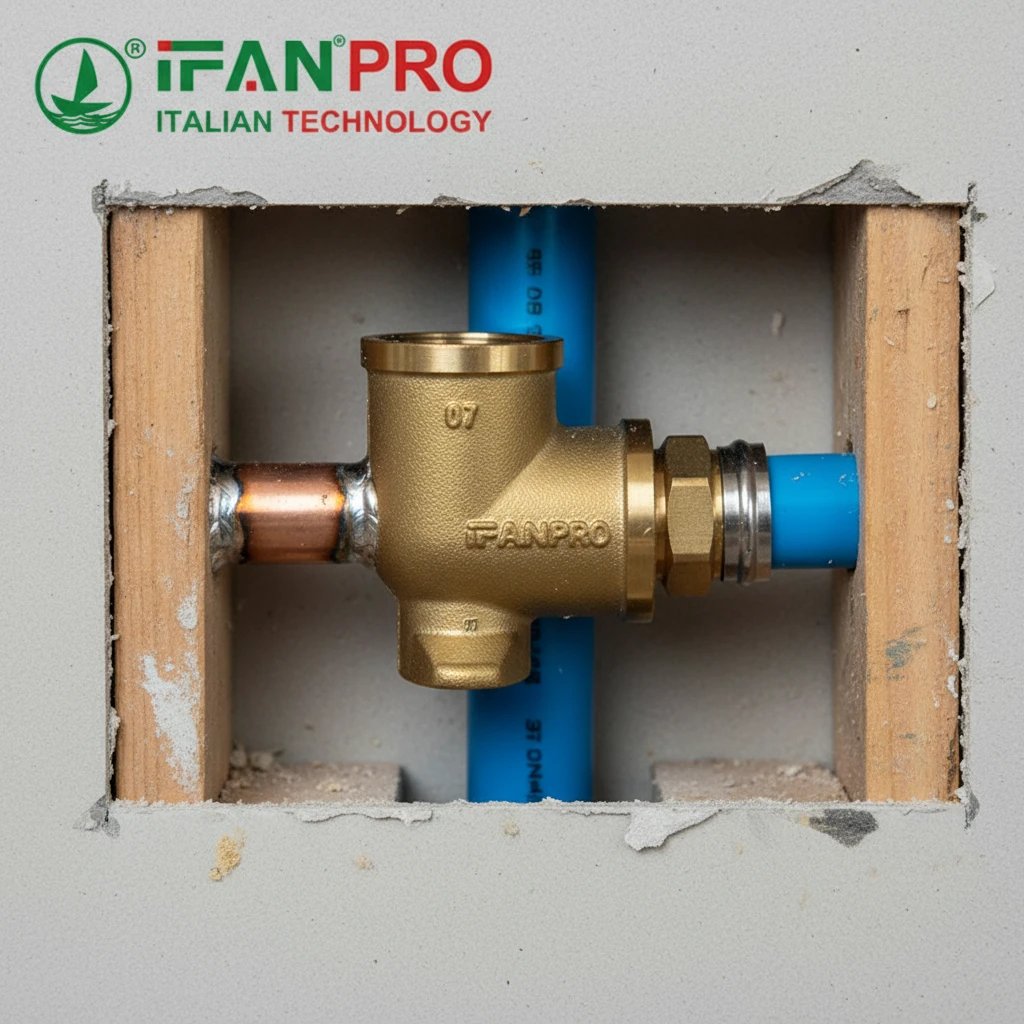
On a recent retrofit job, my team faced a maze of old copper and new PEX. Our solution? Brass elbows. They became the universal translators for the entire plumbing system.
Yes, brass elbows are fully compatible with both copper and PEX pipes. Their versatility comes from different end types: you solder a sweat-type brass elbow to copper, and you connect a threaded or barbed brass elbow to PEX using a mechanical fitting. Brass serves as an excellent, durable transition material between these different piping systems.
This compatibility makes brass a plumber’s best friend for repairs and upgrades. Let me explain exactly how to make these connections correctly and reliably.
How Do You Connect a Brass Elbow to Copper Pipe Using Soldering?
Mixing metals can be tricky, but soldering brass to copper is a classic, reliable technique. I’ve done this countless times to extend or repair existing copper lines.
You connect a brass elbow to copper pipe using a process called sweat soldering. This involves cleaning both the copper pipe end and the inside of the brass fitting’s socket, applying flux, heating the joint evenly with a torch, and then applying solder, which is drawn into the gap by capillary action to create a permanent, metallic bond.
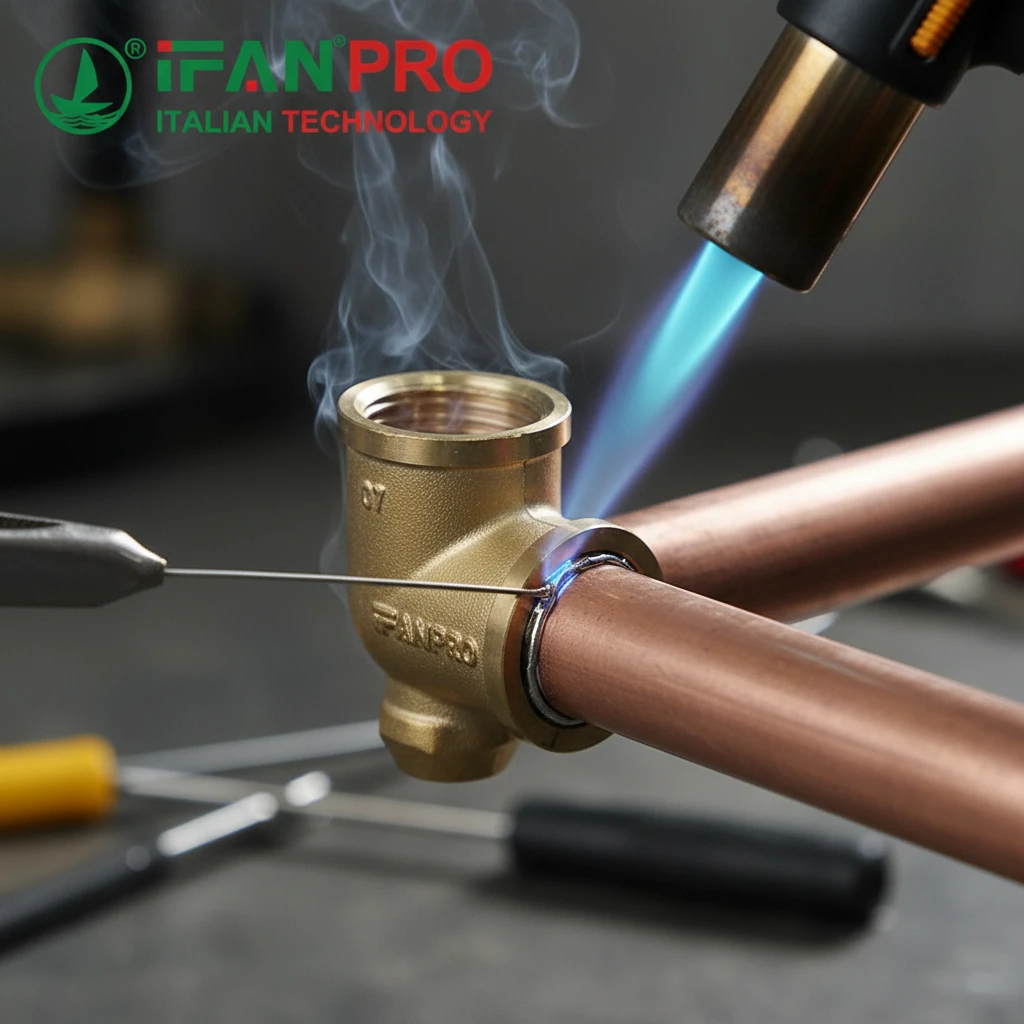
Step-by-Step Guide to Sweat Soldering
Sweat soldering creates a strong, leak-free joint by melting a filler metal (solder) between the two parts. For brass to copper, you use lead-free plumbing solder. Here is how you do it, step by step:
Step 1: Cut and Prepare the Pipe. First, cut the copper pipe squarely using a tube cutter. Then, use a wire brush or sanding cloth to clean the outside of the copper pipe end until it shines. Next, clean the inside of the brass fitting socket with a special fitting brush. This removes all oxidation and dirt. Clean metal is essential for the solder to stick.
Step 2: Apply Flux. Flux is a chemical paste. It cleans the metal surfaces further during heating and prevents new oxidation. Use a small brush to apply a thin, even layer of flux to the cleaned copper pipe end and inside the brass fitting socket.
Step 3: Assemble and Heat. Slide the brass elbow onto the copper pipe. Use a propane torch to heat the joint. Do not heat the solder directly. Instead, move the flame around the fitting to heat it evenly. Touch the solder to the joint. When the metal is hot enough, the solder will melt and be sucked into the space between the pipe and the fitting.
Step 4: Let it Cool. Once solder appears all around the rim of the fitting, remove the heat and the solder wire. Let the joint cool naturally without moving it. The flux will harden into a crust. Wipe away any excess flux with a damp cloth after it cools to prevent corrosion.
Critical Tips and Common Pitfalls
This process is simple but requires attention to detail. Here are the most common mistakes I see:
- Not Cleaning Enough: This is the number one cause of failed joints. If the metal isn’t shiny clean, the solder won’t flow properly, resulting in a weak joint.
- Overheating: Too much heat can burn the flux, making it useless. It can also damage the PEX tubing if you are working close to it. Use just enough heat to melt the solder.
- Underheating: If the metal isn’t hot enough, the solder will bead up and not flow into the joint. This creates a weak connection that will likely leak.
- Moving the Joint: Moving the pipe before the solder solidifies will crack the seal, causing a “disturbed joint” that leaks.
Following these steps carefully will give you a professional, permanent connection between brass and copper.
What Type of Brass Elbow is Used for a Threaded Connection to PEX?
You cannot solder PEX. For this connection, you need a completely different type of brass fitting. Choosing the wrong one is a common error in DIY projects.
For a threaded connection to PEX, you use a brass elbow with Female Pipe Thread (FPT) ends. You then screw a male-threaded PEX adapter into the brass elbow. This adapter has a barbed or compression end that connects directly to the PEX tubing, creating a secure mechanical seal.
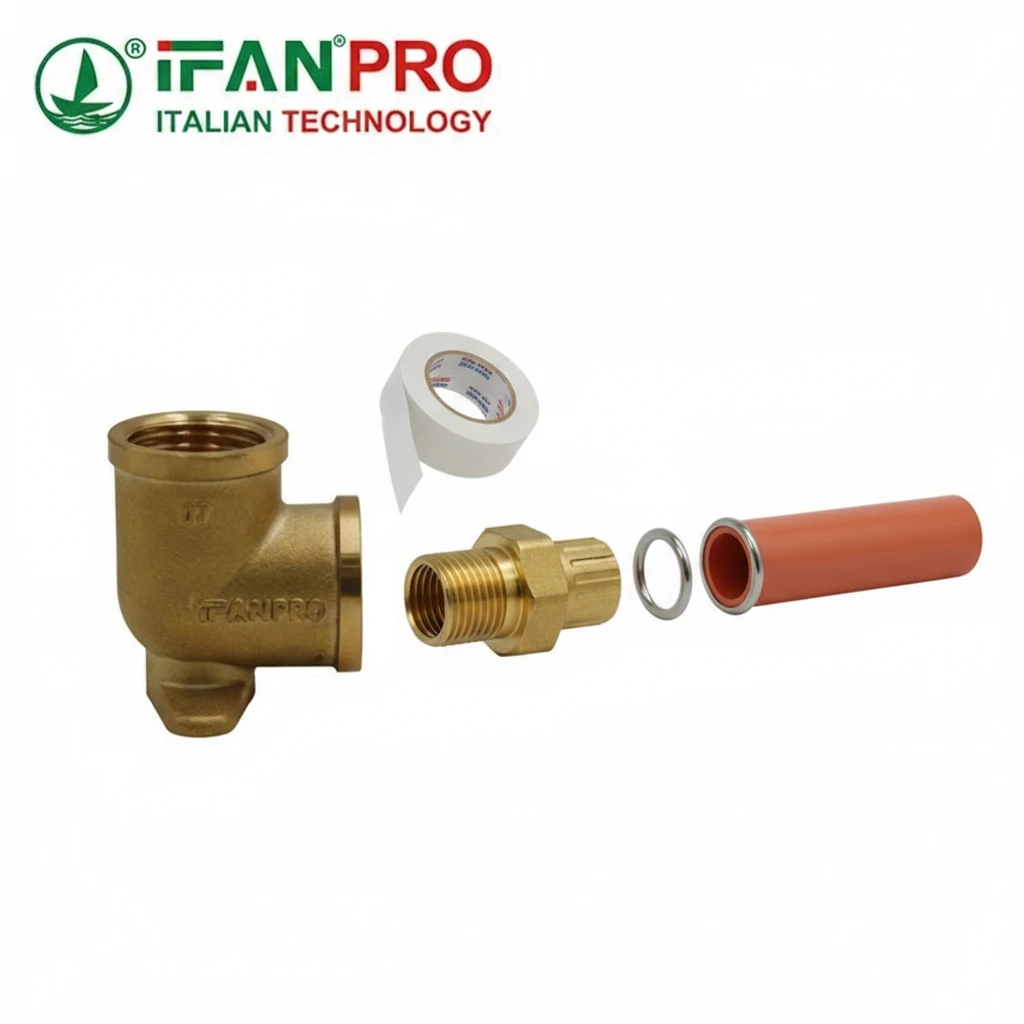
Understanding the Two-Part Connection System
Connecting PEX to a threaded brass port is not a single-step process. It involves a brass fitting and a separate PEX adapter. This system is reliable and allows for future disassembly.
1. The Brass Elbow: This fitting looks like a standard 90-degree elbow, but its ends have internal threads (FPT). Its job is to provide a strong, threaded port in your plumbing system.
2. The PEX Adapter: This is a small connector with two distinct ends:
- Male Threads (MPT): One end has external threads that screw into the FPT end of the brass elbow.
- PEX Connection End: The other end is designed to grip the PEX tube. This can be a barbed fitting (for use with a crimp or clamp ring) or a compression fitting.
How to Make the Connection
The process is straightforward and tool-dependent.
For Crimp/Clamp Systems (Barbed Adapter):
- Slide a copper crimp ring or stainless steel clamp over the PEX tube.
- Push the PEX tube firmly onto the barbed end of the adapter until it seats.
- Use a crimping or clamping tool to compress the ring over the tube and barbs, creating a permanent grip.
For Push-to-Connect/Compression Systems:
- For push-fit adapters, simply push the PEX tube into the elbow until you feel it click. No tools are needed.
- For compression adapters, slide a compression nut and ferrule (brass ring) over the PEX, insert the tube into the adapter, and hand-tighten the nut, followed by a gentle turn with a wrench.
The table below helps choose the right components:
| Brass Elbow Type | PEX Adapter Type | Connection Method | Best For |
|---|---|---|---|
| FPT x FPT (Female both ends) | MPT x Barbed | Crimp or Clamp Ring | Standard installations; most common. |
| FPT x FPT | MPT x Push-Fit | Push-to-Connect | Quick repairs, areas with limited tool space. |
| FPT x Sweat (for copper) | MPT x Compression | Compression Nut & Ferrule | Situations where you may need to disconnect later. |
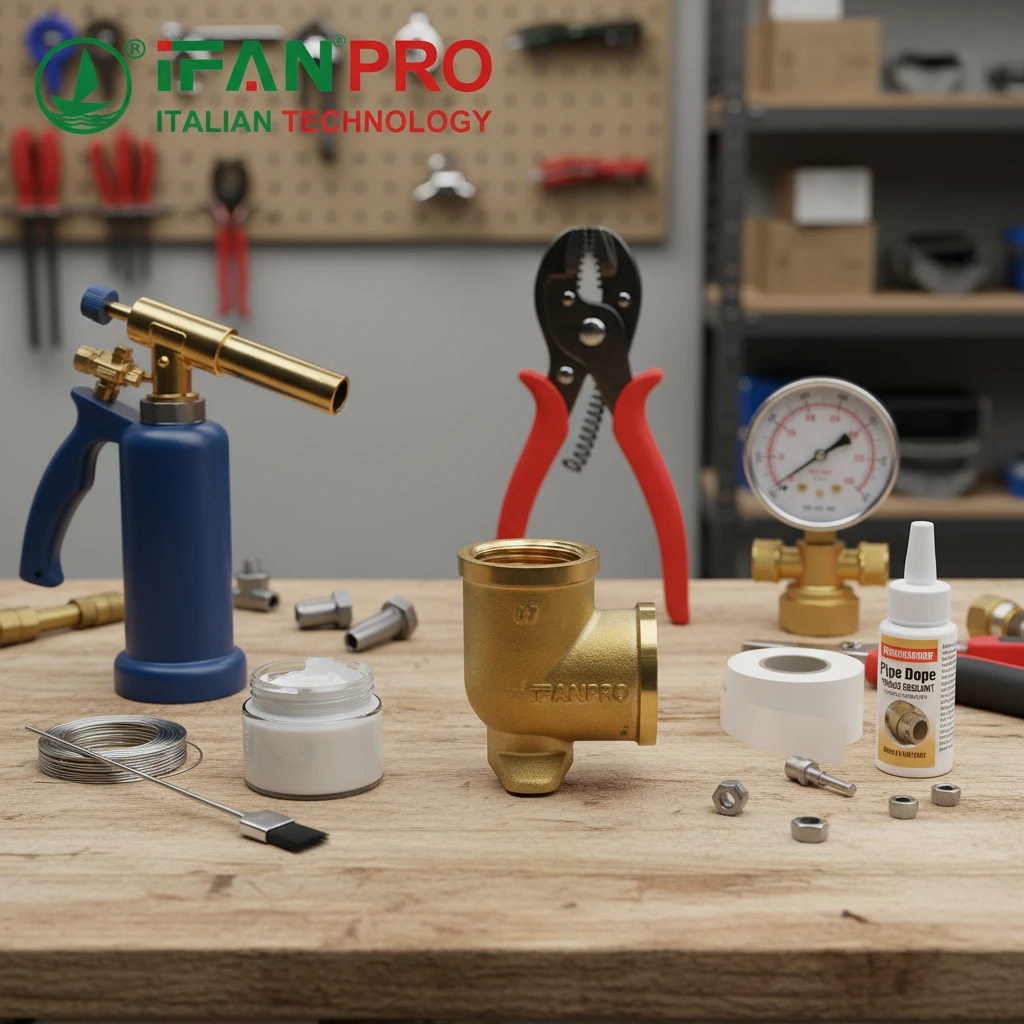
Always wrap the male threads of the PEX adapter with Teflon tape or apply pipe thread sealant before screwing it into the brass elbow. This ensures a watertight seal on the threaded connection itself.
Are There Transition Fittings Specifically for Joining Brass to Different Materials?
Absolutely. In fact, using the correct transition fitting is the key to a successful, long-lasting hybrid system. We stock these specifically because they solve so many on-site problems.
Yes, there are dedicated transition fittings designed for joining brass to different materials. The most common and useful type is a single fitting with different end types, such as a “Brass Sweat x FPT” elbow, which allows you to solder one end to copper and thread a PEX adapter into the other end, all in one compact unit.
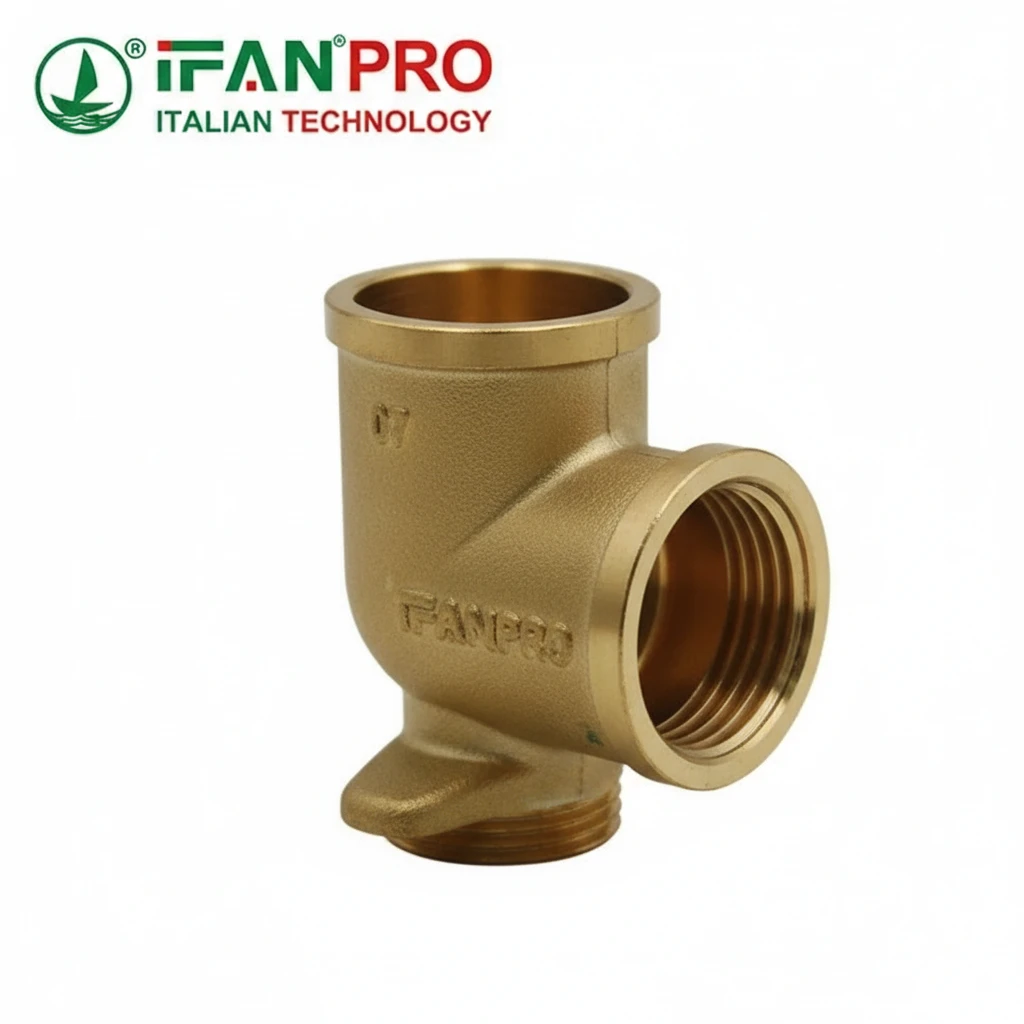
The All-in-One Solution: Combination Fittings
Instead of using multiple adapters and couplings, combination transition fittings simplify the process. They reduce potential leak points and save installation time.
Imagine you need to connect a copper line coming out of a wall to a new PEX line running to a fixture. A Brass 90° Elbow, Sweat x FPT is the perfect fit:
- Sweat End: You clean, flux, and solder this cup-like end directly onto the cut end of your copper pipe.
- FPT End: Once the soldered joint cools, you wrap Teflon tape around a Male PEX Adapter and screw it into this threaded end. Then, you attach your PEX tube to the adapter.
You have now made a clean, 90-degree transition from copper to PEX with just one fitting and one adapter.
Common Types of Brass Transition Fittings
Here are the most valuable transition fittings you should know about:
- Sweat x FPT: As described above. The standard for copper-to-PEX transitions.
- Sweat x Male Pipe Thread (MPT): Used to connect copper pipe to a threaded fixture or valve.
- FPT x Compression: Allows you to connect a threaded system directly to a soft copper or nylon tube using a compression ferrule and nut, without soldering.
- Push-Fit x FPT: A modern fitting where one end is a push-to-connect socket for PEX or CPVC, and the other is a female thread for connecting to brass.
Why Using the Right Transition Fitting Matters
Using a purpose-built transition fitting is always better than rigging a solution with multiple parts. Here’s why:
- Strength: They are engineered as a single, solid piece of brass, making them stronger than a chain of adapters.
- Space-Saving: They are compact, which is crucial in tight spaces like sink cabinets or inside walls.
- Reliability: Fewer separate connections mean fewer potential points for leaks to develop.
- Professional Finish: They provide a cleaner, more polished look to the installation.
When planning a project involving multiple pipe materials, identify the transition points first and source the correct combination fittings. It makes the job smoother from start to finish.
How Do You Ensure a Leak-Proof Connection Between Dissimilar Materials?
This is the ultimate goal. The compatibility of materials means nothing if the connections fail. My team’s process is built around preventing leaks from day one.
You ensure a leak-proof connection between dissimilar materials by: 1) Choosing the correct, purpose-designed fitting for the transition, 2) Meticulously preparing the surfaces (cleaning, deburring), 3) Using the right sealants (flux, Teflon tape, pipe dope), and 4) Following the manufacturer’s torque or installation specifications without over-tightening.
A Systematic Approach to Reliability
Leaks happen when there is a gap or a weakness in the seal. Our method eliminates these risks through careful procedure.
1. Correct Fitting Selection: This is the foundation. Do not force a fitting to do a job it wasn’t designed for. Use a sweat fitting for soldering, a barbed fitting for crimp PEX, and a transition fitting for material changes. The design of the fitting dictates the sealing method.
2. Impeccable Surface Preparation: Every sealing method requires a clean, proper surface.
- For Soldering: Metal must be shiny clean for flux and solder to work.
- For Threaded Connections: Threads should be clean and undamaged. Apply Teflon tape or pipe sealant to fill the microscopic grooves between threads.
- For PEX Crimps: Ensure the PEX tube end is cut square and smooth, with no burrs that could tear the O-ring in a push-fit fitting or hinder the crimp.
3. Proper Use of Sealants and Methods: Sealants are not a fix for poor workmanship; they are part of the process.
- Teflon Tape: Wrap it clockwise (2-3 wraps) on male threads so it doesn’t unravel when screwing the fitting in.
- Pipe Thread Sealant (Pipe Dope): Apply a consistent layer over the male threads. Some sealants are designed for specific materials like plastic.
- Flux: Use only enough to coat the area. Too much flux can cause corrosion inside the pipe over time.
4. Follow Specifications and Avoid Over-Tightening: This is a critical and common mistake. People think tighter is better, but it can cause failure.
- Soldering: Use just enough heat. Let the solder flow; do not glob it on.
- Threaded Connections: Hand-tighten, then use a wrench for a specific additional turn (often 1-2 turns). Over-tightening can crack brass fittings or distort plastic threads.
- PEX Crimps: Use the correct, calibrated tool. A poorly crimped ring is a guaranteed leak.
The Final, Non-Negotiable Step: Pressure Testing
After making any connections between dissimilar materials, you must pressure test the system. This is the only way to confirm your work is leak-proof.
- Close all valves to isolate the new section.
- Fill it with water and pressurize it to at least 1.5 times the normal operating pressure (e.g., 120 PSI for an 80 PSI system).
- Hold this pressure for a minimum of one hour.
- Check all new connections for any sign of moisture or a drop in pressure.
If the test passes, you can have confidence in your work. If it fails, the test allows you to find and fix the problem before the walls are closed up.
Conclusion
Brass elbows are the perfect universal connector for copper and PEX systems when installed correctly. For reliable transitions, use IFAN’s premium brass fittings, designed for seamless, leak-proof connections in any plumbing project.










 Français
  English
  Русский
  Español
Commentaires récents