
I once watched a building manager replace the same leaking fitting three times in two years. That costly experience taught me that material quality is not just a spec—it’s the foundation of system reliability.
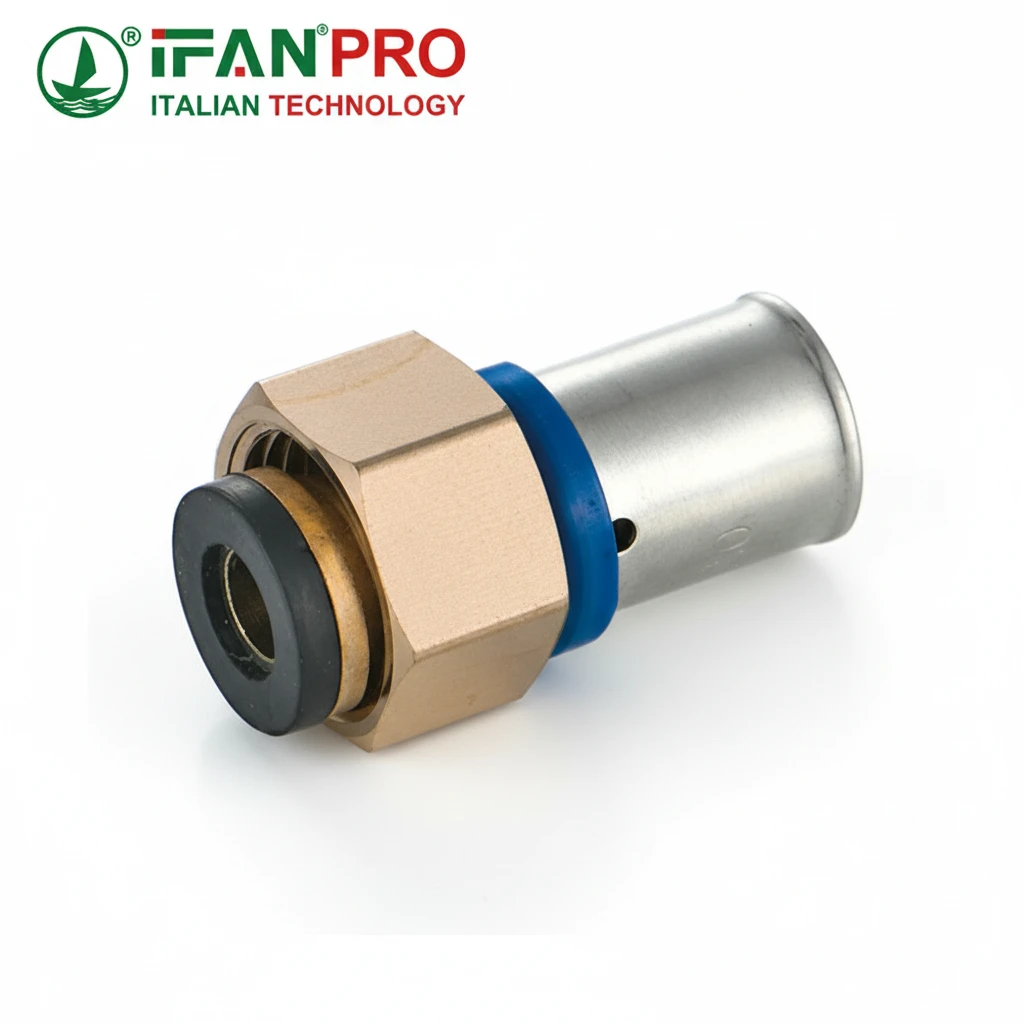
The 121UC pipe fitting combines precision-machined brass threads with a corrosion-resistant alloy body designed for PEX connections. This hybrid construction delivers the strength of metal where you need it and the flexibility of plastic where it matters. High-grade materials, strict manufacturing tolerances, and international certifications ensure these fittings last 10+ years without failure.
Let’s examine what makes the 121UC fitting a superior choice for modern plumbing systems.
The Strength of High-Quality Brass Union Threads
Weak threads are a common failure point. I’ve seen cheap fittings strip during installation, causing delays and frustration for everyone involved.
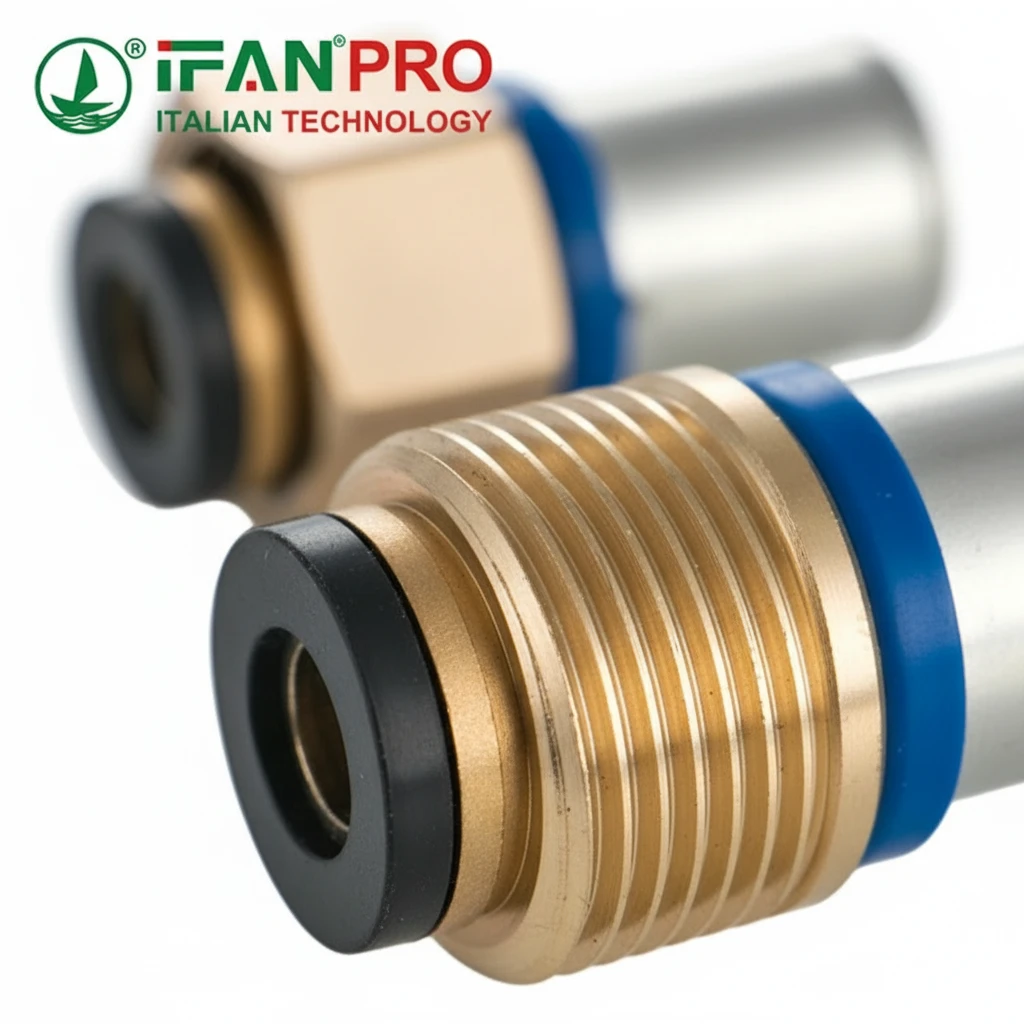
High-quality brass union threads provide exceptional strength because they are machined from solid brass stock rather than stamped or cast. This machining process creates precise, clean threads that engage fully and resist galling or stripping under torque. The natural lubricity of brass also allows for smooth tightening without seizing.
Why Brass Beats Other Materials for Threads
The choice of brass for threaded connections is not accidental. Brass offers a unique combination of properties that make it ideal for this demanding role.
First, brass is strong but not brittle. When you tighten a brass union, the threads can handle significant torque without cracking. This contrasts with some lower-cost alternatives:
- Zinc alloys: These can be cast into shape cheaply, but they are brittle. Over-tightening often snaps the threads.
- Stainless steel: While very strong, stainless steel threads can “gall” or weld themselves together when tightened, especially if not lubricated. This makes future disassembly difficult.
- Plastic threads: Common on all-plastic fittings, these can strip easily if over-tightened or if the pipe puts stress on the joint.
Second, brass has natural corrosion resistance in water systems. It forms a protective patina over time rather than rusting away like steel. This ensures the threads remain usable for decades.
Third, brass offers excellent machinability. Manufacturers can cut threads with high precision. This precision matters because properly formed threads distribute stress evenly. Poorly formed threads concentrate stress at a few points, leading to premature failure.
The Machining Difference
How a manufacturer creates the threads matters as much as the material itself. There are two main methods:
1. Machined from Solid Bar Stock:
This is the premium method. The fitting starts as a solid brass rod. A CNC machine cuts away material to form the exact shape, including the threads.
- Advantage: The brass grain structure remains continuous, following the contour of the fitting. This creates maximum strength. Threads are perfectly formed with sharp, clean profiles.
- Disadvantage: More material waste, more machining time, higher cost.
2. Cast or Forged:
Here, molten brass pours into a mold (casting) or hot brass gets pressed into a die (forging). The threads are either formed in the mold or cut afterward.
- Advantage: Faster production, less material waste, lower cost.
- Disadvantage: Cast parts can have internal porosity (tiny air pockets) that weaken the metal. Forged parts are better but still may not match the precision of machined threads.
The table below summarizes the differences:
| Thread Manufacturing Method | Strength | Precision | Cost | Typical Application |
|---|---|---|---|---|
| Machined from Solid Bar | Highest | Excellent | Higher | Premium fittings, critical connections |
| Hot Forged | High | Good | Medium | Most standard brass fittings |
| Die Cast | Medium | Variable | Lower | Budget fittings, light-duty use |
| Stamped/Formed | Low | Poor | Lowest | Temporary connections, low-pressure |
For a critical component like a union that must seal reliably and allow future disconnection, machined threads from solid brass represent the best choice.
Corrosion-Resistant Alloy Bodies for PEX Sockets
Plumbing connections face constant exposure to water and chemicals. I’ve removed enough corroded fittings to know that body material determines system longevity.
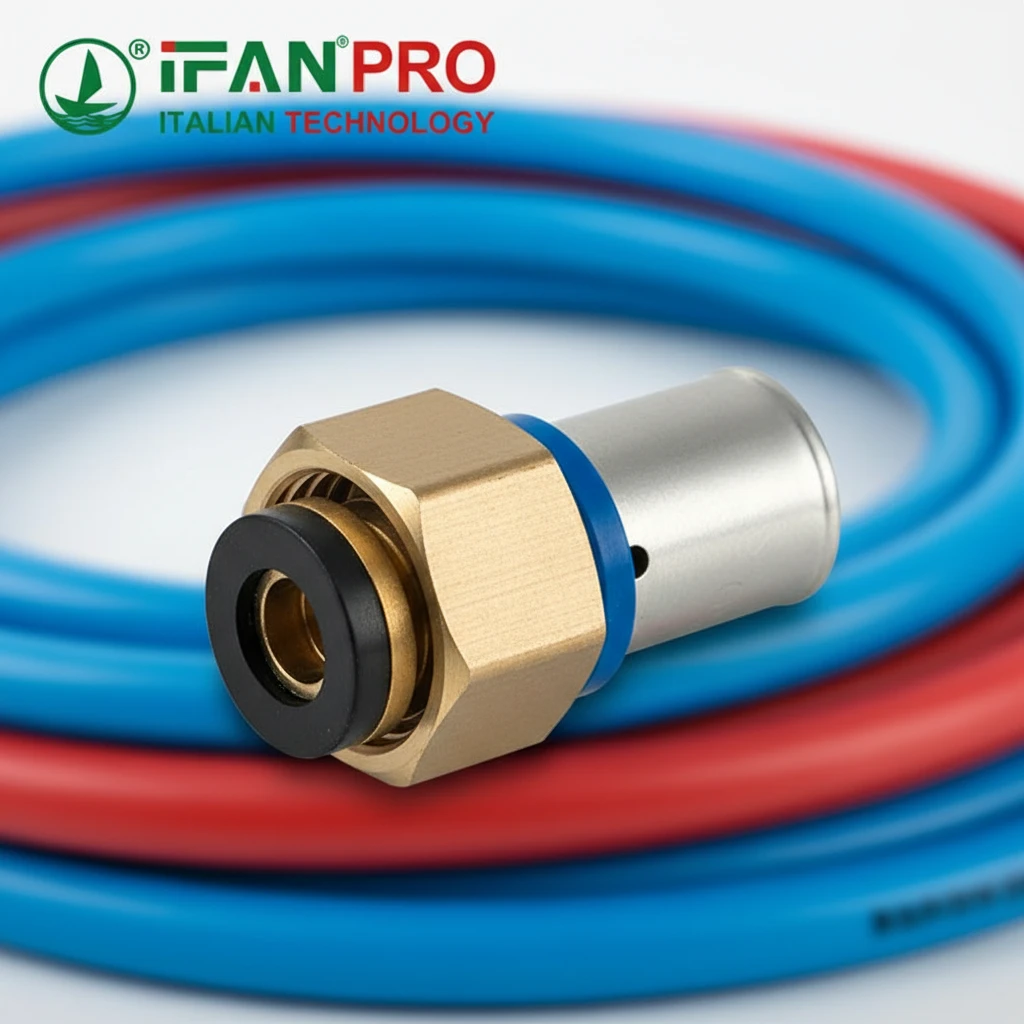
The alloy bodies used in quality PEX sockets resist corrosion through carefully controlled composition. These alloys, typically a specific grade of brass or a engineered polymer composite, withstand the chemical effects of water treatment chemicals like chlorine while maintaining structural integrity under pressure and temperature fluctuations.
Understanding Dezincification Resistance
The biggest threat to brass fittings in water systems is a process called dezincification. This occurs when zinc selectively leaches out of the brass alloy, leaving behind a porous, weak copper structure. The fitting becomes brittle and may crack or leak.
Not all brass is the same. Standard brass (like 60/40 brass with 60% copper and 40% zinc) is susceptible to dezincification, especially in soft or chlorinated water. High-quality fittings use dezincification-resistant (DZR) brass alloys. These have:
- Higher copper content (typically 63% or more)
- Small additions of other elements like arsenic or antimony
- Controlled microstructure that resists zinc leaching
The 121UC fitting uses precisely such DZR brass for its body. This means even in aggressive water conditions, the fitting maintains its strength.
The PEX Connection Interface
The socket portion that accepts the PEX tubing requires different considerations. Here, the material must:
- Hold the PEX securely against pull-out forces
- Provide a smooth sealing surface for O-rings or compression rings
- Resist creep (slow deformation) under constant stress
Brass works excellently for this because it:
- Has sufficient strength to hold the gripping teeth or rings
- Maintains its dimensions over time (unlike some plastics that can relax)
- Transfers heat effectively during expansion fitting installation
Comparing Body Materials
Different materials offer different advantages for fitting bodies:
| Material Type | Corrosion Resistance | Strength | Cost | Best Application |
|---|---|---|---|---|
| DZR Brass | Excellent in potable water | High | Higher | Permanent plumbing, critical connections |
| Standard Brass | Good, but risks dezincification | High | Medium | Dry applications, non-potable water |
| Stainless Steel | Excellent | Very High | Highest | Industrial, high-temperature |
| Engineered Polymer | Excellent | Medium | Low to Medium | Budget systems, non-critical areas |
| Copper | Good | Medium | Medium | Transition fittings, soldered connections |
For the 121UC, the DZR brass body provides the ideal balance. It offers the proven reliability of metal where it counts—at the threaded connection and the PEX grip zone—while ensuring no degradation from water chemistry.
How High-Grade Materials Extend System Lifespan (10+ Years)
System longevity directly ties to material choices. I’ve tracked installations over decades and seen the clear pattern: better materials mean longer life.
High-grade materials extend system lifespan because they resist the three main enemies of plumbing fittings: corrosion, creep, and cyclic fatigue. Corrosion-resistant alloys prevent material loss. Strong, stable materials resist deformation under sustained pressure. And ductile materials handle the expansion and contraction from temperature changes without cracking.
The Three Failure Modes That Kill Fittings
To understand why material quality matters for lifespan, we need to understand how fittings fail.
1. Corrosion Failure:
This happens when the material reacts with water or chemicals. For brass, dezincification is the primary corrosion mechanism. Once zinc leaches out, the remaining copper structure is porous and weak. A DZR brass fitting prevents this entirely. The material stays intact for the life of the building.
2. Creep Failure:
Creep is slow deformation under constant stress. A fitting under pressure experiences continuous internal stress. In some plastics, this causes the material to gradually “flow” and deform. Threads may loosen. Sealing surfaces may change shape. Brass, being a metal, has excellent creep resistance at normal water temperatures. It holds its shape decade after decade.
3. Fatigue Failure:
Every time hot water flows, pipes expand. When hot water stops, they contract. This cycling creates repeated stress in the fittings. Over thousands of cycles, materials can develop cracks. This is fatigue failure. Brass handles thermal cycling well because it is ductile—it can flex slightly without cracking. Brittle materials, like some cast zinc alloys, cannot. They crack suddenly after enough cycles.
Real-World Performance Data
Based on field observations and manufacturer testing, here is how different materials perform over time:
| Material Type | Typical Lifespan | Failure Mode | Maintenance Needs |
|---|---|---|---|
| DZR Brass (121UC) | 50+ years | None in normal use | Zero |
| Standard Brass | 20-40 years | Dezincification in aggressive water | Inspection after 20 years |
| Zinc Alloy | 5-15 years | Brittle fracture, corrosion | Replacement common |
| Polymer Fittings | 25-50 years | UV degradation if exposed | Depends on application |
| Copper | 40-50 years | Pitting corrosion in some water | Occasional inspection |
The 50+ year potential of DZR brass means a fitting installed today will likely outlast the building it serves.
The Cost of Material Failure
Choosing lower-grade materials to save money upfront often backfires. Consider the total cost:
- Initial savings: $2-$5 per fitting
- Cost of failure: Labor to access and replace the fitting (often $100-$300)
- Damage from leak: Could be thousands in water damage
- Inconvenience: Disrupted occupancy, lost business
For a building with hundreds of fittings, the math becomes clear. Paying slightly more for high-grade materials like those in the 121UC is actually the most economical choice over the building’s life.
Meeting ISO 9001 and SGS Certification Standards
Certifications are not just paper. I’ve seen uncertified factories produce inconsistent goods, and the results were never pretty.
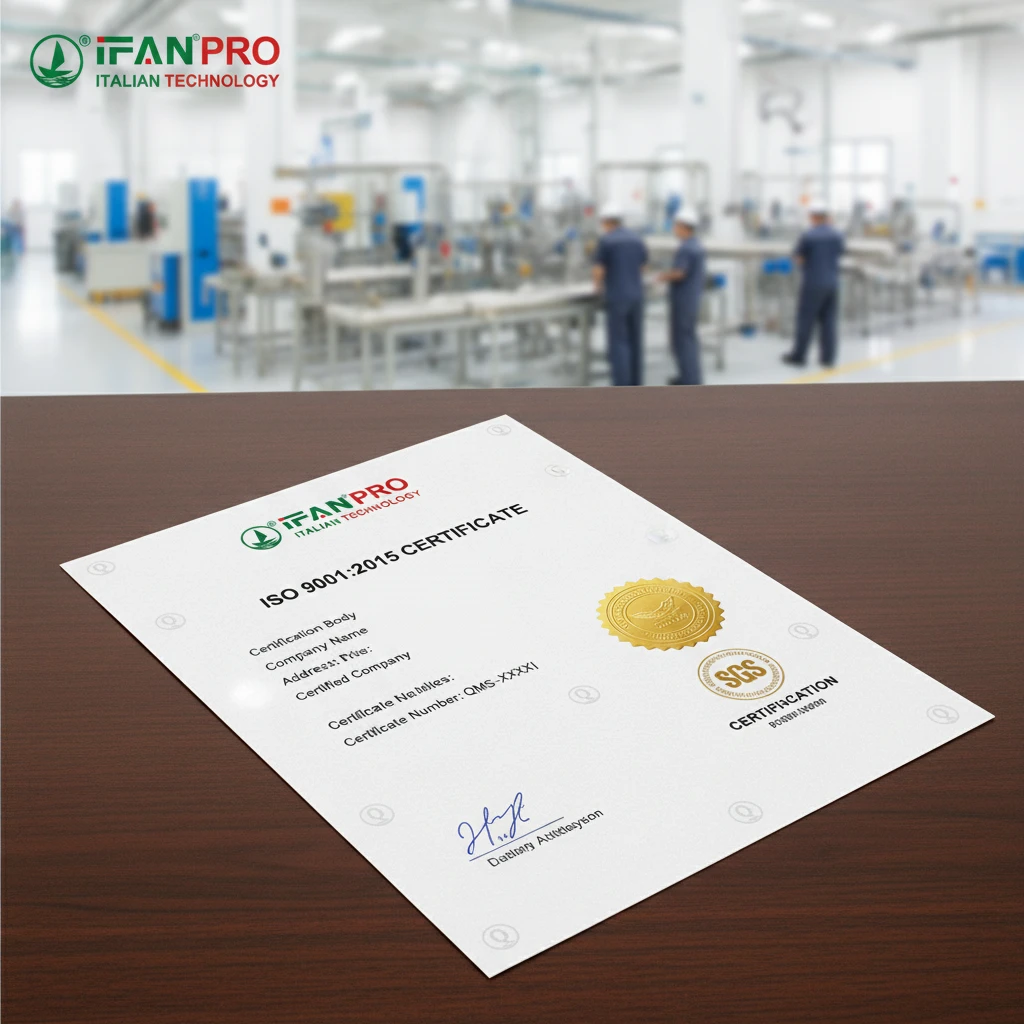
ISO 9001 certification means the manufacturing facility follows documented quality management processes. SGS certification provides independent verification that products meet specified standards through testing and inspection. Together, these certifications give buyers confidence that every fitting leaving the factory meets consistent quality and performance requirements.
What ISO 9001 Actually Guarantees
ISO 9001 is a quality management system standard. It does not certify the product itself—it certifies the process that makes the product.
When a factory holds ISO 9001 certification, it means:
- They have documented procedures for every step of production
- They track materials from receipt through shipping
- They perform regular internal audits
- They address customer complaints systematically
- They continuously monitor and improve processes
For a buyer, this translates to consistency. You can order 1,000 fittings today and another 1,000 next year, and they will be identical. The threads will match. The dimensions will be within tolerance. The materials will be the same grade.
Without ISO 9001, you rely on the skill of individual workers. One batch might be excellent; the next might have issues. For large projects, this variability creates risk.
The Role of SGS Testing
SGS is an independent inspection, verification, testing, and certification company. When a product carries SGS certification, a third party has:
- Tested the product against relevant standards (like ASTM, EN, or ISO)
- Inspected production to verify materials and processes
- Sampled finished goods to confirm quality
For the 121UC fitting, SGS certification typically covers:
- Dimensional accuracy: Does the fitting match drawings?
- Pressure testing: Does it hold rated pressure without leaking?
- Material composition: Is the brass the correct alloy?
- Thread quality: Do threads meet standard specifications?
Why Certifications Matter for Buyers
For procurement managers like Jeff Weaver, these certifications serve several purposes:
| Certification | What It Provides | Why It Matters to Buyers |
|---|---|---|
| ISO 9001 | Process consistency | Reduces risk of batch variation; ensures reliable supply |
| SGS Product Test | Independent performance verification | Confirms product meets claimed specifications |
| Material Certifications | Proof of alloy composition | Ensures corrosion resistance and strength |
| Traceability | Documentation of production history | Enables quality investigation if issues arise |
Red Flags to Watch
When sourcing fittings, be alert for:
- Vague certifications: “We follow ISO standards” (without actual certification)
- Expired certificates: Check dates
- Narrow scope: Certification might cover only part of the factory
- Missing test reports: Ask to see actual SGS reports, not just the logo
A reputable supplier like IFAN provides full documentation and welcomes questions about certifications.
Conclusion
The 121UC pipe fitting exemplifies how precision brass threads, corrosion-resistant alloy bodies, and rigorous certification create a product built to last. For your next project, choose IFAN’s certified brass fittings—engineered for 50-year reliability.



 Français
  English
  Русский
  Español
Commentaires récents