
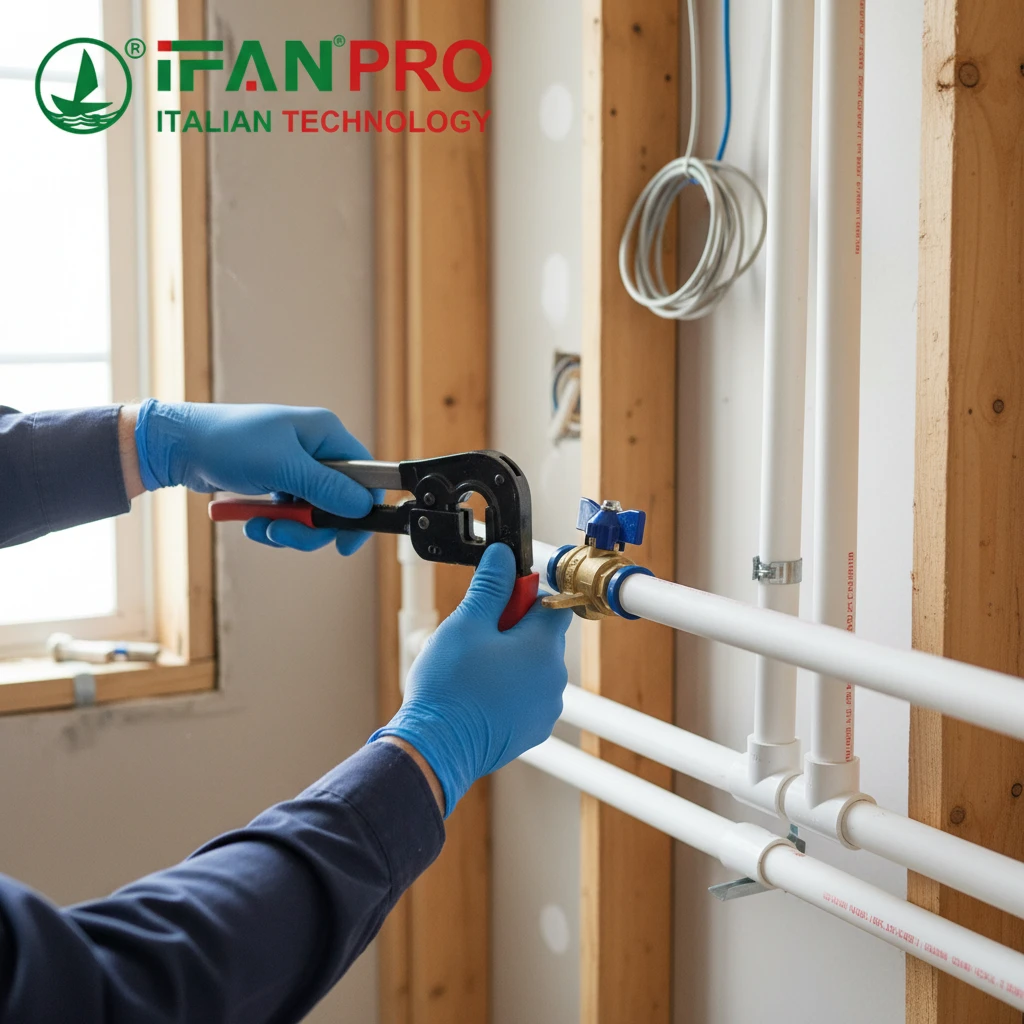
I remember watching a skilled plumber struggle for twenty minutes just to fit a bulky brass valve into a tight cabinet space. That moment made me realize why smarter, more compact solutions are winning in the field.
More contractors are switching to U-Mold PEX-AL-PEX valves because these fittings save significant installation time, fit into tighter spaces, and provide more reliable connections with aluminum-plastic composite pipes. Their integrated design eliminates multiple threaded joints, reducing potential leak points while offering the durability and corrosion resistance needed for modern plumbing systems.
Now, let’s examine the specific reasons behind this growing trend in the plumbing industry.
New Demands for Efficiency and Space Utilization in Modern Plumbing
Modern homes and buildings look nothing like they did twenty years ago. I’ve seen kitchen designs that leave barely any room behind the sink for valves and connections.
Today’s plumbing projects demand greater efficiency and better space utilization because of three key trends: smaller mechanical rooms, more complex fixture layouts, and the growing popularity of minimalist designs that hide pipes inside walls and cabinets. Contractors need fittings that install quickly and fit where traditional bulky valves simply cannot.
The Shift Toward Compact Living Spaces
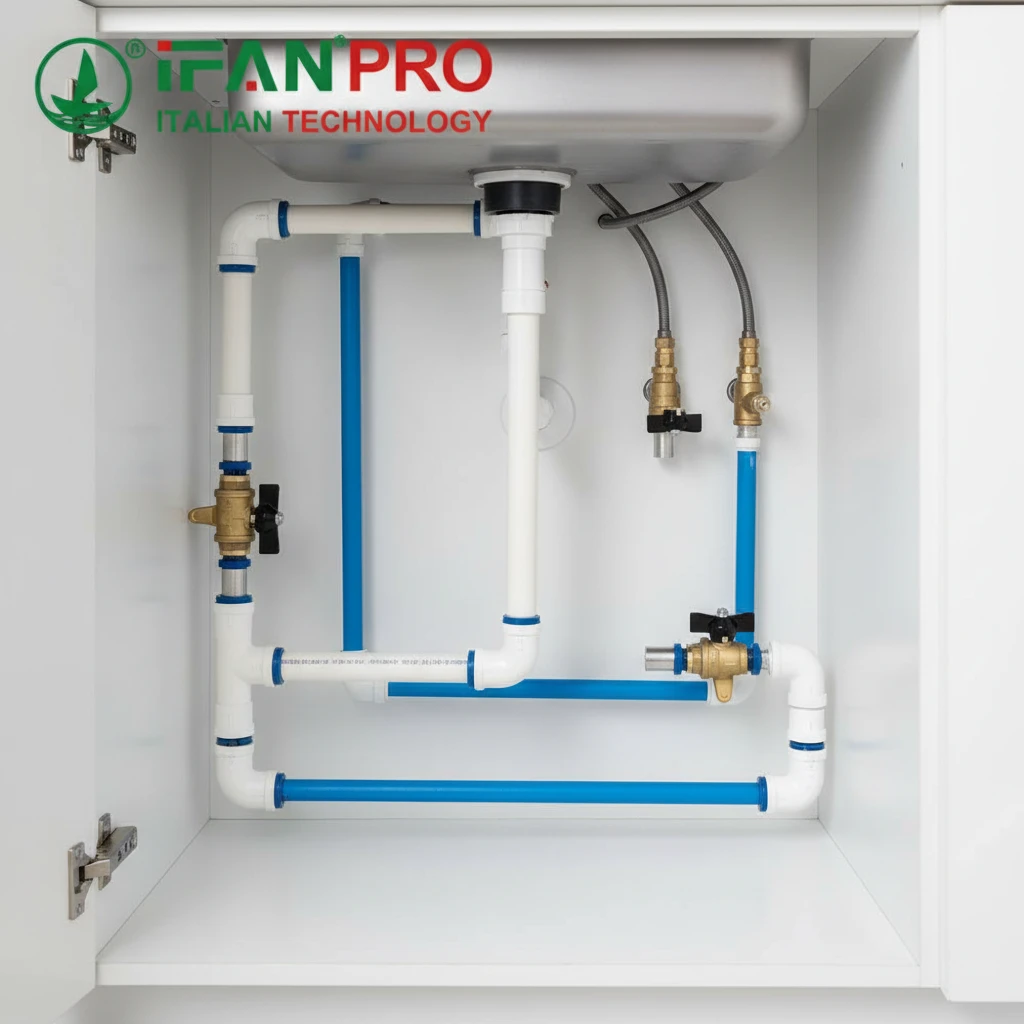
Urban apartments are getting smaller. In cities across Russia, Southeast Asia, and Europe, developers maximize every square meter of living space. Unsurprisingly, this trend directly affects plumbing design.
Mechanical rooms, once spacious and accessible, are now tight closets. Similarly, the area under sinks has shrunk as cabinet designs prioritize storage over service access. Wall-hung fixtures, popular in modern bathrooms, conceal all plumbing inside narrow wall cavities. These spaces leave no room for oversized traditional valves.
Consequently, contractors face a simple choice: find more compact fittings or struggle with impossible installations. U-Mold valves address this challenge directly. Their streamlined design occupies significantly less space than traditional multi-part assemblies.
Time Efficiency as a Competitive Advantage
Labor costs continue rising worldwide. For contractors, time literally means money. Every minute spent fighting with a difficult installation cuts into profit margins.
Traditional valve installation involves multiple steps:
- Measuring and cutting the pipe precisely
- Deburring the cut ends
- Applying thread sealant or tape
- Tightening compression nuts with careful torque
- Checking for leaks and adjusting
By contrast, a U-Mold valve simplifies this process dramatically. The contractor inserts the prepared pipe end into the fitting and tightens a single nut. The internal design automatically compresses the O-ring and grips the pipe securely.
This speed matters most in large projects. For example, a contractor installing fifty valves can save hours of labor time. In a multi-story residential building with hundreds of units, the savings become substantial.
The table below compares installation times based on field observations:
| Valve Type | Installation Time per Valve | Tools Required | Skill Level Needed |
|---|---|---|---|
| Traditional Brass Compression | 8-12 minutes | Two wrenches, deburring tool, thread tape | Experienced plumber |
| Threaded Multi-Part Assembly | 10-15 minutes | Pipe wrench, thread sealant, backup wrench | Skilled professional |
| U-Mold PEX-AL-PEX Valve | 3-5 minutes | One wrench, pipe cutter | Any competent installer |
Design Flexibility for Complex Layouts
Modern plumbing layouts rarely follow straight lines. Architects design around structural elements, aesthetic requirements, and fixture placements. As a result, pipes must bend, turn, and navigate obstacles.
PEX-AL-PEX pipe itself offers excellent flexibility. It holds its shape when bent, unlike standard PEX which requires support. This property allows contractors to create clean, organized installations with fewer fittings.
However, traditional valves often disrupt this flexibility. Their rigid connections force the pipe into specific positions. Contractors must add extra fittings to achieve the desired orientation, creating more potential leak points and consuming more space.
U-Mold valves complement the pipe’s natural flexibility. Their compact design and straightforward connection method allow contractors to place valves exactly where needed, not where the valve design dictates.
Common Pain Points of Traditional Valves When Connecting Aluminum-Plastic Pipes
After years in this industry, I’ve heard every complaint about traditional valves. Most contractors share the same frustrations, regardless of which country they work in.
Traditional valves create four persistent problems when connecting to aluminum-plastic pipes: frequent leaks at compression points, bulky designs that complicate installation in tight spaces, difficulty achieving proper torque without damaging the pipe, and incompatibility with the pipe’s thermal expansion and contraction cycles.
The Leak Nightmare
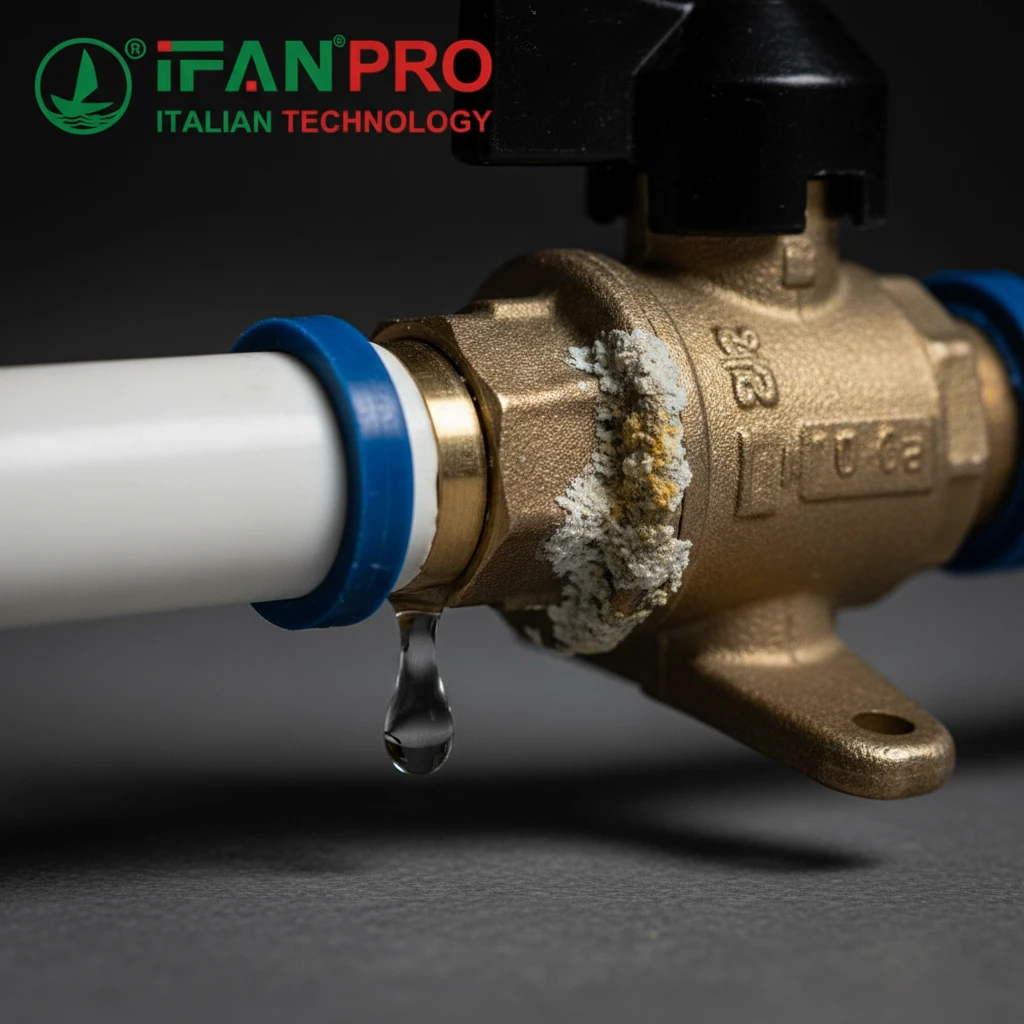
Nothing damages a contractor’s reputation faster than a call back to fix a leaking valve. Yet traditional compression fittings on aluminum-plastic pipes leak with disturbing frequency.
The fundamental problem lies in how traditional valves seal. A compression fitting uses a ferrule that bites into the pipe’s outer layer when tightened. This works reasonably well with thick-walled metal pipes. However, aluminum-plastic pipes have a different structure.
These pipes consist of five layers:
- An inner layer of cross-linked polyethylene (PEX)
- An adhesive layer
- An aluminum tube
- Another adhesive layer
- An outer layer of PEX or PE
When a compression ferrule bites into this construction, it often crushes the soft outer PEX layer. The aluminum layer may deform unevenly. As a result, the seal may hold initially but fails over time as materials relax and temperatures change.
Temperature cycling makes this worse. Hot water expands the pipe; cold water contracts it. Consequently, a compression fitting that worked perfectly during installation may develop a slow leak after a few months of normal use. The repeated movement gradually loosens the grip.
Installation Challenges in the Field
Field conditions rarely match the ideal scenarios shown in training videos. Pipes may not align perfectly. Space may limit tool access. Moreover, lighting may be poor.
Traditional valves compound these challenges. Their bulk makes them difficult to position. Their multiple components require careful assembly. Additionally, their threaded connections need precise alignment to avoid cross-threading.
Contractors working in tight spaces often cannot get two wrenches onto a fitting simultaneously. They may resort to makeshift solutions that compromise the installation quality. This increases the risk of future failures.
Material Compatibility Issues
Brass has served plumbing well for centuries. However, brass and aluminum-plastic pipe have different physical properties. Brass is rigid and conducts heat readily. In contrast, the composite pipe is more flexible and insulates better.
When hot water flows through the system, the pipe expands more than the brass valve. This differential movement stresses the connection. Over thousands of cycles, this stress can cause fatigue failure in the pipe material near the fitting.
Some traditional valves also use brass with high lead content. Regulations in many countries now restrict lead in drinking water components. Therefore, contractors must carefully select certified low-lead brass fittings, adding another layer of complexity to purchasing decisions.
The following table summarizes common failure modes for traditional valves on aluminum-plastic pipes:
| Problem | Cause | Result |
|---|---|---|
| Compression Ferrule Failure | Ferrule crushes soft outer pipe layer | Immediate or delayed leakage |
| Thermal Cycling Fatigue | Differential expansion between brass and composite | Cracking near fitting after months of use |
| Cross-Threading | Difficult alignment in tight spaces | Damaged threads, incomplete seal |
| Overtightening | No reliable torque feedback | Deformed pipe, restricted flow, eventual failure |
| Undertightening | Inaccessible fitting position | Insufficient compression, immediate leak |
The Cost of Callbacks
Every callback costs money. The contractor spends time returning to the site, diagnosing the problem, and performing repairs. Materials may need replacement. Furthermore, the customer relationship suffers.
For a contractor with a good reputation, a single callback can erase the profit from several jobs. The lost time could have been spent on new installations. Worse, word spreads quickly in the construction industry. A few failures can damage years of hard work building trust.
Contractors recognize that investing in better fittings upfront saves money over time. This calculation increasingly favors U-Mold valves over traditional alternatives.
How IFANPRO 121UC Offers a Cost-Effective Alternative to Expensive Western Brands
I’ve watched contractors pay premium prices for European brand valves, assuming higher cost guarantees better quality. However, the IFANPRO 121UC challenges this assumption.
The IFANPRO 121UC provides comparable or superior performance to expensive Western brands at a significantly lower cost through factory-direct pricing, identical material specifications, and design features that specifically address the pain points contractors face with aluminum-plastic pipe connections.
Understanding the Cost Structure
Western brands carry substantial overhead. They invest heavily in marketing, maintain large sales teams, and support complex distribution networks. Their products pass through multiple hands before reaching the contractor: manufacturer, importer, regional distributor, and local supplier. Each step adds cost.
By contrast, factory-direct supply eliminates these middlemen. IFAN manufactures the 121UC in facilities equipped with modern injection molding and assembly equipment. The product moves directly from our factory to our customers. This efficiency translates directly into better pricing.
Nevertheless, lower cost means nothing without quality. The 121UC matches Western brands in critical specifications:
- Material: Virgin PEX and polypropylene, certified for potable water contact
- Seals: EPDM O-rings meeting international standards for drinking water
- Brass components: High-quality, lead-free brass where applicable
- Pressure rating: Suitable for residential and commercial water systems
- Temperature range: Compatible with both hot and cold water applications
The table below compares the IFANPRO 121UC with typical Western brand alternatives:
| Feature | IFANPRO 121UC | Western Brand A | Western Brand B |
|---|---|---|---|
| Body Material | Engineering polymer | Brass | Engineering polymer |
| Sealing Element | EPDM O-ring | EPDM O-ring | Nitrile O-ring |
| Connection Type | Compression with internal grip | Compression | Push-fit |
| Potable Water Certified | Yes (NSF, WRAS equivalent) | Yes | Yes |
| Relative Price (Index) | 65 | 100 | 110-130 |
| Warranty | 10 years | 10 years | 5-10 years |
Design Features That Solve Real Problems
The 121UC wasn’t designed in isolation. Instead, it incorporates feedback from contractors working with aluminum-plastic pipes daily.
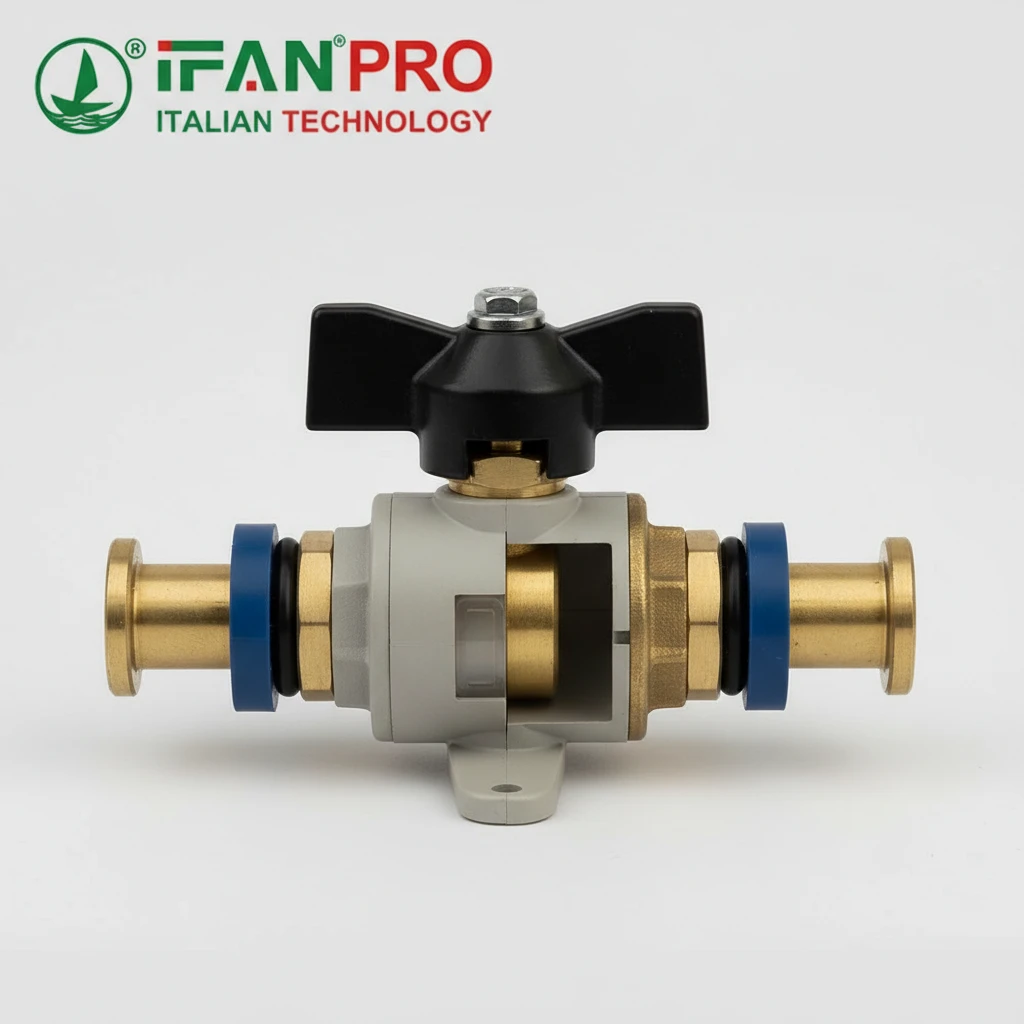
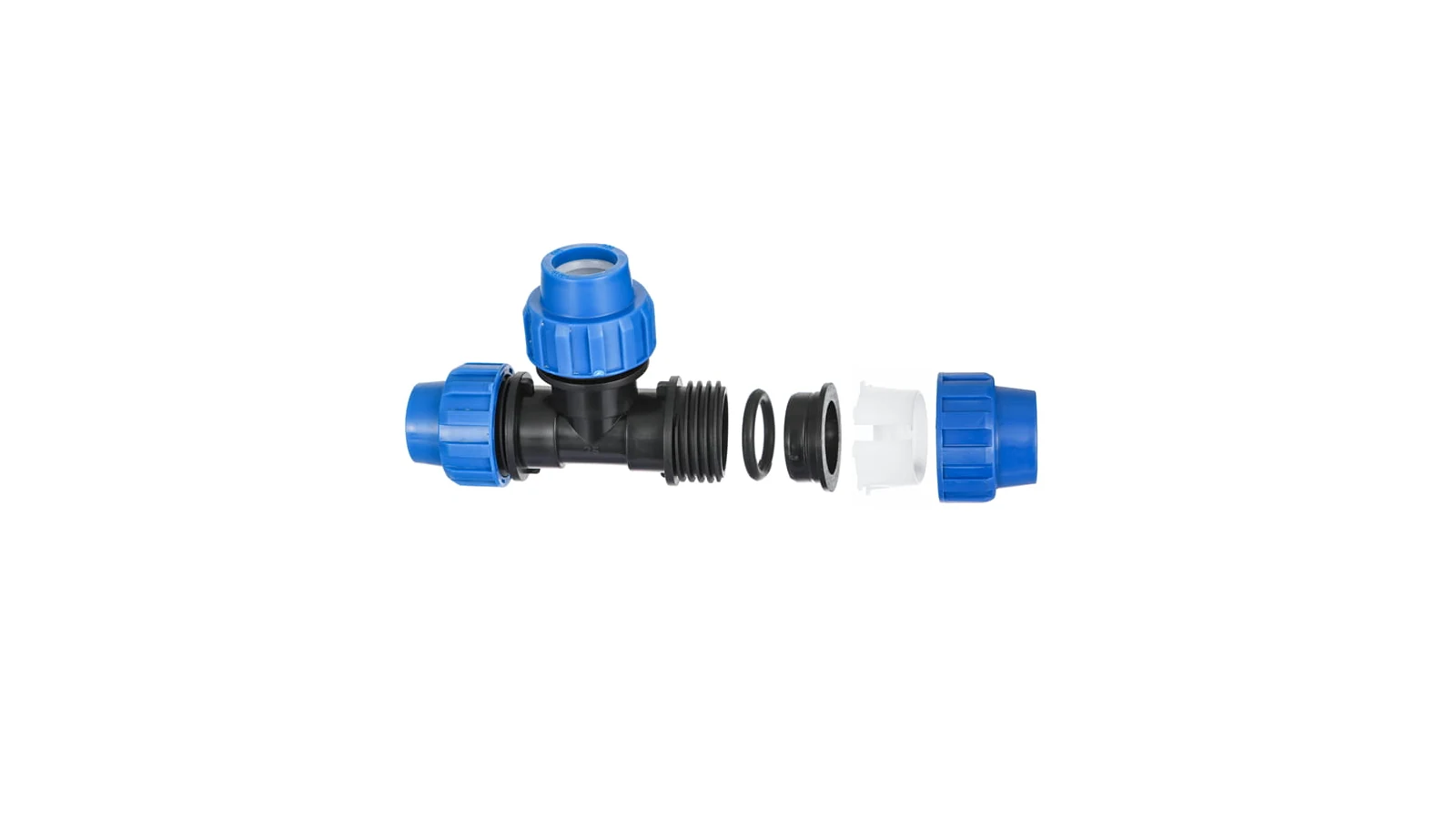
The Internal Support System: When you tighten the compression nut, an internal support sleeve inserts into the pipe end. This prevents the pipe from collapsing under compression. As a result, the pipe layers remain properly aligned, and the seal compresses evenly around the circumference.
The Captive O-Ring: The O-ring sits in a precision groove that holds it securely during installation. It cannot roll, twist, or move out of position as you insert the pipe. This eliminates a common failure point found in cheaper designs.
The Visual Installation Indicator: A small window or mark shows when the pipe has inserted to the correct depth. Consequently, contractors can confirm proper installation without guesswork. This simple feature prevents the common mistake of insufficient insertion.
The Streamlined Profile: The valve body measures substantially smaller than traditional alternatives. It fits easily into tight spaces without requiring extra clearance for wrench operation.
Performance Under Real Conditions
Testing matters more than specifications. Therefore, the 121UC undergoes rigorous testing before reaching customers.
Pressure testing confirms the valve maintains its seal at 1.5 times normal operating pressure. Similarly, temperature cycling tests simulate years of hot and cold water exposure. Additionally, tensile tests verify the grip strength on the pipe.
Field installations across multiple countries provide further validation. Contractors in Russia’s cold climate, Southeast Asia’s humidity, and the Middle East’s heat all report reliable performance. The design handles diverse conditions without adaptation.
For contractors considering the switch, we recommend a simple approach: try a sample batch on your next project. Install them alongside your current brand. Compare the installation experience and monitor performance. Most contractors who take this test make the permanent switch.
Future Trends in the Plumbing Fittings Market and the Rise of Factory-Direct Supply
The plumbing industry changes slowly, but it does change. I’ve witnessed a significant shift in how contractors source their materials over the past decade.
The plumbing fittings market is moving toward factory-direct supply, driven by contractor demand for better value, the increasing acceptance of Asian manufacturing quality, and the ease of global sourcing through digital platforms. This trend benefits contractors who embrace it with lower costs and more direct technical support.
The Changing Perception of Manufacturing Quality
Twenty years ago, “Made in China” carried negative connotations in many markets. Buyers assumed lower quality accompanied lower prices.
However, that perception no longer reflects reality. Chinese manufacturing has matured dramatically. Leading factories now operate with ISO-certified quality systems, employ advanced automation, and meet international standards for their products. In fact, they produce components for many Western brands under contract.
The difference today lies not in quality but in branding. For instance, a valve manufactured in the same factory, to the same specifications, may sell for twice the price with a European brand name. Consequently, contractors increasingly recognize this reality and seek direct sources for comparable products.
Digital Platforms Enable Direct Sourcing
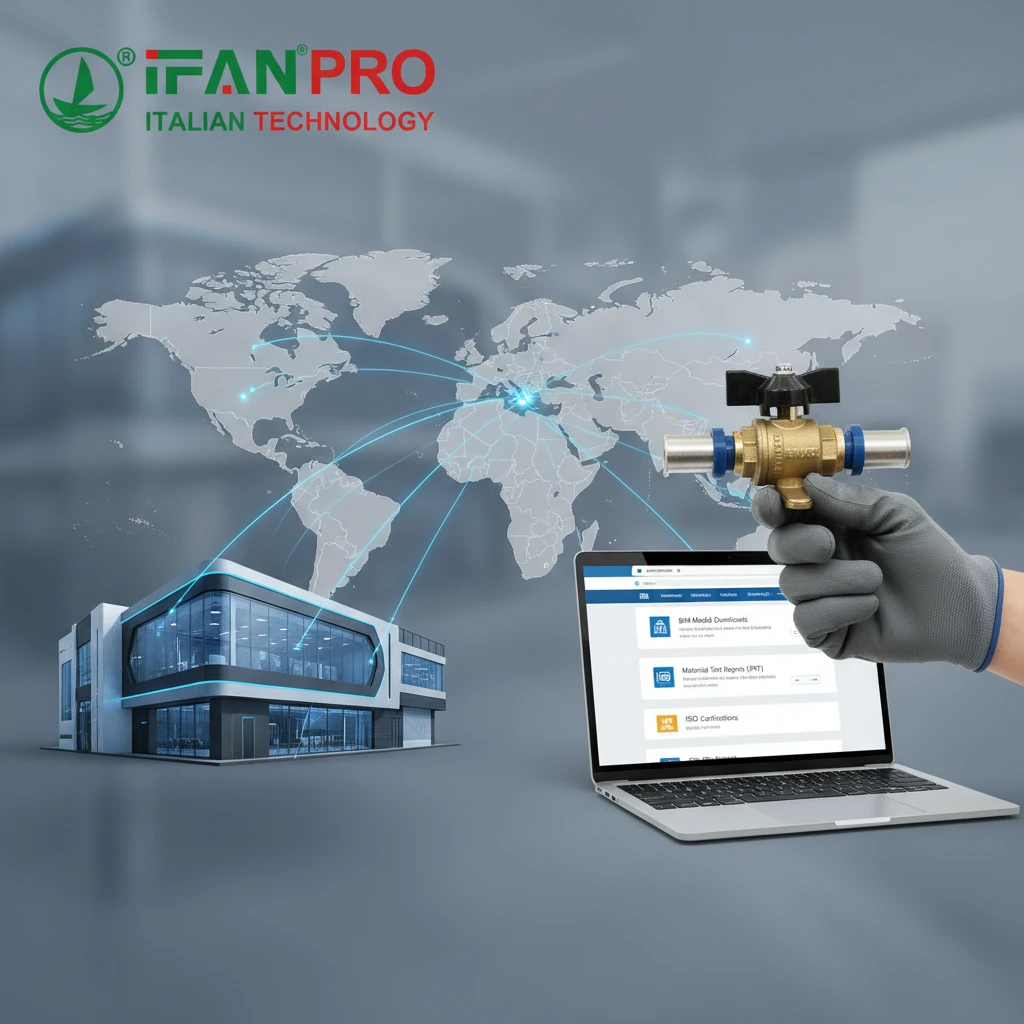
Alibaba and similar platforms have transformed global trade. A contractor in Moscow can now browse products from Yiwu manufacturers, communicate directly with suppliers, and arrange sample shipments within days. This was impossible a generation ago.
These platforms provide transparency. Contractors can verify certifications, read specifications, and compare multiple suppliers. Moreover, reviews and transaction histories build trust over time.
Nevertheless, successful direct sourcing requires more than just finding a supplier. Contractors need partners who understand their specific requirements, provide reliable quality control, and offer consistent support. This is where IFAN’s business model provides particular value.
The IFAN Advantage in Factory-Direct Supply
Our approach combines the cost benefits of factory-direct supply with comprehensive support services. When a contractor sources from IFAN, they gain:
Quality Assurance: We don’t just manufacture and ship. Instead, we audit our production processes, test finished products, and provide documentation of compliance with international standards. As a result, contractors receive products that meet their specifications consistently.
Technical Support: Our team includes engineers who understand both product design and field application. When questions arise, contractors get answers from knowledgeable professionals, not sales scripts. This matters especially when adapting products to local codes and practices.
Supply Chain Management: We handle the complexities of international shipping, customs clearance, and delivery to your location. Consequently, contractors receive their products without dealing with freight forwarders or customs brokers.
Consistent Quality: Factory-direct doesn’t mean inconsistent. Our quality systems ensure every production batch meets the same standards. Therefore, contractors can reorder with confidence that the new products will match the previous ones.
Practical Advice for Contractors Considering the Switch
Based on our experience working with contractors worldwide, here is practical guidance for evaluating factory-direct suppliers:
1. Verify Certifications First
Request copies of relevant certifications before discussing price. A legitimate supplier will provide them readily. Check that certifications match your market’s requirements. For example, European markets need different certifications than Russian or Middle Eastern markets.
2. Request Samples
Never place a large order based on website photos alone. Instead, request samples and test them thoroughly. Install them. Pressure test them. Compare them against your current products. This small investment prevents costly mistakes.
3. Ask About Quality Control
Understand how the supplier ensures consistent quality. Do they test raw materials? What about in-process inspections—do they perform them? And finished product testing: is it part of their routine? Furthermore, what happens if a defect is found? Clear answers indicate a professional operation.
4. Evaluate Communication
Pay attention to how the supplier communicates during initial discussions. Do they understand your technical questions? Do they respond promptly? Additionally, do they provide clear, complete information? The communication quality during sourcing predicts the support quality during fulfillment.
5. Start Small
Begin with a trial order for a single project. Evaluate the products in real working conditions. Assess the delivery experience. Only after confirming satisfaction should you increase order volumes.
The table below outlines the evolution of contractor sourcing strategies:
| Era | Primary Sourcing Method | Price Level | Quality Consistency | Technical Support |
|---|---|---|---|---|
| Past | Local distributors | Premium | Variable by brand | Good, local access |
| Present (Transition) | Mix of local and online sourcing | Medium to Premium | Variable by source | Inconsistent |
| Future | Factory-direct with professional partners | Competitive | Consistent, certified | Direct from manufacturer |
Conclusion
U-Mold PEX-AL-PEX valves like the IFANPRO 121UC solve the real problems contractors face daily. For reliable connections, easier installation, and better value, choose IFAN’s complete range of PEX-AL-PEX fittings and valves for your next project.




 Français
  English
  Русский
  Español
Commentaires récents