
I once visited a farm where inconsistent water pressure ruined an entire season’s crop yield. That costly lesson taught me why choosing the right flow control components matters more than most people realize.
The ideal flow control solution for light machinery and agricultural irrigation combines durability against mild chemicals, stability under high pressure up to 16 bar, and precision delivery for efficient water use. Valves and fittings with specifications like 16×2.0mm offer the perfect balance of flow rate and pressure resistance for these demanding applications.
Let’s examine how to select components that solve real-world fluid control challenges in industrial and agricultural settings.
Fluid Control Challenges (Water, Mild Chemicals) in Industrial Environments
I’ve watched standard plumbing components fail within months when exposed to fertilizers and cleaning agents. The damage always costs more than the initial savings.
Industrial environments create three main fluid control challenges: chemical degradation from fertilizers and cleaning agents, pressure fluctuations from pumps and equipment, and contamination from debris in non-potable water sources. Components must resist these specific threats while maintaining reliable performance over years of operation.
Understanding Chemical Compatibility
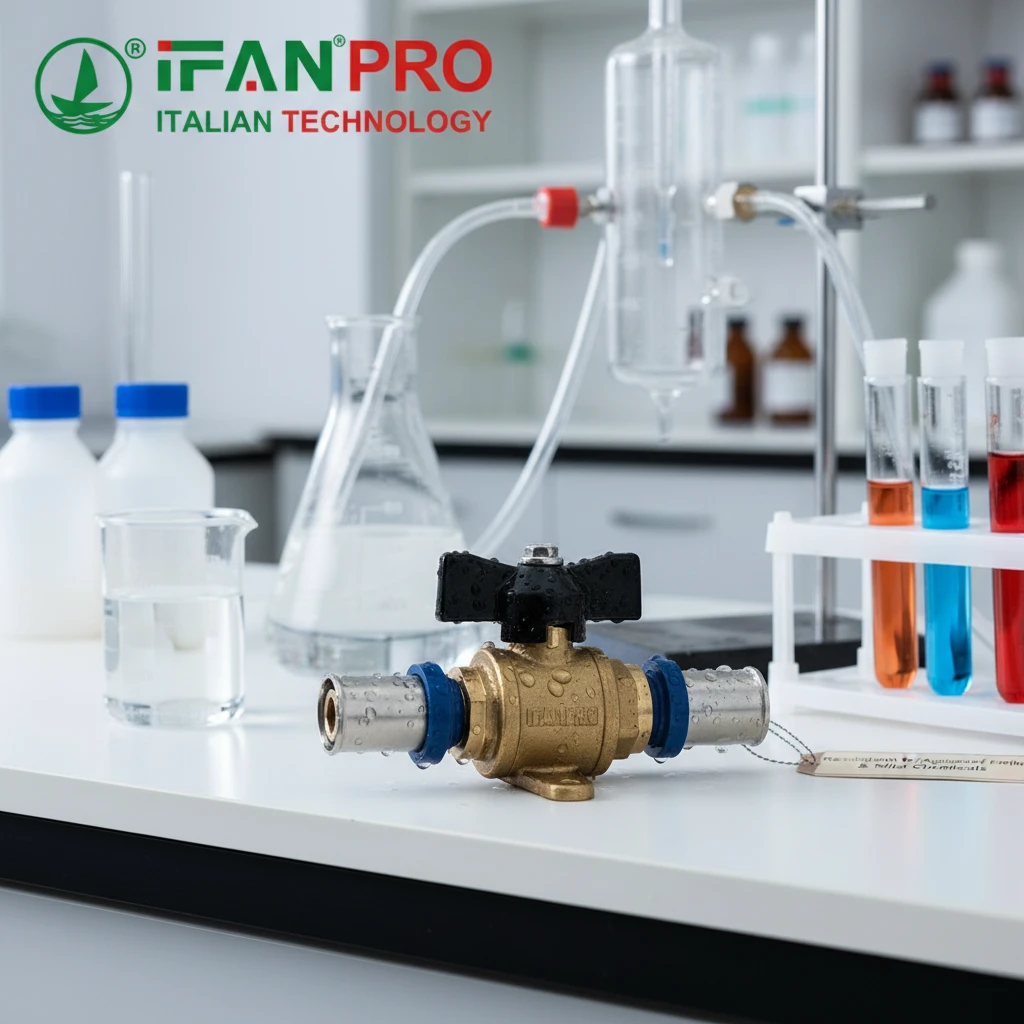
Water seems harmless, but in industrial settings, it rarely travels alone. Agricultural irrigation often carries fertilizers, pesticides, and pH adjusters. Light machinery may use coolants, lubricants, or cleaning solutions. These chemicals attack standard plumbing materials in different ways.
Common Chemical Threats and Their Effects
| Chemical Type | Common Sources | Damage to Poor Materials |
|---|---|---|
| Fertilizers (Nitrates, Phosphates) | Drip irrigation systems | Corrosion of metal fittings; degradation of low-grade plastics |
| Chlorine/Disinfectants | Water treatment, cleaning cycles | Brittleness in rubber seals; pitting in stainless steel |
| Dilute Acids/Alkalis | pH adjustment, equipment cleaning | Surface etching; loss of seal elasticity |
| Oils/Greases | Machinery cooling, leaks | Swelling of incompatible elastomers |
The solution requires materials designed for chemical exposure. Polypropylene (PP-R) resists most agricultural chemicals exceptionally well. EPDM seals handle a wide range of temperatures and chemical concentrations without degrading. These material choices prevent the slow deterioration that leads to unexpected failures.
Pressure Fluctuations and Mechanical Stress
Industrial systems rarely run at steady pressure. Pumps cycle on and off. Valves open and close. Workers connect and disconnect hoses. Each event creates pressure spikes and mechanical stress.
Components must absorb these shocks without developing stress cracks or loose connections. Rigid metal systems transfer stress directly to joints, which explains why threaded fittings often leak first. Flexible plastic systems with proper support absorb these fluctuations better.
Contamination Protection
Open water sources carry debris. Sand, algae, and small particles enter irrigation lines constantly. In light machinery, scale and sediment from cooling towers create similar problems.
Flow control components need:
- Smooth internal surfaces that prevent particle accumulation
- Generous flow paths that avoid trapping debris
- Easy disassembly for cleaning when blockages occur
IFAN’s PP-R components feature exceptionally smooth bore surfaces that resist scaling and allow debris to pass through rather than accumulate.
Ensuring System Stability Under High-Pressure Conditions (16 Bar)
A client once called in panic because a burst pipe flooded their equipment room. The pressure rating they assumed was “good enough” turned out not to be.
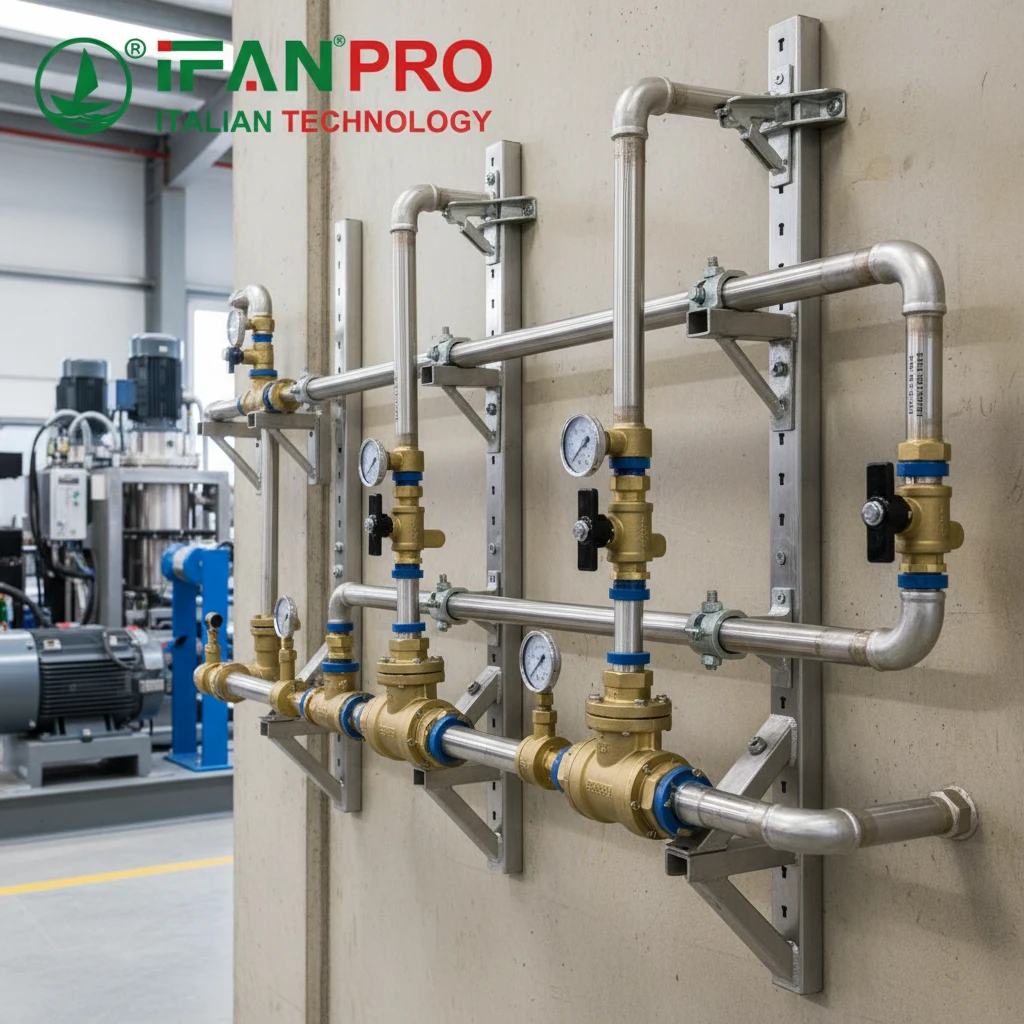
System stability under 16 bar pressure requires components with proper pressure ratings, secure joint connections that won’t separate under surge conditions, and adequate support systems that prevent pipe movement during pressure changes. Each element must work together to contain the significant force stored in a pressurized system.
Understanding Pressure Ratings vs. Operating Pressure
Many buyers confuse the maximum pressure rating with recommended operating pressure. This misunderstanding leads to dangerous installations.
A component rated for 16 bar means it can theoretically withstand 16 bar at room temperature. However, real-world factors reduce this safely:
Pressure Derating Factors
| Factor | Impact on Safe Working Pressure |
|---|---|
| Elevated Temperature | Pressure capacity drops as temperature rises (e.g., 16 bar at 20°C may become 10 bar at 60°C) |
| Pressure Surges | Regular spikes reduce fatigue life significantly |
| Duration of Exposure | Continuous high pressure stresses materials more than intermittent use |
| Chemical Exposure | Some chemicals cause stress cracking under pressure |
Smart designers specify components with a safety margin. For 16 bar maximum system pressure, choose components rated for 20 bar or higher at the operating temperature. This margin absorbs unexpected surges and material variations.
The Critical Role of Joint Integrity
In a pressurized system, joints are always the weakest points. A pipe rated for 20 bar means nothing if its joints fail at 12 bar.
PP-R’s fusion welding creates joints as strong as the pipe itself. Unlike threaded connections that cut into the pipe wall, or glued joints that depend on surface adhesion, fused joints become one continuous material. This monolithic connection maintains its strength even under pressure fluctuations.
For high-pressure agricultural systems, this joint integrity proves essential. Irrigation lines often run buried or in inaccessible locations. A failed joint means digging up large sections to find and repair the leak. Fusion-welded PP-R eliminates this nightmare scenario.
Support Systems and Thermal Movement
High pressure creates powerful forces. When a valve closes suddenly, the water inside wants to keep moving. This water hammer effect can generate pressures far above the system’s normal operating level.
Proper support systems control these forces:
- Pipe clips at recommended intervals prevent vibration
- Expansion loops absorb thermal expansion without stressing joints
- Anchor points at direction changes handle thrust forces
Ignoring support requirements turns a safe system into a dangerous one, regardless of component quality.
Practical Applications of 16×2.0mm Specs in Precision Agricultural Irrigation
A greenhouse operator once showed me how precise water delivery doubled their tomato yield. The secret was consistent, controlled flow to each plant.
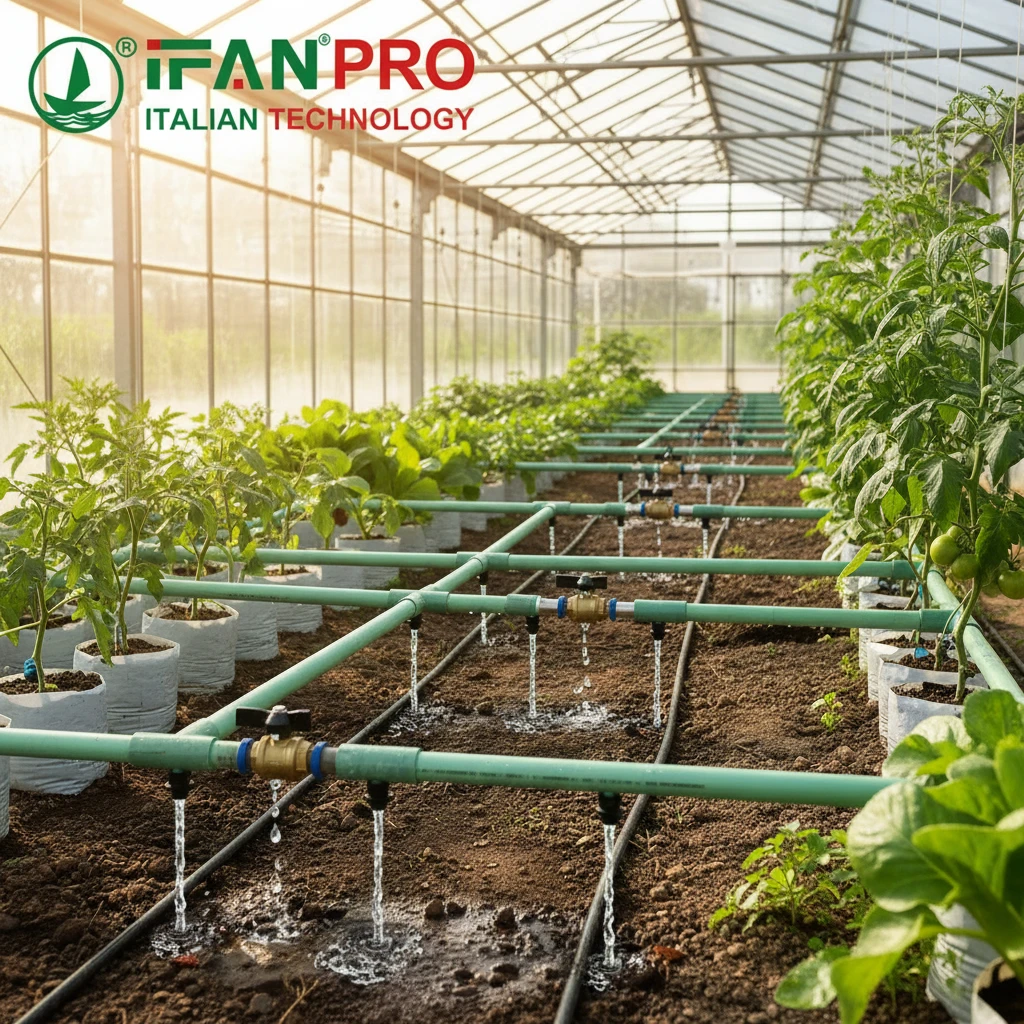
The 16×2.0mm specification (16mm outer diameter with 2.0mm wall thickness) provides an ideal balance for precision irrigation. It offers enough flow for emitters and drip lines while maintaining structural strength for burying or surface installation. The 12mm internal diameter delivers adequate volume without excessive pressure drop.
Why This Specification Works for Irrigation
Precision irrigation demands consistent pressure at every emitter. Pressure variations mean some plants get too much water while others get too little.
The 16×2.0mm size hits a sweet spot:
Flow Characteristics at Different Distances
| Pipe Length | Flow Rate at 2 bar | Pressure Drop | Suitable For |
|---|---|---|---|
| 50 meters | 35-40 L/min | Minimal (0.1-0.2 bar) | Small greenhouses, garden beds |
| 100 meters | 35-40 L/min | Moderate (0.3-0.4 bar) | Medium fields, row crops |
| 200 meters | 35-40 L/min | Significant (0.8-1.0 bar) | Long runs require pressure compensation |
The 2.0mm wall thickness provides durability for burial and UV resistance for exposed sections. Thinner walls would risk collapse under soil weight or damage from farming equipment.
Emitter Compatibility and Layout Options
Drip irrigation systems rely on consistent pressure to deliver uniform water amounts. The 16mm size has become an industry standard, meaning emitters, connectors, and accessories are widely available.
Common configurations include:
- Inline drip tubing with integrated emitters at set spacing
- Lateral lines feeding individual drip emitters at each plant
- Grid systems for even coverage in greenhouses
The smooth interior of PP-R pipes ensures emitters receive clean water without particles that could clog the tiny flow paths. This reliability matters most in systems with hundreds or thousands of emitters.
Seasonal Considerations
Agricultural systems face temperature extremes. Summer heat can soften pipes; winter freezing can burst them.
PP-R handles temperature variations well:
- Summer operation: Maintains pressure rating up to 60°C comfortably
- Winter drainage: Smooth walls allow complete draining to prevent freeze damage
- UV exposure: Quality PP-R includes UV stabilizers for outdoor life
For seasonal operations, the ability to drain systems completely prevents costly winter damage. The smooth bore allows water to run out fully, unlike rougher materials that trap moisture.
High-Reliability Valves to Reduce Machinery Downtime
A packaging line once sat idle for six hours because a $20 valve failed. The production loss paid for an entire system upgrade.
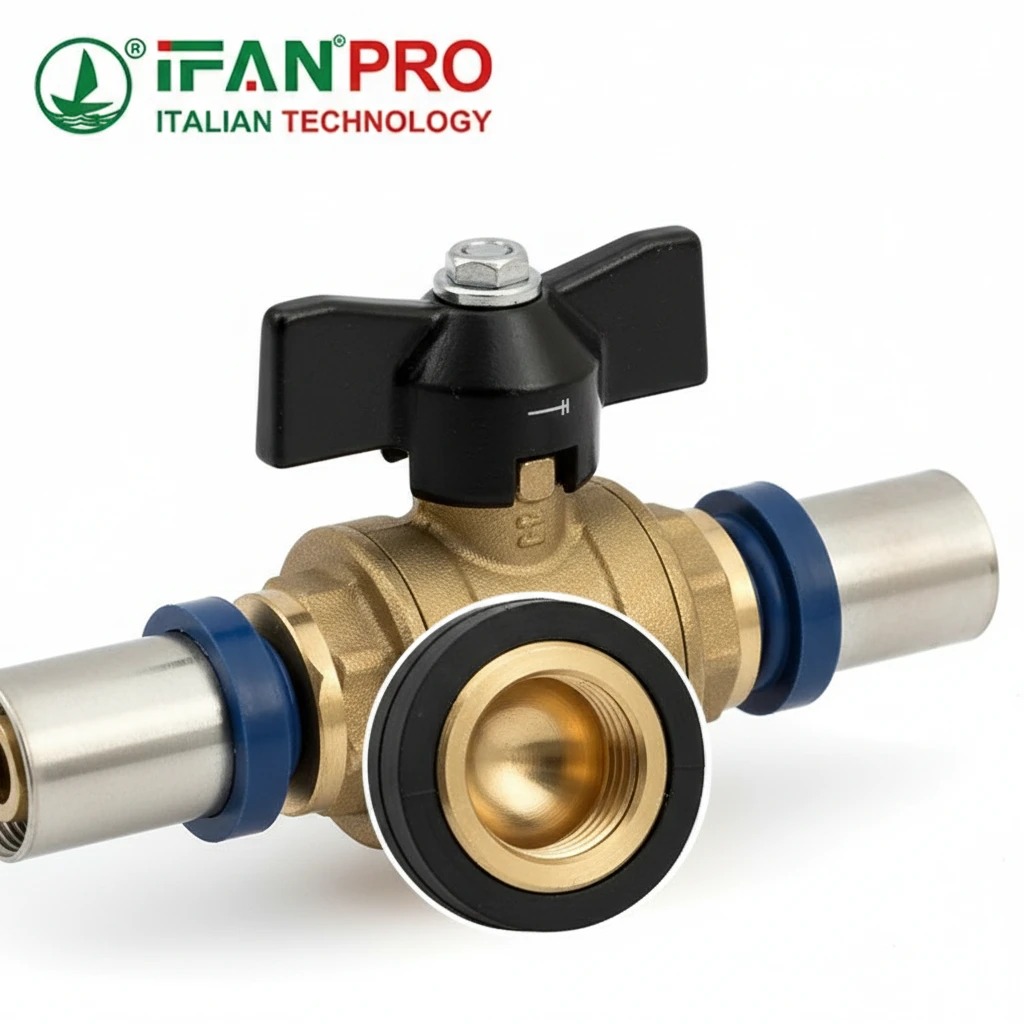
High-reliability valves reduce machinery downtime through four key features: robust sealing systems that withstand repeated cycles, corrosion-resistant materials matched to the fluid, simple maintenance access for quick repairs, and clear position indicators that confirm proper operation. Each feature prevents a different common failure mode.
Understanding Valve Failure Modes
Valves fail in predictable ways. Understanding these failure modes helps select components that avoid them.
Common Valve Failures and Prevention
| Failure Mode | Cause | Prevention Strategy |
|---|---|---|
| Seal Leakage | Worn O-rings or seats from cycling | Choose valves with replaceable, standard-sized seals |
| Stem Leakage | Stem seal failure from rotation | Select valves with multiple stem seals or live-loaded packing |
| Blockage | Debris trapped in seat area | Specify full-port designs with smooth flow paths |
| Corrosion | Chemical attack on metal parts | Match materials to the specific fluid chemistry |
| Handle Breakage | Over-torquing or impact | Choose robust handle designs with stops to prevent over-tightening |
Ball valves generally offer the best reliability for on/off service in irrigation and light machinery. Their simple operation and straight-through flow path minimize pressure drop and blockage risks.
Maintenance Considerations
Even the best valves eventually need service. Design choices determine whether maintenance takes minutes or hours.
Reliable valves share these maintenance-friendly features:
- Replaceable seats and seals without removing the valve from the line
- Standardized components available from multiple sources
- Clear markings showing flow direction and position
- Simple tools required for disassembly
IFAN’s valve designs prioritize serviceability. When a seal eventually wears, a technician can replace it quickly and return the system to operation. This approach recognizes that all mechanical components have finite life spans.
Position Indication and Automation Readiness
Operators need to know valve status at a glance. Ambiguous handle positions cause confusion and errors.
Good valve design includes:
- Positive stops at fully open and fully closed
- Clear markings showing open/closed orientation
- Straight handle that aligns with flow direction
- Optional position switches for automated systems
For systems moving toward automation, valves that accept electric or pneumatic actuators without modification simplify future upgrades. This forward-thinking approach saves replacement costs later.
Conclusion
Reliable flow control for light machinery and agriculture requires components that resist chemicals, maintain pressure stability, deliver precise flow, and minimize downtime. IFAN’s comprehensive range of PP-R pipes, fittings, and valves meets these demands with certified materials and precision manufacturing for long-term performance.










 Français
  English
  Русский
  Español
Commentaires récents