
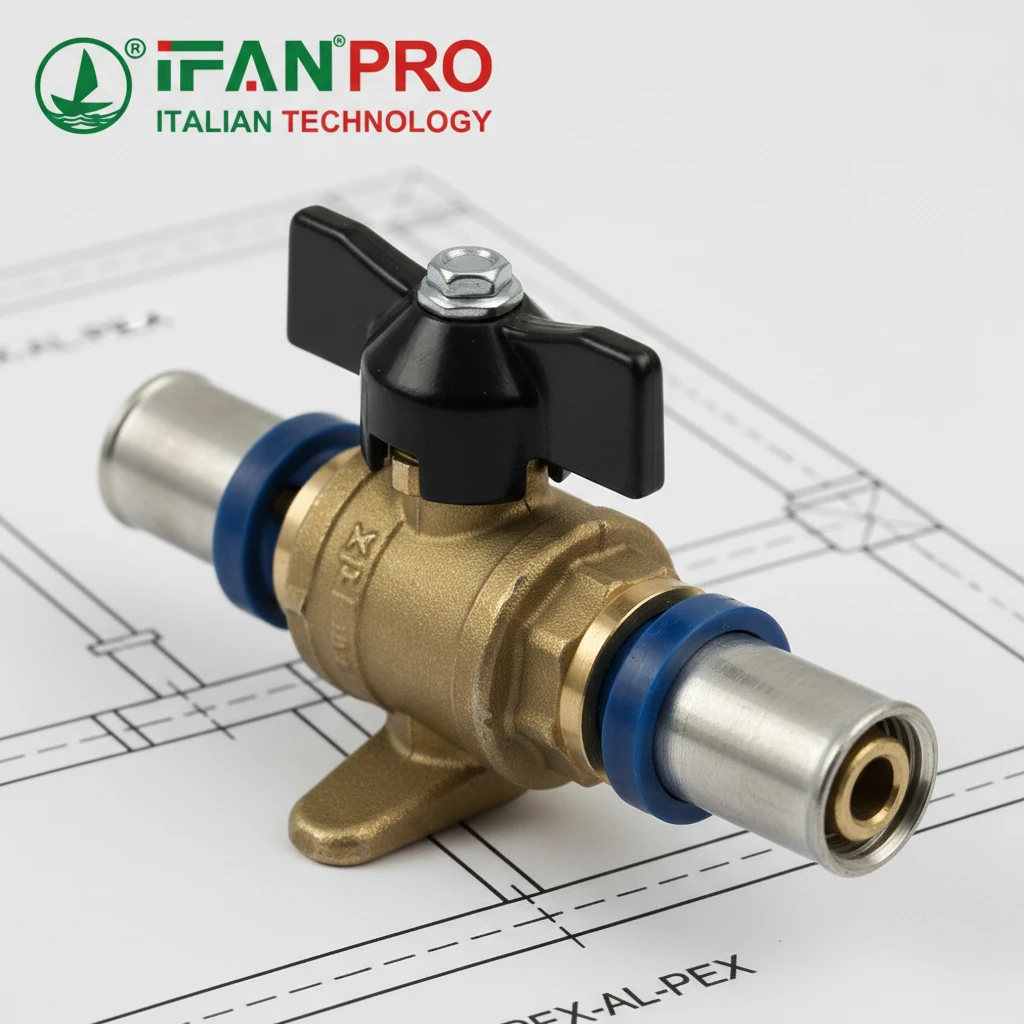
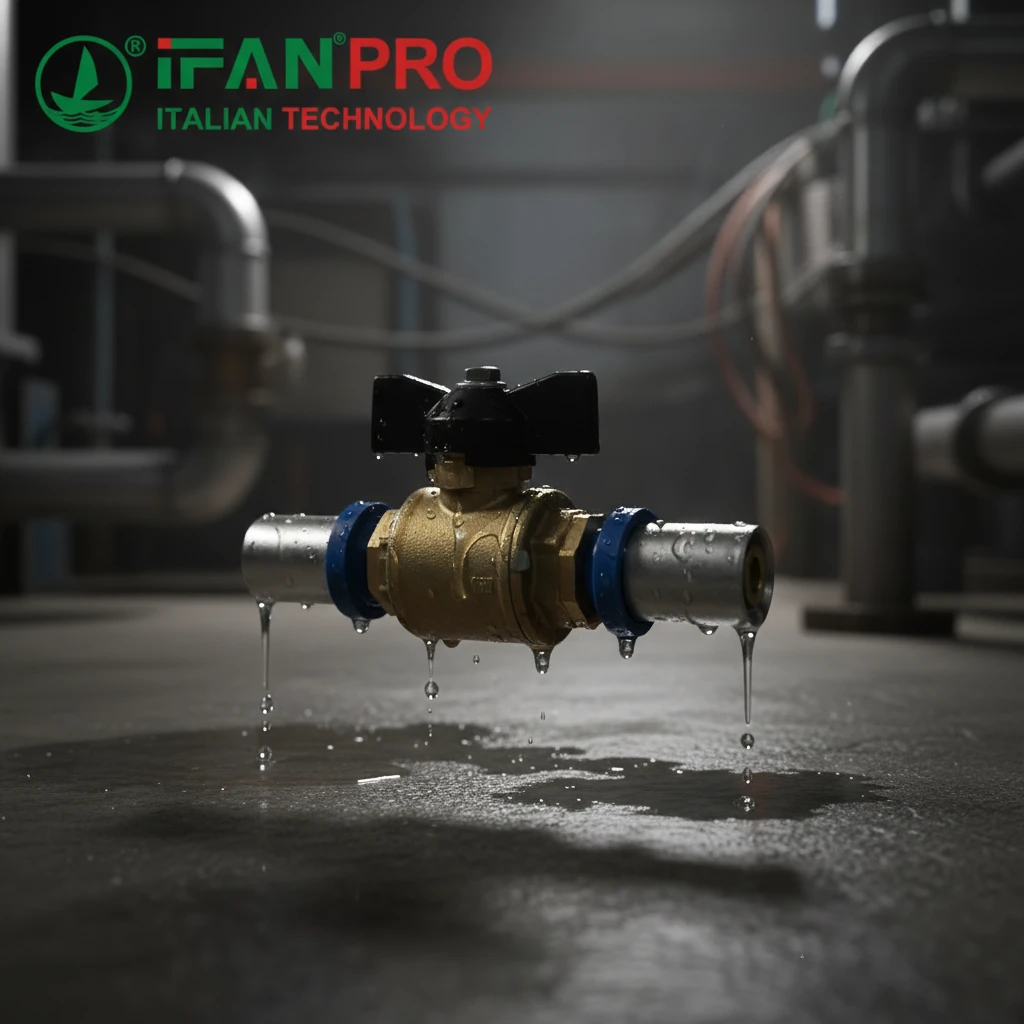
I once got a call at 2 AM from a client whose newly installed system was flooding a basement. That night taught me that small mistakes in connection details can lead to catastrophic failures.
You can permanently solve leaks in PEX-AL-PEX pipe connections by using high-quality fittings with precision-machined seats, ensuring proper crimping or pressing tools, and relying on durable blue EPDM O-rings that maintain elasticity under pressure fluctuations. The real solution combines quality components with correct installation techniques.
Let’s examine exactly how to eliminate leaks and build systems that last for decades.
Analyzing Common Causes of Leaks in Plumbing Systems
I’ve seen the same failure patterns repeat across countless job sites. Understanding why leaks happen is the first step to preventing them.
Most leaks in PEX-AL-PEPEX-AL-PEX systems occur from three main causes: improper tool calibration during crimping, damaged O-rings during assembly, and low-quality fittings with poor dimensional accuracy. These issues create paths for water to escape, especially under pressure fluctuations or temperature changes.
Installation Errors That Lead to Failure
The most frequent cause of leaks is human error during installation. Plumbers often rush or use incorrect techniques. Here are the specific mistakes I encounter regularly:
1. Incomplete Crimping: When using crimp rings, the tool must close fully. If the installer does not apply enough pressure or removes the tool too early, the ring does not compress the pipe evenly against the fitting. This leaves gaps where water can seep through over time.
2. Using Wrong Tools: Each fitting size requires the correct crimping or pressing tool. Using an adjustable tool on the wrong setting, or using worn-out jaws, produces incomplete compression. The connection may hold during initial testing but fail after months of thermal expansion cycles.
3. Damaging the O-Ring During Assembly: The blue EPDM O-ring inside the fitting is delicate. If the pipe end has sharp burrs or the installer pushes it in at an angle, the O-ring can roll, pinch, or tear. Even a tiny cut will eventually become a leak path.
Material Quality Problems
Beyond installation errors, the components themselves often cause failures.
| Material Issue | What Happens | Result |
|---|---|---|
| Poor Brass Quality | Cheap brass contains impurities that cause stress cracking over time. | Fittings develop hairline cracks after years of pressure. |
| Inaccurate Machining | Fitting dimensions deviate from specifications. | Pipe does not seat properly against the O-ring. |
| Low-Grade O-Rings | Rubber hardens, cracks, or loses elasticity quickly. | Seal fails to maintain compression under pressure changes. |
Environmental Factors
Systems also fail due to external conditions that installers overlook. Freezing temperatures can expand water in the pipe, pushing fittings apart. Water hammer from quick-closing valves creates pressure spikes that stress connections. Aggressive water chemistry can degrade low-quality rubber seals faster than expected.
Understanding these causes helps us select the right solutions. High-quality components eliminate material issues, while proper training and tools address installation errors.
Secure Installation Steps for Crimp/Press Fittings
Proper installation technique matters more than any other factor. I’ve trained dozens of plumbers, and the ones who follow every step never have callbacks.
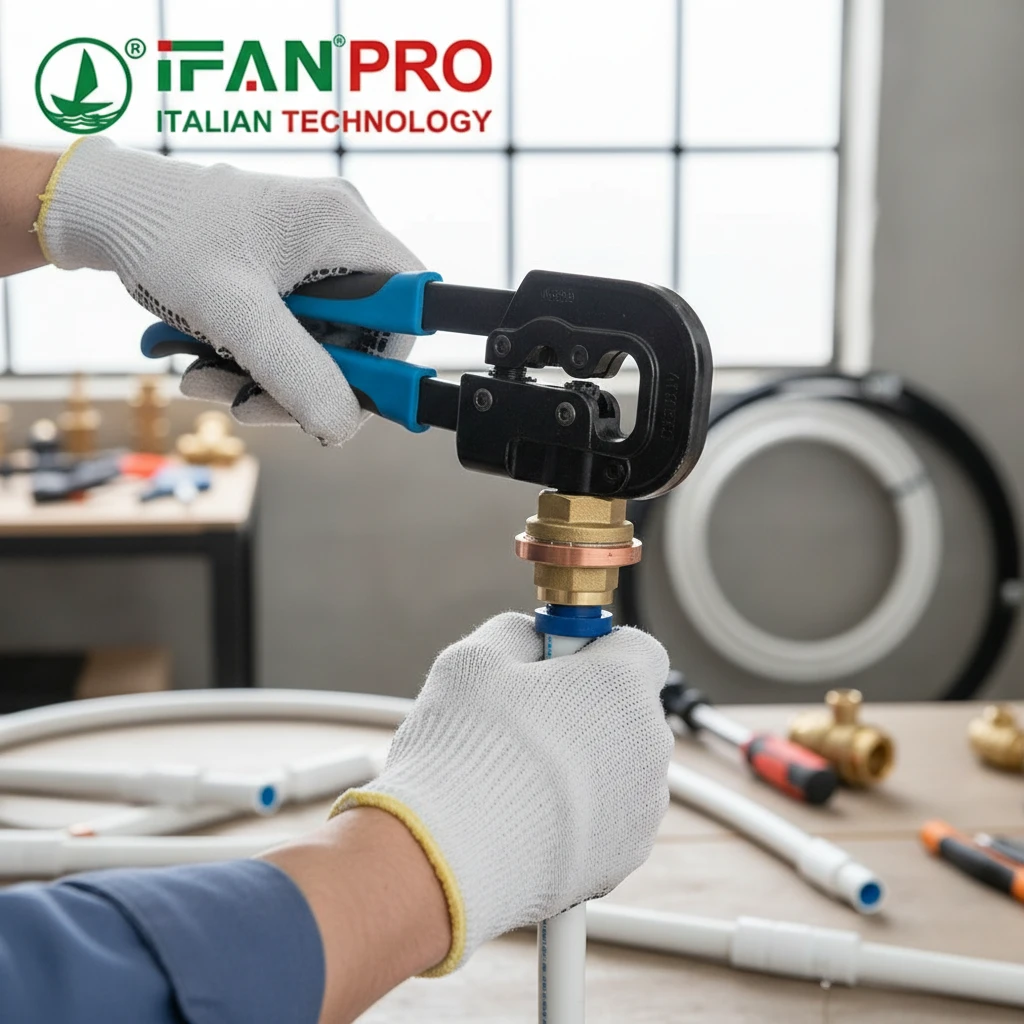
Secure installation requires five essential steps: cutting the pipe perfectly square, deburring the inner and outer edges, marking insertion depth, sliding the fitting in straight without damaging the O-ring, and completing the crimp or press with calibrated tools. Skipping any step risks future failure.
Step-by-Step Installation Guide
Step 1: Cut the Pipe Square
Use a dedicated pipe cutter designed for PEX-AL-PEX. Do not use saws or other tools that create uneven cuts. A square cut ensures the pipe contacts the O-ring evenly around its entire circumference. Even a slightly angled cut can create a gap on one side.
Step 2: Deburr Thoroughly
After cutting, the pipe ends have sharp edges. The aluminum layer between the plastic can leave burrs. Use a deburring tool or reamer to smooth both the inside and outside edges. This step is critical because sharp burrs will cut the O-ring as you insert the pipe. I’ve seen many leaks start from this single oversight.
Step 3: Check and Mark Insertion Depth
Most quality fittings have a visible shoulder or stop. Measure the depth from the fitting end to this stop. Mark this distance on the pipe with a permanent marker. This mark serves as a visual check that you have pushed the pipe all the way in before crimping.
Step 4: Insert the Pipe Straight
Hold the fitting steady. Push the pipe in with a straight, firm motion. Do not twist or wiggle it. Twisting can roll the O-ring out of its groove. Push until the pipe reaches the stop and your mark aligns with the fitting end.
Step 5: Position the Crimp Ring or Press Tool
For crimp systems, slide the ring over the pipe before insertion, then position it over the fitting’s barbed section. For press systems, ensure the jaws sit correctly around the fitting’s press collar. The tool must be perpendicular to the pipe.
Step 6: Complete the Connection
Squeeze the crimp tool handles fully until they bottom out. For press tools, activate until the cycle completes. Do not release early. After crimping, use a go/no-go gauge to check ring diameter on crimp systems. This simple check confirms proper compression.
Installation Comparison Table
| System Type | Tools Required | Critical Check Point | Common Error |
|---|---|---|---|
| Crimp Ring | Crimp tool, go/no-go gauge | Ring diameter after crimping | Under-crimping or tool misalignment |
| Press Fitting | Press tool with correct jaws | Full tool cycle completion | Using wrong jaw size for fitting |
| Clamp System | Clamp tool, tension gauge | Even clamp tension | Uneven tension around circumference |
Following these steps consistently eliminates installation-related leaks. The extra minutes spent on proper preparation save hours of future repair work.
The Crucial Role of Blue EPDM O-Rings in Resisting Pressure Fluctuations
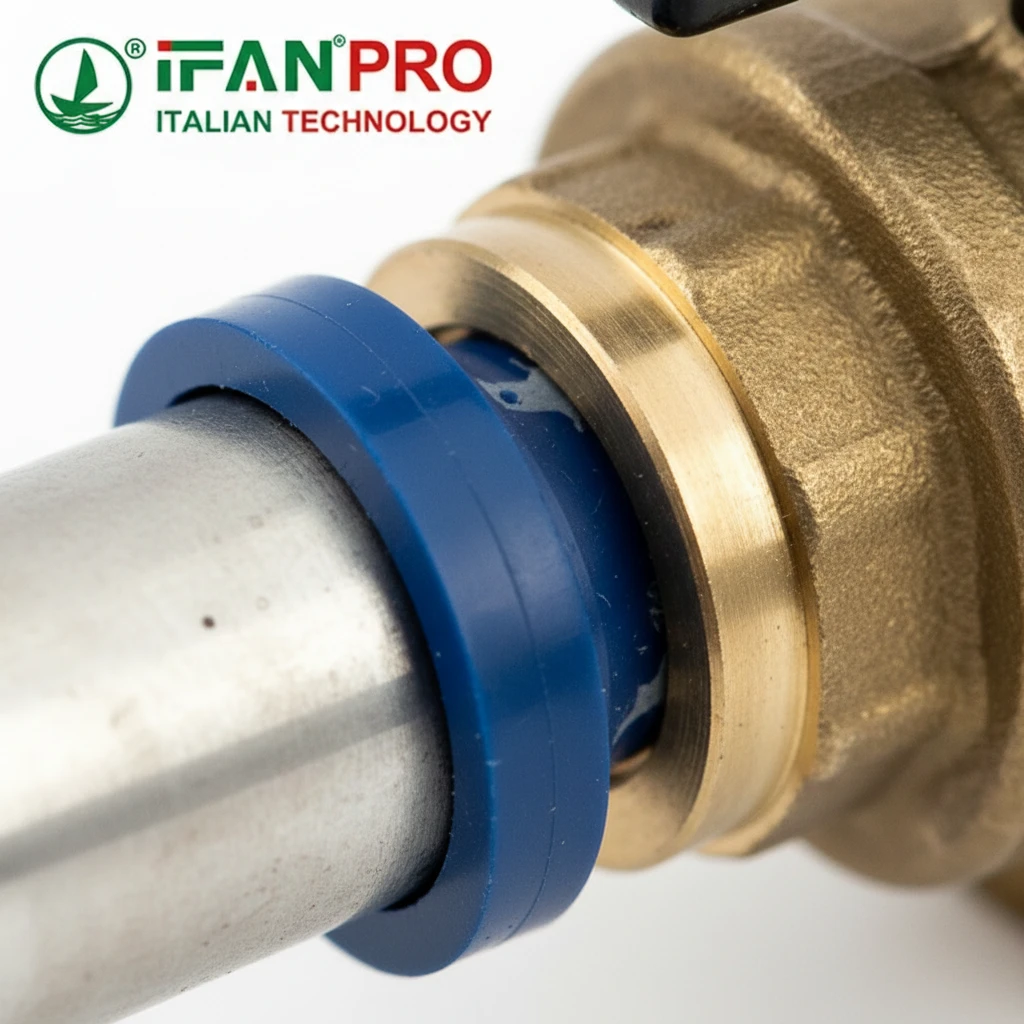
The blue O-ring inside the fitting is the actual sealing component. Everything else just holds it in place. Understanding why manufacturers use blue EPDM specifically helps explain its importance.
Blue EPDM O-rings provide superior resistance to pressure fluctuations because they maintain elasticity across a wide temperature range, resist permanent compression set, and withstand chlorine and other chemicals found in potable water. Their blue color often indicates certification for drinking water applications.
Material Properties That Matter
EPDM (Ethylene Propylene Diene Monomer) rubber has specific characteristics that make it ideal for plumbing seals.
Temperature Resistance: EPDM remains flexible from -40°F to 300°F (-40°C to 150°C). In residential systems, water temperature fluctuates constantly. A morning shower draws hot water, then the system sits idle. EPDM expands and contracts with these changes without losing its sealing pressure. Inferior rubbers become brittle with heat cycling and crack over time.
Compression Set Resistance: This technical term describes what happens when you squeeze rubber and hold it for years. Some rubbers take a “set” – they stop trying to return to their original shape. EPDM resists this effect. The O-ring stays springy, maintaining constant pressure against the pipe wall for decades.
Chemical Compatibility: Municipal water contains chlorine and other disinfectants. These chemicals attack many rubber compounds, causing them to swell, soften, or degrade. EPDM handles chlorine exposure well. It also resists the small amounts of oils and chemicals that might appear in residential systems.
Why Color Coding Matters
The blue color is not just for looks. Many manufacturers use blue EPDM specifically for potable water applications. This color coding helps installers identify the correct seal material at a glance.
Performance Comparison of O-Ring Materials
| Material | Temperature Range | Chlorine Resistance | Compression Set | Typical Application |
|---|---|---|---|---|
| EPDM (Blue) | -40°F to 300°F | Excellent | Low | Potable water, hot/cold |
| Nitrile (Buna-N) | -30°F to 250°F | Poor | Medium | Oils, fuels, not for water |
| Silicone | -60°F to 450°F | Good | High | High heat, low pressure |
| Viton/FKM | -15°F to 400°F | Excellent | Low | Industrial chemicals |
Handling Pressure Fluctuations
Systems experience pressure spikes regularly. A water heater cycling on, a faucet closing quickly, or a pump starting creates sudden pressure changes. A quality O-ring absorbs these spikes. It deforms slightly under high pressure, then returns to shape when pressure normalizes. This dynamic response prevents leaks that would occur with rigid sealing methods.
The blue EPDM O-ring in a properly designed fitting acts as a living component, not a static part. It moves with the system, maintaining its seal through thousands of pressure cycles over decades of service.
The Long-Term Value of Investing in Durable Brass Valves (10+ Year Lifespan)
Cheap valves fail. I’ve replaced hundreds of them. The initial savings disappear quickly when you factor in labor costs for replacements and water damage repairs.
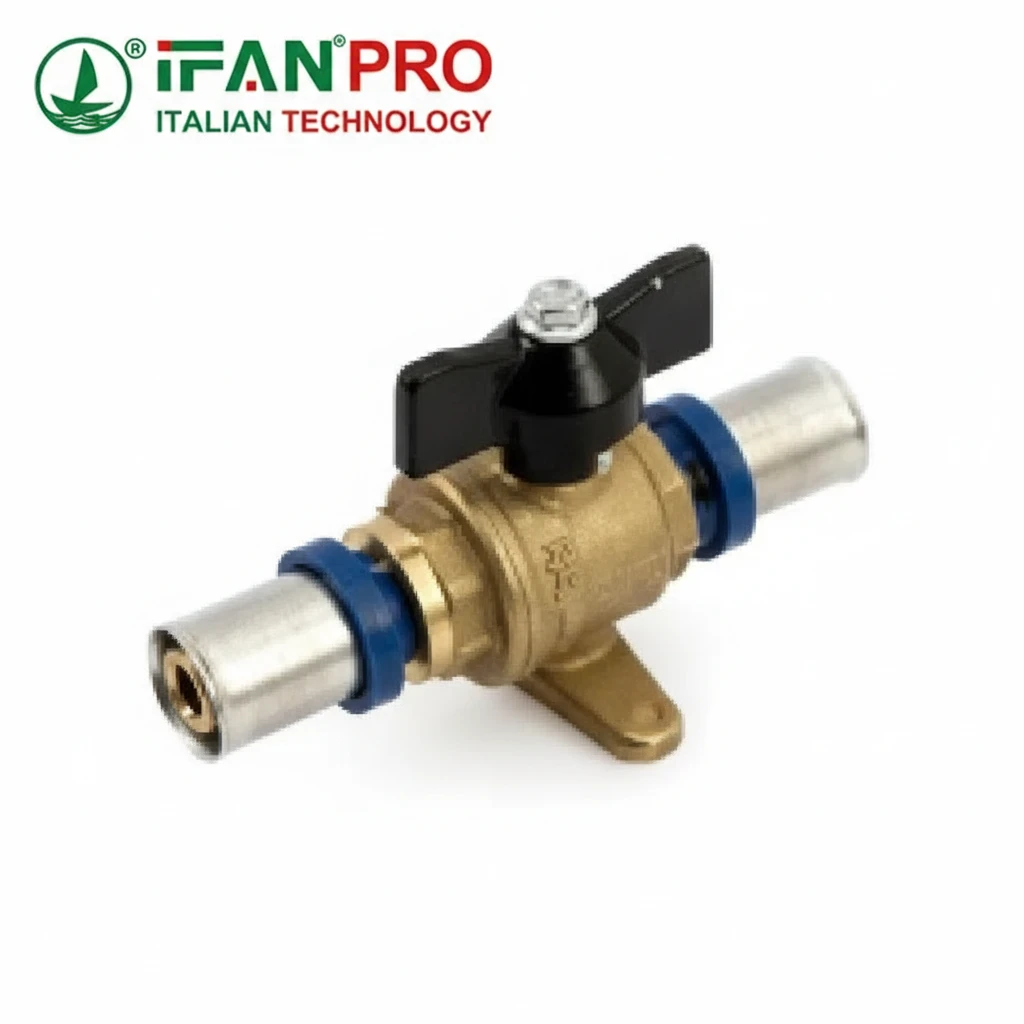
Durable brass valves provide long-term value through dezincification resistance, precision-machined sealing surfaces, and compatibility with PEX-AL-PEX systems. A quality valve lasts 10+ years without failure, while cheap alternatives often crack, seize, or leak within 2-3 years, requiring expensive replacements.
Understanding Dezincification
Brass is an alloy of copper and zinc. In low-quality brass, the zinc can leach out over time when exposed to water. This process, called dezincification, leaves behind a weak, porous copper structure. The valve body becomes brittle and develops pinhole leaks or cracks.
Quality valves use dezincification-resistant (DZR) brass. This material contains additional elements that prevent zinc leaching. DZR brass maintains its strength and integrity for decades in water service. The difference is invisible to the eye but critical for long-term performance.
Precision Machining Matters
A valve’s internal sealing surfaces must be perfectly smooth and round. Cheap valves often have rough surfaces from poor machining. These irregularities prevent the ball or seat from sealing completely. They also wear out O-rings faster, causing leaks around the stem.
High-quality valves undergo precision machining with tight tolerances. The ball has a mirror finish. The seats align perfectly. When you close the valve, it seals completely every time. When you open it, water flows freely without restriction.
Connection Compatibility
For PEX-AL-PEX systems, valves must have proper connection ends. Some valves use barbed ends for crimp connections. Others have press-fit ends for press tools. Quality valves are designed specifically for these connection methods, with correct dimensions and smooth surfaces that won’t damage O-rings during assembly.
Cost Comparison Over 10 Years
| Valve Type | Initial Cost | Lifespan | Replacement Labor | Total 10-Year Cost |
|---|---|---|---|---|
| Cheap Brass Valve | $8-12 | 2-3 years | $50-100 per replacement | $90-220+ |
| DZR Brass Valve | $18-25 | 10+ years | $0 | $18-25 |
The table shows the real economics. A quality valve costs slightly more upfront but eliminates replacement costs entirely. When you factor in the potential water damage from a failed valve, the value becomes even clearer.
Additional Benefits of Quality Valves
Beyond leak prevention, good valves offer better performance. They operate smoothly with less force. They provide full flow when open, reducing pressure drop. Their stems seal better, preventing those annoying small leaks around the handle. These details make the system more reliable and pleasant to use.
Conclusion
Permanent leak prevention in PEX-AL-PEX systems requires quality components and correct installation. For guaranteed results, choose IFAN’s complete line of fittings, blue EPDM O-rings, and DZR brass valves designed for 50-year service life in residential and commercial systems.










 Français
  English
  Русский
  Español
Commentaires récents