
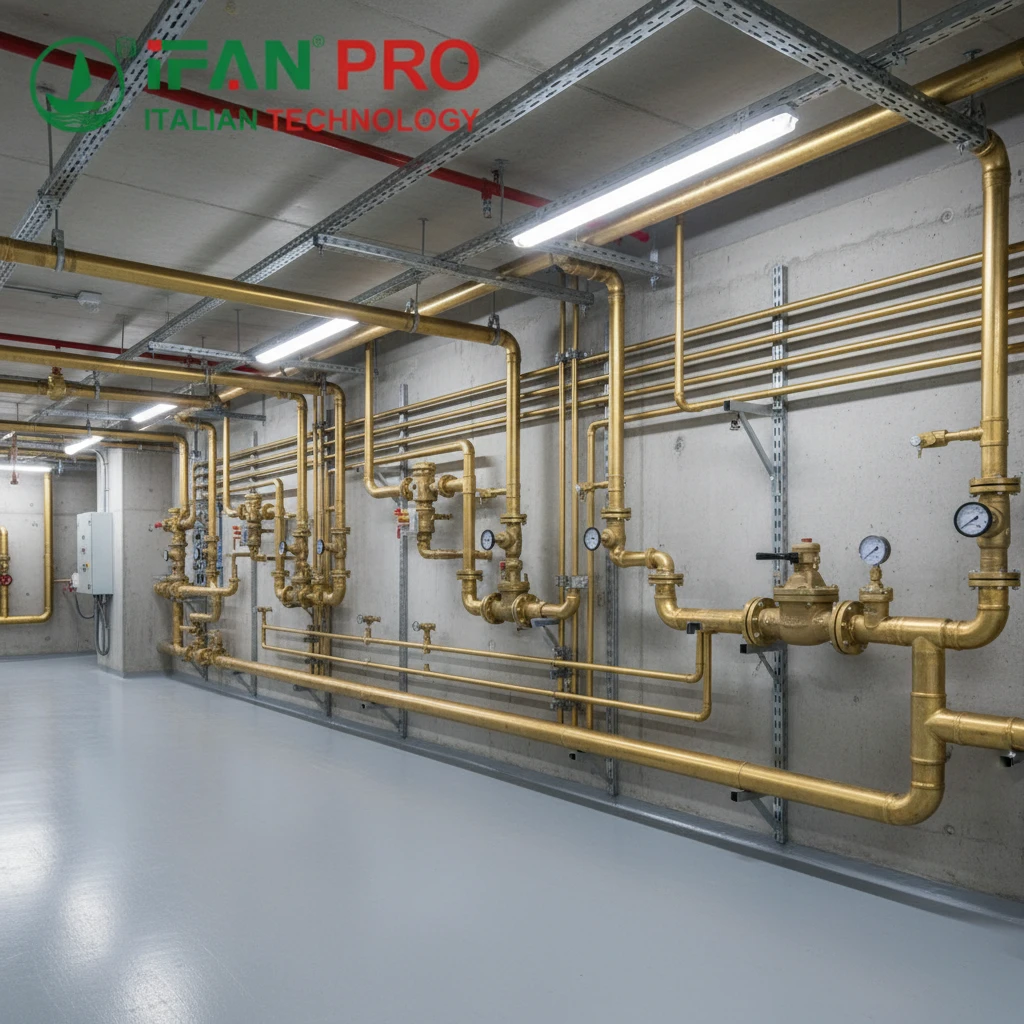
My clients often ask me if they should choose traditional copper or switch to brass. A common concern is finding a reliable material that balances performance and cost. Let me share what I’ve learned from years in the supply chain.
Yes, CCA407 brass pipes are highly suitable for both plumbing and HVAC systems. They offer excellent corrosion resistance, are easy to install, and meet key international standards for safety and performance, making them a versatile and often more economical alternative to copper in many applications.
Now, let’s look closely at why CCA407 brass is a smart choice for your building systems.
Why is CCA407 a Preferred Material for Potable Water Supply Lines?
Many builders worry about water safety and pipe longevity. I’ve seen projects where material choice prevented big problems later.
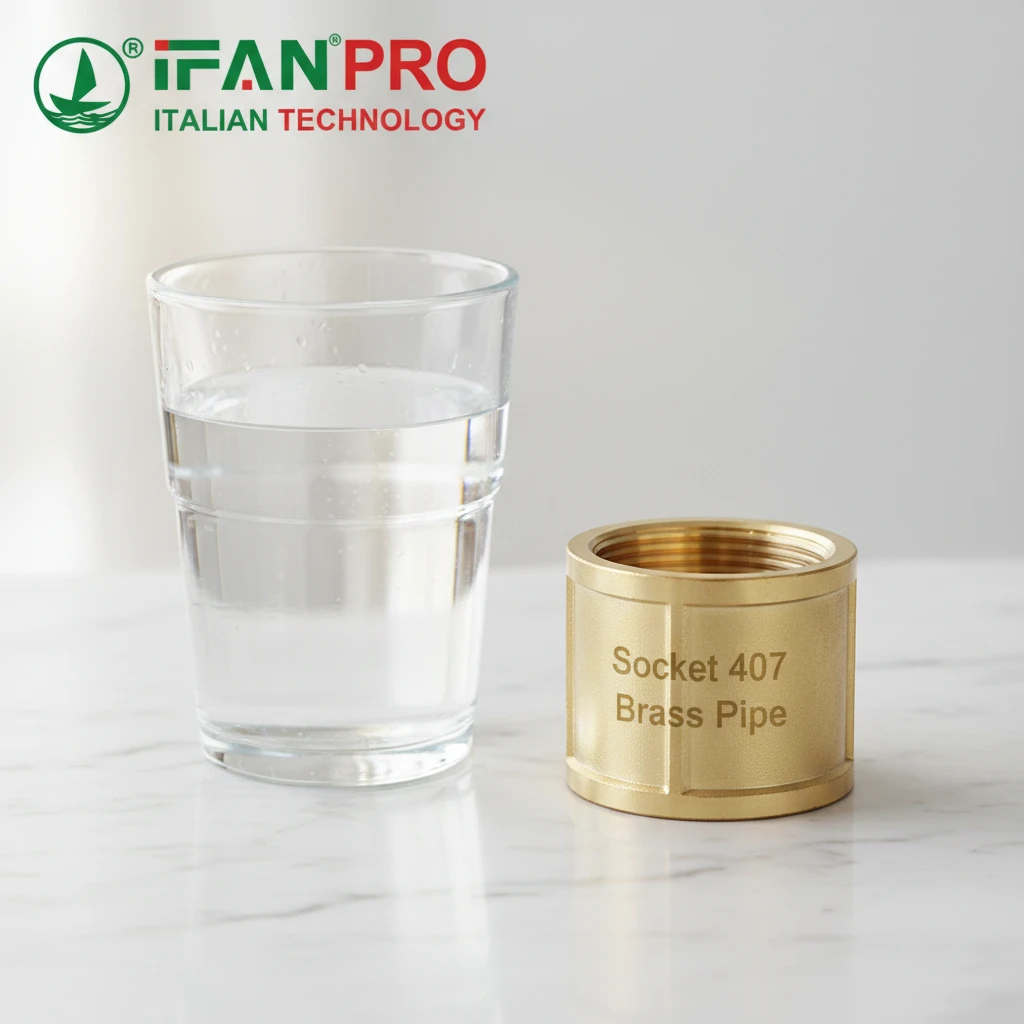
CCA407 brass is a preferred material for potable water lines because it contains a controlled amount of lead (less than 0.25%), making it compliant with strict safety standards like NSF/ANSI 61. Its natural resistance to dezincification ensures the pipe stays strong and does not leach harmful metals, providing safe and durable water delivery for decades.
Key Safety and Material Benefits
The safety of drinking water is the most important factor. CCA407 brass is specially designed for this job. The “CCA” stands for Copper Alloy, and the “407” refers to a specific mix of copper and zinc. What makes it safe is that it uses a very small amount of lead. This lead is sealed within the alloy structure during manufacturing. Modern standards strictly control this amount, and CCA407 meets these rules. This means it will not release harmful levels of lead into your drinking water.
Another major benefit is its resistance to a problem called dezincification. This is a type of corrosion where zinc leaches out of the brass, leaving behind a weak, porous copper structure. CCA407 brass is “inhibited,” meaning it has added elements like arsenic or phosphorus to stop this process. This keeps the pipe wall strong and prevents leaks and failures.
Ease of Installation and Long-Term Performance
From an installer’s point of view, CCA407 brass is easier to work with than many other metals. It is softer than steel and some copper alloys, so it is easier to cut and thread. This saves time and labor costs on the job site. Its joints can be made using soldering, brazing, or mechanical fittings, offering flexibility to plumbers.
Because it resists corrosion from water and soil, it has a very long lifespan. You won’t have to worry about rust or scale buildup that can clog pipes and reduce water pressure. This durability makes it a cost-effective solution over the life of a building.
Comparing Common Potable Water Pipe Materials
The table below shows how CCA407 brass compares to other popular choices for water supply lines.
| Material | Key Advantage for Potable Water | Primary Concern | Typical Lifespan |
|---|---|---|---|
| CCA407 Brass | Excellent corrosion resistance; compliant with low-lead standards. | Initial cost higher than some plastics. | 50+ years |
| Copper (Type L) | Natural biostatic properties inhibit bacteria growth. | Can corrode in acidic or aggressive water. | 50+ years |
| PP-R (Plastic) | Inert, no corrosion; smooth interior prevents scaling. | Not suitable for very high-temperature applications. | 50+ years |
| Galvanized Steel | High mechanical strength. | Prone to rust and scale buildup over time. | 20-50 years |
As you can see, CCA407 brass offers a great balance of safety, durability, and ease of use. It is a trusted material that solves the core problem of delivering clean water reliably.
How Does it Perform in Closed-Loop Heating and Chilled Water Systems?
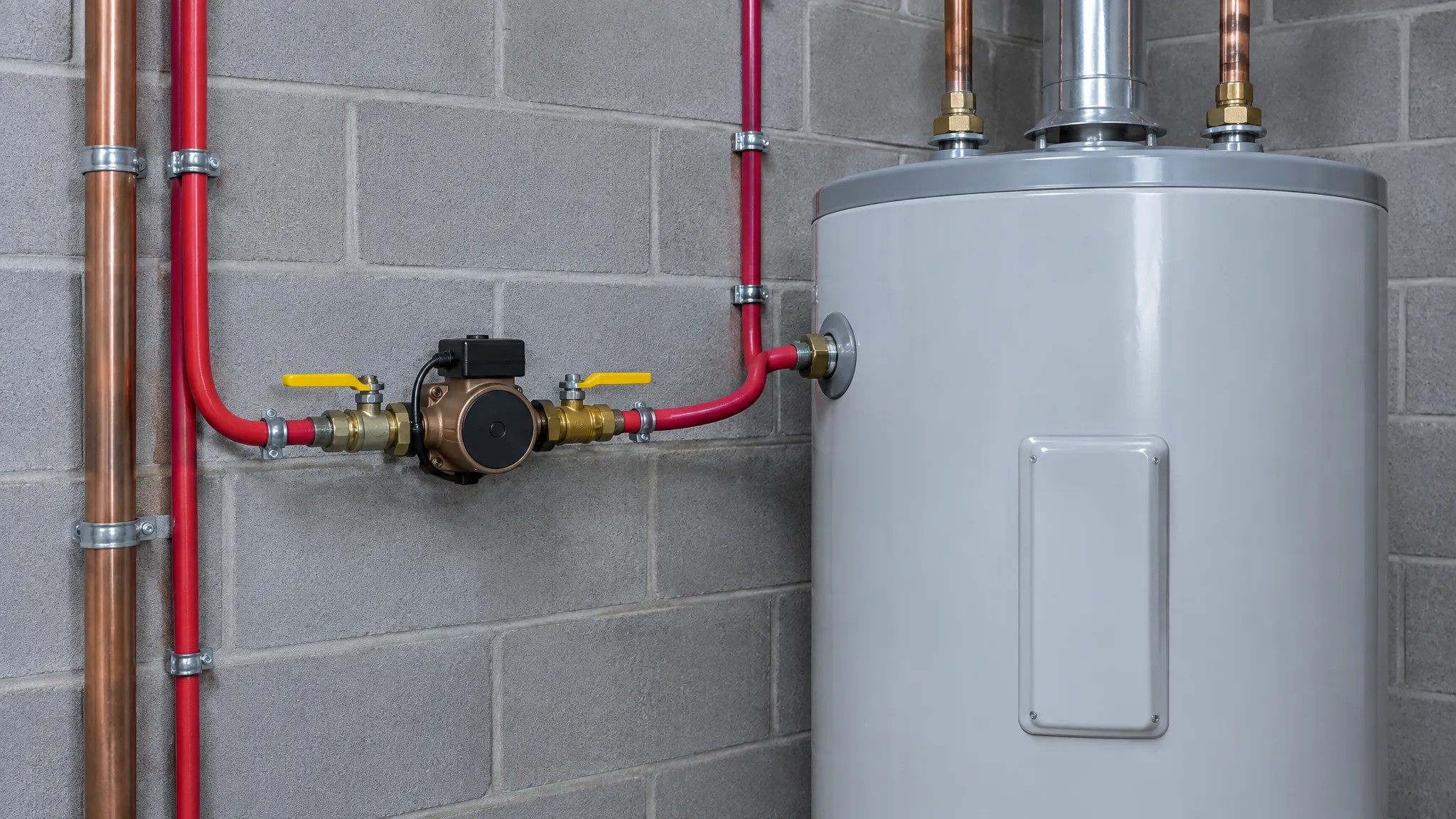
HVAC systems put pipes under constant stress from temperature changes and water chemistry. Failure here can shut down a building’s heating or cooling.
CCA407 brass performs excellently in closed-loop HVAC systems. It withstands the high temperatures of heating loops and resists corrosion from treated water in chilled systems. Its strength prevents damage from pressure changes, and its thermal conductivity helps in efficient heat transfer, ensuring reliable system operation.

Withstanding Temperature and Pressure
Closed-loop systems are used in boilers for heating and chillers for cooling. These systems are complex and expensive to repair. The pipe material must be very reliable. CCA407 brass is strong enough to handle the high pressure of these systems. More importantly, it can handle the temperature range. It performs well in hot water heating systems that can reach temperatures above 80°C (176°F) and in cold water systems just above freezing.
The material does not become brittle in the cold, unlike some plastics. It also does not soften excessively at high temperatures. This stability across a wide range is a key reason engineers choose it.
Resistance to System Corrosion
The water in HVAC loops is not regular tap water. It is specially treated with chemicals to prevent algae growth and to control pH. These chemicals can be harsh on pipes. CCA407 brass has a high resistance to this type of chemical corrosion. It also handles the “oxygen pitting” corrosion that can happen in closed heating systems very well.
Its smooth interior surface helps maintain good water flow. This reduces the pump energy needed to move water through the system, which saves on electricity costs over time.
Performance in Heating vs. Chilled Water Systems
Let’s break down its performance in the two main types of closed-loop systems:
| System Type | Key Demand on Pipes | How CCA407 Brass Performs |
|---|---|---|
| Heating/Hot Water Loop | High temperature, thermal expansion, oxygen pitting corrosion. | Maintains strength at high heat. Expands predictably. Highly resistant to pitting. |
| Chilled Water Loop | Condensation control, corrosion from treatment chemicals, pressure stability. | Prevents condensation drip due to its insulating property. Resists chemical corrosion. Handles system pressure reliably. |
For building managers, this performance means fewer emergency repairs, less risk of water damage from leaks, and lower long-term maintenance costs. Choosing a material like CCA407 brass that is built for these specific conditions is a wise investment.
What Are the Advantages Over Copper in Certain HVAC Applications?
Clients often assume copper is always the best choice. However, in many cases, brass offers a better balance of cost and function.
The main advantages of CCA407 brass over copper in HVAC are lower material cost, better machinability for easier installation, and superior corrosion resistance in specific environments like those with high chlorine or ammonia. This makes brass a cost-effective and durable alternative for fittings, valves, and connectors in complex systems.
Cost and Installation Advantages
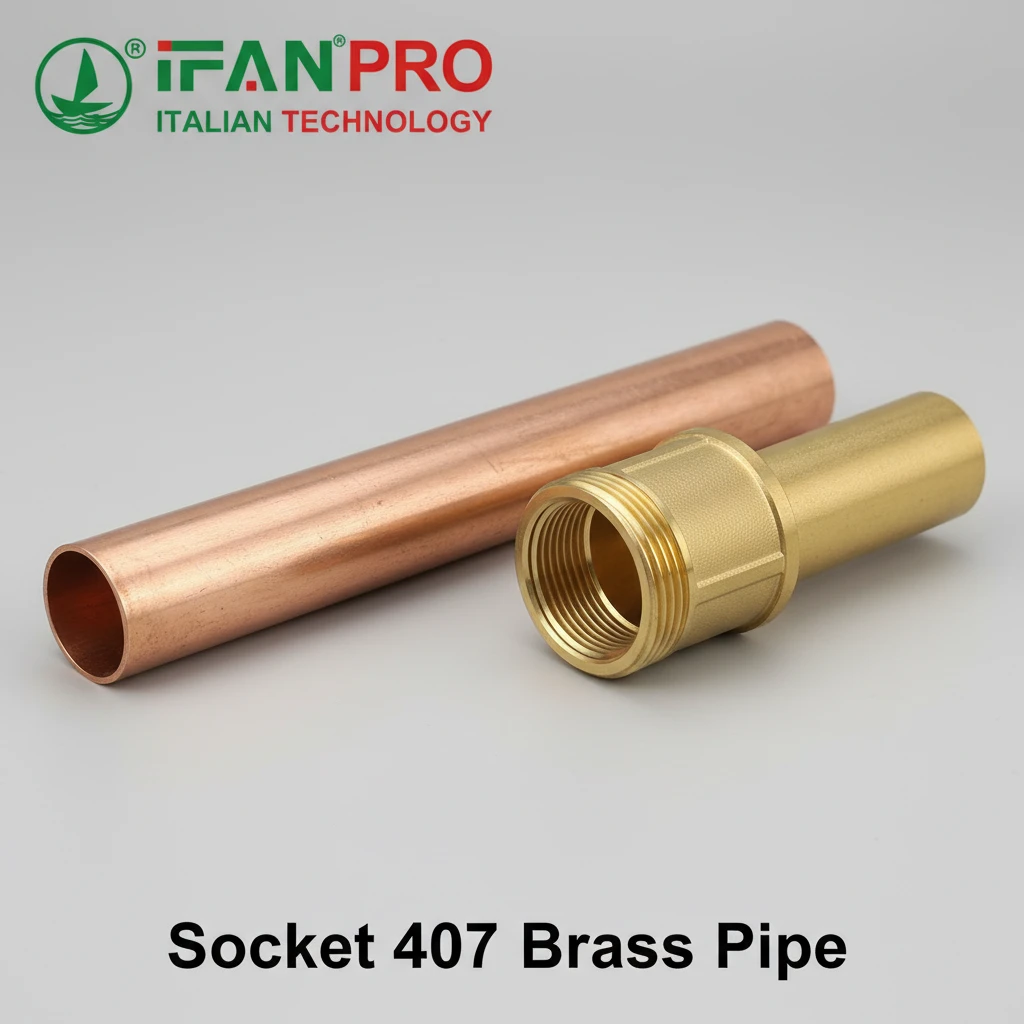
For large HVAC projects, material costs add up quickly. CCA407 brass is generally less expensive than copper. This can lead to significant savings, especially on projects with many fittings and valves. The savings can be used elsewhere in the project budget.
Perhaps an even bigger advantage is machinability. Brass is easier to machine, thread, and fabricate than copper. It produces less wear on tools. This means installers can work faster and with fewer specialized tools. It also allows for more complex and custom fittings to be made on-site if needed. This ease of installation directly reduces labor costs and project timelines.
Performance in Specific Conditions
While copper is excellent, brass can be better in some tough situations. Brass has higher resistance to certain types of corrosion, especially from water with high levels of chlorine or from systems that might have traces of ammonia. This makes it a safer choice for some industrial cooling systems or in areas with aggressive municipal water.
Brass is also less likely to suffer from stress cracking in environments with vibration. In mechanical rooms with pumps and chillers, this extra durability can prevent failures.
Direct Comparison Table
The table below shows a clear side-by-side comparison for common HVAC applications.
| Feature | CCA407 Brass | Copper (Type L) | Advantage for HVAC |
|---|---|---|---|
| Material Cost | Lower | Higher | Brass offers better project budget control. |
| Machinability | Excellent, easy to thread and cut. | Good, but tougher on tools. | Brass allows for faster, easier installation. |
| Corrosion Resistance | Excellent, especially to dezincification and specific chemicals. | Excellent, but can be affected by acidic water. | Brass is more versatile in varied water conditions. |
| Thermal Conductivity | Good (approx. 120 W/m·K) | Excellent (approx. 400 W/m·K) | Copper is better for heat exchangers. |
| Typical HVAC Use | Fittings, valves, connectors, piping runs. | Heat exchanger coils, refrigerant lines. | Brass is preferred for structural/system piping. |
This comparison shows that copper is still king for applications where maximum heat transfer is critical, like in heat exchanger coils. But for the general piping, fittings, and valves that make up most of an HVAC system, CCA407 brass offers compelling advantages in cost, durability, and ease of installation.
Are There Specific Codes or Standards That Approve Its Use in These Systems?
Navigating building codes is a major pain point for contractors. Using an unapproved material can lead to failed inspections and expensive rework.
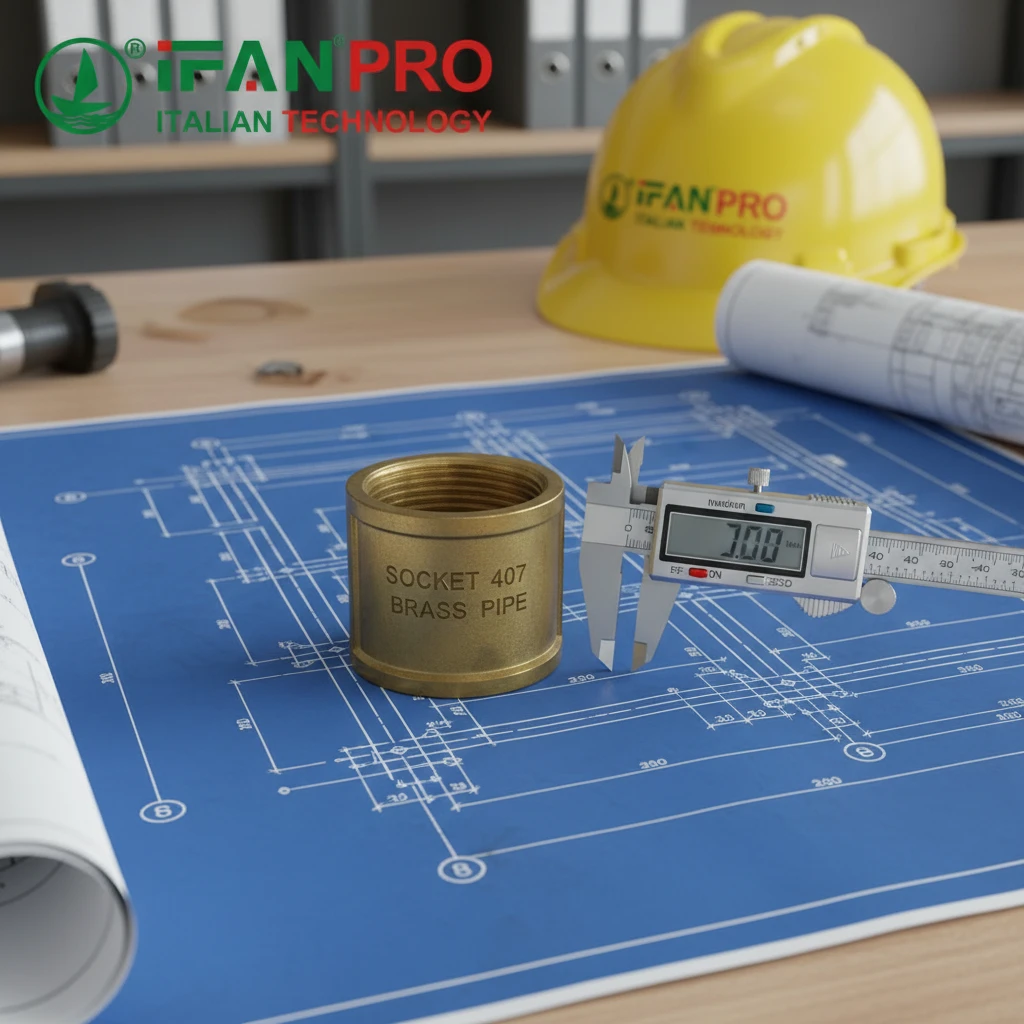
Yes, CCA407 brass is approved by major international codes and standards for both plumbing and HVAC. Key approvals include NSF/ANSI 61 for potable water, ASTM B43 for seamless brass pipe specifications, and adherence to major plumbing codes like UPC and IPC, which recognize brass for water supply, drainage, and HVAC applications.
Understanding the Approval Landscape
Building codes exist to ensure safety, health, and system longevity. Using materials that are explicitly approved by these codes is not optional; it is a requirement. CCA407 brass has a long history of use and is widely recognized by standard-setting bodies.
For potable water, the most critical standard is NSF/ANSI 61: Drinking Water System Components – Health Effects. This standard tests if a material leaches contaminants into water above safe levels. CCA407 brass, when produced to meet the low-lead requirements, is certified under this standard. This certification is required by law in many places.
Key Material and System Standards
On the material side, ASTM B43 is the standard specification for seamless red brass pipe. It defines the chemical composition, mechanical properties, and tolerances for brass pipe. Reputable manufacturers, like IFAN, produce their CCA407 pipes to meet or exceed this specification, ensuring consistent quality.
For installation, model plumbing codes provide the rules. The two most influential in the US are the Uniform Plumbing Code (UPC) and the International Plumbing Code (IPC). Both codes list brass pipe and fittings as approved materials for water distribution systems, drainage systems, and specific HVAC applications. Always check your local jurisdiction’s adopted code.
Summary of Major Approvals
The following table lists the crucial standards and what they mean for your project.
| Standard/Code | Nom | What it Approves/Covers |
|---|---|---|
| NSF/ANSI 61 | Drinking Water System Components | Certifies CCA407 brass as safe for contact with potable water. |
| ASTM B43 | Standard Specification for Seamless Red Brass Pipe | Defines the quality, dimensions, and performance of the brass pipe itself. |
| UPC / IPC | Uniform Plumbing Code / International Plumbing Code | Model codes that allow the use of brass pipe for water supply, drainage, and venting within their systems. |
| ASME B31.9 | Building Services Piping | A standard for piping systems within buildings, including HVAC, which recognizes brass. |
Practical Advice for Specifiers and Buyers
My advice is always to request documentation. When sourcing CCA407 brass, ask your supplier for the material certification (like the ASTM B43 mill test report) and the NSF/ANSI 61 certification. This paperwork proves the material is up to standard and will satisfy inspectors. Partnering with a knowledgeable supplier like IFAN, who understands these requirements and can provide the correct certified products, is key to a smooth and compliant project.
Conclusion
CCA407 brass is a versatile, code-compliant solution for durable plumbing and HVAC systems. For certified and reliable CCA407 brass pipes and fittings, contact IFAN to ensure your project’s quality and compliance.








 Français
  English
  Русский
  Español
Commentaires récents