
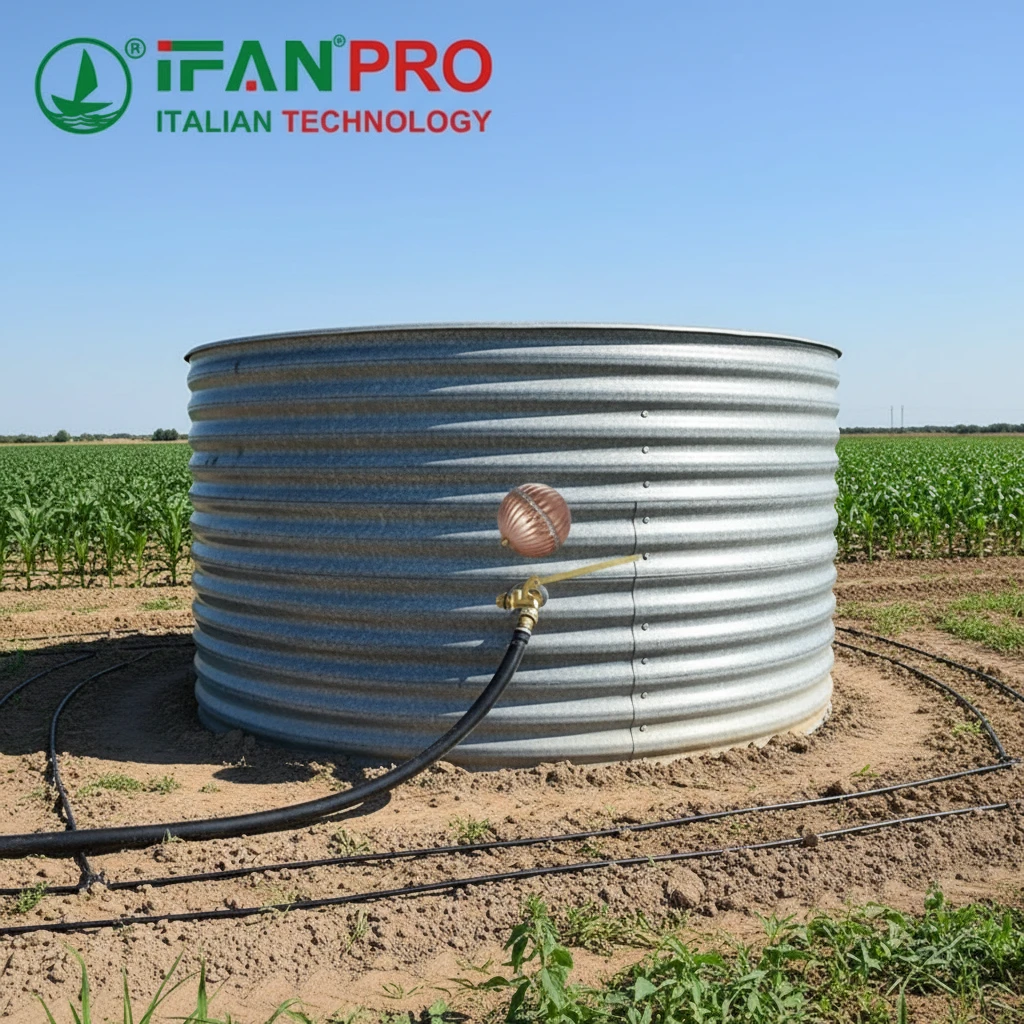
I’ve seen farmers struggle with broken tank valves that led to wasted water and flooded fields. This simple device is often the most critical part of the system.
Yes, float valves are highly suitable and widely used for agricultural irrigation tanks. They provide automatic, reliable water level control, preventing both overflow and dry runs for pumps. Their mechanical operation works without electricity, making them perfect for remote fields, and they can be specified with materials to handle tough farm conditions.
Now, let’s look at the key factors that make a float valve reliable on the farm.
How Well Do Float Valves Resist Outdoor UV Exposure and Temperature Swings?
Farm equipment lives under the sun. A valve that cracks or degrades in one season is a constant headache.
Properly selected float valves resist outdoor conditions very well. Valves made from UV-stabilized plastics (like HDPE or PP) and stainless-steel components will not crack from sunlight or become brittle in cold weather. They are designed to perform reliably through seasonal temperature changes from freezing winters to hot summers.
The Challenge of Sun and Heat
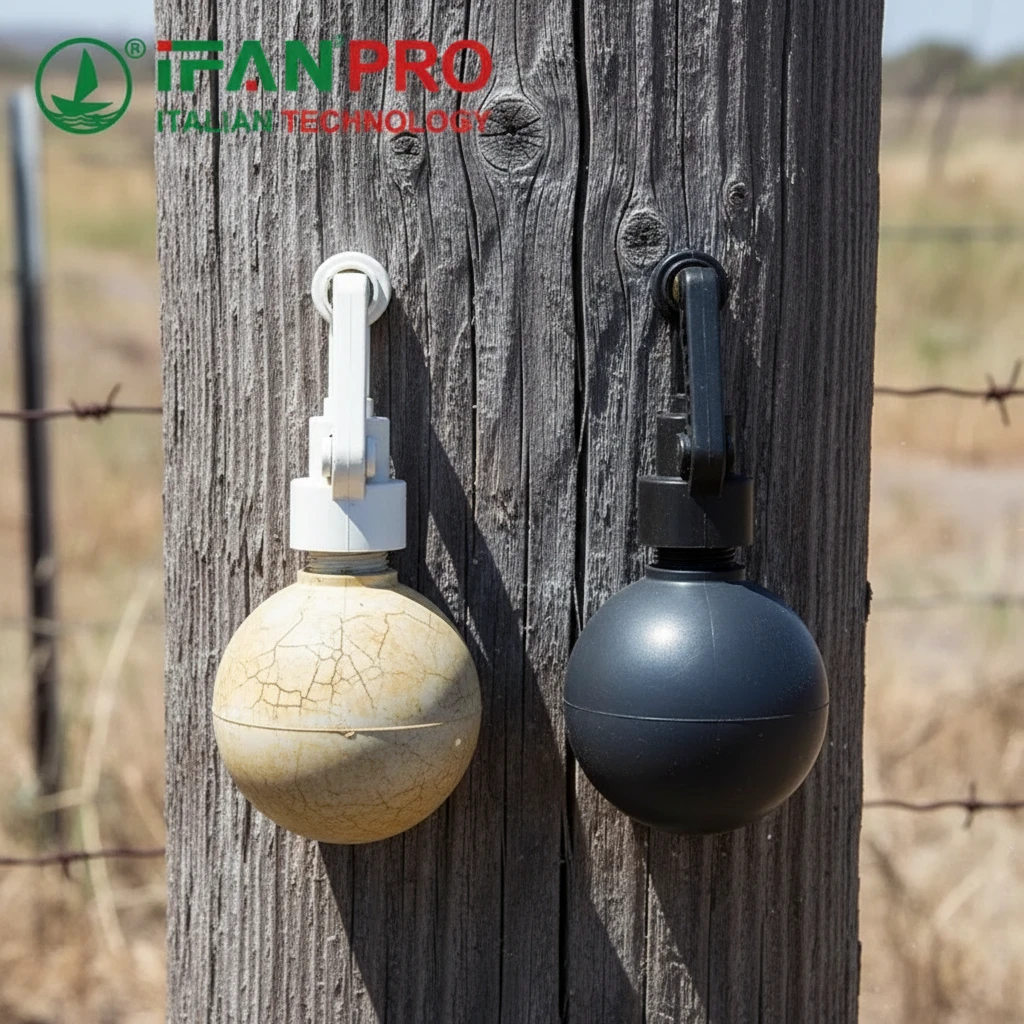
Constant sunlight is a major enemy of many plastics. Ultraviolet (UV) rays break down chemical bonds, making standard plastics fade, become brittle, and eventually crack. A cracked float or valve body leads to immediate failure and water loss. For farmers, this means unexpected repair trips and potential crop stress if a tank runs dry.
The solution is to use materials with UV stabilizers. These are special additives mixed into the plastic during manufacturing. They act like sunscreen, absorbing or blocking the UV radiation before it can damage the material. High-Density Polyethylene (HDPE) and Polypropylene (PP) are common, durable choices for float balls and bodies that offer excellent UV resistance.
Dealing with Cold and Freezing Conditions
Temperature swings are another issue. In many regions, nights can be freezing while days are warm. Some plastics become very stiff and brittle in the cold. If the float arm moves or gets bumped, a brittle plastic part can snap.
Good quality agricultural float valves use materials that retain their flexibility across a wide temperature range. Furthermore, a key design consideration is freeze tolerance. While water inside any valve can freeze and cause damage, simpler valve designs with fewer internal cavities are better. In freezing climates, the best practice is to use valves in insulated tanks or to drain systems seasonally.
Material Selection Guide for Durability
Choosing the right material is the most important step to ensure long life outdoors. Here is a simple comparison:
| Valve Component | Recommended Material | Why It’s Good for Outdoors |
|---|---|---|
| Float Ball | UV-Stabilized HDPE or Polypropylene | Resists sun damage, is impact-resistant, and won’t waterlog. |
| Valve Body | Brass, Stainless Steel, or Durable Plastic (Nylon/POM) | Resists corrosion and physical force; metal offers best durability. |
| Linkage Arm & Pins | Stainless Steel | Will not rust, ensuring smooth operation for years. |
| Seal / Washer | EPDM or Nitrile Rubber | Maintains flexibility in heat and cold for a reliable seal. |
In short, a float valve built with UV-stable plastics and corrosion-resistant metals will easily last for many growing seasons. The initial investment in a better valve saves money and worry over time.
Can They Handle Water Containing Fertilizers, Sediments, or Mild Chemicals?
Farm water is never perfectly clean. It often contains dissolved chemicals and abrasive particles that can ruin a standard valve.
Yes, but you must choose the correct materials. Valves with brass or stainless steel bodies and chemical-resistant seals (like EPDM or Viton) can handle fertilizers and mild agrochemicals. For sandy or silty water, valves with a simple design and large inlet orifice are best, as they are less likely to clog from sediment.
The Problem of Corrosive Water
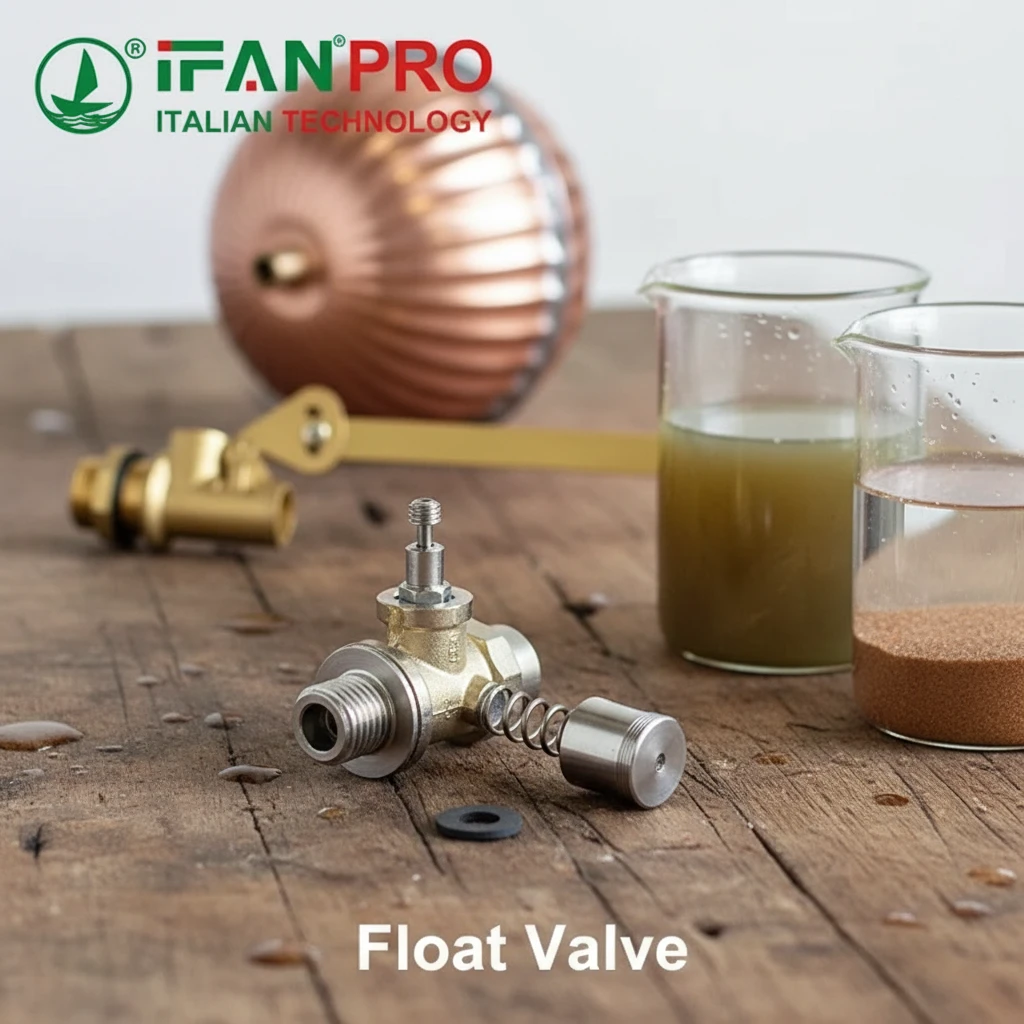
Irrigation water often mixes with fertilizers, herbicides, or pesticides. Some of these chemicals, especially ammonia-based fertilizers or sulfur compounds, can rapidly corrode ordinary metals. A corroded valve will start to leak or seize up.
The key is to select valves made from corrosion-resistant materials. For the valve body, brass is a good standard choice, but stainless steel is superior for highly corrosive mixes. Avoid valves with zinc-plated or plain steel parts, as they will rust quickly. The internal seal (the washer that stops the water) is critical. Standard rubber washers can swell and degrade when exposed to chemicals. EPDM seals offer excellent resistance to many mild acids, alkalis, and fertilizers.
The Problem of Sediment and Clogging
Water from ponds, canals, or wells often carries sand, silt, and organic debris. These particles can clog small openings inside a valve, preventing it from closing fully or causing it to stick open.
There are two main strategies to handle sediment:
- Use a Valve with a Simple, Large Passage: Look for valves with a large water inlet port and a simple piston or diaphragm mechanism. These have fewer small channels for sediment to get stuck in.
- Install a Simple Inline Filter: Placing a basic Y-strainer or mesh filter before the float valve is a very effective and low-cost solution. It catches debris and protects the valve. The filter needs easy access for regular cleaning.
Valve Type and Maintenance Advice
Different valve mechanisms handle dirty water better than others. A diaphragm valve is often recommended because the water-controlling diaphragm separates the operating mechanism from the water flow, making it less prone to sediment jamming than a simple piston valve.
Regular maintenance is also easier with the right valve. Choosing a model where the top cover can be easily unscrewed for inspection and cleaning of the internal seat and washer means problems can be fixed in minutes without replacing the entire unit.
Why Is Their Simplicity an Advantage in Remote Agricultural Settings?
In the middle of a field, miles from a workshop or power source, complexity is the enemy of reliability.
The simplicity of float valves is a major advantage because they work without electricity or complex controllers. They have few moving parts, which means there is very little that can break. This makes them easy for anyone to install, understand, troubleshoot, and repair on the spot with basic tools.
No Power, No Problem
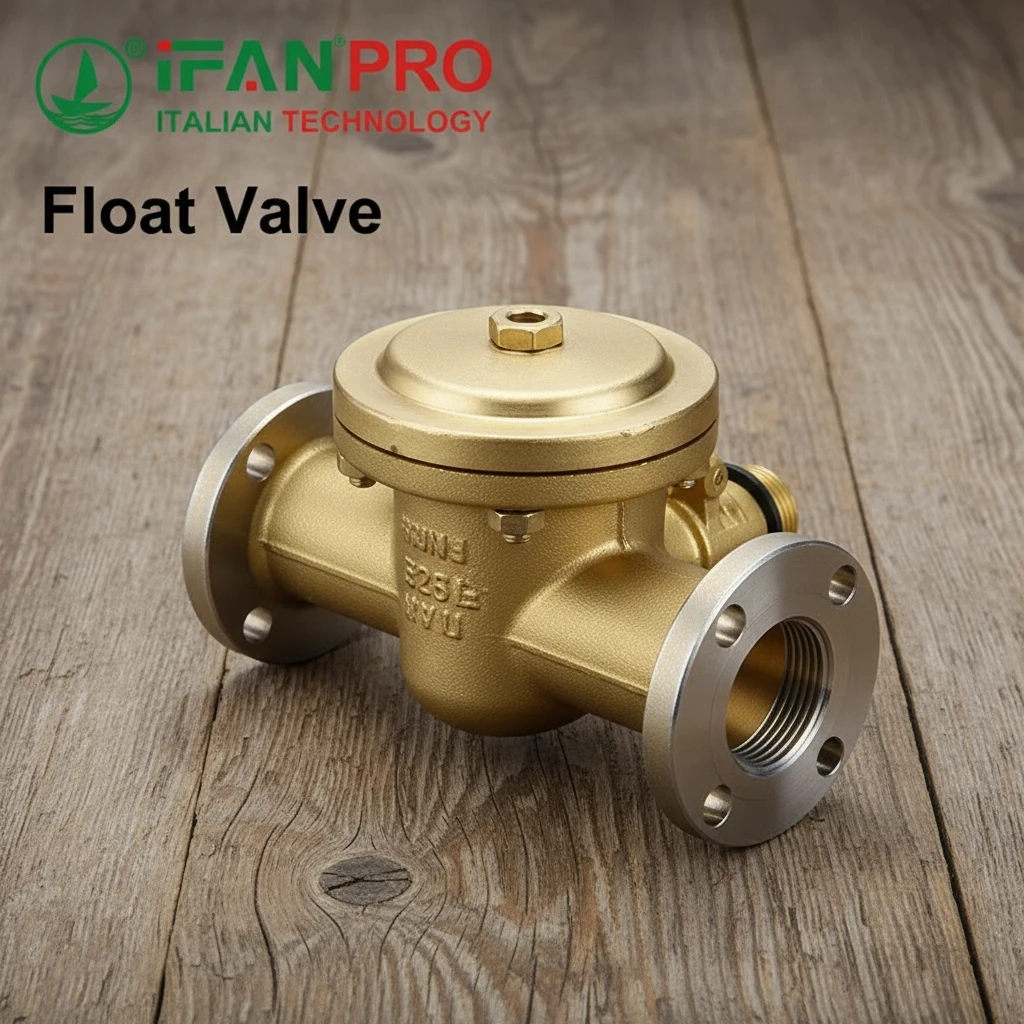
Many remote irrigation sites lack a reliable electrical supply. Running power lines is expensive. Solar-powered systems are an option but add cost and complexity with panels, batteries, and controllers. A mechanical float valve requires zero electricity. It operates purely on water pressure and the mechanical force of the float arm. This makes it the most dependable and cost-effective solution for automatic level control.
Easy to Understand and Fix
A farm worker does not need to be an engineer to fix a float valve. The principle is visual and logical: the float falls, the valve opens; the float rises, the valve closes. If the tank is not filling, you can quickly check:
- Is the float moving freely?
- Is the inlet screen clogged?
- Is the water supply on?
Because the design is simple, repairs are straightforward. Often, the only spare part needed is a replacement rubber seal or washer, which is inexpensive and easy to carry. This contrasts sharply with electronic sensors and solenoid valves, which require diagnostic tools and specific spare parts, often leading to long downtimes.
Reliability Through Simplicity
Every additional component in a system is a potential failure point. Electronic sensors can fail, wiring can be chewed by animals, and controllers can get wet. A well-made float valve has just a few robust parts: a body, a lever arm, a float, a pin, and a seal. There is no software to glitch. This minimalist approach results in outstanding long-term reliability with minimal maintenance, which is exactly what farmers need in hard-to-reach locations.
What Type of Float Valve Is Best for Large-Capacity Irrigation Storage Tanks?
A small valve on a massive tank will take forever to fill. Choosing the wrong type leads to inefficient water management.
For large-capacity tanks, a pilot-operated float valve is the best choice. It uses water pressure to assist in closing a large main valve, allowing it to control very high flow rates (e.g., 2-inch or larger inlet sizes) with minimal effort. This prevents slow filling times and ensures reliable shut-off even under high pressure.

Understanding the Flow Rate Challenge
Large irrigation tanks (like 10,000 gallons or more) need to be filled quickly, often from a high-capacity pump or a gravity-fed main line. A standard direct-acting float valve (where the float arm directly shuts off a small plunger) is only suitable for small inlets (e.g., 1/2″ to 1″). Using it on a large pipe results in two problems:
- The water force is too strong for the float mechanism to close reliably, causing leaks.
- The flow is still too slow, taking many hours to fill the tank.
How Pilot-Operated Valves Work
A pilot-operated valve solves this problem with a clever two-stage design. The main valve has a large diaphragm or piston that controls the high flow of water. The small float valve acts only as a “pilot,” controlling a tiny stream of water that pressurizes the top of the diaphragm.
- When the tank is low: The pilot valve is open. Pressure is released from above the diaphragm, allowing water pressure from below to lift it open. Water flows at full force.
- When the tank is full: The pilot valve closes. Water pressure builds above the diaphragm, pushing it down to seal the main valve tightly. The high water force now helps close the valve instead of fighting it.
Selecting the Right Valve and Size
For large tanks, you must match the valve’s inlet size to your water supply pipe and desired fill speed. Common large sizes are 1.5-inch, 2-inch, and 3-inch.
It is also crucial to consider the closing pressure. A good pilot-operated valve will specify a minimum inlet pressure required for it to shut off securely. Always check that your water supply pressure meets or exceeds this minimum.
Here is a basic selection guide for large tanks:
| Tank Size & Use Case | Recommended Valve Type | Key Reason |
|---|---|---|
| Small Tanks (<5,000 gal) or low-flow supply | Heavy-Duty Direct-Acting Brass Valve | Simple, cost-effective, sufficient for the flow rate. |
| Large Tanks (>5,000 gal) or high-flow supply | Pilot-Operated Diaphragm Valve | Handles high flow rates with positive, leak-free shut-off. |
| Very Dirty Water Sources | Pilot-Operated Valve with a separate, accessible pilot filter. | The main valve is protected; the small pilot filter is easy to clean. |
For the most reliable large-tank installation, we at IFAN recommend a stainless steel pilot-operated diaphragm valve. It combines the high-flow capacity needed for quick filling with the corrosion resistance required for long agricultural service.
Conclusion
Float valves are ideal for agriculture due to their automatic operation, durability, and simplicity. For reliable performance in tough conditions, choose IFAN’s range of agricultural float valves, built with UV-resistant and corrosion-proof materials for long-lasting service.






 Français
  English
  Русский
  Español
Commentaires récents