
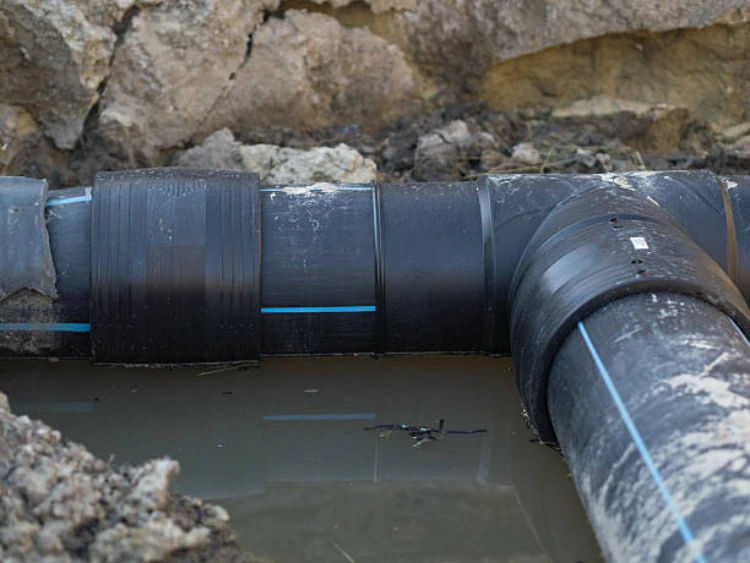
Introduction to HDPE Plumbing
HDPE (High-Density Polyethylene) plumbing systems are not only valued for their exceptional performance and durability but also for their environmental sustainability. This section delves into the eco-friendly characteristics of HDPE pipes and their contribution to sustainable building practices.
Recyclability of HDPE
HDPE pipes offer a significant environmental advantage due to their recyclability. Being a thermoplastic polymer, HDPE can undergo melting and reshaping numerous times without compromising its inherent properties. At the end of their operational lifespan, HDPE pipes can undergo collection, sorting, and recycling processes to create new products, thereby decreasing reliance on virgin materials and reducing waste.
Reduced Carbon Footprint
HDPE pipes offer a reduced carbon footprint compared to traditional piping materials such as metal or concrete. The manufacturing process of HDPE pipes consumes less energy and generates fewer greenhouse gas emissions, contributing to lower environmental impact. Additionally, the lightweight nature of HDPE pipes reduces transportation costs and fuel consumption, further enhancing their eco-friendliness.
Longevity and Durability
HDPE pipes are known for their longevity and durability, which contribute to sustainable building practices. With a service life of up to 100 years or more, HDPE pipes require less frequent replacement and maintenance compared to other materials, reducing resource consumption and waste generation over time. Their resistance to corrosion, chemical degradation, and abrasion ensures reliable performance in various environmental conditions.
Leak-Free Performance
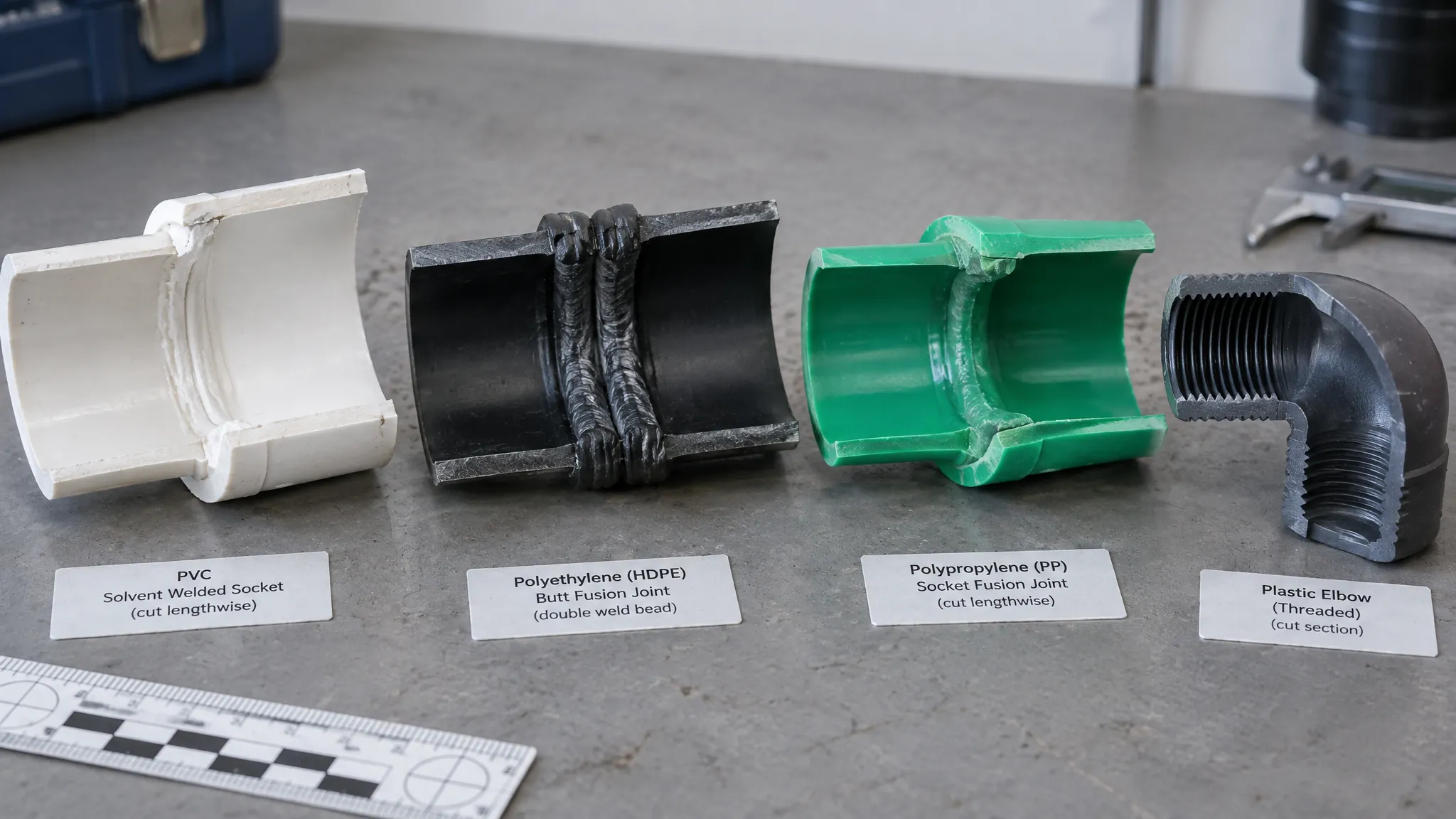
HDPE pipes provide leak-free performance throughout their service life, minimizing water loss and conserving valuable resources. The seamless joints and welded connections of HDPE pipes eliminate the risk of leaks and reduce the need for repairs or replacements, saving water and energy associated with pumping and treating water. This leak-free performance contributes to water conservation efforts and sustainable water management practices.
Contribution to Green Building Credits
The use of HDPE pipes in construction projects can contribute to earning green building credits and certifications, such as LEED (Leadership in Energy and Environmental Design). HDPE pipes align with LEED criteria for materials and resources, indoor environmental quality, and water efficiency, making them a preferred choice for environmentally conscious builders and developers.
Conclusion
HDPE plumbing systems offer a host of environmental benefits that make them a sustainable choice for modern construction projects. From recyclability and reduced carbon footprint to longevity and leak-free performance, HDPE pipes support eco-friendly building practices and contribute to resource conservation efforts. By embracing the environmental characteristics of HDPE, property owners and contractors can create resilient, efficient, and environmentally responsible plumbing installations for a greener future.
IFAN is a Chinese manufacturer of plastic pipes, fittings and valves with 30 years of experience. If you are interested in IFAN Raccords en cuivre, vannes en cuivre, tuyaux et raccords en plastique, veuillez nous contacter. IFAN offers you a variety of standard pipes to meet your specific needs. Click below to learn more about IFAN’s wide range of affordable and cost-effective valve products and piping system related products.
We will reply your email or fax within 24 hours.
You can call us at any time if there is any question on our production.
For more information,pls visit our webside https://ifanpro.com/
Veuillez envoyer un courrier à l'adresse suivante [email protected]
Whatsapp : + 86 19857948982






 Français
  English
  Русский
  Español
Commentaires récents