

A matching company name does not prove that a supplier owns a factory, and a genuine water-contact approval does not prove pressure performance. The worked WRAS record below demonstrates that distinction. Verify the contracting entity and its documented production relationships, then match product, material and approval scope before comparing size-by-size quotes. This guide connects those checks to sampling, payment and landed-cost decisions.
What Separates a Real Pipe Fittings Supplier in China From a Convincing Website
On this page
- What separates a real supplier from a convincing website
- Verify the company before the product
- Check the certificate in the register, not the PDF
- A worked example: what we check, run on us
- The ISO 9001 check changed in 2026
- MOQ, tooling and sampling
- Payment terms and the document-examination window
- Landed cost and your HTS lines
- Which product line to start with
- Frequently asked questions
Key Takeaways
- A WRAS certificate PDF proves nothing on its own. The WRAS approvals directory at wrasapprovals.co.uk is free, searchable by approval number or company, and shows the approval holder, the exact product designation and an expiry date.
- Approvals cover the listed models or ranges and conditions, not an unrestricted catalogue. WRAS 260355038 lists IFAN2100-2 multilayer pipe, expires 31 March 2031 and concerns material water-contact suitability only.
- The dated August register searches below are observations under specific names, not proof that all relevant listings are absent. Request the exact current reference for the ordered product.
- Verify ISO 9001 with its issuer and the issuer’s accreditor. IAF’s organisational closure does not by itself invalidate CertSearch or a certificate.
- HTS 3917.40.00 lists a General rate of 5.3%. Special treatment depends on eligibility under named programs or agreements. Column 2 is alternative treatment, not a surcharge to add to General or a China total.
- WaterMark licence numbers are six digits and must be zero-padded when you search. A four-digit number on a certificate becomes 001234 in the database.
- For a credit expressly subject to UCP 600, relevant examining banks each have up to five banking days following presentation. Nonconflicting document data need not be identical; investigate beneficiary and document requirements before issue.

A supplier website can describe production, quality management, product approvals and OEM services. These claims require different evidence. Registration identifies an entity; certification has a defined scope; production capability requires evidence connecting the ordered work to an actual site.
Start with records that establish those relationships, then verify capabilities against the drawing and production plan. A factory visit or audit can address questions that a register cannot: who operates the equipment, which processes are subcontracted and who controls the batch records. No single document settles every question.
Manufacturer or trader: connect the entity to the production responsibility
Request the Chinese business licence, registered name and Unified Social Credit Identifier. The People’s Bank of China notice on the registration reform specifies an 18-character unified code. This identifies the registered entity; it does not prove factory ownership, production capacity or the scope of products it manufactures.
Map the contracting entity, bank beneficiary, manufacturing site and approval holder separately. Where names differ, request the documented relationship: an authorized distributor arrangement, OEM authorization or other explanation applicable to the transaction. Match the evidence to the ordered products and confirm who remains responsible for conformity, traceability and a defect claim.
Request the approval reference and issuer alongside the document. If the reply supplies only a cropped or incomplete PDF, ask for clarification and verify independently. An unhelpful response is a reason to hold the affected line; it is not proof that the document was borrowed or the supplier is deceptive.

Verify the Company Before the Product: Business Licence and Entity Checks
Confirm which legal entity will contract, receive payment and handle remedies. Product evidence is usable only when you can connect its listed holder and scope to the goods being offered. That connection may involve a manufacturer, approval holder and authorized seller rather than one identical name on every record.
Read the registered Chinese name, 18-character code and address from the business licence, then reconcile quotation, contract and proposed beneficiary details. If payment goes to another entity, obtain a written explanation and resolve the arrangement before remitting. A payment-name match supports transaction identity; it is not evidence of in-house manufacture.
Resolve the relationship before choosing the supply route
If the seller and manufacturing site differ, ask who authorizes production and releases the finished lot. Request the producer’s acknowledgment of the ordered specification or another documented route to technical records. Decide whether your contract with the seller gives sufficient access for inspection, corrective action and reorders. An unexplained difference remains open; a documented relationship can be assessed on its actual terms.
For custom parts, identify who may approve a drawing change and who informs you when a subcontracted process or material changes. Ask how the seller traces delivered cartons back to the production lot. Keep this responsibility map with the purchase order. It gives an inspector or claims handler a practical contact chain without pretending that a matching licence number answers manufacturing questions.
What a mismatch actually costs you
An unresolved entity difference can complicate payment instructions, document preparation and claims. Resolve it while the quotation is still being agreed. With a documentary credit, the applicable requirements and document presentation determine compliance; a name difference is not automatically a refusal or evidence that goods have already shipped.
Why the intermediary is not always the problem
A trader may be an appropriate consolidator for a mixed plastic and metal order. Ask which processes each production site performs and which items come from subcontractors. Compare the quoted service with your needs: consolidated packing and one commercial contact can be useful, while direct technical access to the producer may matter for a custom interface.
Record who provides technical approval, keeps batch records and investigates failures. A manufacturer may subcontract work; an intermediary may have documented authority to supply approved products. Neither role is automatically disqualifying. The decision depends on a credible evidence chain and contractual responsibilities you can enforce.
Illustrative risk: a later defect arises, but the contract names only a seller and gives no route to obtain production records or arrange a technical investigation. Avoid that gap by naming the responsible parties and required cooperation before award. IFANPRO publishes Zhuji Fengfan Piping Co., Ltd., at Diankou Town, Zhuji City, Zhejiang Province; use the actual record and written quote to make the same checks on us.
Check the Certificate in the Register, Not in the PDF: WRAS, NSF and WaterMark
A PDF can be incomplete, altered or expired. Verify its reference against the issuer’s current record and check the scope and conditions. A statement about following requirements does not itself establish a listed approval. Where a register is unavailable, request current confirmation directly from the issuer rather than inferring validity from the logo.


The registers below address different schemes. Choose them according to your destination requirements, product and intended service rather than treating their logos as interchangeable.
| Register | Market it governs | Search by | Number format |
|---|---|---|---|
| WRAS Approvals directory | UK water fittings | Approval number, company, product or keyword | Numeric, e.g. 260355038 |
| NSF official listings | North America, NSF/ANSI 61 water contact | Trade name, company, standard | Listed by company and trade name |
| ABCB WaterMark database | Australia, plumbing and drainage | Licence number, model, brand, licence holder | Exactly 6 digits, zero-padded |
Make a scope decision for each quoted line
Accept for the next procurement stage when the offered model, material, size and stated conditions match the required evidence, and the holder-to-seller relationship is documented. Clarify when a model suffix, alternative brand or installation condition is unexplained. Hold the item when the available evidence addresses only water contact but the purchase decision still requires mechanical performance or local acceptance. Apply those branches line by line; one resolved pipe line need not clear every fitting in the shipment.
If a supplier proposes a substitute, record both the original and offered designation and ask which existing evidence still applies. A change of material or construction can require another review even when the outside dimensions look alike. Request the authority or test basis supporting the substitution, then revise the accepted schedule. Keeping the exception visible prevents a sample or generic certificate from silently becoming permission for later substitutions.
Reading a WRAS record properly
Open the WRAS approvals directory and search the approval number or the company name. A real record returns four fields that matter and one that traps people.
- Approval holder. The legal entity, with its full address. This is the field you match against the business licence from the previous section.
- Product designation. Read every listed model or range and its material, size and conditions; an approval can cover multiple models within a defined scope.
- Expiry date. A hard date. An approval that lapsed last year still produces a handsome PDF.
- Section and conditions. The classification and any temperature or installation limits attached.
The trap is the scope. WRAS records in the polyethylene sections carry a note that components listed there “have been tested for water contact suitability of material only”. That is a materials approval, not a whole-product performance approval, and a supplier quoting it as proof that a fitting will hold pressure is over-reading their own certificate.
What a NSF null result means, and what it does not
NSF’s official listing search will happily tell you nothing was found, and buyers routinely over-interpret that. A null result means no listing exists under the trade name and company you typed, on the date you searched. Listings often sit under a parent company, an OEM customer’s brand, or a different romanisation of the same Chinese name. IAPMO runs a separate directory again, and holding one does not put you in the other.
So a null result is not proof of absence. It is a question you now know to ask, with the burden correctly placed on the supplier to produce the listing reference rather than on you to believe the PDF. For the practical detail of what NSF/ANSI 61 actually certifies and where buyers misread its scope, our separate note on NSF 61 certification and what pipe buyers must verify goes deeper than is useful here.
A Worked Example: What We Check, Run on IFANPRO
On 6 October 2026, the WRAS number search returned approval 260355038 for IFAN2100-2 multilayer pipe, holder Zhuji Fengfan Piping Co., Ltd., expiring 31 March 2031. Section 5240 concerns material water-contact suitability only, for use with water up to 85°C. This is not an independent pressure-service rating. Other searches below retain their August dates.
Save the directory result with the quotation and compare the ordered model, material construction and intended temperature with the listing. A matching holder name confirms an entity connection; it does not extend the tested scope. If the quotation substitutes a fitting or another construction, request its own applicable evidence. Record an unresolved scope as a hold on that item rather than extending the pipe’s approval to the whole shipment.
The following example separates a current exact-number check from historical name searches. Keep the date and query with the result so a future buyer can repeat the check without treating the earlier observation as a permanent certification status.
Step one: the entity
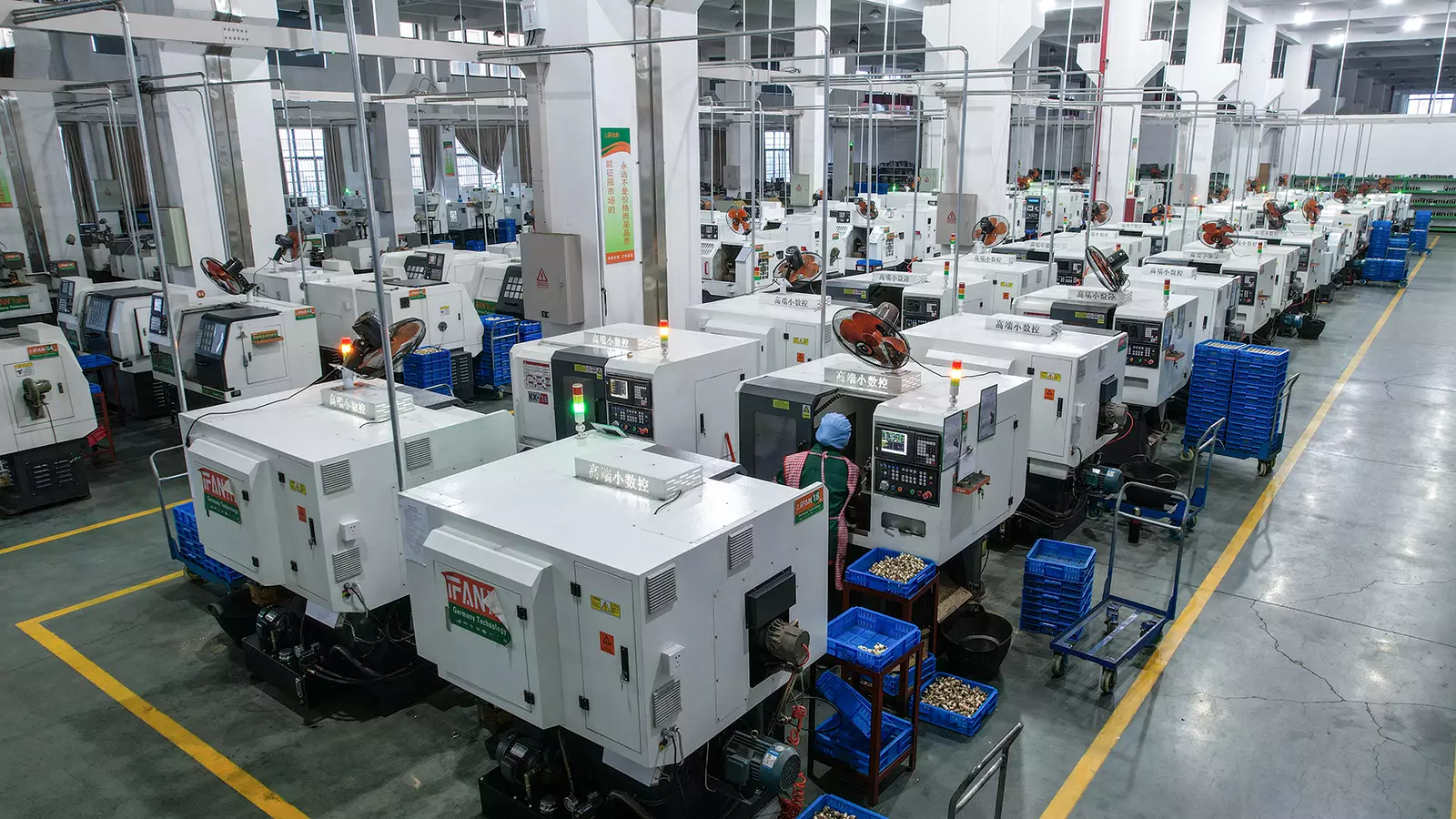
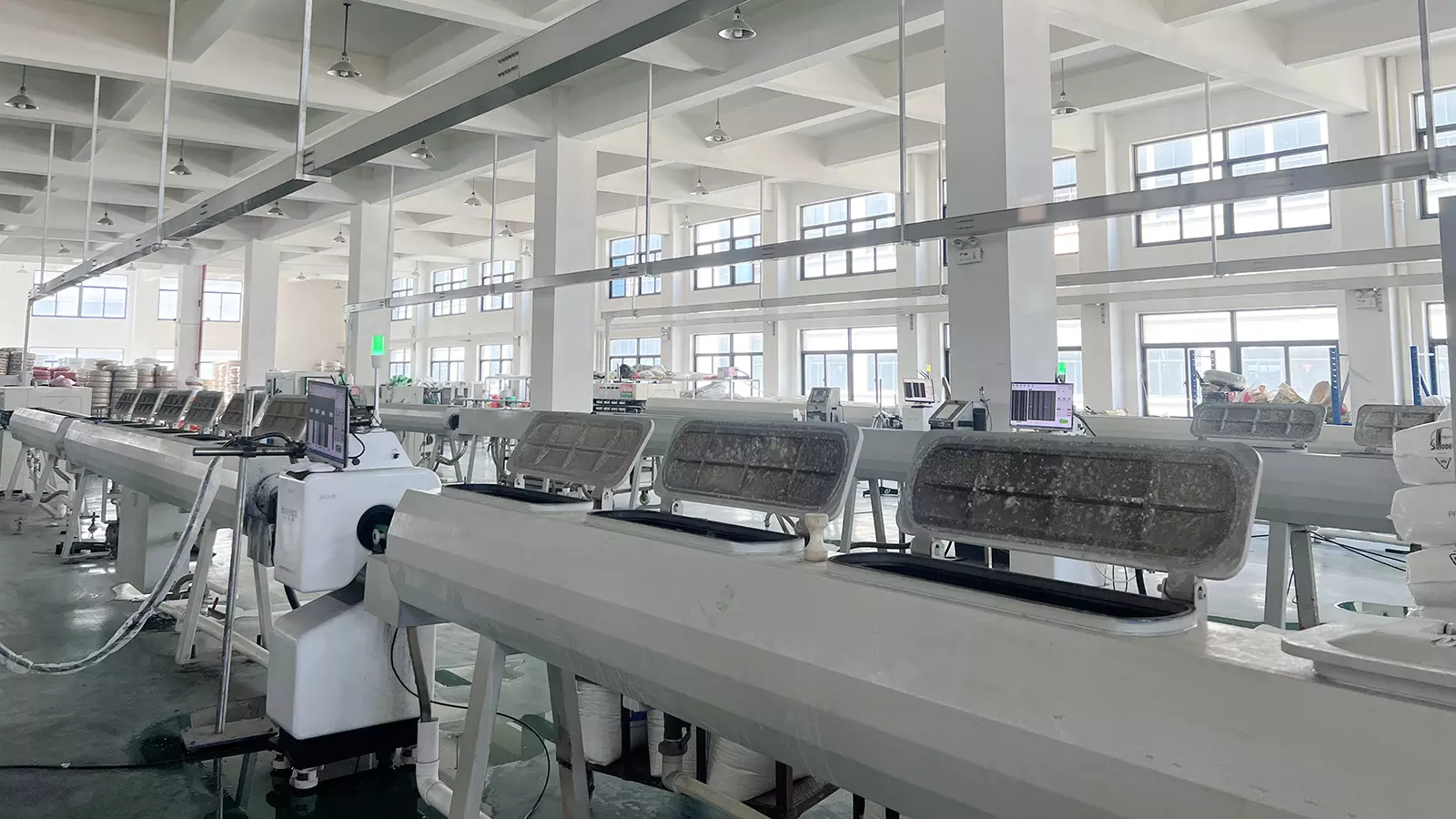
Our published entity is Zhuji Fengfan Piping Co., Ltd. The factory originated in 1993, the company was formally established in 2001, and the site runs a 120,000 m² workshop with 610 staff. Registered address: Diankou Town, Zhuji City, Zhejiang Province.
Step two: the WRAS lookup
The 6 October 2026 holder search returned one approval record for Zhuji Fengfan. That observed result does not establish a universal one-record-per-product rule:
| Field | What the register shows |
|---|---|
| Approval number | 260355038 |
| Product designation | IFAN2100-2. Multi-layered PEX / aluminium barrier / PEX pipe |
| Material water-contact use limit | Water up to 85 °C |
| Section | 5240 Polyethylene. Material water-contact suitability |
| Expiry | 31/03/2031 |
| Approval holder address | No.18 Xiaguang Road, Diankou Town, Zhuji City, Zhejiang Province |
The holder and address connect this record to the published entity. The listed designation and material construction constrain its use: IFAN2100-2 is not evidence of water-contact suitability or mechanical performance for an unlisted PPR fitting, brass valve or HDPE item. Ask for the applicable scope for any substituted product.
Step three: the results we would rather not publish
Running the same manufacturer through the other two registers on 21 August 2026 returned this:
- NSF official listings. Searched under Standard 061 for trade name IFAN, company IFAN, and company Fengfan. All three returned “No Matching Products Found”. NSF’s page states its listings were current as of 20 August 2026.
- ABCB WaterMark database. The 21 August 2026 searches for brand IFAN, model IFAN and licence holder Fengfan returned no results under those terms. These historical observations require a current reference check before purchase; they are not proof that an OEM or differently named listing cannot exist.
- IAPMO. Its product listing directory is a JavaScript application we could not query programmatically, so we make no claim about it in either direction.
The conclusion is limited to those dates and queries. Request the exact listing reference, including any OEM brand relationship, and repeat the applicable search. If evidence for a required scope remains unresolved, hold that item or agree a documented route to obtain acceptance before committing to the supply schedule.
What to check, in the order that costs least
Use the following sequence to expose unresolved questions before ordering tests or a site visit. Each check produces a different piece of evidence, and a mismatch can require clarification rather than ending the whole investigation:
- Registered name, business code and address. Establish the contracting entity and distinguish the trading brand from the legal party.
- Beneficiary and payment authority. Reconcile the account details with the proposed contract and resolve authorized differences in writing; this does not distinguish manufacturer from trader.
- Issuer reference and current record. Retain the date and search terms; use issuer confirmation where a directory cannot be queried.
- Holder, manufacturing site and seller relationship. Request supporting authorization for differences instead of assuming every name must be identical.
- Exact scope. Match listed models or ranges, materials, sizes and conditions to every ordered line; record uncovered items separately.
- Management-system scope. Verify the issuing body, accreditation, named sites and validity; keep this separate from product evidence.
- Production and first-article evidence. Compare the drawing, agreed inspection method and sample, then identify what a site audit or additional test still needs to resolve.
Desk checks can identify gaps and focus further verification. They do not eliminate risk, prove factory ownership or replace product testing and inspection. Use the result to decide which evidence to request next, with responsibility and deadlines recorded for each open item.
Verify ISO 9001 Through the Issuer and Its Accreditor
To verify ISO 9001, start with the certificate number, named production site, scope, validity dates and issuing certification body. Confirm the record through the issuer and check that body’s accreditation for the relevant scope. A supplier’s logo sheet cannot complete those checks.
The official IAF website says the organisation ceased operations on 1 January 2026 and refers visitors to Global Accreditation Cooperation Incorporated. Its legacy page still links IAF CertSearch. The organisational change does not establish that the database stopped operating or that a listed certificate became invalid. Record the issuer’s current confirmation before relying on the certificate.
Why this matters more than it sounds
A genuine ISO 9001 certificate still has a specific site, scope and validity period. Verify the issuing body’s accreditation and the certificate record rather than treating a logo as a complete audit trail. If the accreditation or scope cannot be placed, record the certificate as unresolved rather than asserting it is counterfeit.
So the useful question is not “do you have ISO 9001” but “which body issued it and who accredits them”. Ask for the certificate number and the certification body name together. Then check the certification body against the current accreditation infrastructure rather than the archived IAF site, and treat a certificate from a body you cannot place as a certificate that has not been checked.
What ISO 9001 does and does not tell you about pipe
ISO 9001 addresses a quality management system. It does not itself certify the pipe’s dimensions, pressure performance or drinking-water health effects. Ask for the relevant product standard and test or listing evidence separately, and match it to the construction and intended service in your enquiry.
Separate three questions: material or health-effects suitability, mechanical performance, and acceptance in the destination market. NSF/ANSI 61 concerns drinking-water health effects; the WRAS Section 5240 example concerns material water contact. Neither establishes pressure performance. NSF and IAPMO are bodies issuing listings to specified standards; check the actual standard and scope with the relevant authority.
The practical consequence for a first enquiry: ask for the certificate scope, not just the certificate. An ISO 9001 scope statement names which sites and which product families the system covers. A group with four workshops may hold certification covering one of them, and the fitting you are buying may be made in a different building from the one that was audited.
MOQ, Tooling and Sampling: What Drives the Numbers You Will Be Quoted
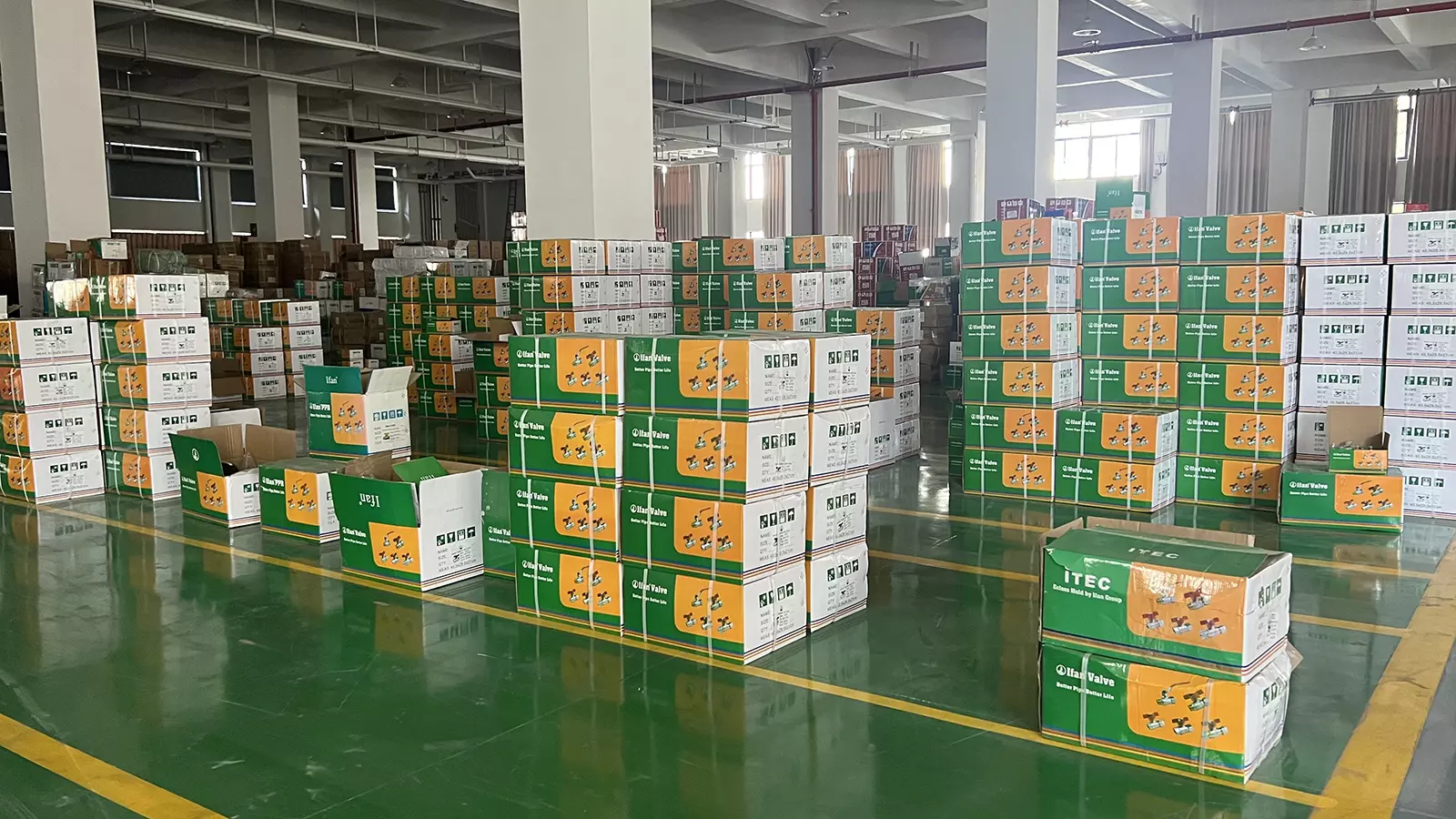
A quoted MOQ may apply to a sale unit, stocked SKU, production batch or custom operation. Ask which condition controls your particular size mix. A total order value alone does not explain whether a minimum is satisfied, and a general answer should not be imposed on every product family.
Separate stock, moulded plastic and metal production constraints
For injection-moulded plastic fittings, colour changes and tool arrangements can affect a production minimum. A tool may use inserts or multiple cavities; do not assume one dedicated mould for every geometry. Machined, cast or forged metal parts have different process constraints, while a stock order requires confirmation of available quantities and allocation.
Send line quantities and ask the supplier to state the minimum unit and mixing rules for each item. Illustratively, 40 SKUs in one colour and the same mix in three colours can require different schedules for moulded plastic, but the supplier must confirm the actual condition. Do not exclude sample or single-pallet orders without checking their stated minima and service options.
What an OEM cavity actually commits you to
If you need a new geometry or moulded branding, request a tooling plan against the drawing revision. Ask separately for design approval, tool manufacture, first test shots, corrections and accepted samples. Require the start event, calendar basis and exclusions for each stage. No verified IFAN tooling or sample duration is published here; the order-specific quotation must supply it.
The question that matters more than the timeline is ownership. Establish in writing, before the tooling deposit, who owns the tool once it is paid for, where it is stored, and what happens to it if you move production. A tooling charge may buy production access rather than ownership; ask the quotation to state which. Confirm the resulting access, storage and release terms before payment.
IFAN MOQ, sample and tooling terms are confirmed per project. Ask for an itemized reply against the size mix, construction and customization requirements. If a general minimum is returned, request its basis and any stock or shared-run alternatives; its usefulness depends on whether it applies to the proposed order.
Turn the returned schedule into an approval decision
A drawing and a finished sample answer different questions. Ask the supplier to return the drawing revision, material designation, critical dimensions, thread or socket standard and proposed inspection method with the quotation. Record which parts use an existing tool and which need a dedicated tool. If the supplier changes a dimension for manufacture, approve the change explicitly rather than accepting a sample with an unexplained difference.
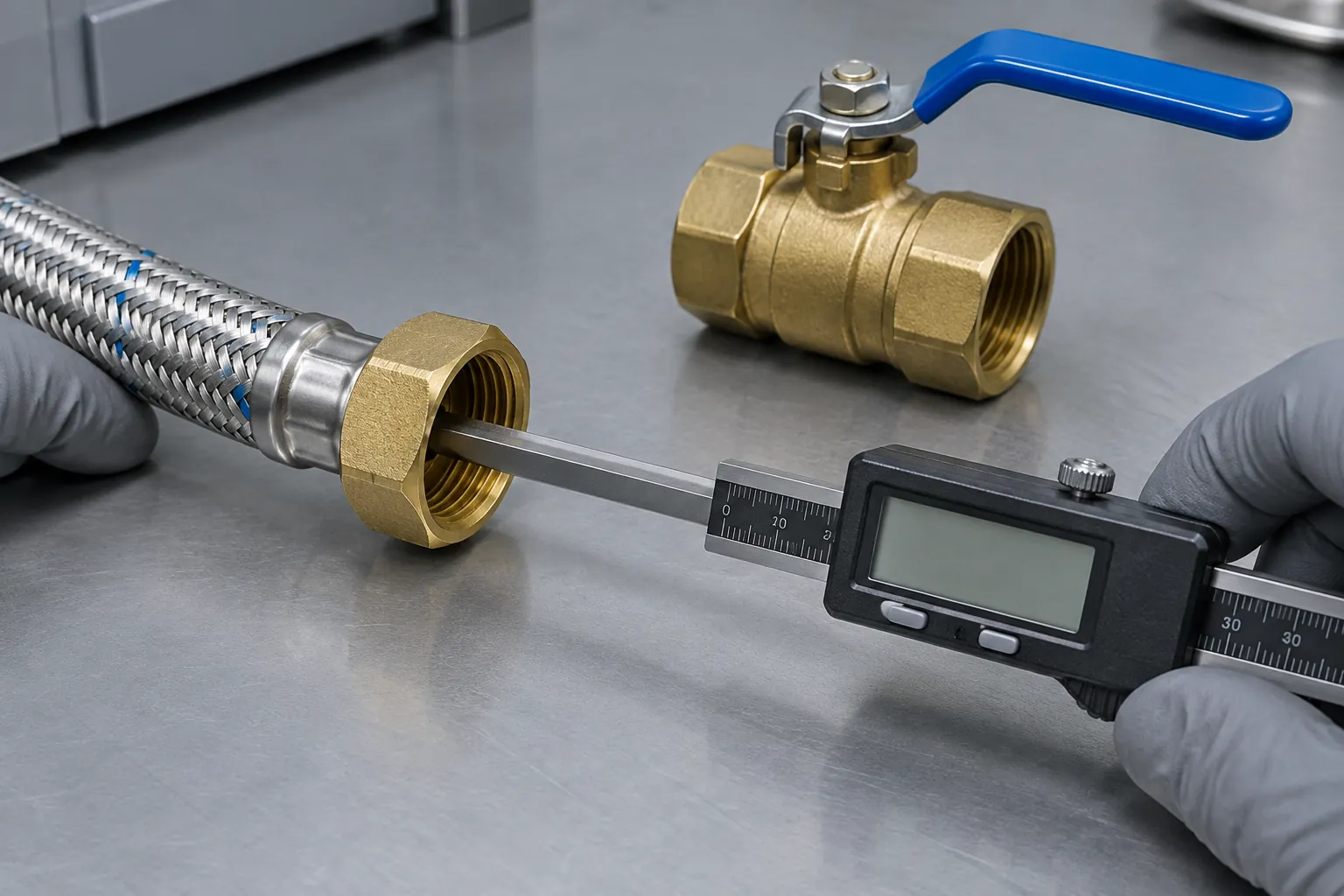
For a dedicated tool, ask what the tooling payment purchases: design work, a physical asset, maintenance or simply access to a production run. Confirm the owner, storage site, permitted users and release procedure. Specify which drawings and manufacturing files accompany a transfer. A clause naming ownership without a practical release process leaves a procurement risk unresolved; neither the OEM label nor a mould photograph answers it.
For first articles, agree what counts as acceptance before samples are made. A visual review can confirm branding and gross appearance. Dimensional inspection checks the agreed interfaces. Relevant material and performance evidence addresses the required service. Confirm whether the test report identifies the tested model, material, date and specimen batch. An accepted branded sample alone does not establish that all later production meets the specification.
Keep the timing response against those approval stages. Request separate completion events for drawing approval, tool readiness, trial parts, corrections, accepted first articles and production release. Have the supplier identify which stages can overlap and which depend on your approval. Record the delivery point and whether transport is included. If a revised drawing triggers another trial, request a revised schedule and cost before releasing the next payment.
Use a returned size schedule to compare suppliers. Mark each line as accepted, clarification required or outside scope; record the reason rather than combining every unresolved issue into a lower score. Confirm quantity units, packing units and the minimum basis beside each line. A mixed-size order may satisfy a carton or container constraint while still missing a custom colour run minimum. Ask the supplier to show which condition applies, then revise the mix or remove the affected line before award.
Payment Terms and the UCP 600 Document-Examination Window
Ask for the proposed deposit, balance trigger and document list in the order-specific quotation. Confirm the beneficiary against the contracting legal entity and state what happens if inspection fails or documents differ. There is no verified universal deposit percentage for these products; compare the payment mechanism as well as the amount.
A deposit may reserve material or line time, depending on the contract. A balance against shipping documents confirms a documentary event; it does not prove that the goods meet the specification. Agree inspection evidence and remedies separately.
The five-day rule, and why the entity check comes back here
A documentary credit is one possible payment mechanism. The ICC UCP 600 rules apply when the credit expressly makes itself subject to them. Confirm the operative credit and document requirements with the participating banks before issue.
Article 14(b) gives the nominated bank acting on its nomination, a confirming bank if any, and the issuing bank each up to five banking days following presentation to examine compliance. Article 14(d) allows data that are nonidentical but nonconflicting in context. Banks examine documents, not the goods themselves.
A discrepancy can lead to refusal; waiver handling is also possible under Article 16. Neither the examination deadline nor a name difference establishes when goods shipped or guarantees nonpayment. Resolve the beneficiary arrangement and proposed documents early to reduce avoidable corrections under time pressure.
Agree the document set before the credit is issued
A pipe shipment presentation usually turns on the same handful of documents, and each is a place a discrepancy can be created:
- Commercial invoice. Issued by the verified entity, with a goods description that corresponds to the credit.
- Packing list. Carton counts and marks that reconcile against the invoice and the bill of lading.
- Bill of lading. Review the required consignee, notify party, shipment information and document form with the bank and forwarder against the operative credit.
- Certificate of origin. The document your broker will need for classification and any preference claim.
- Inspection certificate, where the credit calls for one. Issued by whoever the credit names, not whoever was convenient.
Agree that list line by line before the credit is issued rather than after. We cover the Incoterm and packaging side of it in a separate piece on Incoterms and export packaging when importing pipe, and the pre-shipment side in our pipe fitting quality inspection checklist.
Landed Cost: The HTS Lines Your Pipe and Fittings Actually Sit On
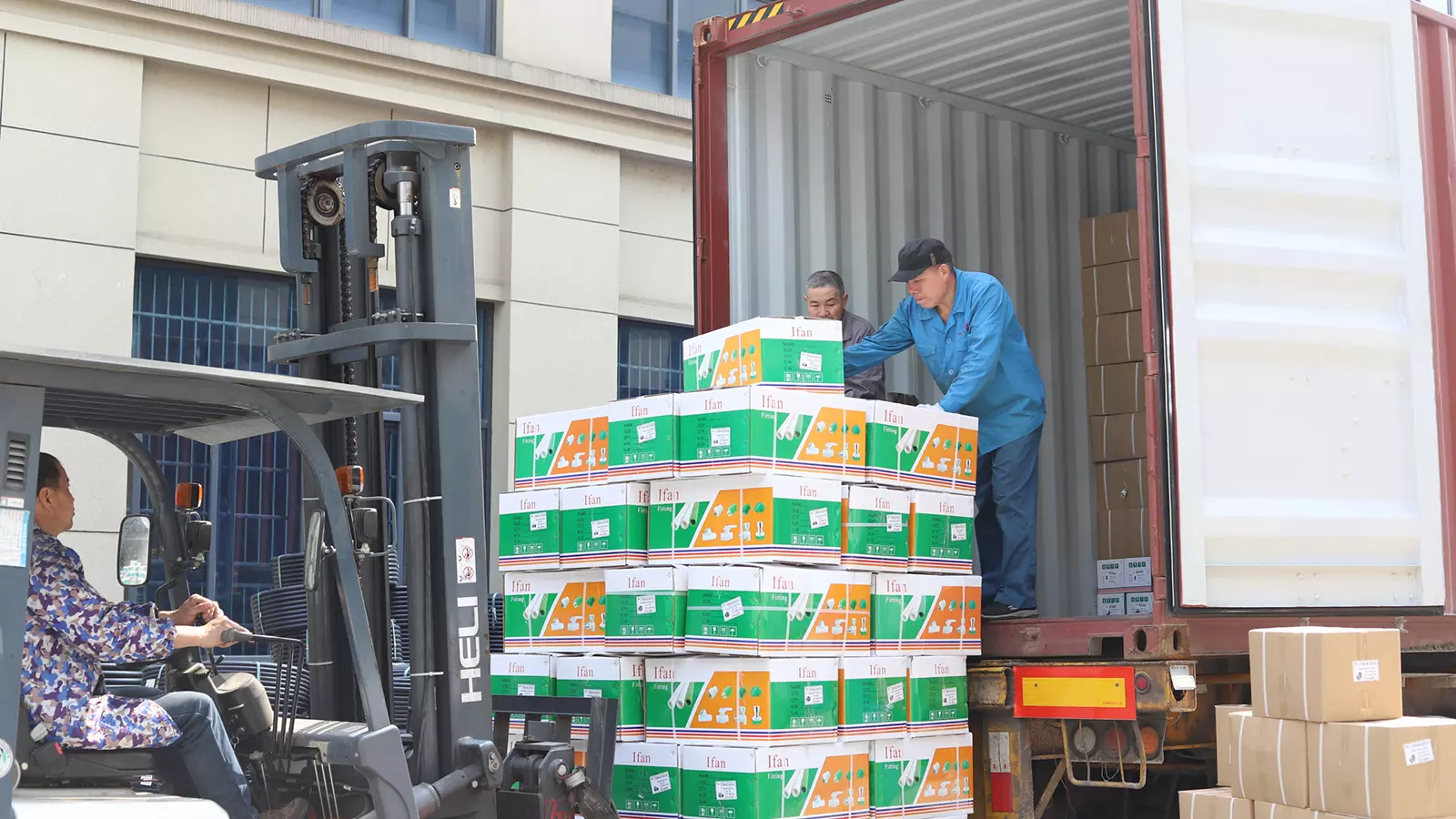
Classification depends on the actual goods, not merely the supplier or the commercial label “pipe fitting”. Use the material, form and function to discuss the appropriate line with your broker. A shipment containing different product families can require separate classifications.
The following four US HTS reference lines and both displayed rate columns were checked against USITC on 6 October 2026. They are examples for classification review, not an exhaustive schedule or a complete China-origin duty calculation.
| HTS code (identifier) | Covers | General rate (%) | Column 2 rate (%) |
|---|---|---|---|
| 3917.40.00 | Plastic fittings. Joints, elbows, flanges | 5.3% | 80% |
| 3917.23.00.00 | Rigid PVC tubes and pipes | 3.1% | 25% |
| 3917.21.00.00 | Rigid polyethylene tubes and pipes | 3.1% | 25% |
| 7412.20.00 | Copper-alloy pipe fittings. Brass | 3% | 49% |
Give the classifier product facts, then compare assumptions
Send the broker the product description, material, rigid or flexible form where relevant, intended function, technical sheet and origin information. Ask for the classification reasoning, not only a code copied from a commercial invoice. If a mixed shipment combines pipes, plastic fittings and metal fittings, retain a separate calculation for each applicable line rather than averaging a rate across the order.
Compare two landed-cost offers only after reconciling the quantity basis, Incoterm, freight and packing assumptions, classification and date of the duty calculation. Ask which charges are estimated and which have been booked or confirmed. Resolve a difference by identifying its source before accepting a lower total. This does not guarantee the entry result; it gives you a dated basis to update when shipment details or applicable measures change.
The duty-free claim you will see repeated, and why it is wrong
General, Special and Column 2 are distinct treatments. HTS 3917.40.00 shows General 5.3%; Special eligibility depends on the listed preference programs or agreements and their requirements. The symbols are not all country names or FTA partners. Do not assume a Free entry applies simply because the heading contains one.
Why we are not printing a landed-cost number for you
Column 2 is an alternative rate treatment: do not add it to General and do not use it as a China surcharge or total. A China-origin entry requires the applicable classification and origin treatment plus a current check of Chapter 99 and any other measures relevant to that entry. This table does not establish that combined liability.
Request a dated calculation from the broker or supplier with classification, origin, entry assumptions and applicable measures identified. Confirm it against the live USITC schedule before committing to a landed price. A defensible calculation may be possible once those facts are known; an unsupported all-in number should remain an estimate requiring review.
Which Product Line to Start With, and Where This Fits Your Market
You have verified the entity and checked the registers. The remaining decision is which line to actually put in the first enquiry, and the answer is driven by your destination market’s approval regime rather than by unit price.
Shortlist a product where the supplier can document the required listed scope, then complete mechanical, local-acceptance and commercial checks before release. WRAS 260355038 is a limited IFAN2100-2 material example, not permission to start purchasing any product immediately. A listing may cover a model range; verify your actual line rather than counting certificates.
Match the line to the regime, in this order
- UK and markets recognising WRAS. Ask for the approval number first, check the expiry, and confirm the approval covers the specific product you intend to buy rather than a sibling in the same catalogue.
- North America. Identify the required health-effects and mechanical standards and local acceptance criteria. Verify a listing to the applicable standard in the issuing body’s directory, whether NSF, IAPMO or another accepted body; NSF/ANSI 61 alone does not establish pressure performance.
- Australia. A WaterMark licence number, six digits and zero-padded, checked in the ABCB database by licence holder as well as brand.
- Markets without a mandatory scheme. Agree the service specification and required test evidence with the buyer or project authority. A voluntary listing can be useful within its scope; it does not by itself establish that every product or production site is suitable.
What the range actually spans
Scope matters here because “we make everything” is another unverifiable claim. Our published catalogue runs across nine categories. PPR pipe and fittings in green and white, HDPE, PVC, PEX, brass fittings, brass bibcock, brass valve and sanitary ware. Totalling 572 listed items, of which 37 sit on the HDPE line. Materials span PPR, PEX and PEX-AL-PEX, HDPE, PVC, PPH and machined brass.
Two honest limits on that. The published catalogue is a product list rather than a specification sheet. It names families and model references, and pressure classes appear only sporadically against individual items such as a PN10 saddle clamp.
It carries no diameter range, no wall-thickness table and no pressure-class matrix. So the available size range, grade options and material chart are things you request against your market rather than download from the site, and that is a gap in our published information rather than a gap in the range. If a size-and-pressure schedule is what you need to compare suppliers, ask for it explicitly and expect it as a document, not a web page.
The second limit is one you can already check: the register position described earlier applies per line. A broad catalogue is not a broad set of approvals, and those are two separate questions when you compare us against anyone else.
Best for, and not ideal for
| A supplier profile like ours suits | It is not the right fit for |
|---|---|
| Importers taking a broad catalogue across PEX, PPR, HDPE, PVC and brass from one entity | Buyers requiring an approval scope the quoted item cannot document. |
| Distributors building a private label, where tooling and branding are part of the deal | Orders that cannot meet the confirmed minimum or required service conditions. |
| Project procurement matching a size mix against a bill of quantities | Buyers who need a firm all-in landed cost quoted before classification is settled |
What to put in the first email
A quotation is only as specific as the enquiry that produced it. Four things make the difference between a real number and a placeholder: a size-by-size list with quantities rather than a category name, the destination market and which approval scheme applies there, the colour and material grade, and whether you need catalogue geometry or your own tooling. Send those and the reply can be costed. Send “please quote your best price for pipe fittings” and you will get a number that means nothing.
For a sense of range before you write it, the HDPE pipe and fittings catalogue shows the product families and sizes on that line, and the HDPE supplier selection guide works through the same decision for utility and pressure applications specifically.
For importers, distributors and project procurement buying at container volume: send a size-by-size list with quantities, your destination market and the colour, and the quote comes back against your actual mix rather than a catalogue average. Our MOQ, tooling and sample timings are set per project, so the list is what makes them real.
Conclusion
Direct manufacture can provide closer access to production records and custom work; a documented consolidator can simplify a mixed order. Either route needs a clear chain from contracting entity to product evidence and remedies. Balance that commercial benefit against the verification still required, then release only the lines whose specification, scope and conditions are resolved.
- Identify the contracting entity, beneficiary and production parties; resolve authorized differences in writing.
- Ask for certificate reference numbers, not certificate PDFs, and look them up yourself in WRAS, NSF, IAPMO or the ABCB WaterMark database as your market requires.
- Check the approval holder name and the expiry date, and confirm the approval covers the specific product you are buying.
- Verify ISO 9001 with its issuer and accreditor, including the named site and scope; keep it separate from product acceptance.
- Settle HTS classification early, plan against the general rate, and confirm the current total with a broker before quoting a landed price.
- Send a size-by-size list, not a category, if you want a quotation you can actually use.
If you are an importer or distributor working through that list against our factory, the register checks above are reproducible and the entity details are published. Send the size list when you are ready to price it.
Frequently Asked Questions
How do I check whether a WRAS certificate is genuine?
Search the approval number or company name in the free WRAS approvals directory at wrasapprovals.co.uk. A genuine approval returns the holder’s legal name and address, the exact product designation and an expiry date. Match the holder name against the supplier’s business licence.
Does one WRAS or NSF approval cover a supplier’s whole catalogue?
An approval covers its listed models or ranges and conditions, not automatically the whole catalogue. Check the ordered item’s material, size and service scope; an IFAN2100-2 material listing does not approve unlisted PPR fittings or brass valves.
Are plastic pipe fittings from China duty-free into the United States?
HTS 3917.40.00 lists General 5.3%. Special eligibility depends on named programs or agreements. Column 2 is alternative treatment, not a China surcharge. Confirm classification, origin and current additional measures for the actual entry.
What is the minimum order quantity for pipe fittings from a Chinese factory?
Ask for the minimum basis per quoted line. Stock, moulded plastic and metal products can have different conditions; colour and tool arrangements matter where relevant. Confirm quantity units, mixing rules and sample-order options rather than assuming one universal MOQ.
Is IAF CertSearch still the right place to verify ISO 9001?
IAF’s organisational closure does not establish that CertSearch stopped operating. Use the issuer’s current certificate record and check its accreditation; confirm scope, site and validity dates. ISO 9001 covers a management system, not approval of every product.
What does a WaterMark licence number look like?
Six digits. The ABCB database requires zero-padding, so a four-digit number printed on a certificate is searched as 001234. You can search by licence number, model, brand or licence holder.
Why does the beneficiary name on a letter of credit matter so much?
Confirm the beneficiary and document requirements before issue. For credits expressly subject to UCP 600, relevant examining banks each have up to five banking days following presentation. Nonconflicting data need not be identical; a discrepancy can require correction, refusal or waiver handling.




 Français
  English
  Русский
  Español
Commentaires récents