
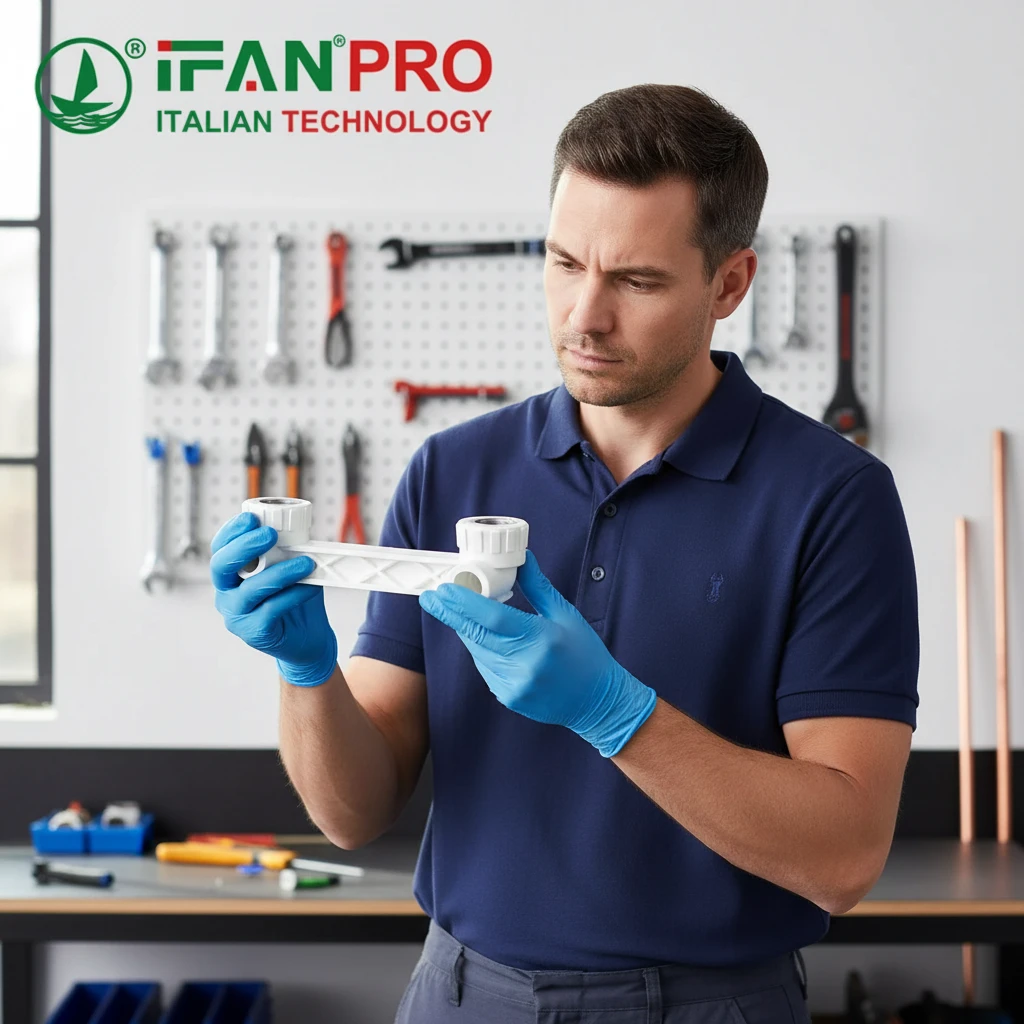
I remember the panic when a cheap elbow fitting failed in my basement, flooding the floor. That disaster made me obsessed with finding a truly reliable solution.
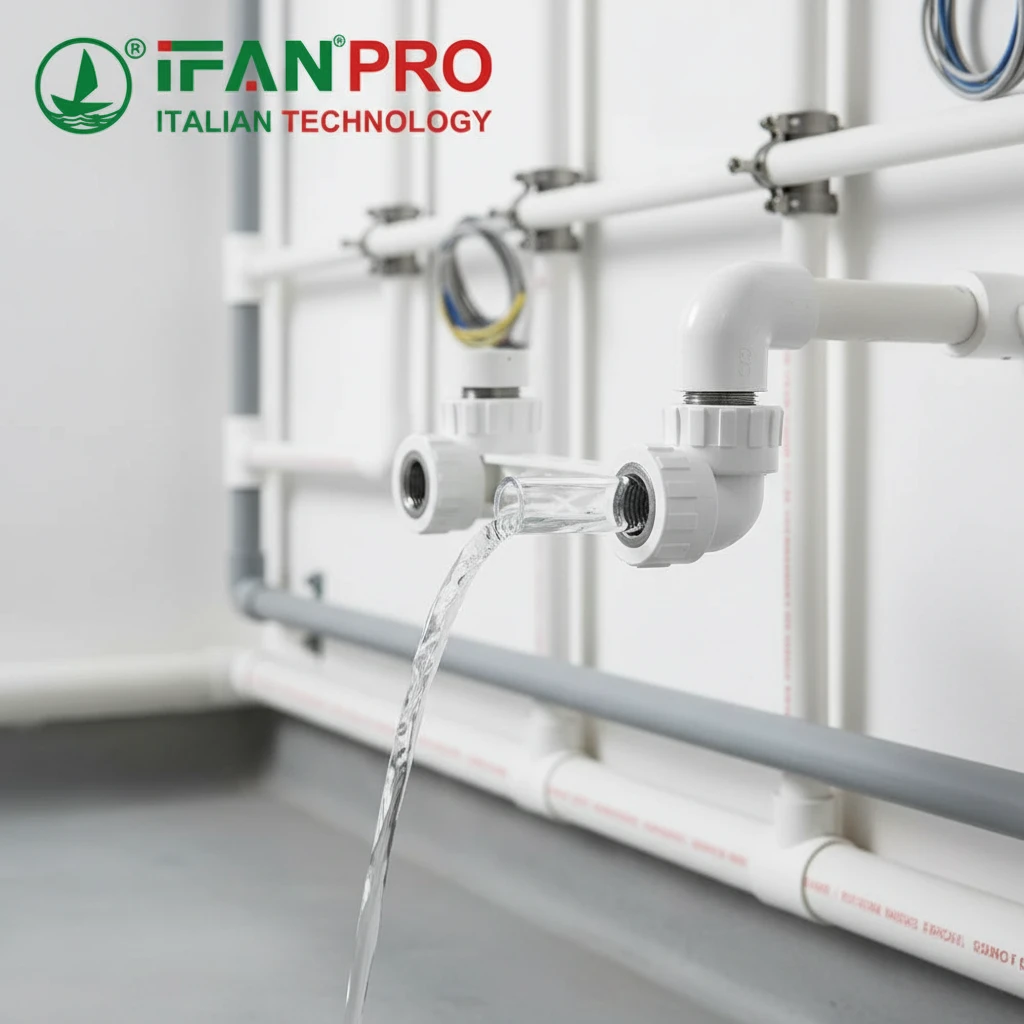
IFANPRO double elbows prevent leaks and stripped threads through precision-machined threads with tighter tolerances, a reinforced shoulder design, and high-grade brass construction. This combination ensures a perfect seal and superior resistance to over-tightening and pressure surges in plumbing systems.
If you’re tired of the frustration and cost of plumbing failures, understanding what makes these fittings different is the first step to a worry-free system. Let’s break down exactly how their engineering solves common problems.
What are the key features of IFANPRO double elbows that prevent leaks?
After my flood, I examined every fitting I could find. The differences in quality were shocking, and IFANPRO’s design choices stood out immediately.
The key leak-preventing features are precision threads for a perfect seal, a reinforced shoulder that distributes stress, and the use of lead-free DZR brass which resists corrosion and dezincification, ensuring long-term integrity at the connection points.
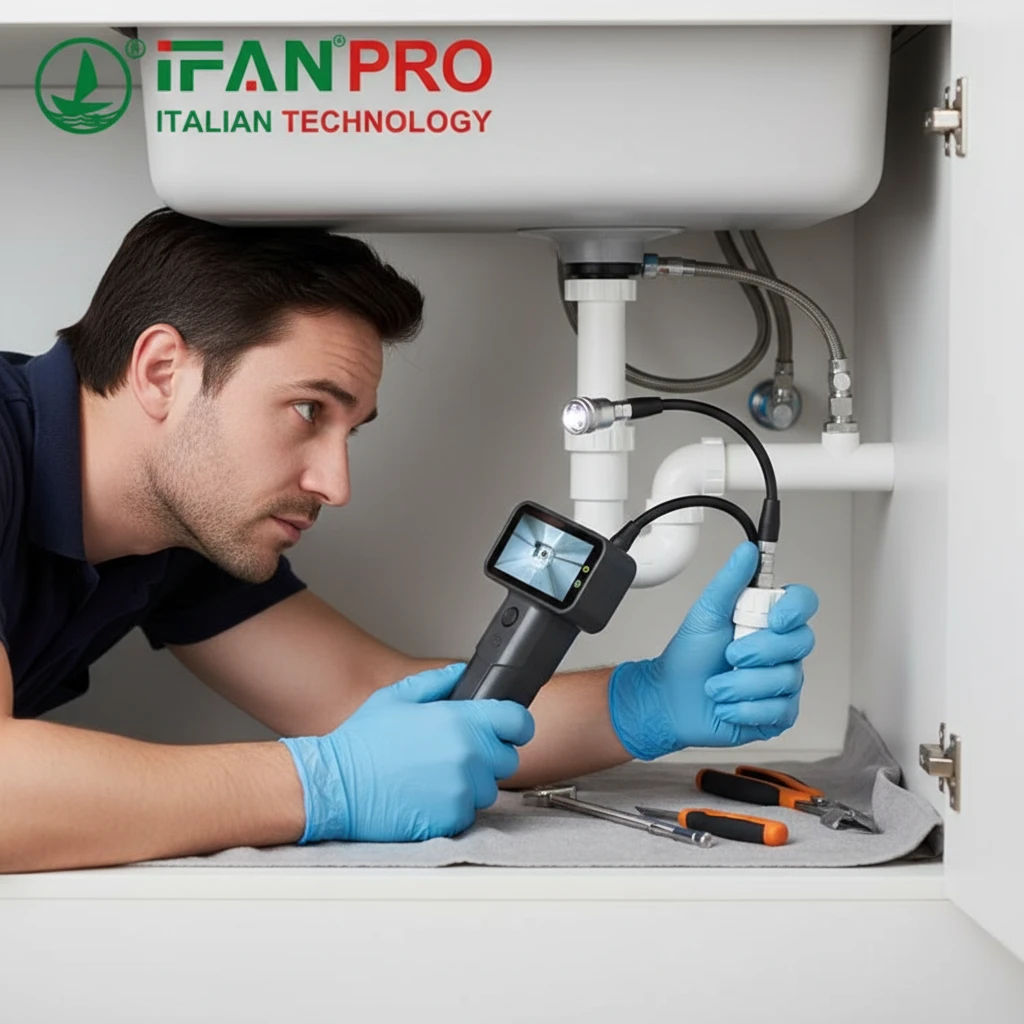
Beyond the Threads: A Holistic Sealing System
Most people think a good thread is enough to stop a leak. In reality, a leak-proof connection is a system. IFANPRO designs its double elbows with this system in mind. The thread is just the first point of contact. The real magic happens in how the entire fitting manages force and material fatigue. When you tighten a standard fitting, all the pressure focuses on the first few threads. This is why they strip so easily. IFANPRO’s design includes a wider, flatter seating surface. This surface allows the pipe or fitting to seat fully before the threads take the full torque. It creates a primary metal-to-metal seal that shares the load with the threads.
The Critical Role of Material Science
The choice of Dezincification-Resistant (DZR) brass is not a marketing gimmick. Standard brass fittings can suffer from dezincification, especially in water with certain pH levels. This process leaches zinc from the alloy, leaving behind a porous, weak copper structure that crumbles under pressure. A fitting can look intact on the outside but be Swiss cheese on the inside, leading to sudden bursts. DZR brass is engineered to prevent this. Its chemical composition forms a stable protective layer, maintaining its strength and density for decades. This material integrity is the foundation that the precision threading is built upon; without it, even perfect threads will fail.
| Feature | Standard Elbow | IFANPRO Double Elbow | Impact on Leak Prevention |
|---|---|---|---|
| Thread Tolerance | Loose, inconsistent | Precision-machined, tight | Eliminates gaps for water to escape through. |
| Shoulder Design | Thin, sharp edge | Reinforced, flat landing surface | Creates a primary seal, reduces thread stress. |
| Base Material | Standard brass (may dezincify) | Lead-Free DZR Brass | Prevents internal corrosion and structural failure. |
| Thread Depth & Profile | Shallow, V-shaped | Deeper, square-cut profile | Provides more surface area for sealing and strength. |
Pressure Management and Thermal Cycling
Plumbing systems aren’t static. They experience water hammer (pressure spikes) and constant thermal expansion and contraction from hot water. These dynamic forces work to break seals. The reinforced shoulder on an IFANPRO elbow acts like a shock absorber. It prevents the fitting from flexing at the neck, which is a common point of fatigue cracking. Furthermore, the consistent, deep threading ensures that the Teflon tape or pipe dope is compressed evenly into a solid gasket-like material within the thread channels, rather than being sheared off by poorly cut threads. This sealed thread compound then accommodates the micro-movements from thermal cycling without breaking the seal.
How does the precision threading on these fittings differ from standard ones?
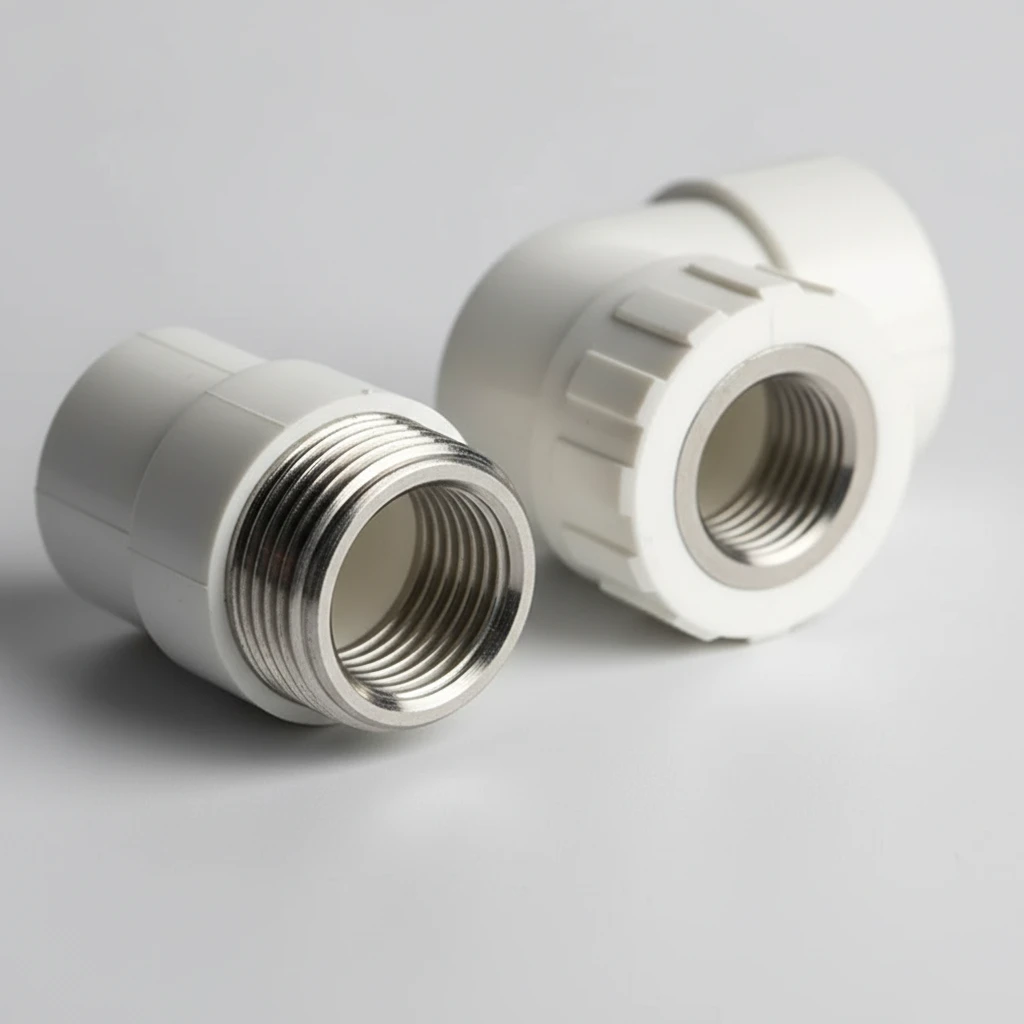
Holding a standard fitting next to an IFANPRO one, the difference in the threads is visible to the naked eye. It’s the difference between a hand-drawn sketch and a technical blueprint.
Precision threading differs through tighter manufacturing tolerances, a deeper and square-cut thread profile, and consistent thread pitch and alignment. This eliminates play, ensures even sealant distribution, and allows for proper engagement without cross-threading.
Tolerances: The Invisible Standard of Quality
In manufacturing, “tolerance” refers to the permissible limit of variation in a physical dimension. A standard plumbing fitting might have a thread tolerance of +/- several thousandths of an inch. This seems small, but it means one fitting could be slightly larger and another slightly smaller. This inconsistency forces installers to over-tighten the small one to seal it, or the large one won’t screw in at all. IFANPRO’s precision threading operates with tolerances that are much tighter. Every fitting is virtually identical. This consistency means you achieve a perfect hand-tight seal every time, with a predictable amount of additional wrench turns needed. It removes guesswork and prevents the “just one more turn” mentality that leads to stripped threads.
Thread Geometry: More Than Just a Spiral
Look at the cross-section of a thread. Many cheap fittings have a sharp, V-shaped thread profile. This design is easier and faster to machine but is structurally weak. The point of the “V” is a stress concentrator—a tiny spot where cracks can begin. Precision threading, like that on IFANPRO fittings, often uses a modified square or trapezoidal profile. These threads have broader, flatter crests and roots. This geometry provides a much larger surface area for the sealant to adhere to and for the mating threads to press against. It distributes the clamping force over a wider area, making the connection inherently stronger and less prone to shearing under torque.
| Aspect of Threading | Standard Fitting Threading | IFANPRO Precision Threading |
|---|---|---|
| Manufacturing Process | High-speed, mass production cutting. | Controlled machining, often with post-cut finishing. |
| Thread Profile | Sharp V-shape (60-degree). | Flatter, square-cut or trapezoidal profile. |
| Surface Finish | Often rough, with burrs or tool marks. | Smooth, deburred finish to protect sealants. |
| Result During Installation | Feels gritty, may bind or cross-thread easily. | Screws on smoothly with consistent resistance. |
The Installation Experience: Feel the Difference
This is where the theoretical becomes practical. When you screw a standard elbow onto a pipe, the feel is often inconsistent. It might go on easily for a few turns, then bind, then get loose again. This uneven feel is the result of poor thread alignment and pitch errors. You’re fighting the fitting. With precision threading, the engagement is smooth and linear from the first thread to the last. The resistance increases evenly as the threads fully mesh and the shoulder makes contact. This predictable feel is a direct indicator of quality. It tells you that the load is being distributed correctly and that you are far less likely to cross-thread the connection, which is a primary cause of leaks and thread damage.
What installation mistakes commonly cause stripped threads in plumbing?
I’ve made most of these mistakes myself. Stripping a thread is a sickening feeling, usually followed by a trip to the hardware store and a lot of wasted time.
Common mistakes causing stripped threads include cross-threading, over-tightening with excessive force, using damaged or worn tools, failing to properly apply thread sealant, and attempting to force mismatched or poor-quality fittings together.
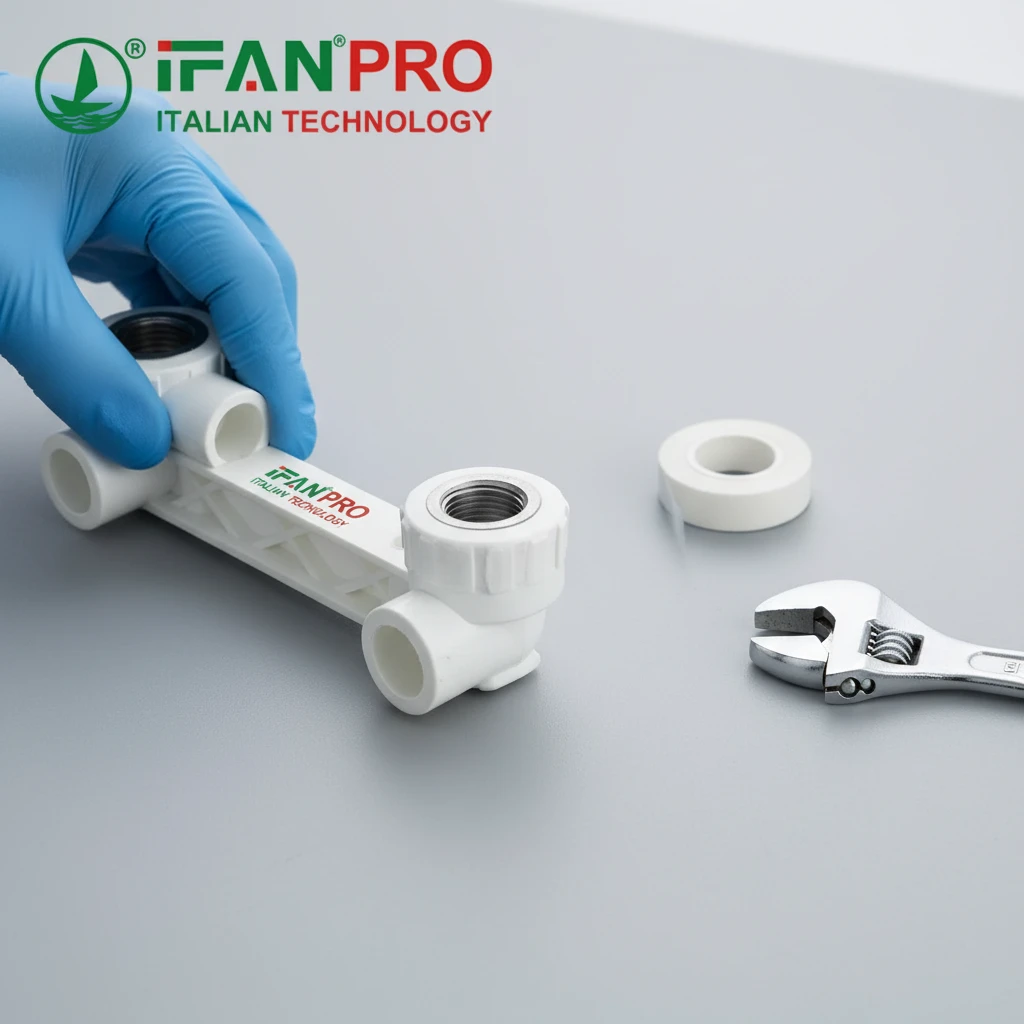
The Cardinal Sin: Cross-Threading
Cross-threading is the number one cause of immediate, catastrophic thread failure. It happens when the male and female threads are not aligned axially before turning. Instead of meshing together, the crest of one thread cuts across the crest of the other, shearing the metal. This often occurs when installers start threading at an angle or use power tools to start the connection. Once cross-threaded, even slightly, the integrity of the thread is destroyed. The fitting might still seal under low pressure if forced, but it is a permanent weak point. The best practice is to always start threading by hand, feeling for smooth, even rotation. If you meet resistance in the first two turns, back it out and realign.
Over-Tightening: The “More is Better” Fallacy
In plumbing, more torque is not better. The goal of tightening is to compress the thread sealant and achieve metal-to-metal contact at the shoulder, not to fuse the two pieces together. Over-tightening stretches the female threads beyond their elastic limit. This permanent deformation reduces the thread’s ability to grip. In soft materials like brass, it can actually shear the threads right off. A good rule is “hand-tight plus one to two turns with a wrench.” Using a wrench that is too long gives you excessive leverage, making it easy to apply damaging force without realizing it. Precision-threaded fittings like IFANPRO’s are designed to seal with less torque, making them more forgiving but also requiring a disciplined approach.
| Mistake | Why It Happens | The Result | How Precision Threading Helps |
|---|---|---|---|
| Cross-threading | Rushing, not aligning by hand first, using power tools to start. | Sheared threads, immediate leak path, ruined fitting. | Smoother, self-guiding thread start reduces misalignment risk. |
| Over-tightening | Fear of leaks, using oversized wrenches, poor feel for torque. | Stripped threads, cracked fittings, stressed pipes. | Designed to seal with lower torque, providing clear shoulder contact feedback. |
| Using Damaged Tools | Worn pipe wrenches with rounded jaws that slip. | Slipping tool rounds off fittings, applies uneven force. | High-quality flats on fittings provide better tool grip, reducing slip. |
| Dry Fitting (No Sealant) | Forgetting or testing fit without sealant, then not reapplying. | Metal-on-metal galling, difficult disassembly, inevitable leak. | Smooth finish reduces galling, but sealant is always mandatory. |
Tool and Preparation Failures
The right tool for the job is a cliché for a reason. Using an adjustable wrench on a pipe fitting is a recipe for rounded edges and slipped grips, leading to sudden, jarring force that strips threads. A proper pipe wrench or a correctly sized spanner is essential. Similarly, failing to properly prepare the threads is a major error. Old, hardened thread sealant must be completely removed. A wire brush designed for plumbing threads is crucial. Applying new Teflon tape or pipe dope correctly is also key. Tape should be wrapped clockwise (viewed from the end of the male thread) and should not cover the first thread, as this can cause it to shred and contaminate the system. Pipe dope should be applied evenly but sparingly. Precision threads are less reliant on massive amounts of sealant to fill gaps, but proper application is still non-negotiable for a perfect seal.
Are IFANPRO double elbows suitable for high-pressure water systems?
When I upgraded my home’s pressure booster system, I needed fittings I could trust not to be the weak link. The specs and design of these elbows gave me the confidence to proceed.
Yes, IFANPRO double elbows are highly suitable for high-pressure systems due to their DZR brass construction, reinforced design that resists bursting, and precision threading that maintains seal integrity under sustained and fluctuating high pressure.
Understanding Pressure Ratings and Safety Factors
Every fitting has a pressure rating, usually expressed in PSI (pounds per square inch) at a certain temperature. This rating is not the point at which it will immediately fail, but a safe working pressure established with a significant safety factor (often 4:1 or higher). IFANPRO fittings are engineered and tested to meet or exceed recognized standards for high-pressure applications. The combination of high-strength DZR brass and the stress-relieving design of the elbow (with its reinforced corners and shoulders) means the fitting can handle not just the static pressure of the system, but also dynamic pressure spikes known as water hammer. Water hammer can instantaneously generate pressures several times higher than the normal operating pressure, and a fitting’s ability to withstand these shocks is critical.
Material Strength Under Sustained Load
In a high-pressure system, fittings are under constant tensile and hoop stress. Cheaper fittings made from inferior alloys or with casting voids can slowly creep or deform over time—a process called cold flow. This gradual deformation can loosen the seal, leading to a slow leak that worsens. The forged or hot-formed construction often used for quality fittings like IFANPRO’s creates a denser, more uniform grain structure in the metal. This uniformity provides consistent strength throughout the fitting, with no weak spots for stress to concentrate. It resists cold flow, ensuring the threads remain engaged and the seal remains compressed for the life of the system, even under 24/7 high pressure.
Thermal and Chemical Compatibility in Pressurized Systems
High-pressure systems often involve hot water, which adds thermal stress. The metal expands when hot and contracts when cool. This cycling can break seals that rely solely on brute force. The precision threading and flat seating surface of an IFANPRO elbow create a more stable, multi-point seal that can accommodate these micro-movements without failing. Furthermore, in municipal or well water systems, water chemistry can be aggressive. The dezincification resistance (DZR) of the brass is not just for longevity; it maintains the fitting’s pressure rating. A standard brass fitting suffering from dezincification becomes spongy and weak, and its pressure rating plummets, creating a dangerous situation in a high-pressure line. IFANPRO’s material choice prevents this degradation.
Conclusion
Upgrading to precision-engineered fittings like IFANPRO double elbows transforms plumbing from a constant worry into a reliable system, saving time, money, and stress in the long run.








 Français
  English
  Русский
  Español
Commentaires récents