
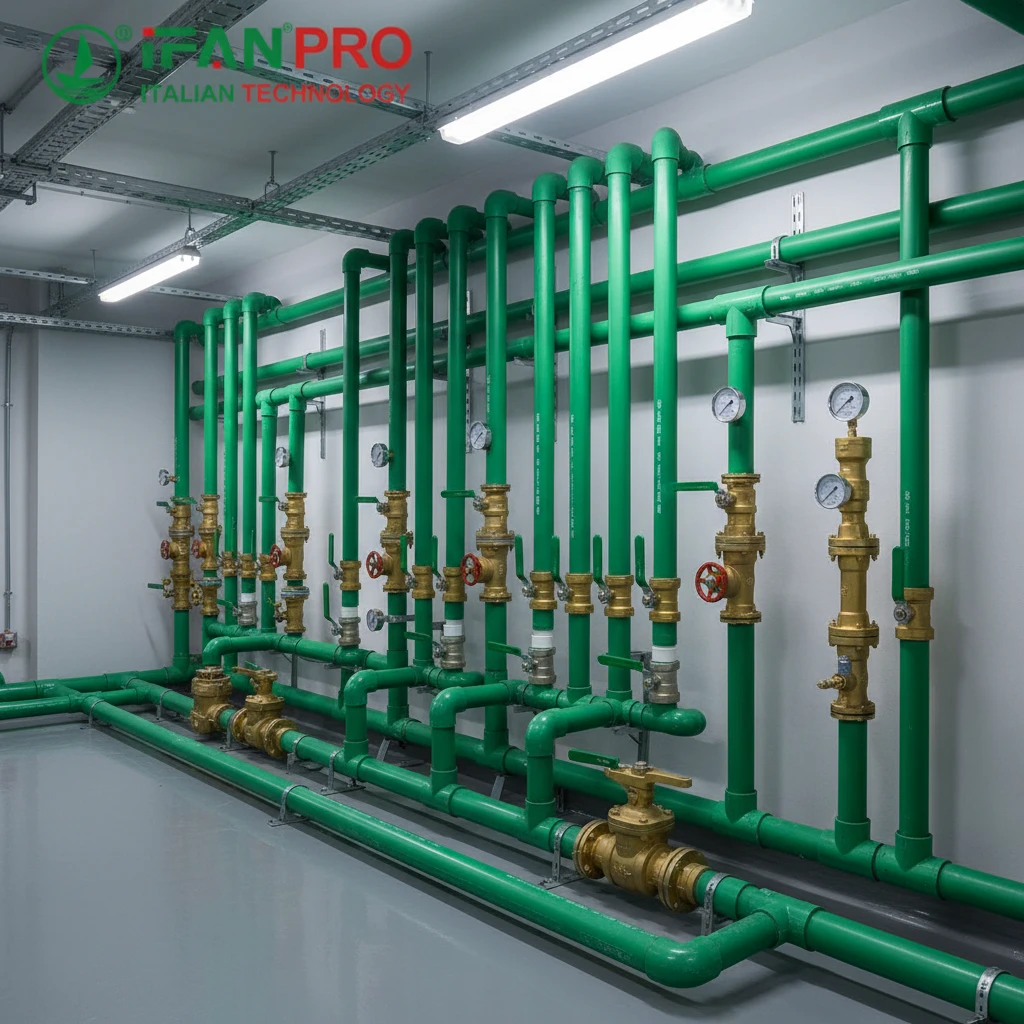
I once managed a hotel renovation where old valves failed repeatedly, causing guest complaints and costly emergency calls. That experience taught me why upgrading to PPR brass core valves transforms commercial plumbing.
Upgrading to PPR brass core valves offers five key benefits: enhanced durability that cuts maintenance costs, superior leak resistance for multi-story buildings, reliable performance under high usage demands, improved system longevity, and higher tenant satisfaction. These valves combine the corrosion resistance of PPR with the mechanical strength of brass for commercial applications.
Let’s explore each reason in detail and see why this upgrade makes sense for your building.
How Does Enhanced Durability Reduce Maintenance Costs in Commercial Buildings?
Maintenance budgets are always tight. I’ve seen building managers struggle with constant valve repairs that eat into their operating funds.
Enhanced durability reduces maintenance costs because PPR brass core valves resist corrosion, scaling, and wear far longer than standard all-plastic or low-quality metal valves. Their brass core provides a robust sealing surface that withstands frequent operation, while the PPR body eliminates rust. This combination means fewer callbacks, less downtime, and lower long-term expenses.
Understanding the Cost of Frequent Repairs
Commercial buildings put immense stress on plumbing components. Think about a hotel with hundreds of rooms or an office building with dozens of restrooms. Each valve operates many times daily. When valves fail, you pay for more than just the replacement part.
The hidden costs add up quickly:
- Labor costs: A plumber’s time costs money. Emergency callouts cost even more.
- Downtime costs: Shutting down restrooms or water supply disrupts operations.
- Damage costs: A failed valve can flood spaces, damaging floors and walls.
- Administrative costs: Someone has to schedule repairs and handle complaints.
PPR brass core valves directly address these issues through superior materials and construction.
Why the Brass Core Makes a Difference
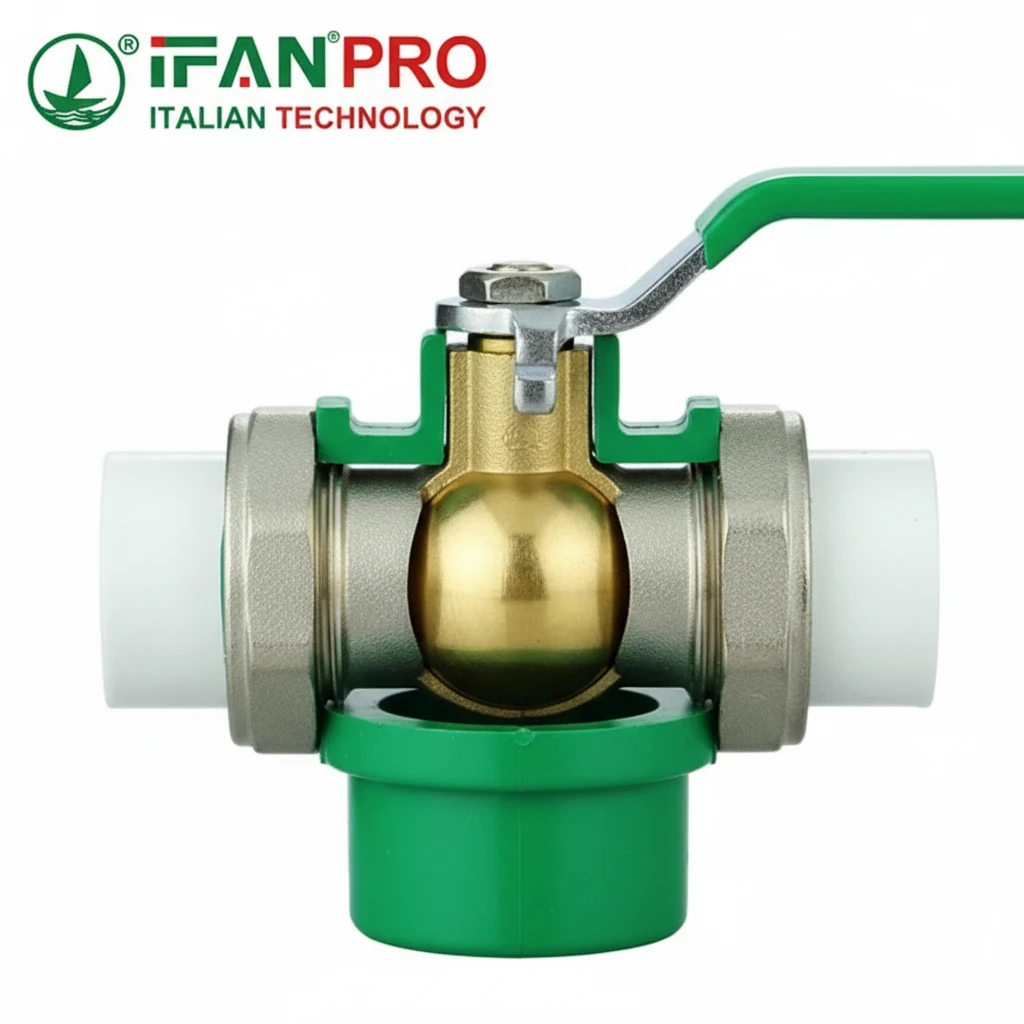
The “brass core” refers to the internal mechanism that actually controls water flow. This part faces the most wear. In cheap valves, this core might be plastic or low-grade metal that deforms quickly. Brass offers several advantages:
Superior mechanical strength: Brass withstands the repeated opening and closing forces without deforming. A plastic core can warp over time, causing the valve to stick or fail completely.
Excellent corrosion resistance: Unlike steel, brass does not rust. It forms a protective patina that actually shields it from further corrosion. This matters in commercial systems where water chemistry varies.
Smooth operation: Brass has natural lubricity. This means the valve operates smoothly for years without sticking or requiring excessive force.
The table below compares material performance for valve cores:
| Core Material | Lifespan | Failure Mode | Maintenance Frequency |
|---|---|---|---|
| Brass | 20-30 years | Gradual wear | Low (check every 5 years) |
| Stainless Steel | 15-25 years | Potential pitting corrosion | Medium |
| Plastic | 5-10 years | Warping, cracking | High (annual checks) |
| Zinc Alloy | 3-8 years | Dezincification, crumbling | Very high |
The PPR Body Advantage
The PPR body contributes to durability in different ways. PPR does not corrode or scale. In commercial systems, water often contains minerals that deposit inside pipes and valves. These deposits can jam mechanisms and reduce flow. PPR’s smooth surface resists scaling, keeping the valve interior clean.
Additionally, PPR handles thermal expansion well. Commercial systems experience temperature changes as water heats and cools. PPR expands and contracts at a predictable rate, maintaining its seal with the brass core.
Real-World Maintenance Savings
Consider a 10-story office building with 40 restrooms. Each restroom might have 5-10 valves. That’s 200-400 valves total. If standard valves need replacement every 5 years, you face 40-80 valve replacements annually. At $150 per replacement (parts and labor), that’s $6,000-$12,000 yearly.
With PPR brass core valves lasting 20+ years, you replace them perhaps once during the building’s life. Even if they cost more upfront, the math favors durability.
Why Is Leak Resistance Critical for Preventing Water Damage in Multi-Story Structures?
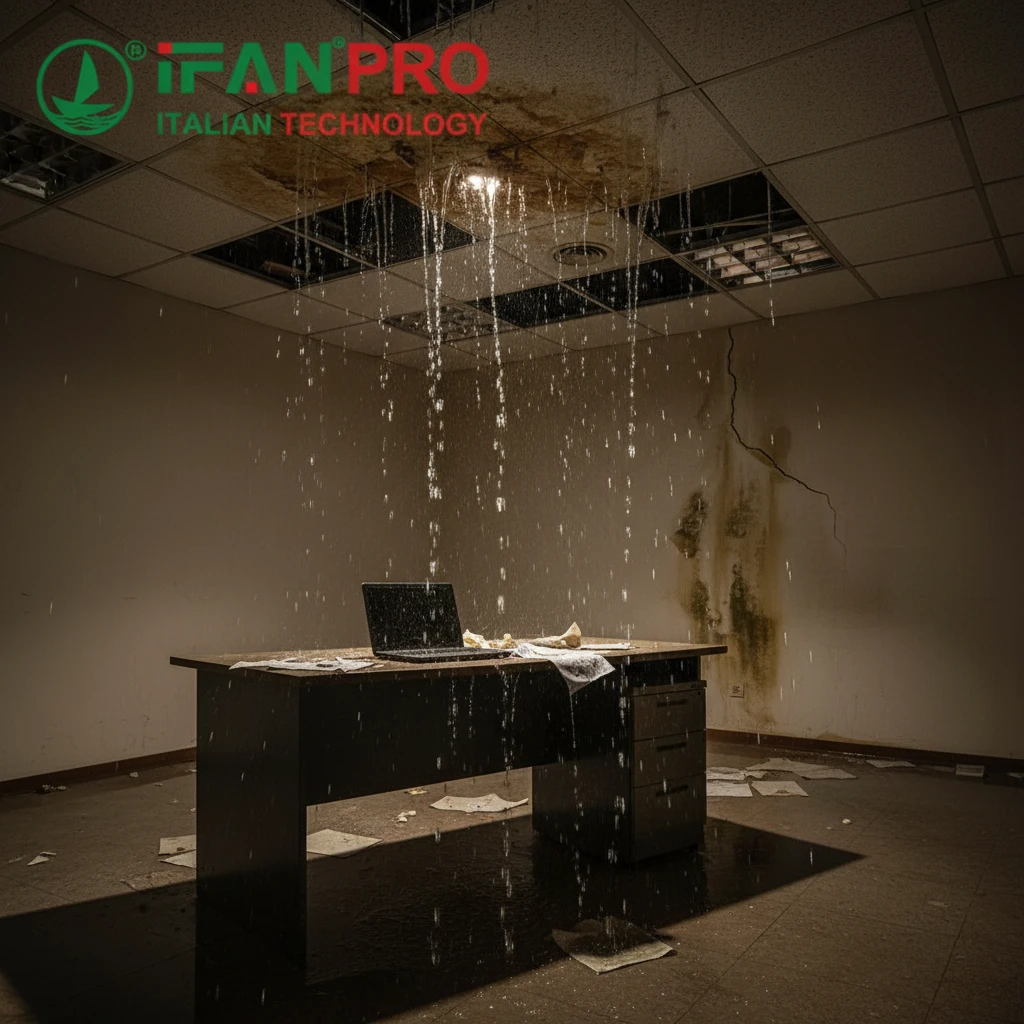
Water travels down. A small leak on the tenth floor can destroy ceilings, walls, and finishes all the way to the basement. I’ve seen the aftermath, and it’s devastating.
Leak resistance is critical in multi-story buildings because water damage propagates downward through multiple floors, affecting tenants, damaging structures, and creating mold hazards. PPR brass core valves provide multiple sealing barriers that prevent leaks at the most common failure point: the valve stem and connection joints. This protection safeguards the entire building.
The Domino Effect of a Single Leak
Let me walk you through what happens when a valve leaks in a high-rise.
Stage 1: The initial drip. A valve stem seal fails slightly. Water seeps out slowly, perhaps just a few drops per minute. Nobody notices immediately.
Stage 2: Hidden damage. Water runs down the pipe or along the wall. It soaks into drywall, wood framing, and insulation. Mold begins growing within 24-48 hours.
Stage 3: Visible signs. Eventually, ceiling tiles stain. Paint bubbles. Flooring warps. By now, significant damage has occurred.
Stage 4: Catastrophic failure. The leak worsens. Now water pours out, flooding the floor below. Ceilings collapse. Electrical systems short. Tenants evacuate.
Stage 5: The aftermath. Repairs require tearing out damaged materials, drying structures, replacing finishes, and addressing mold. Insurance claims rise. Tenants may sue for disruption.
All this starts with one faulty valve.
How PPR Brass Core Valves Prevent This Scenario
Quality valves incorporate several leak-prevention features:
Stem sealing: The valve stem (where the handle connects to the internal mechanism) is a common leak point. PPR brass core valves use multiple O-rings or compression packings around the stem. These provide redundant sealing. If one seal ages, the backup maintains protection.
Body integrity: The brass core sits inside the PPR body. The interface between these materials must seal perfectly. Quality valves machine this connection precisely, then use high-grade O-rings to ensure no leakage at the material boundary.
Threaded connections: Where valves connect to pipes, leaks often occur. PPR brass core valves typically feature brass threads molded or securely attached. Brass threads resist stripping and seal better than plastic threads when properly taped or doped.
Testing Validates the Design
Manufacturers test these valves extensively before shipping. Typical tests include:
| Test Type | Purpose | Pass Criteria |
|---|---|---|
| Hydrostatic Pressure | Verify body strength | No leakage at 1.5x working pressure |
| Seat Leakage | Check closed-valve sealing | Zero detectable leakage |
| Stem Seal Test | Verify stem sealing during operation | No leakage during cycling |
| Endurance Cycling | Simulate years of use | Seals intact after thousands of cycles |
Valves that pass these tests provide confidence they will perform in your building.
Practical Protection Measures
Even with quality valves, smart installation practices enhance leak resistance:
- Install valves in accessible locations. Hidden valves delay leak detection.
- Provide drip pans under valves in critical areas.
- Consider leak detection sensors near valve groups.
- Document valve locations for quick shutdown during emergencies.
Can Brass Core Valves Handle the Higher Usage Demands of Commercial Systems?
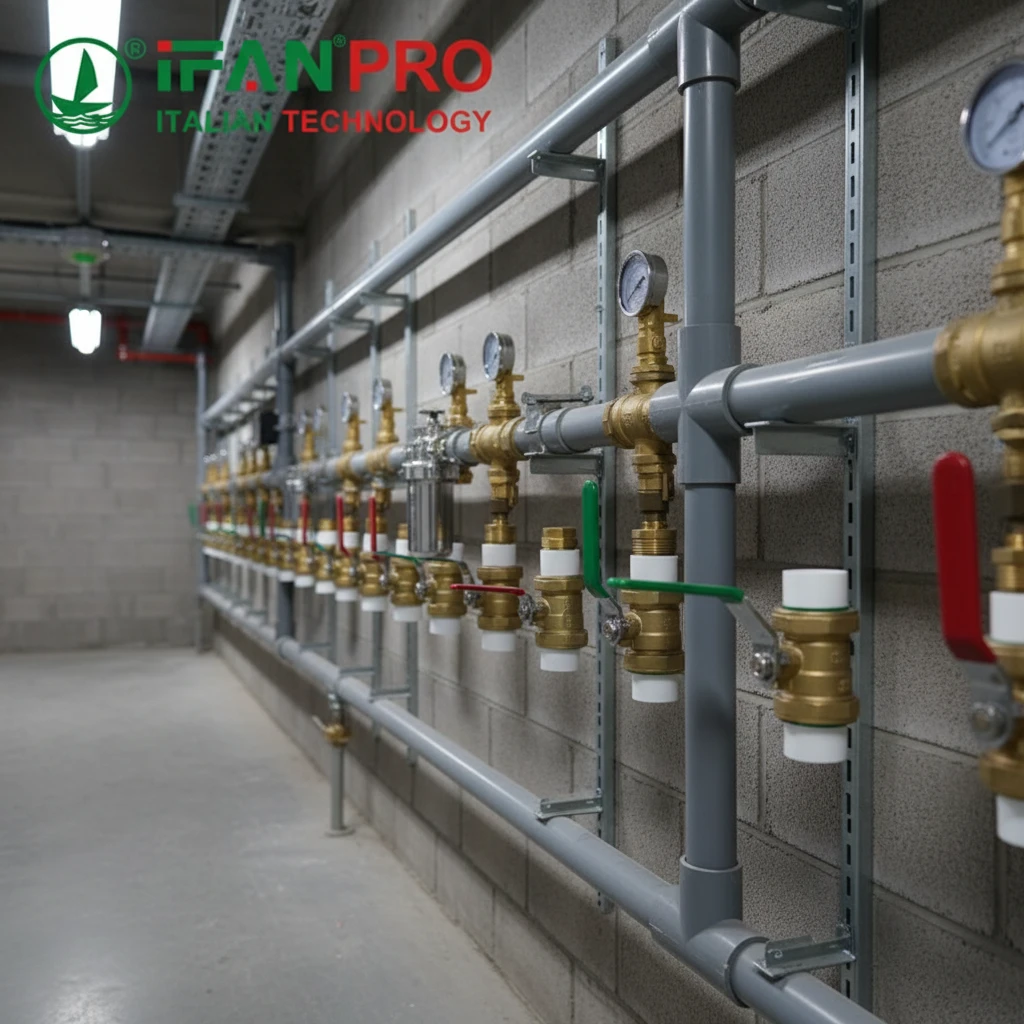
Commercial systems operate nothing like homes. In a residence, a valve might cycle a few times daily. In commercial settings, it can cycle dozens or hundreds of times. The question matters: can these valves keep up?
Yes, brass core valves are specifically designed to handle commercial usage demands. Brass offers excellent resistance to wear from frequent operation, maintains its shape under repeated stress, and resists the higher pressures and flow rates common in commercial systems. Combined with PPR bodies that resist fatigue, these valves deliver reliable performance for decades under heavy use.
Understanding Commercial Usage Patterns
Commercial buildings stress plumbing systems in unique ways:
Higher frequency of operation: Restrooms in offices, hotels, and schools see constant use. Each flush, each faucet operation cycles valves. Over a year, a commercial valve may experience more cycles than a residential valve sees in a decade.
Higher flow rates: Commercial systems often use larger pipes carrying more water. Valves must handle these flows without excessive pressure drop or erosion.
Variable pressure: Morning rushes, simultaneous usage, and pump cycling create pressure fluctuations. Valves must maintain sealing across this range.
Extended operating hours: Many commercial buildings operate 12-18 hours daily, some 24/7. Valves get little rest.
How Brass Core Design Meets These Demands
Brass brings specific properties that match commercial requirements:
Wear resistance: The internal parts that slide and rotate during operation face friction. Brass resists this wear better than softer materials. The valve maintains tight tolerances even after thousands of cycles.
Strength without brittleness: Brass combines strength with some flexibility. It withstands shock loads from water hammer without cracking. Yet it doesn’t deform permanently under normal operation.
Compatibility with seating materials: The brass sealing surfaces mate perfectly with elastomeric seals. This pairing creates consistent, repeatable sealing cycle after cycle.
Pressure and Temperature Capabilities
Commercial systems often operate at higher pressures and temperatures than residential ones. PPR brass core valves typically handle:
| Parameter | Residential Grade | Commercial Grade (PPR Brass Core) |
|---|---|---|
| Maximum Pressure | 150 PSI | 200-250 PSI |
| Maximum Temperature | 140°F (60°C) | 180°F (82°C) |
| Cycle Life | 10,000 cycles | 50,000+ cycles |
| Flow Capacity (Cv) | Lower | Higher |
These ratings mean commercial-grade valves won’t fail when conditions peak.
Real-World Application Examples
Consider specific commercial applications:
Hotel guest rooms: Each room has shutoff valves for sinks, toilets, and showers. Guests come and go, but usage continues year-round. Quality brass core valves ensure rooms remain operational without maintenance interruptions.
School restrooms: Hundreds of students use facilities between classes. Valves cycle rapidly. Brass cores withstand this abuse, reducing custodial complaints.
Office building kitchens: Breakroom sinks see heavy daily use. Dishwashing, cleaning, and food prep all stress valves. Brass core reliability keeps kitchens functioning.
How Do They Improve System Reliability and Tenant Satisfaction Over Time?
Reliability isn’t just about avoiding repairs. It directly impacts how tenants perceive your building. Happy tenants renew leases. Unhappy tenants leave.
PPR brass core valves improve system reliability by maintaining consistent performance throughout their service life. This reliability translates directly to tenant satisfaction because tenants experience fewer disruptions, consistent water pressure, and quick resolution when issues arise. Over time, this builds trust and reduces turnover.

The Connection Between Plumbing and Satisfaction
Plumbing seems basic until it fails. Then it becomes the only thing tenants think about.
When valves work properly:
- Water turns on and off as expected
- No mysterious drips disturb sleep or work
- Restrooms remain available and clean
- Maintenance requests stay minimal
When valves fail:
- Tenants cannot use facilities
- Water damage disrupts spaces
- Noise from faulty valves annoys occupants
- Maintenance enters private areas repeatedly
The difference shapes tenant experience profoundly.
How Reliability Builds Over Time
Quality valves deliver reliability through several mechanisms:
Consistent operation: Brass core valves open and close with the same feel year after year. Tenants learn how they work and trust them. There’s no gradual stiffening or unexpected behavior.
Predictable maintenance: With quality valves, maintenance becomes scheduled rather than emergency. You can plan inspections during low-occupancy periods. Tenants appreciate not having workers enter unexpectedly.
Fewer system interactions: Each valve failure potentially affects multiple tenants. A failed shutoff valve might require shutting water to an entire floor. Reliable valves mean fewer such disruptions.
The Financial Impact of Tenant Satisfaction
Tenant satisfaction directly affects your bottom line. Consider these factors:
| Satisfaction Factor | Impact on Building Owner |
|---|---|
| Lease Renewal Rate | Higher satisfaction = higher renewal rates = lower vacancy costs |
| Tenant Complaints | Fewer complaints = less management time spent resolving issues |
| Rental Premium | Satisfied tenants accept reasonable rent increases |
| Referrals | Happy tenants recommend your building to others |
Plumbing reliability contributes significantly to all these factors.
Practical Steps to Maximize Tenant Satisfaction
Beyond installing quality valves, consider these approaches:
Communicate proactively: If you must shut down water, notify tenants well in advance. Explain the reason and expected duration. They appreciate transparency.
Respond quickly to issues: When a tenant reports a problem, address it promptly. Even if the valve itself isn’t the issue, responsive maintenance builds trust.
Document and track: Keep records of valve installations and maintenance. This helps predict when replacements might be needed before failures occur.
Choose visible quality: Tenants may notice quality fixtures. Smooth-operating, attractive valves contribute to the overall impression of a well-maintained building.
Conclusion
PPR brass core valves deliver durability, leak resistance, commercial-grade performance, and long-term reliability that directly improves tenant satisfaction. For your next commercial project, choose IFAN’s complete range of PPR brass core valves, engineered for the demands of multi-story buildings and backed by decades of industry experience.










 Français
  English
  Русский
  Español
Commentaires récents