
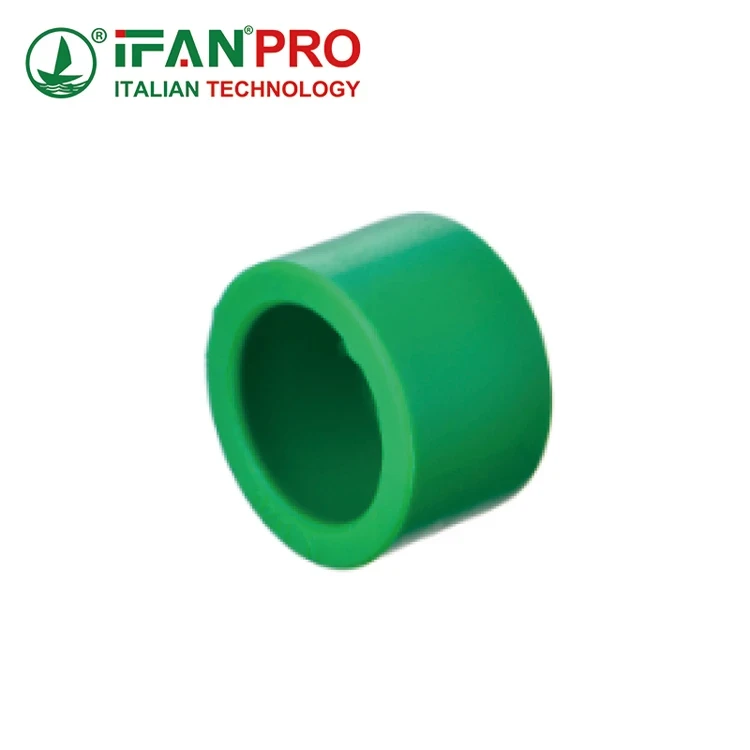
I once had a client whose system failed because a cheap, mismatched end cap cracked under pressure. That moment taught me that even the smallest component, like an end cap, is critical for the entire system’s integrity.
Durable PPR end caps provide a permanent, leak-proof seal for terminating pipes. Their strength comes from being made of the same high-quality Polypropylene Random Copolymer as the pipes, ensuring perfect material compatibility, corrosion resistance, and a seamless fusion joint that withstands pressure and temperature changes for decades.
A secure seal is non-negotiable. Let’s examine what makes PPR end caps the reliable choice for sealing pipe ends.
Which Materials Are Best for Durable PPR End Caps in Pipe Sealing?
Choosing the wrong cap material is a common mistake. I’ve seen incompatible plastics fail, leading to leaks and contamination.
The best material for a durable PPR end cap is 100% virgin PP-R (Polypropylene Random Copolymer) that is identical to the pipe material. This ensures perfect thermal fusion, creating a monolithic seal with the same chemical resistance, pressure rating, and lifespan as the pipeline itself. Using caps from different plastic families (like PP-B or random blends) guarantees weak joints.
The Critical Need for Material Identity
Why does the material matter so much? End caps are not just plugs; they are permanent, structural parts of the pressure system. The principle is simple: for a perfect, long-lasting fusion weld, the materials being joined must melt at the same temperature and have identical molecular structures.
When you use a genuine PPR cap on a PPR pipe, the heated ends melt uniformly. They mix and solidify into a single, homogeneous piece of plastic. There is no seam or weak boundary. If the cap is made from a different type of polypropylene (like PP-B, which has a lower melting point and different crystallinity) or contains recycled materials, the fusion is imperfect. This creates a weak point that can crack under thermal stress or pressure cycles.
Key Material Properties for Performance
Let’s break down the properties that virgin PPR provides:
- Chemical Resistance: Like the pipe, the cap must resist scaling, corrosion, and aggressive chemicals in water or industrial fluids.
- Thermal Stability: It must handle the same high-temperature hot water (up to 95°C intermittently) without deforming.
- Pressure Rating: The cap must have the same pressure-bearing capacity (e.g., PN20, PN25) as the pipe system it seals.
- Longevity: Only identical materials guarantee the 50+ year service life expected from a PPR system.
Comparing End Cap Materials
This table shows why material matching is non-negotiable.
| Cap Material | Used on PPR Pipe | Resulting Joint Quality | Risk of Failure | Recommended? |
|---|---|---|---|---|
| Virgin PPR | Yes | Perfect. Homogeneous, monolithic fusion. | Very Low | Yes – Ideal |
| PP-B or Blend | Yes | Poor. Incomplete fusion due to different melting points. | High | No |
| Recycled PPR | Yes | Unreliable. Unknown additive mix weakens the joint. | Medium-High | No |
| Metal (Threaded) | Yes | Bad. Requires a separate adapter, creating multiple potential leak points. | High | No |
Practical Advice for Buyers
Always source end caps from the same reputable manufacturer as your pipes. For example, IFAN‘s end caps are produced from the same certified virgin PPR batches as their pipes, guaranteeing perfect compatibility. Ask suppliers for material certification sheets to confirm the polymer grade. Never sacrifice seal integrity for a minor cost saving on caps; the risk and repair cost are too high.
How Do You Install PPR End Caps Using Proper Fusion Welding Techniques?
A perfect cap is useless if installed poorly. Most leaks I encounter at termination points stem from incorrect welding.
To install a PPR end cap, use the socket fusion welding technique: cleanly cut the pipe, mark the insertion depth on both the pipe and cap, simultaneously heat them with a welding machine at 260°C, then quickly join and hold them perfectly still for the specified cooling time. This creates a permanent, pressure-tight seal as strong as the pipe wall.
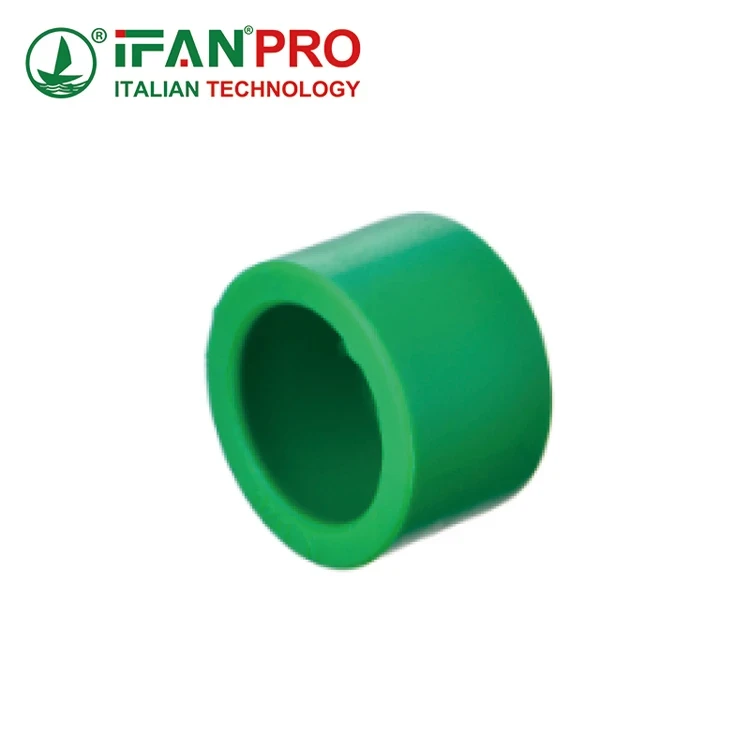
Step-by-Step Installation Guide
A reliable seal depends on a precise procedure. Here is the detailed process:
1. Preparation & Cutting:
First, ensure the pipe end is square and clean. Use a dedicated PPR pipe cutter. Do not use a saw, as it creates burrs and an uneven surface. After cutting, remove any plastic debris. Wipe the pipe end and the inside of the end cap with a clean, dry cloth. Any dirt or moisture will contaminate the weld.
2. Marking & Heating:
This is the most critical step. Use the depth gauge on the welding machine or a marker to clearly draw a line on the pipe showing how deep it must go into the fitting. This ensures you push it in fully. Set the welding machine to 260°C (±5°C). Once it reaches temperature, simultaneously push the pipe end and the end cap socket onto the heated welding heads. Hold them there for the exact heating time specified in the manufacturer’s chart (based on pipe/cap diameter).
3. Joining & Cooling:
Remove the pipe and cap from the heater immediately after the heating time elapses. Swiftly and steadily push the pipe straight into the cap socket all the way to the depth mark. Do not twist or bend them. A small bead of melted plastic (the “roll”) will form around the joint. Hold the assembly firmly in place for the mandatory cooling time without any movement. This allows the molecular bond to solidify completely. Disturbing it during cooling is a common cause of joint failure.
Common Installation Pitfalls and Solutions
Even experienced installers can make mistakes. Here are the key pitfalls:
| Pitfall | Consequence | Correct Action |
|---|---|---|
| Under-heating | Insufficient melt leads to a weak, incomplete fusion joint that may leak under pressure. | Follow the manufacturer’s heating time chart precisely. |
| Over-heating | Material degrades, becomes too fluid, and can block the pipe or create a thin, weak joint. | Use a timer. Do not guess the heating time. |
| Twisting during joining | Disturbs the molten polymer layer, creating stress points and channel leaks. | Push straight in. No rotation. |
| Insufficient cooling time | The joint is disturbed before the bond sets, causing internal micro-fractures. | Hold firmly for the full cooling duration. |
| Dirty or wet surfaces | Contaminants create a barrier, preventing proper fusion. | Always clean and dry surfaces before heating. |
For optimal results, use quality tools and insist on certified installers. A perfectly fused PPR end cap should be visually inspected for a consistent roll bead and will be the most reliable point in your entire system.
Where Are PPR End Caps Most Critical in Plumbing and Industrial Systems?
End caps are not just for construction phases. In my projects, their strategic use has prevented major system damage and facilitated future expansions.
PPR end caps are most critical at system termination points during pressure testing, for sealing off unused future connections (tees), and for protecting pipe ends from contamination during storage, transport, and construction. They are vital in closed-loop heating systems and for isolating sections for maintenance without draining the entire network.
Applications in Residential and Commercial Plumbing
In building projects, end caps serve multiple essential functions beyond just closing a pipe.
- Pressure Testing: Before walls are closed, the entire system is pressurized with water or air. Durable, fused end caps are used to seal all open ends. They must hold this test pressure reliably to certify the installation is leak-free. A failed cap during a test means rework and delays.
- Future-Proofing: Builders often install extra tee fittings for future sinks, toilets, or appliances. These open ends must be securely capped off with PPR end caps. A loose or temporary cap here is a guaranteed future leak inside the wall.
- System Protection: During construction, pipe threads can get damaged by debris, dirt, or moisture. Fusing a permanent end cap seals the pipe interior completely, keeping it clean and dry until the final connection is made.
Critical Roles in Industrial and Heating Systems
In more demanding environments, the role of the end cap becomes even more significant.
- Closed-Loop Systems: In radiant floor heating, solar thermal systems, or industrial process loops, the system is sealed and filled with a treated fluid (e.g., glycol mix). Permanent PPR end caps are used at manifold ends and terminal points. Their corrosion resistance is crucial as they are in constant contact with the fluid under pressure and temperature cycles.
- Maintenance and Isolation: A key advantage is the ability to isolate a system section. If a branch line needs repair, technicians can cut the pipe, install a cap to seal the main line, and drain only the small section. After repair, they remove the cap and fuse on a new coupling. This minimizes downtime and service fluid loss.
- Machine and Equipment Connections: Pipes supplying water to individual machines often end with a valve. An end cap fused after the valve provides a double seal when the machine is removed for service or replacement, preventing any chance of accidental flow.
Why a Temporary Fix is Not Enough
Many try to use cheap plastic push-on caps or even tape for “temporary” seals. This is a major risk. These seals degrade over time, pop off under pressure, or allow contaminant ingress. A fused PPR end cap is a one-time investment in a permanent, zero-maintenance seal. It transforms an open, vulnerable pipe end into a secure, pressure-rated section of the system itself.
Why Choose PPR End Caps Over Traditional Metal Caps for Pipe Sealing?
The choice between plastic and metal caps seems simple, but the wrong one causes long-term problems. I’ve replaced countless corroded metal caps on otherwise perfect PPR systems.
Choose PPR end caps over metal because they fuse directly to the pipe, creating a monolithic, leak-proof seal without extra parts. They are immune to corrosion, prevent galvanic issues, are lighter, and maintain consistent thermal expansion with the pipe. Metal caps require threading adapters, which are prone to leaks, corrosion, and create material incompatibility.
The Problem with Metal Caps on Plastic Pipes
Metal caps (brass, stainless steel) cannot be directly attached to a PPR pipe. Their use requires a multi-step, problematic adapter process that introduces several weaknesses.
To use a metal cap, you must first fuse a PPR threaded adapter (female thread) onto the pipe end. Then, you apply thread seal tape or paste and screw the metal cap onto the adapter. This process creates three distinct failure points:
- The fusion joint between the PPR pipe and the PPR adapter.
- The mechanical thread connection between the adapter and the metal cap.
- The potential for corrosion on the metal threads themselves.
Threads are natural leak paths. They can loosen due to thermal cycling (different expansion rates of metal and plastic) or if the sealant degrades. This design is inherently less reliable than a single, fused PPR-to-PPR joint.
Direct Comparison of Key Factors
Let’s compare the two options head-to-head across critical factors for pipe sealing.
| Factor | PPR End Cap (Fused) | Traditional Metal Cap (Threaded) | Winner & Why |
|---|---|---|---|
| Sealing Method | Homogeneous thermal fusion. | Mechanical thread with sealant. | PPR. One-piece joint vs. multiple potential leak points. |
| Corrosion Resistance | Complete immunity to rust and scale. | Metal threads can corrode, seizing the cap. | PPR. Eliminates a major failure cause. |
| Galvanic Corrosion | Not applicable (all plastic). | Risk between dissimilar metals (adapter/cap). | PPR. Removes this electrochemical risk entirely. |
| Thermal Expansion | Matches the pipe exactly. No stress. | Differs from pipe, causing stress on threads. | PPR. Prevents loosening from cycling temperatures. |
| Installation | One-step fusion process. | Requires adapter fusion + threading. | PPR. Faster, simpler, and more consistent. |
| Long-Term Maintenance | Zero maintenance required. | May require re-tightening or sealant replacement. | PPR. Truly “install and forget.” |
| System Integrity | Becomes part of the continuous pipe. | Remains a distinct, removable assembly. | PPR. Higher overall system pressure rating and reliability. |
Making the Right Choice for Your System
For any permanent or long-term sealing application on a PPR system, the choice is clear. PPR end caps provide superior performance, lower lifetime cost (no maintenance), and perfect system compatibility.
Metal caps still have a place, but only as temporary, removable plugs on threaded metal fittings within the system. For permanently terminating a PPR pipe, the direct fusion of a PPR end cap is the only professionally recommended method. It ensures your system’s integrity from end to end, with no weak links.
Conclusion
For secure, permanent, and leak-proof pipe termination, fused PPR end caps are the superior technical choice. For guaranteed material compatibility and flawless performance, specify IFAN‘s PPR end caps and fittings for your next project.










 English
  Français
  Русский
  Español
Recent Comments