
When it comes to modern gas pipeline systems, safety, durability, and efficiency are non-negotiable. That’s why more engineers, contractors, and infrastructure developers are turning to HDPE gas pipes as their preferred solution.
In this article, we break down exactly why HDPE (High-Density Polyethylene) is the smart choice for your next gas pipeline project—whether you’re installing in a city, industrial zone, or residential development.
✅ Superior Flexibility for Complex Terrain
HDPE gas pipes bend without breaking.
This makes them ideal for:
- Uneven surfaces
- Sloped environments
- Directional drilling applications
They reduce the need for joints and fittings, which also reduces leak points.
🔒 High Safety Standards
HDPE gas pipes are leak-free when properly fused.
They’re resistant to:
- Corrosion
- Cracks
- Ground movement
- Chemical attack
That’s why they’re used in both low-pressure and medium-pressure gas distribution networks.
🔧 Easy Installation and Lower Costs
HDPE gas pipes are lightweight.
One person can carry and maneuver long lengths easily.
Fewer joints mean less labor and faster installation.
Less downtime.
Lower transport costs.
Faster project completion.
🌍 Long-Term Durability in Harsh Environments
HDPE doesn’t rust.
It doesn’t degrade from soil contact.
And it can withstand:
- UV exposure
- Abrasion
- Freezing temperatures
These pipes are built for 50+ years of reliable service, even underground.
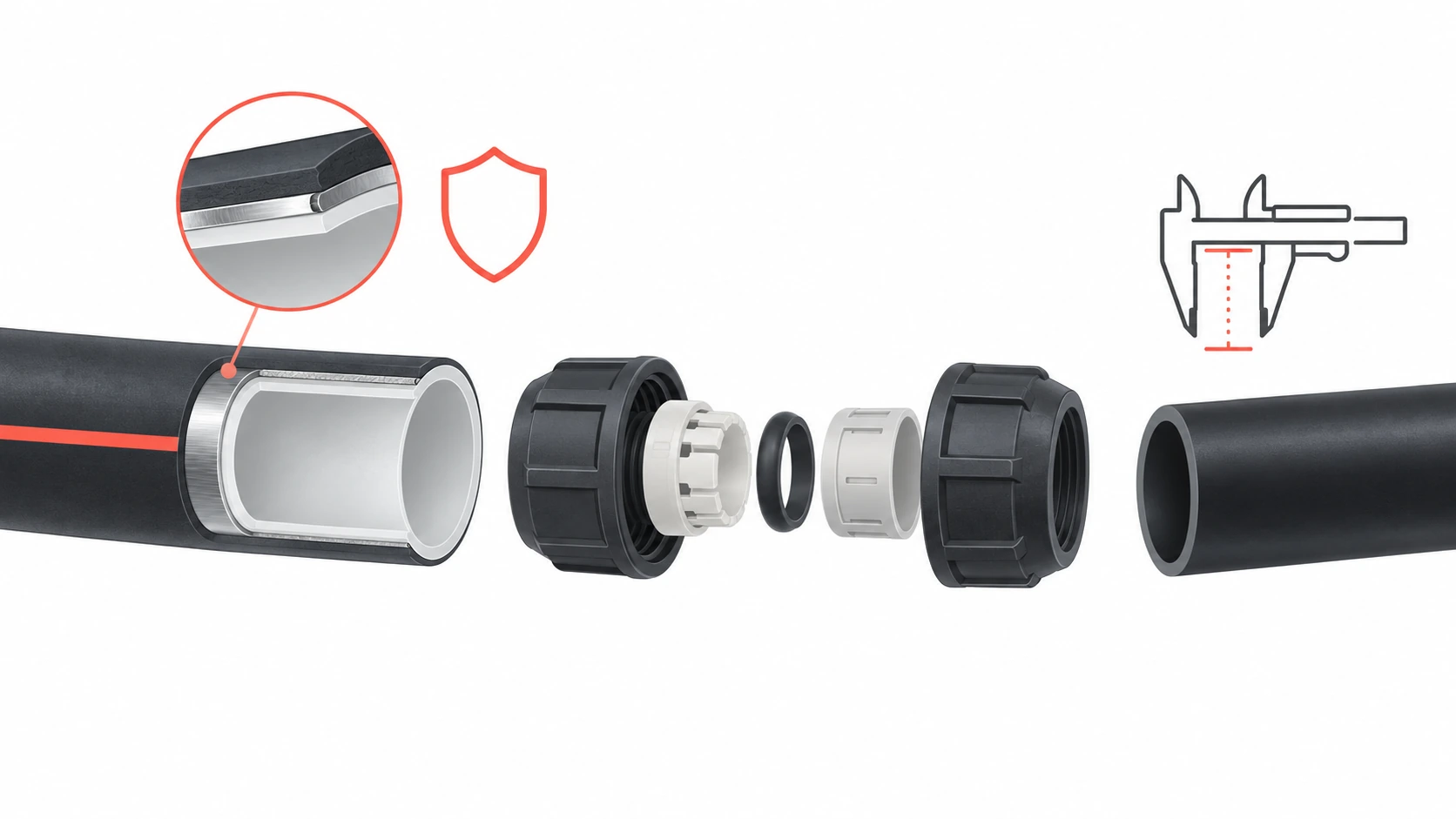
🔄 Fusion-Welded for Seamless Joints
HDPE gas systems use heat fusion technology.
This process creates a joint as strong as the pipe itself.
No glue.
No gaskets.
No weak points.
This minimizes gas leaks and ensures long-term integrity.
🌱 Environmentally Responsible
HDPE is non-toxic and recyclable.
It does not contaminate soil or water.
And its lightweight nature reduces emissions during transport and installation.
It’s the sustainable choice for modern gas infrastructure.
🏭 Trusted by Global Infrastructure Projects
Cities, municipalities, and contractors around the world use HDPE gas pipe systems for:
- Urban gas grids
- Rural pipeline extensions
- Industrial gas transport
- Utility modernization
They rely on consistency, compliance, and performance.
💼 Why Source from ifanpro?
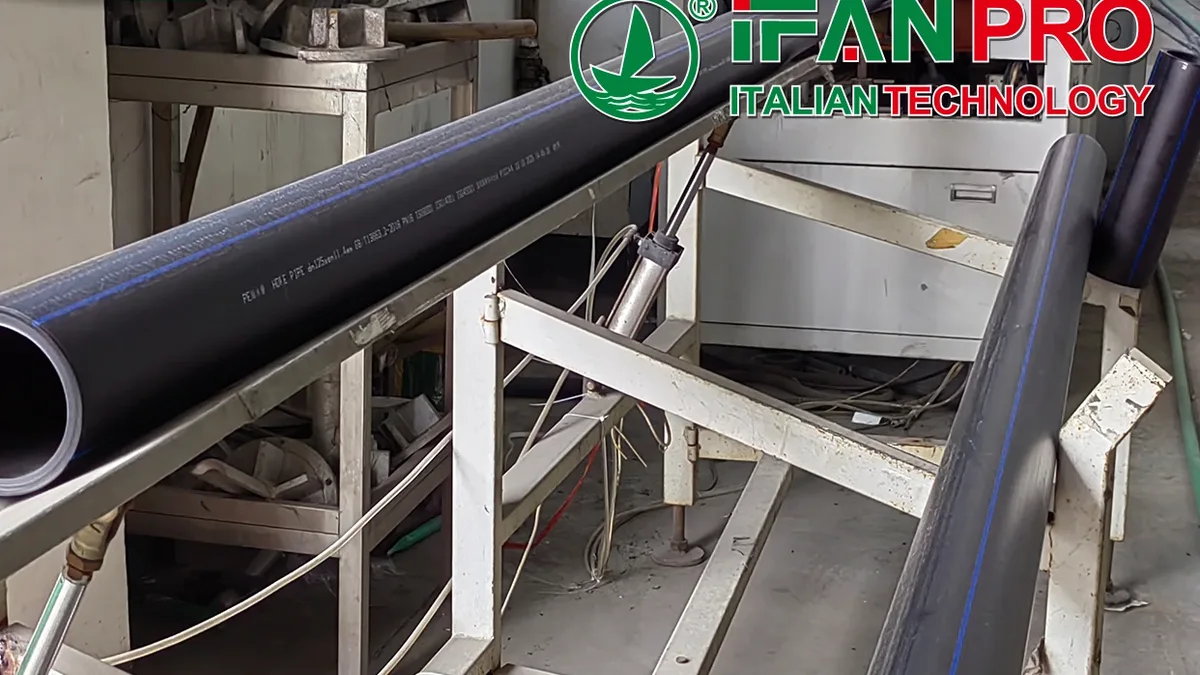
At ifanpro, we manufacture HDPE gas pipes for global wholesale clients.
Here’s what you get:
- PE80 & PE100 material grades
- ISO4437 and EN1555 compliance
- OEM branding and size customization
- Fast shipping and bulk order support
- Decades of experience in plastic piping solutions
From gas pipe to full system fittings, we deliver factory-direct quality and pricing.
🧩 Available in a Full Range of Sizes
We offer HDPE gas pipes from:
- 20mm to 630mm
- PN4 to PN20 pressure ratings
- SDR11 and SDR17 options
Need help choosing the right spec? Our team provides free technical consultation.
✅ Conclusion
HDPE gas pipes are the future of safe, cost-effective, and sustainable gas infrastructure.
They’re durable. Lightweight. Leak-proof. And easy to install.
Whether you’re building a new network or upgrading an old one, ifanpro can supply the materials you need—customized, certified, and delivered globally.
📞 Contact us today at ifanpro.com to request a quote or get technical data.










 English
  Français
  Русский
  Español
Recent Comments