
1. Introduction
For B2B customers in the water supply and construction industries, selecting the right PPR pipe for drinking water systems is critical for safety, compliance, and long-term performance. This guide explores the key factors to consider, supported by technical data and real-world applications.
2. Key Requirements for Drinking Water Pipes
2.1 Material Safety
- Chemical Inertness: Non-reactive with chlorine, fluoride, and heavy metals
- Leaching Limits: TDS <0.1mg/L (WHO guideline: 500mg/L)
- Microbiological Resistance: ASTM G22 anti-microbial certification
2.2 Durability
- Temperature Range: 0°C to 95°C continuous use
- Pressure Ratings: PN10-PN25 for municipal systems
- Lifespan: 50+ years with proper installation
2.3 Compliance
- NSF/ANSI 61 (USA): Drinking water component safety
- EN 12201 (Europe): Material stability for 50 years
- WRAS (UK): System performance and safety
- KTW (Germany): Chemical migration limits
3. PPR Pipe Features for Drinking Water
3.1 Molecular Structure
- Random copolymerization of propylene and ethylene
- Non-polar matrix prevents chemical reactions
3.2 Welding Technology
- Hot-melt welding creates seamless, leak-free joints
- ISO 21307 certified welding procedures
3.3 UV Resistance
- Black PPR pipes with carbon black stabilizers
- Outdoor lifespan up to 15 years
4. Selection Criteria
4.1 Certification Compliance
- Look for NSF 61, EN 12201, and WRAS certifications
- Verify third-party testing by SGS or TÜV
4.2 Pipe Dimensions
- DN16-DN160 diameters for different applications
- Standard wall thicknesses (SDR 11, SDR 17.6)
4.3 Installation Method
- Welded joints for permanent systems
- Push-fit options for temporary installations
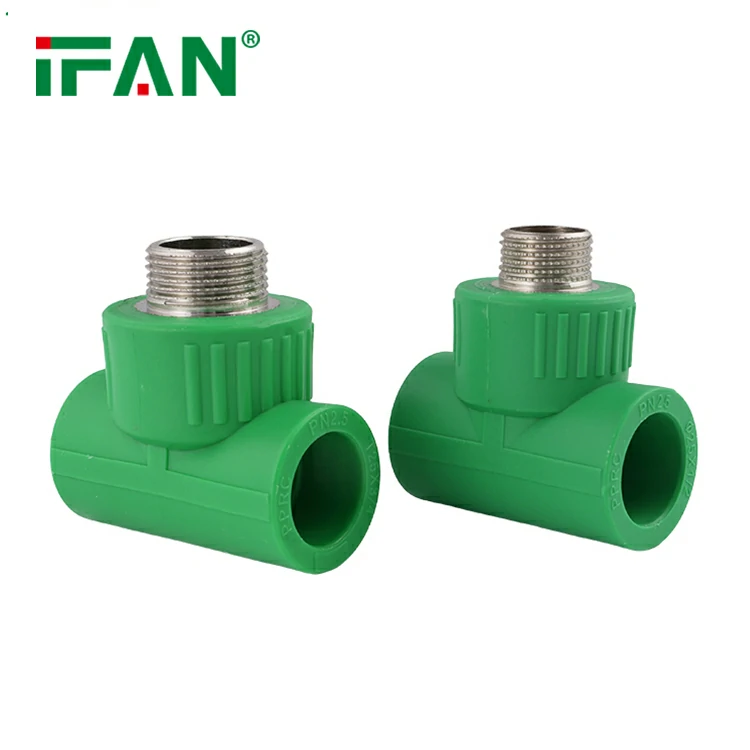
5. Yifan Pipeline’s Drinking Water Solutions
As a leading manufacturer, we offer:
- Premium PPR Pipes: NSF 61, EN 12201, and WRAS certified
- Custom Sizing: DN16-DN160 with ±0.1mm precision
- Anti-Scale Coatings: Reduces maintenance by 40%
- Technical Support: Free hydraulic calculations and design assistance
6. Case Studies
6.1 US Municipal Project
- Challenge: Lead pipe replacement in a city
- Solution: DN20 PPR pipes with NSF 61 certification
- Result: 100% compliance with EPA drinking water standards
6.2 UK Housing Association
- Requirement: Cost-effective drinking water system
- Product: DN25 PPR pipes with WRAS approval
- Outcome: 25% cost savings vs. copper alternatives
6.3 German Water Utility
- Application: Chlorinated water distribution
- Customization: Special copolymer formulation
- Compliance: Passed KTW and EN 12201-2 tests
7. FAQs
Q: Are PPR pipes safe for drinking water?
A: Yes, they meet strict international standards for material safety.
Q: Can PPR pipes handle high pressure?
A: Yes, our PN25-rated pipes are suitable for municipal systems.
Q: Do PPR pipes affect water taste?
A: No, PPR is tasteless and odorless, maintaining water purity.
8. Conclusion
The best PPR pipe for drinking water systems combines safety, durability, and compliance. [Yifan Pipeline] provides fully certified solutions for your projects. Visit ifanultra.com to explore our drinking water pipes or request a free compliance report.










 English
  Français
  Русский
  Español
Recent Comments