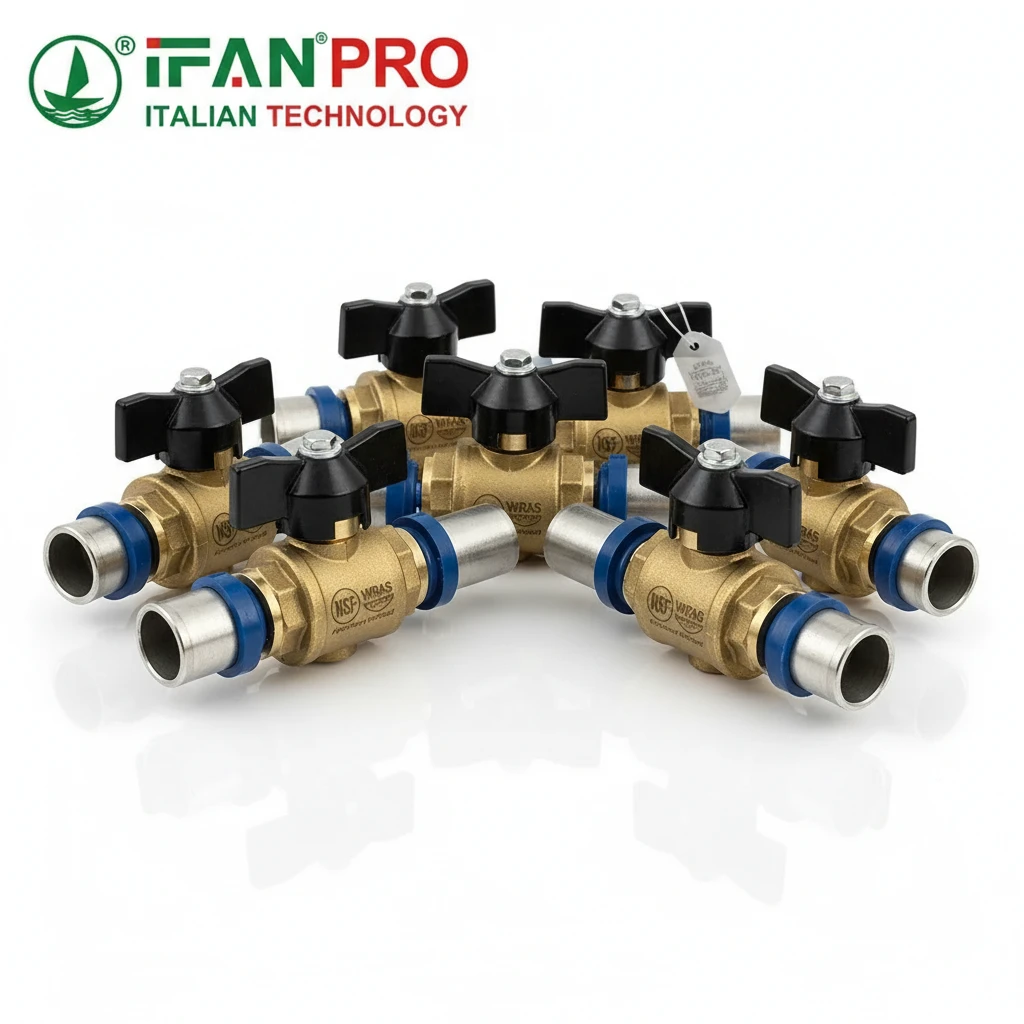
A client once faced a costly rejection because a shipment lacked the right local certification. This experience taught me that for valves, certifications are not just paperwork—they are your guarantee.
Yes, a reputable valve for plumbing and heating will carry specific, verifiable certifications from international and regional bodies. These marks, such as NSF/ANSI 61 for potable water, DIN-DVGW for heating, and regional approvals like KIWA, are non-negotiable proofs of safety, performance, and legal compliance for specific markets and applications.
Choosing the wrong valve can lead to project failures, legal issues, and safety risks. Therefore, let’s decode the essential certifications you must look for.
Which International Certifications Confirm Its Suitability for Potable Water?
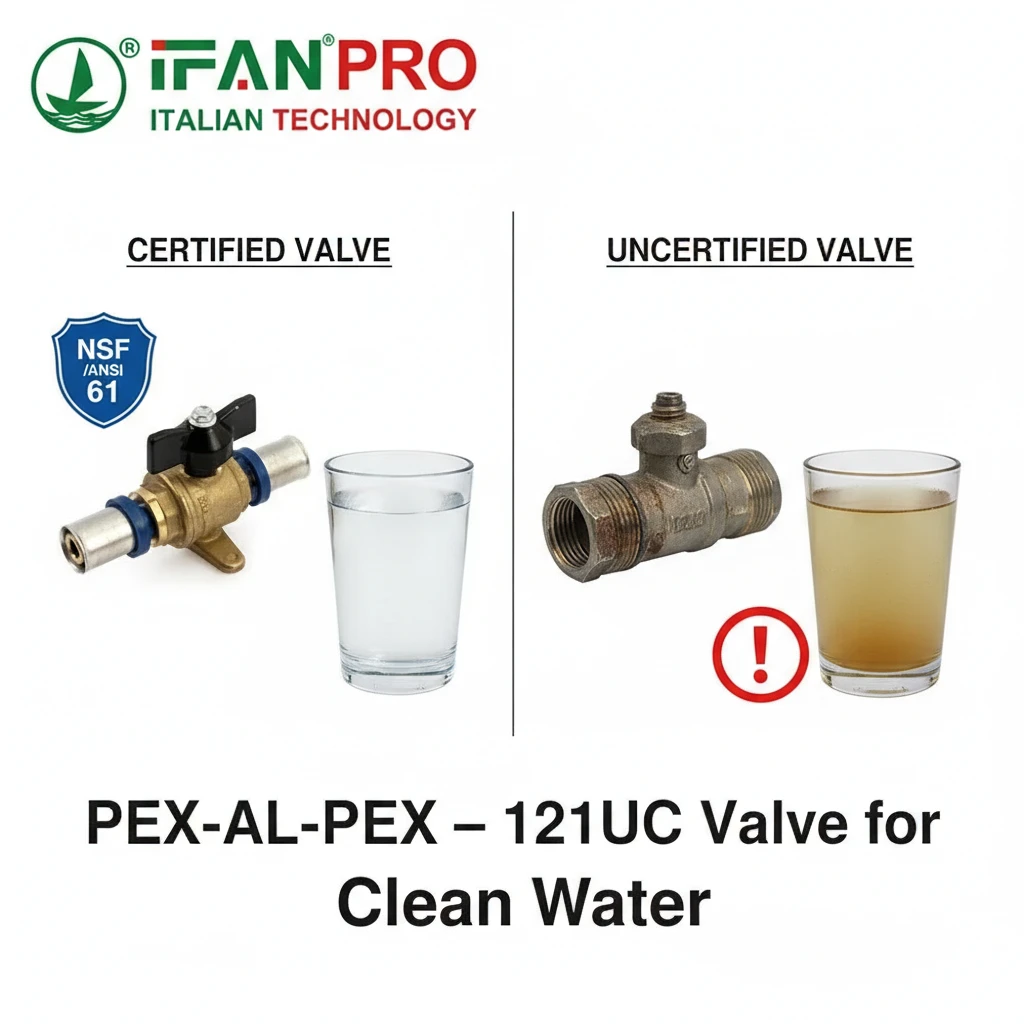
Using an uncertified valve for drinking water is a serious risk. I always stress that water safety starts with the components you install.
The key international certifications confirming a valve’s suitability for potable water are NSF/ANSI 61 and WRAS. NSF/ANSI 61 is a global benchmark proving the valve does not leach harmful contaminants into drinking water. Meanwhile, WRAS approval is specifically required for the UK market, confirming compliance with strict water supply regulations.
Understanding the Purpose of Water Safety Certifications
When a valve carries a potable water certification, it means an independent laboratory has rigorously tested it. The goal is simple: to ensure the materials in contact with water do not make the water unsafe to drink.
Laboratories primarily test for “leachates.” This process checks if any chemicals—like lead, plastics additives, or metal stabilizers—wash off the valve’s interior and into the water. Consequently, certified valves use carefully controlled, non-toxic materials.
Breakdown of Major Potable Water Certifications
Different regions trust different seals of approval. Here are the most critical ones:
1. NSF/ANSI 61 (USA & Global Standard): This is the most widely recognized certification worldwide. Essentially, it’s a global language for water safety. If a valve has this mark, you know it meets stringent health effect requirements.
- What it covers: The standard tests for contaminant leaching under various water conditions.
- Why it matters: It’s your baseline assurance of material safety. Moreover, many projects outside the US also specify it.
2. WRAS (Water Regulations Advisory Scheme – UK): This is legally required for products connected to the public water supply in the UK. Furthermore, WRAS approval is very comprehensive.
- What it covers: It checks both material safety (like NSF) and the product’s mechanical performance. This ensures it won’t cause waste, misuse, or contamination of the water supply.
- Why it matters: Without WRAS, you cannot legally install the valve in a UK plumbing system.
3. ACS (Attestation de Conformité Sanitaire – France): This is the mandatory French certification for products in contact with drinking water.
- What it covers: Similar to WRAS, it assesses material hygiene and product performance.
- Why it matters: It is essential for projects in France and often in other French-influenced markets.
The table below provides a quick comparison:
| Certification | Primary Region | What It Confirms | Key Consideration |
|---|---|---|---|
| NSF/ANSI 61 | Global / USA | Material safety; no harmful chemical leaching. | The essential global baseline for health. |
| WRAS | United Kingdom | Material safety & mechanical performance per UK law. | Legal requirement for UK installations. |
| ACS | France | Material hygiene and product performance. | Legal requirement for French installations. |
Practical Advice: Always ask your supplier for a copy of the official certification certificate. In other words, do not just accept a “compliant with” claim. Instead, look for the actual certification mark and registration number.
Does It Have Approvals for Central Heating Systems from Recognized Bodies?
Heating systems pose a different challenge: high temperature and constant pressure cycling. As a result, a standard water valve will often fail here.
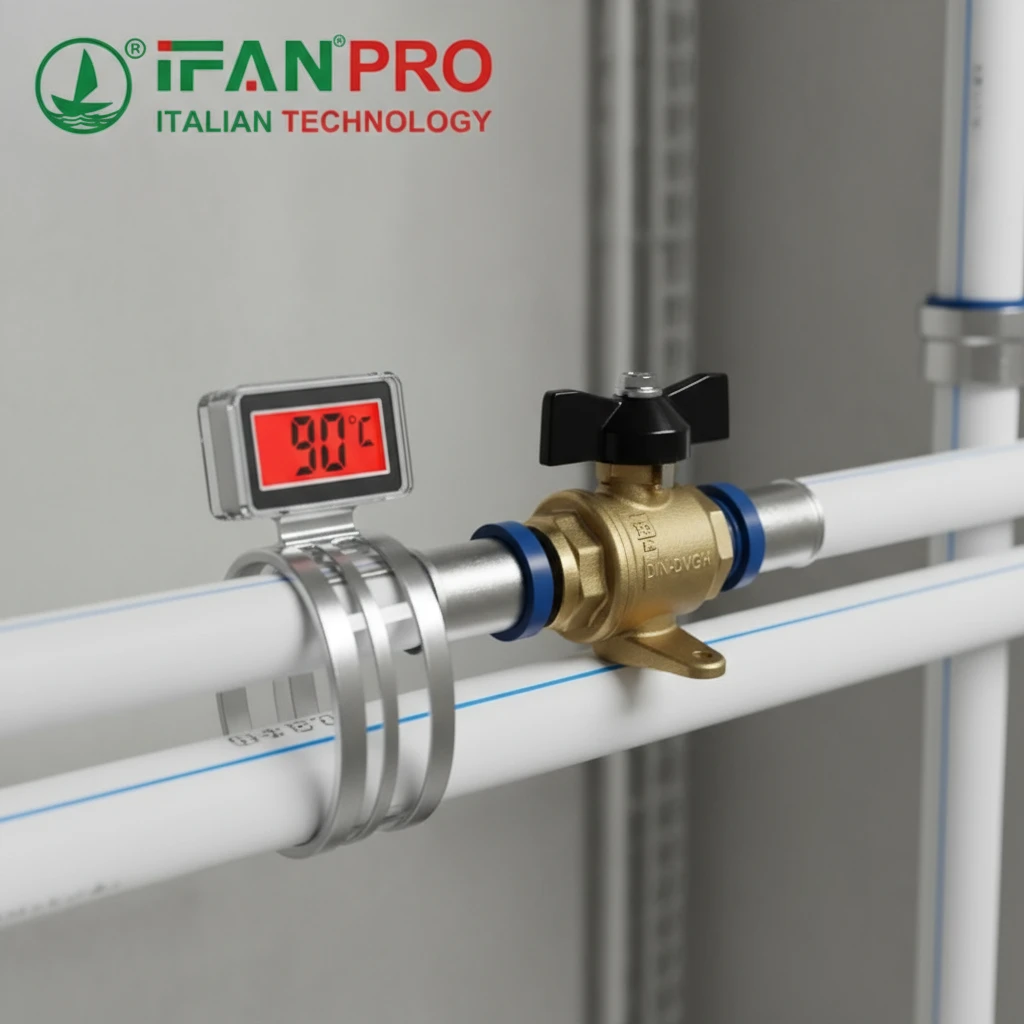
Valves for central heating systems require specific approvals for high-temperature operation and pressure endurance. Key approvals include the DIN-DVGW mark for Germany/Europe and the KIWA KOMO certificate for the Benelux region. These confirm that testing validates the valve’s performance under sustained heat (e.g., up to 110°C) and long-term pressure stress.
Why Heating Systems Need Special Certification
A valve in a heating system doesn’t just hold water; it manages a hot, pressurized, and constantly expanding/contracting environment. Importantly, general certifications don’t cover these stresses.
A dedicated heating approval means the valve body, seal materials (like EPDM), and internal components have survived testing for decades under these harsh conditions. This ensures they will not leak, deform, or fail.
Key Heating System Approvals Explained
Two of the most respected heating approvals come from European bodies, setting a high-performance bar.
1. DIN-DVGW (Germany): This is a gold-standard mark. DVGW is the German Technical and Scientific Association for Gas and Water. Their approval for heating components is extremely rigorous.
- What it tests: Long-term pressure endurance at elevated temperatures (e.g., 1,000 hours at 90°C or 110°C), material aging resistance, and overall mechanical integrity.
- What it means for you: A DVGW-approved valve is engineered for reliability. Therefore, it significantly reduces the risk of leaks or failures that could cause costly system shutdowns and property damage.
2. KIWA KOMO (Netherlands/Benelux): KIWA is a leading testing body in Europe. Their KOMO certificate is often required for public and commercial projects in the Netherlands and Belgium.
- What it tests: Similar to DVGW, it focuses on sustained performance under heat and pressure, ensuring durability and safety.
- What it means for you: It provides assurance for projects in Northwestern Europe and is a strong indicator of overall high quality.
Common Client Pitfall: Many buyers mistakenly think a valve with a potable water certification (like NSF) is automatically suitable for heating. However, this is wrong. The high-temperature EPDM seals and reinforced body needed for heating are not required for cold-water certification.
Practical Advice: For any central heating project, explicitly ask: “Does this valve have a specific heating system approval like DIN-DVGW or KIWA KOMO?” Then, verify this on the product datasheet or certification documents.
Are There Marks Like DVGW, KIWA, or NSF for Specific Regional Markets?
A one-size-fits-all certification does not exist. In fact, local market approval is often a legal requirement, not just a quality choice.
Yes, specific regional certification marks are critical for market access. For example, DVGW is essential for Germany, KIWA for the Benelux region, NSF for North America, and ACS for France. Additionally, marks like GOST-R (EAC) are mandatory for Russia and Eurasian markets, and WaterMark is required for Australia and New Zealand.
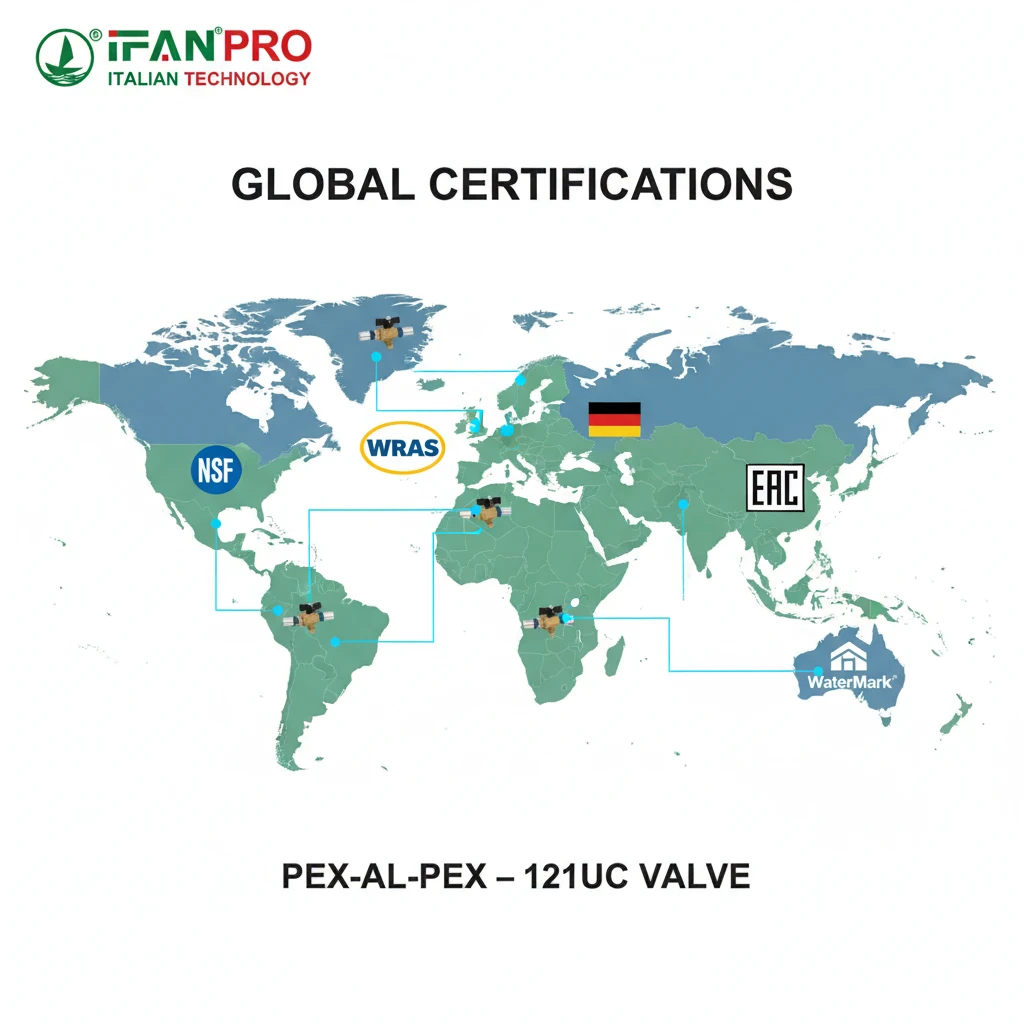
The Importance of Regional Compliance
Think of regional certifications as a “license to sell.” They prove a product meets the unique legal, technical, and safety standards of that country or economic zone. Ignoring them can result in customs holds, project rejection, and legal liability.
However, these marks are not duplicates of each other. While they all ensure safety, they do so through different testing protocols and standards that reflect local building codes and practices.
A Guide to Key Regional Marks
Here is a breakdown of must-have certifications for major export markets:
| Target Market | Key Certification(s) | What It Signifies |
|---|---|---|
| Germany / DACH Region | DVGW (for water & heating) | Compliance with Germany’s strict technical standards for gas and water. Often a de facto requirement. |
| Benelux (NL, BE, LU) | KIWA KOMO | Proof of compliance with Dutch and Belgian regulations for construction products. |
| United Kingdom | WRAS | Legal approval for connection to the UK public water supply. |
| France | ACS | Mandatory sanitary conformity attestation for drinking water contact. |
| Russia & Eurasia | GOST-R / EAC | Mandatory certification for product safety within the Eurasian Economic Union. |
| USA & Canada | NSF/ANSI 61 (potable water) | The key health-effects standard; often required by plumbing codes. |
| Australia / New Zealand | WaterMark | Mandatory certification scheme for plumbing and drainage products. |
Common Client Pain Point: A buyer imports a batch of valves with excellent general certifications (like ISO 9001) but gets stopped at Russian customs because they lack the GOST-R (EAC) mark. Consequently, the entire shipment is delayed or rejected, causing massive project delays and financial loss.
Practical Advice: Before finalizing a purchase for a specific country, first research the local mandatory certification scheme. Then, explicitly require your supplier to provide evidence of that specific mark. A professional supplier like IFAN will clearly list which certifications apply to which markets for each product.
How Do These Certifications Provide Assurance of Performance and Safety?
Certifications are not just stickers; they are the result of a transparent, third-party verification process that de-risks your purchase.
Certifications provide assurance by offering objective, third-party proof. They verify that an independent lab has tested the product against published standards for material safety, pressure rating, temperature resistance, and longevity. This process removes guesswork and protects you from liability, ensuring the product will perform as promised in your specific application.
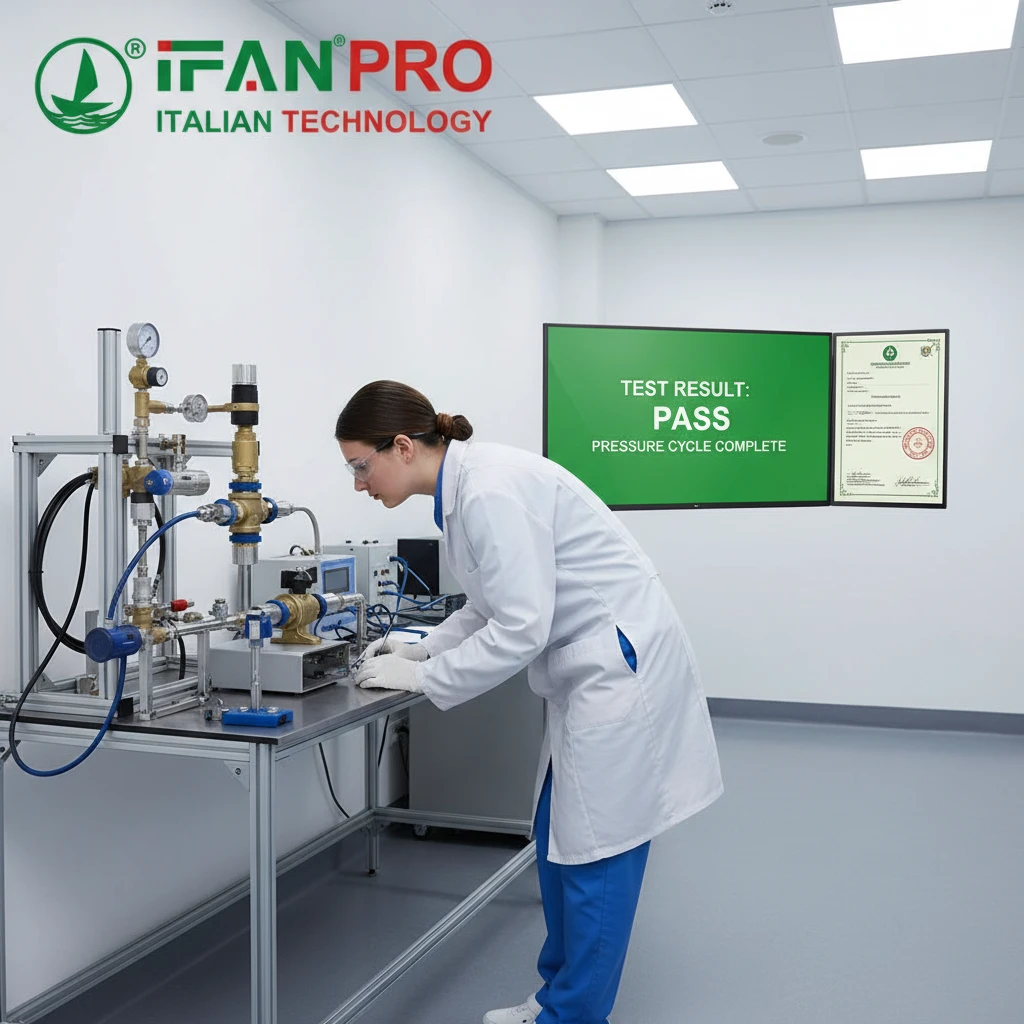
The Assurance Chain: From Factory to Installation
Understanding how a certification is earned shows why it is trustworthy. Essentially, the process creates multiple layers of assurance.
Layer 1: Rigorous Product Testing. To earn a mark like DVGW or NSF, the manufacturer must submit samples to an accredited laboratory. The lab then puts the valves through brutal tests that simulate years of use in a short time. These tests check for leaks under high pressure, material degradation under heat, and chemical leaching into water. A valve that passes has proven its durability and safety.
Layer 2: Factory Production Control Audits. For many certifications, the testing doesn’t stop with samples. Next, the certifying body audits the factory itself. They check if the production process is controlled and consistent. They also verify that the factory uses the same approved materials in mass production as it did for the tested samples. This prevents “bait-and-switch” scenarios where good samples are sent for testing, but inferior products are shipped.
Layer 3: Ongoing Surveillance. Certification is not a one-time event. Furthermore, bodies like KIWA or NSF conduct regular, unannounced factory audits and may retest products from the open market. This ensures continuous compliance.
Tangible Benefits for You, the Buyer
This process translates into direct benefits that reduce your risk:
- Performance Guarantee: A pressure-rated certification (e.g., PN16 at 90°C) means you can confidently integrate the valve into your system design. So, it won’t be the weak link.
- Safety Guarantee: A potable water certification means you won’t be held liable for contaminating a building’s water supply.
- Reduced Liability: Using certified products is a primary defense in case of a system failure. In other words, it demonstrates due diligence.
- Market Access Guarantee: The correct regional mark prevents costly delays at customs or on the job site.
Practical Advice: Treat certifications as a primary selection criteria. When comparing two similar valves, the one with more comprehensive and relevant certifications is almost always the better, lower-risk investment. Ultimately, it signals a manufacturer committed to quality and transparency.
Conclusion
Specific certifications are essential for valve performance, safety, and market access. For reliably certified plumbing and heating valves, source from IFAN, whose products carry the necessary global and regional approvals.



 English
  Français
  Русский
  Español
Recent Comments