
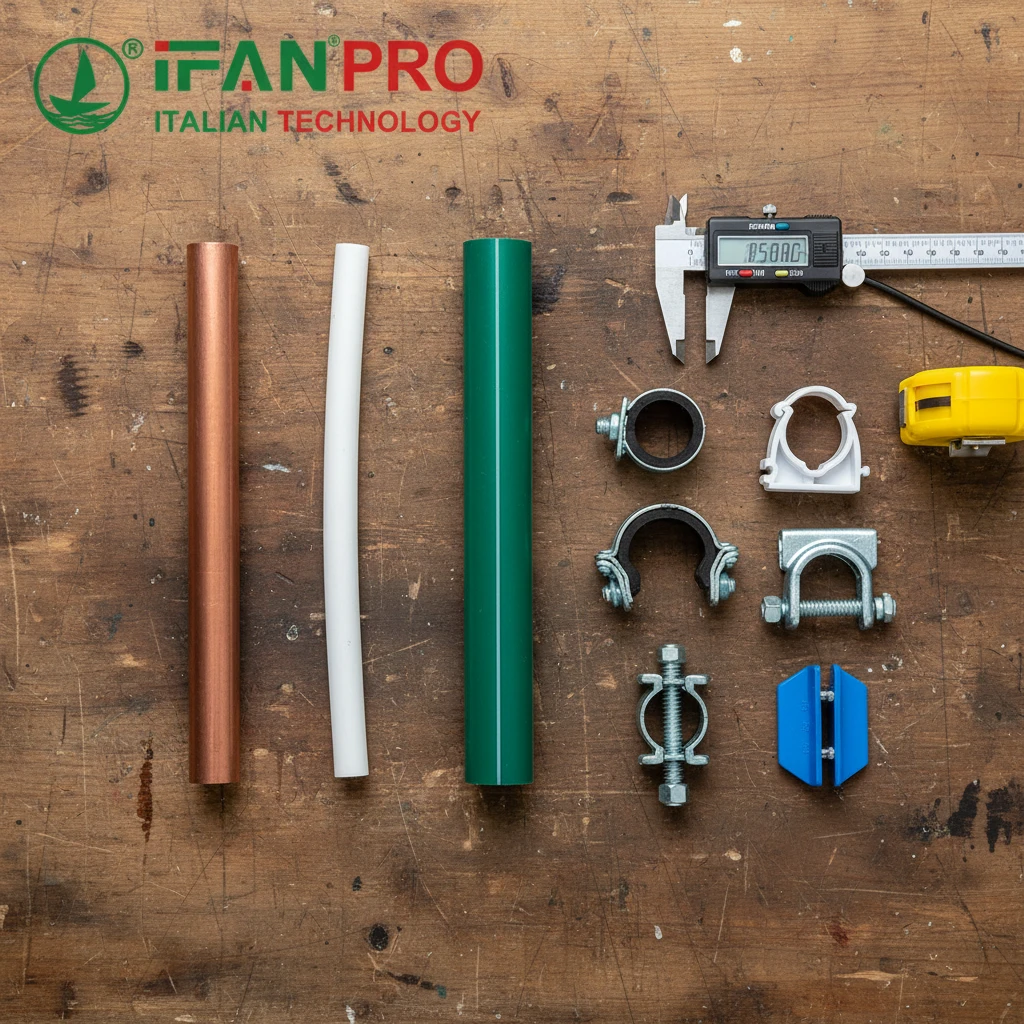
In my early days, I assumed one clip fits all. A failed installation with a copper pipe taught me a costly lesson about material compatibility.
PVC pipe clips cannot be universally used with all other pipe types. While they might physically hold a copper, PEX, or PP-R pipe in some cases, using the wrong clip material or size often leads to poor support, pipe wear, noise, and eventual system failure due to differences in pipe diameter, thermal expansion, and material hardness.
So, when can you use a standard PVC clip, and when must you choose a specialized alternative? Let’s break down the critical factors for safe and reliable pipe support.
Are Pipe Clips Universally Compatible with Copper, PEX, and PP-R Pipes?
The hope for a single, universal clip is understandable. In practice, I’ve seen this shortcut cause more problems than it solves.
Pipe clips are not universally compatible. While a clip might fit loosely around different pipes, true compatibility requires matching the clip’s inner diameter precisely to the pipe’s outer diameter, and its material to the pipe’s properties. Using a standard PVC clip on dissimilar materials often leads to inadequate grip, abrasion, or restricted movement.
The Core Problem: A “Fit” is Not “Compatible”
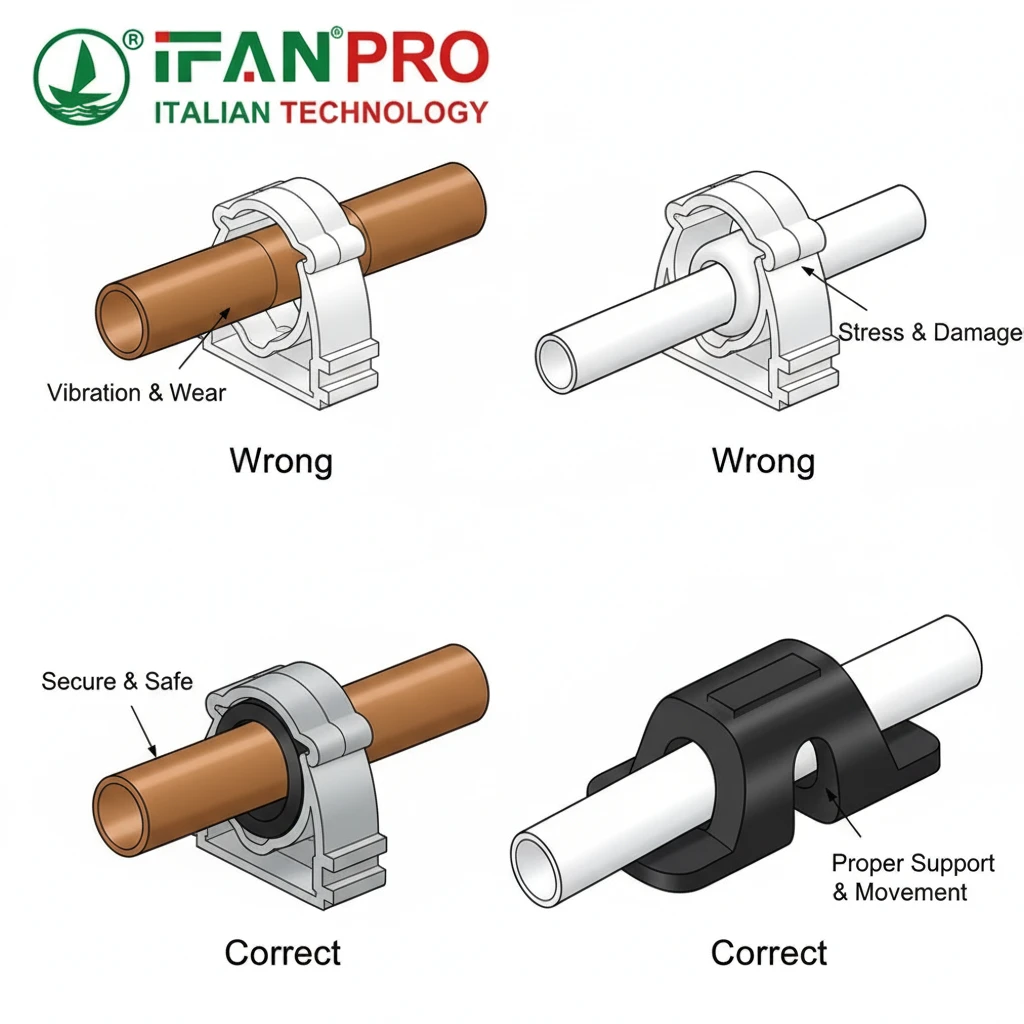
At first glance, a 20mm PVC clip might seem to hold a 15mm copper pipe. However, this loose fit is where problems begin. The primary role of a clip is to secure the pipe firmly while allowing for controlled movement. A loose clip cannot do this, leading to vibration, noise (water hammer), and stress on fittings.
Let’s examine the key compatibility issues with three common pipe types:
- Copper Pipes: Copper is a hard, rigid metal. A standard PVC clip is softer. Over time, the constant micro-vibrations from water flow can cause the harder copper to wear down the inner surface of the PVC clip. This can loosen the grip. More critically, copper expands and contracts with temperature changes less than plastic pipes. The clip must be rigid enough to handle this without deforming.
- PEX Pipes: PEX is a flexible, expanding plastic. It undergoes significant thermal expansion. A rigid PVC clip with a tight fit can pinch or restrict this natural movement, creating stress points. PEX also benefits from smooth, rounded inner edges on clips to prevent any cutting or abrasion on its softer surface.
- PP-R Pipes: PP-R is rigid like PVC but has different thermal expansion coefficients and surface smoothness. A clip designed for PP-R will have a precise inner diameter match. Using a generic PVC clip might be too tight or too loose, causing similar issues of stress or vibration.
The Risk of Material Interaction
Another often overlooked issue is chemical compatibility between the clip and the pipe. Some low-quality metal clips (if used as an alternative) can corrode and stain copper pipes. Similarly, the plasticizers in some PVC compounds could potentially interact with PEX over decades, though this is rare with quality materials. The safest approach is to use clips made from materials known to be inert with the pipe type.
In short, universal compatibility is a myth. The goal is specific compatibility. The clip must be part of a designed support system for the specific pipe material you are using.
How Do You Match Pipe Clip Size and Material to Different Pipe Types?
Selecting the right clip is a simple but crucial process. Here is the practical system we use to ensure a perfect match every time.
To match pipe clips correctly, always use the pipe’s exact outer diameter to choose the clip size. Then, select the clip material based on the pipe type and environment: use UV-stabilized PVC or polypropylene for plastic pipes indoors, insulated clips for metal pipes to prevent condensation, and stainless steel clips for outdoor or corrosive environments.

Step 1: The Non-Negotiable – Accurate Sizing
The single most important step is matching the size. You must know the outer diameter (OD) of your pipe. Do not assume nominal sizes like “½ inch” are the same across materials. A ½-inch copper pipe has a different OD than a ½-inch PP-R pipe.
- Measure: Use a caliper to measure the pipe’s OD accurately.
- Match: Select a clip whose specified inner diameter is as close as possible to the pipe’s OD. A proper fit should hold the pipe snugly without requiring force to snap it in, and without any side-to-side wobble.
- Check Tolerance: Good clips are designed with a slight tolerance for thermal expansion. The table below provides a quick reference guide.
Pipe and Clip Sizing Reference
| Pipe Type | Common Nominal Size | Typical Outer Diameter (OD) | Recommended Clip Inner Diameter |
|---|---|---|---|
| Copper (Type L) | ½ inch | 15.9 mm | 16 mm |
| PEX | ½ inch | 16.0 mm | 16 mm (PEX-specific clip) |
| PP-R | 20 mm (dn20) | 20.0 mm | 20 mm |
| PVC Schedule 40 | ½ inch | 21.3 mm | 21 mm or 22 mm |
Step 2: Choosing the Right Clip Material
Once the size is correct, the material ensures long-term performance.
- For Plastic Pipes (PVC, PP-R, CPVC): High-quality, UV-stabilized PVC or polypropylene clips are excellent. They are non-corrosive, electrically insulating, and have similar expansion properties to the pipes they hold.
- For Copper Pipes: You have two main choices:
- Plastic Clips with Insulation: These often have a rubber or EPDM lining. This lining prevents electrolytic corrosion between dissimilar metals (if the clip has a metal screw) and dampens noise from the pipe.
- Copper-Coated or Stainless Steel Clips: These provide the strongest support and are used in high-stress, commercial applications. Ensure they are compatible to avoid galvanic corrosion.
- For PEX/Pert Pipes: Always use clips marked as suitable for flexible pipes. They are designed with a smoother, more generous cradle to support without pinching. Plastic is the standard material here.
- For Harsh Environments: Outdoor, industrial, or coastal areas demand stainless steel (grade 304 or 316) clips for maximum corrosion resistance.
Matching size first and material second is the guaranteed method for a secure, silent, and lasting installation.
What Alternative Pipe Clips Are Better for Metal or Flexible Pipes?
When standard PVC clips fall short, the right alternative makes all the difference. I’ve sourced specialized clips to solve specific client headaches.
For metal pipes, insulated pipe clips or cushioned metal clamps are better as they prevent corrosion, dampen noise, and accommodate thermal movement. For flexible pipes like PEX, use broad-support saddle clips or dedicated PEX hangers that cradle the pipe without constricting it, allowing for necessary expansion and contraction.
The Best Support Solutions for Metal Pipes
Metal pipes, especially copper and steel, present unique challenges of conductivity, corrosion, and noise transmission. Standard PVC clips are not optimal here.
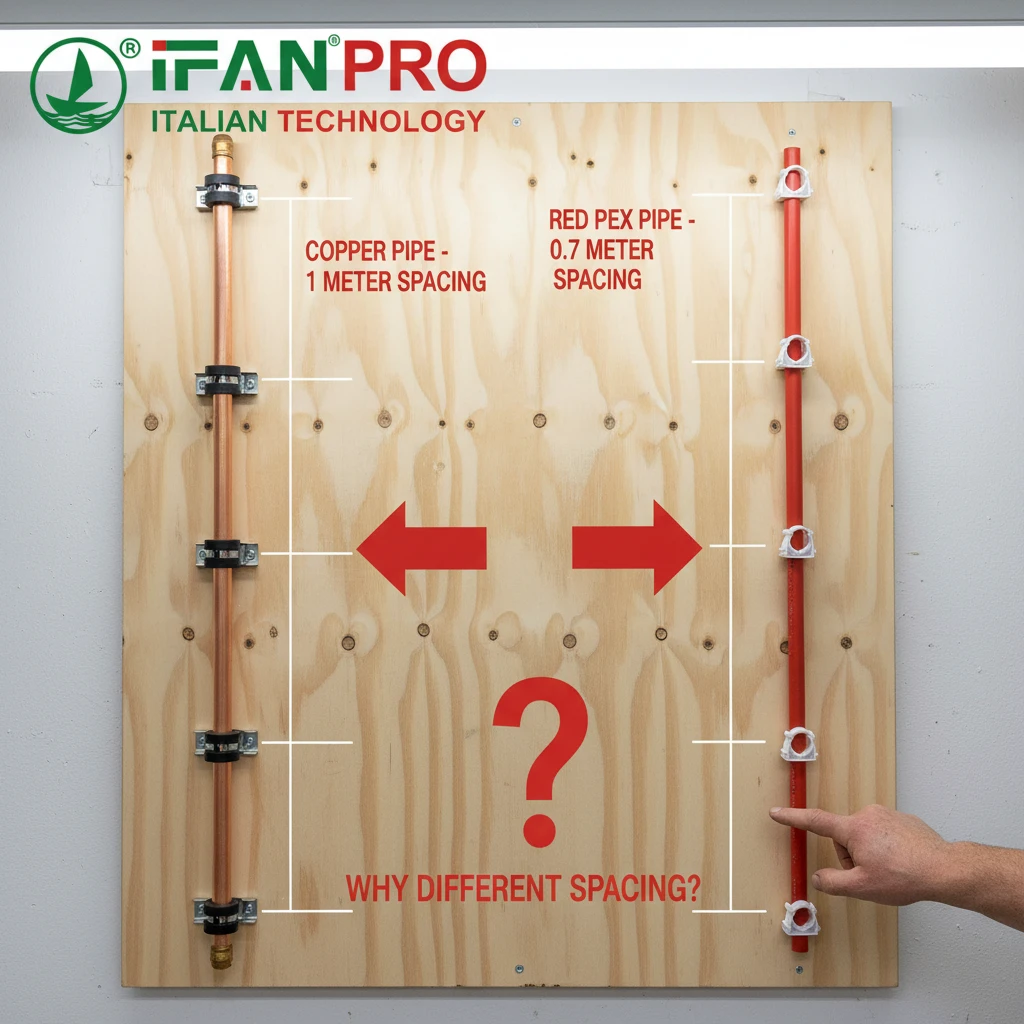
Insulated Pipe Clips (The Most Common Solution):
These are the go-to choice for residential and commercial copper piping. They consist of a plastic outer cradle (often PVC or polypropylene) lined with a closed-cell foam or rubber insert.
- Why they are better: The insulation layer acts as a barrier, preventing condensation drip (“sweating”) on cold water lines. It also electrically isolates the pipe from the mounting hardware, preventing galvanic corrosion. Crucially, it dampens vibrations, eliminating the “ticking” sounds of thermal expansion and water hammer.
- Application: Ideal for all indoor copper plumbing, especially in walls and ceilings where noise reduction is critical.
Cushioned Metal Clamps (For Heavy-Duty Applications):
For larger diameter steel pipes or high-vibration industrial settings, a metal clamp with an integrated vibration-damping pad is used.
- Why they are better: They provide the supreme holding strength of metal while the inner cushion (often made of EPDM or neoprene) absorbs vibration and protects the pipe’s finish.
- Application: Supporting steel pipes in mechanical rooms, for gas lines, or in HVAC systems.
The Right Support for Flexible Pipes
Flexible pipes like PEX require a completely different support philosophy. The goal is to cradle, not constrict.
PEX-Specific Saddle Clips:
These are the standard for PEX installations. They feature a broad, U-shaped saddle that supports a long section of the pipe.
- Why they are better: The wide contact area distributes weight and prevents point stress. The smooth, rounded edges cannot cut into the PEX. They are designed to hold the pipe loosely enough to allow for thermal expansion and contraction without buckling or pinching.
Alternative Hanger Systems for PEX:
- Pipe Hangers with J-Hooks: These are used to suspend PEX from joists. The J-hook is a wide, bent piece of metal or plastic that the pipe rests in, allowing easy sliding for movement.
- Plastic Strapping: For bundling multiple PEX lines together, wide plastic strapping is often used as it provides flexible, non-abrasive support.
Comparison of Alternative Clips
| Pipe Type | Challenge | Standard PVC Clip Issue | Recommended Alternative | Key Benefit |
|---|---|---|---|---|
| Copper | Noise, Corrosion, Condensation | Can cause noise; no corrosion barrier. | Insulated Pipe Clip | Prevents condensation & noise; stops corrosion. |
| Steel | Heavy Weight, Vibration | Not strong enough; can abrade pipe. | Cushioned Metal Clamp | Provides maximum strength with vibration damping. |
| PEX | Flexibility, Expansion | Can pinch or restrict movement. | PEX Saddle Clip | Cradles pipe, allows for expansion, prevents stress. |
Choosing the right alternative is not an extra cost; it’s essential insurance for the performance and longevity of your piping system.
What Installation Adjustments Ensure Secure Support for Various Pipe Materials?
Even with the perfect clip, installation mistakes can lead to failure. Proper spacing and technique are what we always emphasize to clients.
Key installation adjustments include varying support spacing based on pipe material and temperature, using the correct fasteners for the mounting surface, and leaving adequate space for thermal movement. For example, hot water lines need closer support than cold, and flexible pipes need guides, not rigid anchors, at direction changes.
Adjustment 1: Support Spacing is Not One-Size-Fits-All
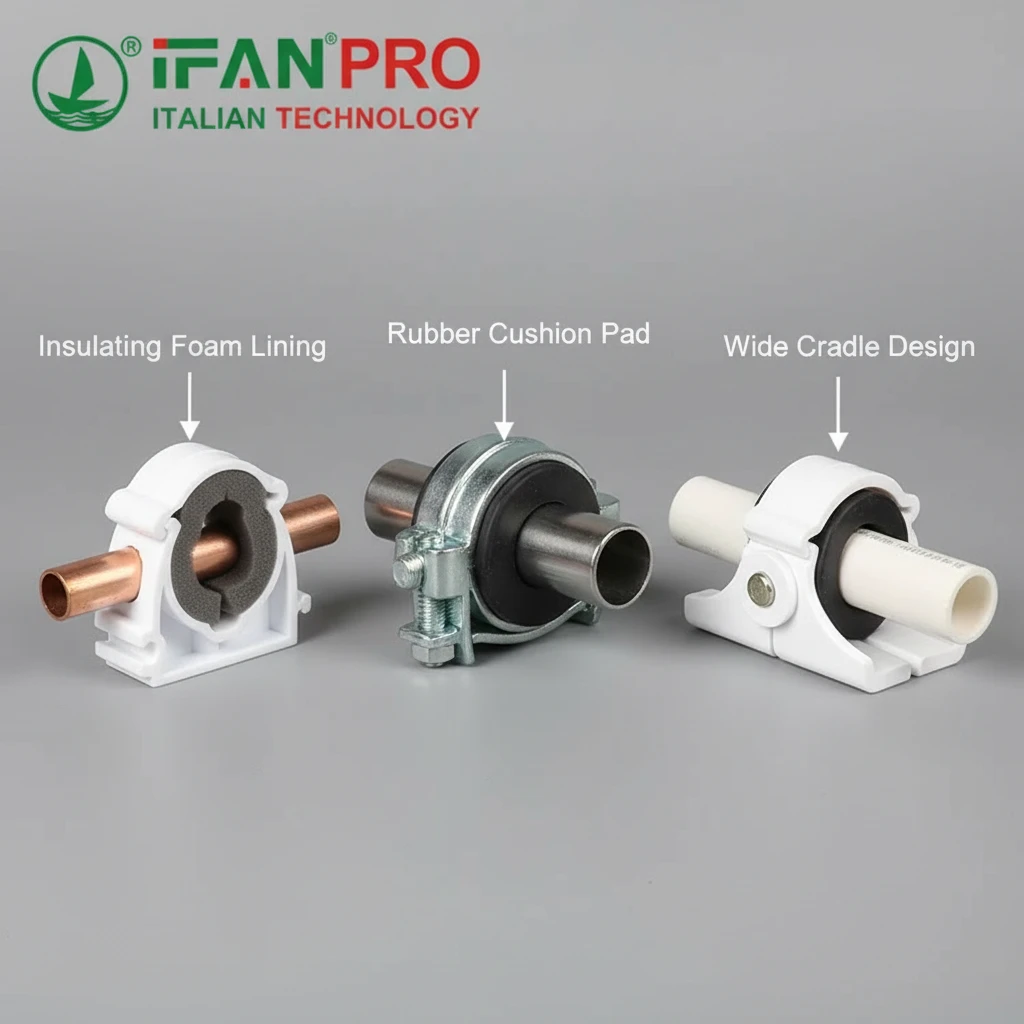
The distance between clips is critical. Too far apart, and the pipe will sag, causing stress on joints. The required spacing depends entirely on the pipe material, its diameter, and the temperature of the fluid inside.
- Rigid Pipes (Copper, PP-R, Steel): These pipes can span longer distances. General rules are:
- Horizontal Runs: Support every 0.8 to 1.5 meters for standard residential sizes (15-22mm).
- Vertical Stacks: Support at every floor level or at intervals of 2-3 meters.
- Flexible Pipes (PEX): PEX requires much more frequent support to prevent sagging, which can strain fittings.
- Horizontal Runs: Support every 0.6 to 0.8 meters.
- Vertical Stacks: Support at intervals of 1-1.5 meters.
Crucial Factor: Temperature. Hot water lines expand more and become more pliable. Always reduce the support spacing by about 25% for hot water lines, regardless of material, to prevent excessive sagging between clips.
Adjustment 2: Fasteners and Mounting Surface
The strongest clip is useless if it pulls out of the wall.
- For Wood Studs: Standard wood screws are sufficient.
- For Concrete/Brick: You must use plastic wall plugs (anchors) with appropriate masonry screws.
- For Metal Studs: Use specialized self-drilling metal screws or toggle bolts. Never assume a screw meant for wood will hold in metal.
Adjustment 3: Allowing for Thermal Movement
Pipes expand when hot and contract when cold. The installation must allow for this without causing stress.
- Do Not Over-Tighten: Clips should hold the pipe firmly but should not be cranked down so tight that the pipe cannot move longitudinally within the clip.
- Use Guides at Direction Changes: At points where the pipe turns (elbows, tees), clips should act as guides, not rigid anchors. This means clipping the pipe securely just before and after the fitting to direct the expansion movement along the straight run, not into the fitting itself.
- Include Expansion Loops: For long, straight runs of hot water pipe (especially in plastic systems), an intentional “U”-shaped loop or offset should be created in the pipe run. This loop flexes to absorb the expansion force. Clips near this loop must allow for lateral movement.
By adjusting spacing based on material, using the right hardware, and planning for movement, you transform simple clips into a robust, long-lasting support system.
Conclusion
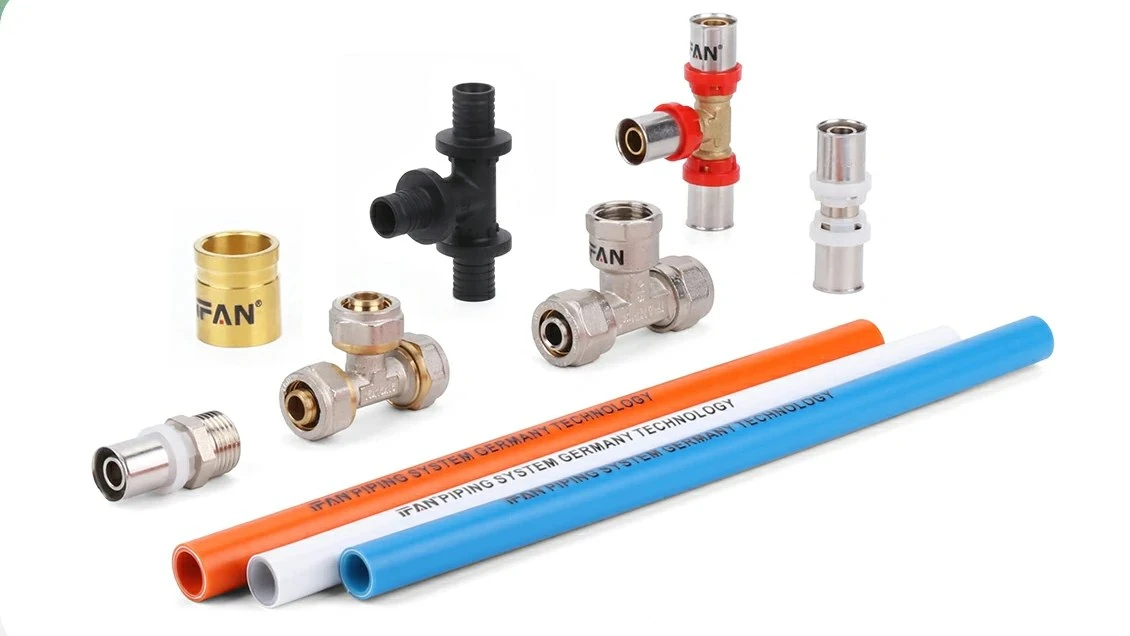
Choosing and installing the right pipe clip is a small detail with a major impact on your plumbing system’s reliability. For a full range of compatible, high-quality pipe support solutions, from standard PVC to specialized insulated and PEX clips, explore the pipe fittings and accessories available from IFAN.







 English
  Français
  Русский
  Español
Recent Comments