
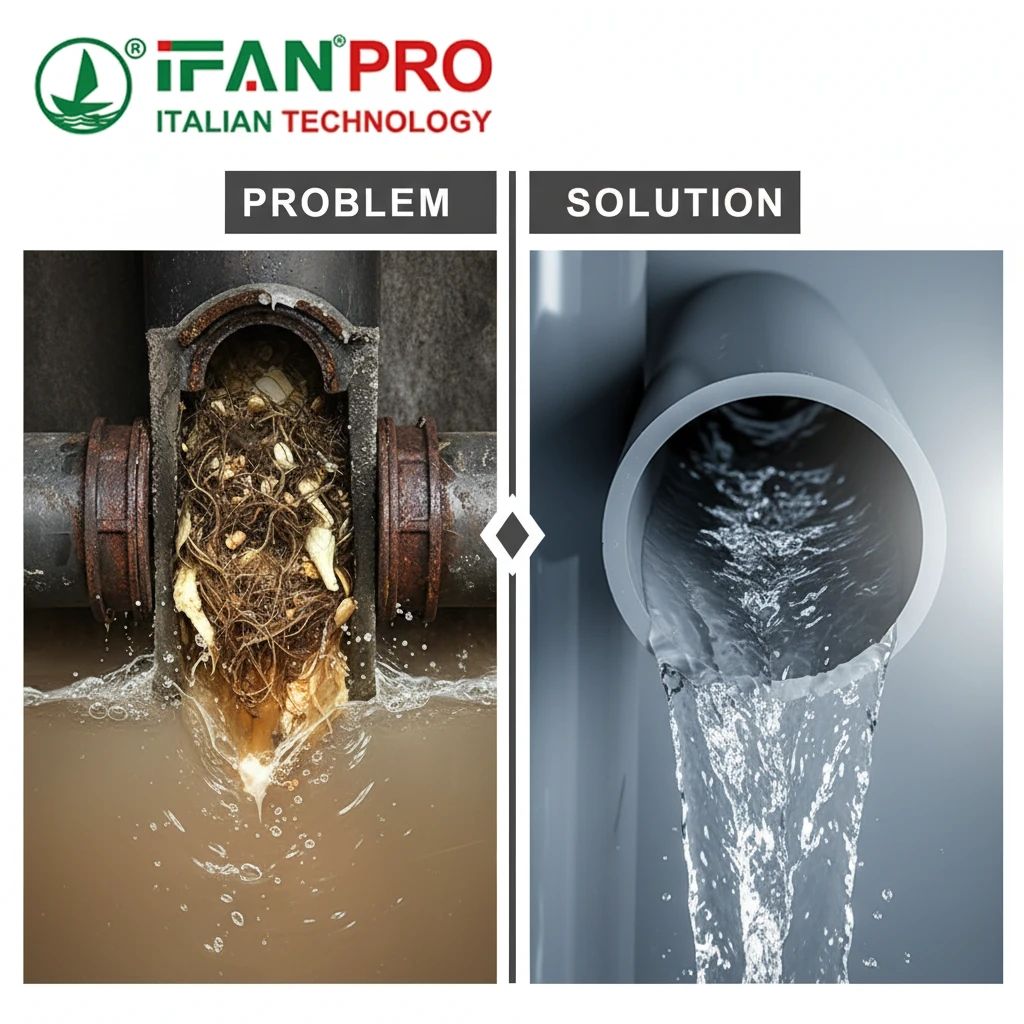
I’ve seen too many emergency calls for blocked drains where hair, grease, and debris have completely seized up old pipes. Because of this constant problem, modern builders now choose PVC.
PVC prevents clogging in drainage systems primarily through its extremely smooth inner wall, which offers little for waste to stick to, and its precise, consistent design that allows for optimal water flow and self-scouring action. When you combine these features with proper installation, it creates a reliable path for waste to exit without buildup.
Now, let’s break down exactly how the material, design, and installation of PVC work together to keep drains flowing freely.
How Does the Smooth Inner Wall of PVC Pipes Prevent Waste Buildup and Clogging?
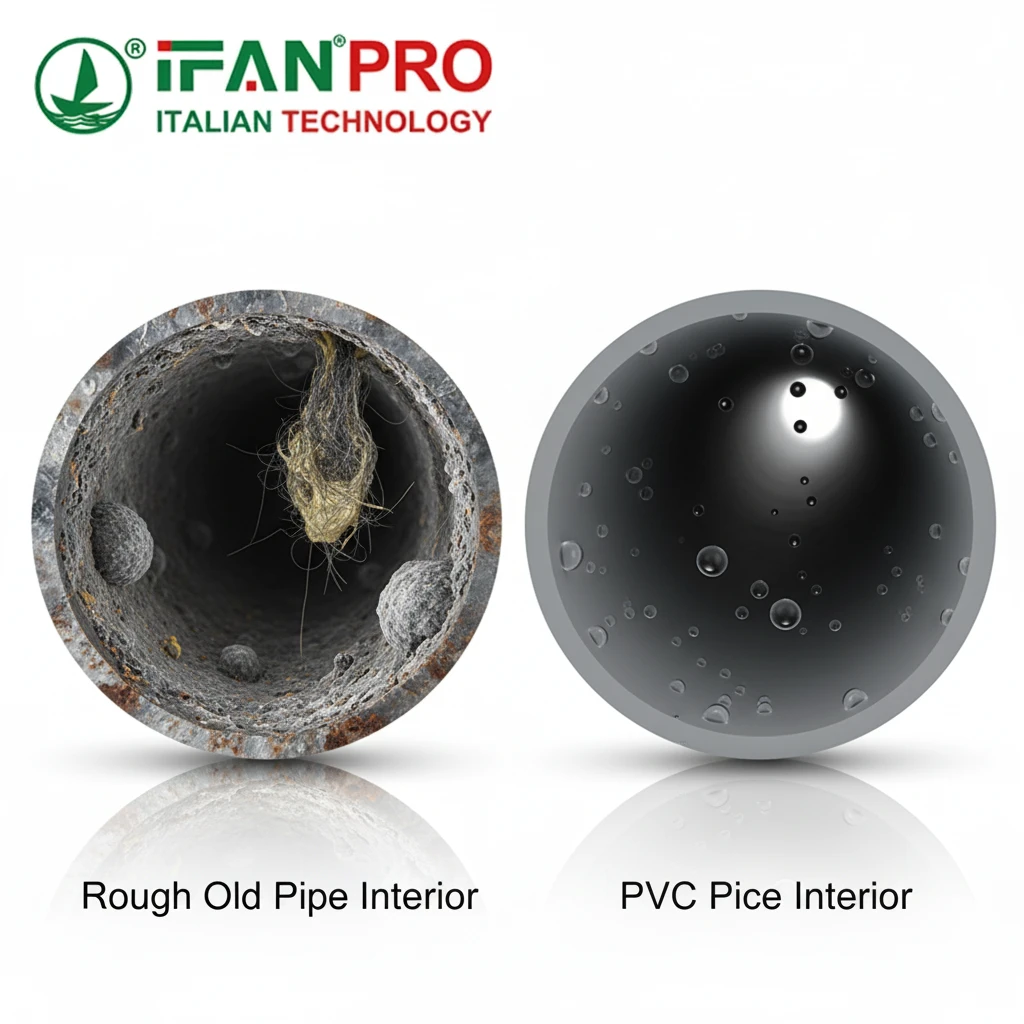
A rough pipe interior is a magnet for trouble. I recall a case where replacing corroded cast iron with smooth PVC solved a decade of chronic clogs in an apartment building.
The smooth inner wall of PVC pipes prevents waste buildup by providing a slick, non-porous surface. This surface offers little friction or texture for hair, grease, soap scum, and other debris to grab onto. As a result, waste and water flow through with minimal resistance, which prevents the initial accumulation that leads to major clogs.
The Science of a Slick Surface
Think of a pipe’s interior like a slide. A smooth, polished slide lets you go down quickly. On the other hand, a rough, rusty slide slows you down and might even snag your clothes. Essentially, PVC is the polished slide for your wastewater.
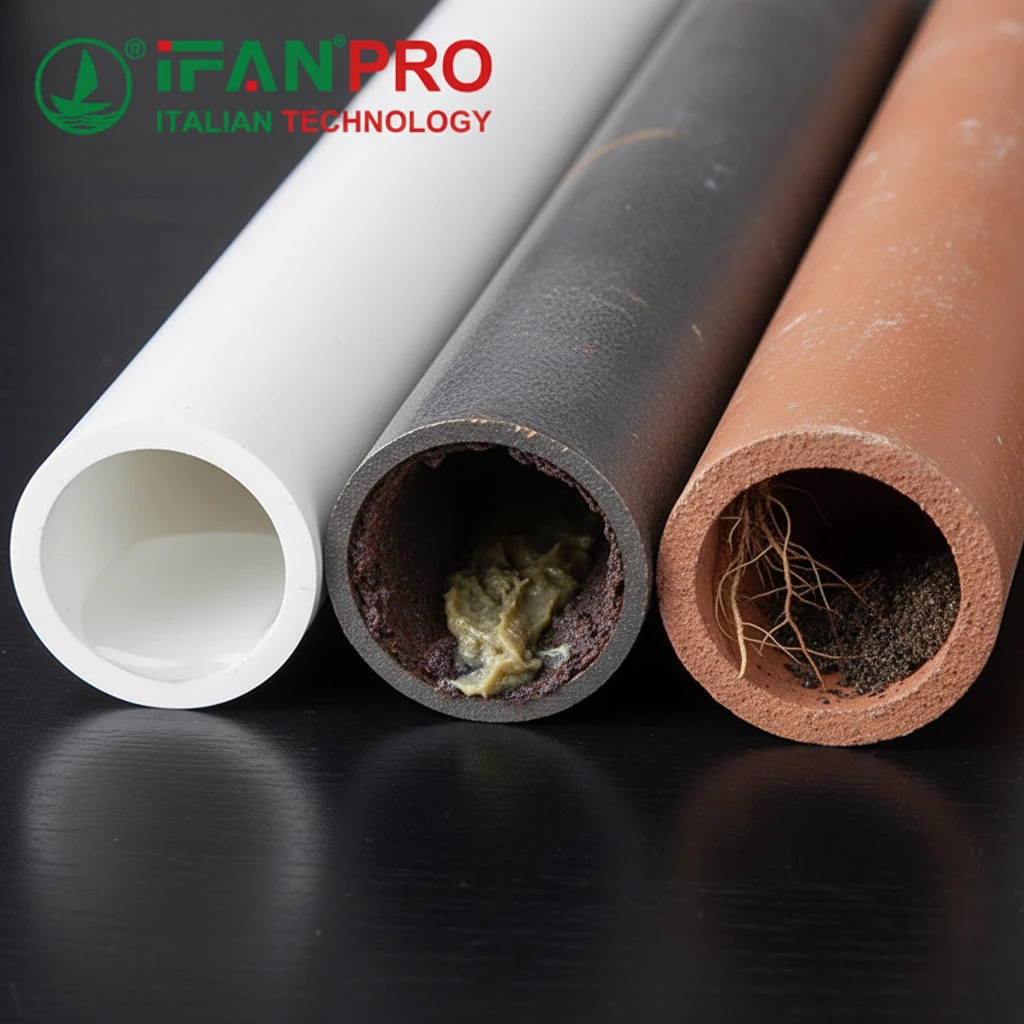
Manufacturers make the inside of a PVC pipe very smooth. This is different from traditional materials. For example, cast iron pipes can corrode and rust from the inside out, which creates a rough, jagged surface. Clay tiles, while resistant, have a naturally porous and slightly rough texture. These rough surfaces are perfect for catching passing debris.
What Sticks and What Slides?
Common clog-causing materials meet their match with PVC’s smoothness:
- Grease and Fat: In metal pipes, grease can cool and stick to any microscopic imperfection. However, on PVC’s smooth surface, it’s more likely to be carried all the way through to the main sewer line before solidifying.
- Hair: This is a major culprit. The slick surface of PVC gives hair fewer points to snag and tangle around. So, while hair can still accumulate, it happens much more slowly and is easier to flush away.
- Soap Scum and Mineral Scale: The non-porous nature of PVC means soap residue and hard water minerals have a harder time adhering to the wall. Therefore, they are more likely to be washed away with the flow.
Comparing Interior Surface Roughness
The table below uses the common Manning’s ‘n’ roughness coefficient to show the flow efficiency difference. A lower number means a smoother surface and better flow.
| Pipe Material | Typical Roughness Coefficient (Manning’s n) | Effect on Flow and Clogging |
|---|---|---|
| PVC | 0.009 – 0.011 | Very smooth. Enables high-velocity flow that carries debris away efficiently. |
| New Cast Iron | 0.012 | Slightly rougher. Acceptable flow but will degrade over time. |
| Corroded Cast Iron | 0.015 – 0.035 | Very rough. Severely restricts flow and actively traps solid waste. |
| Clay Tile | 0.012 – 0.014 | Naturally rough and porous, prone to root intrusion and buildup. |
The Result: Consistent Flow Velocity
This smoothness does more than just not grab stuff; it actively helps. It allows water to maintain a higher, more consistent velocity as it flows. Importantly, faster-moving water has more energy to carry solids with it. We call this “self-scouring” action. Essentially, the flow helps keep the pipe clean. Therefore, the smooth wall is the first and most important line of defense against clogs.
What Design Features of PVC Drainage Systems Help Prevent Clogs and Blockages?
Good design is proactive. We design PVC systems not just to move water, but to move it smartly, avoiding problems before they start.
Key design features of PVC drainage systems that prevent clogs include precise diameter consistency, correctly calculated slopes for gravity flow, smooth-radius bends instead of sharp elbows, and properly sized venting. Together, these features maintain strong, uninterrupted water flow that carries solids away and prevents airlocks that slow drainage.
The Critical Role of Slope and Diameter
A PVC pipe doesn’t work alone. It works as part of a system, and its design dictates its performance. Two of the most critical factors are slope and diameter.
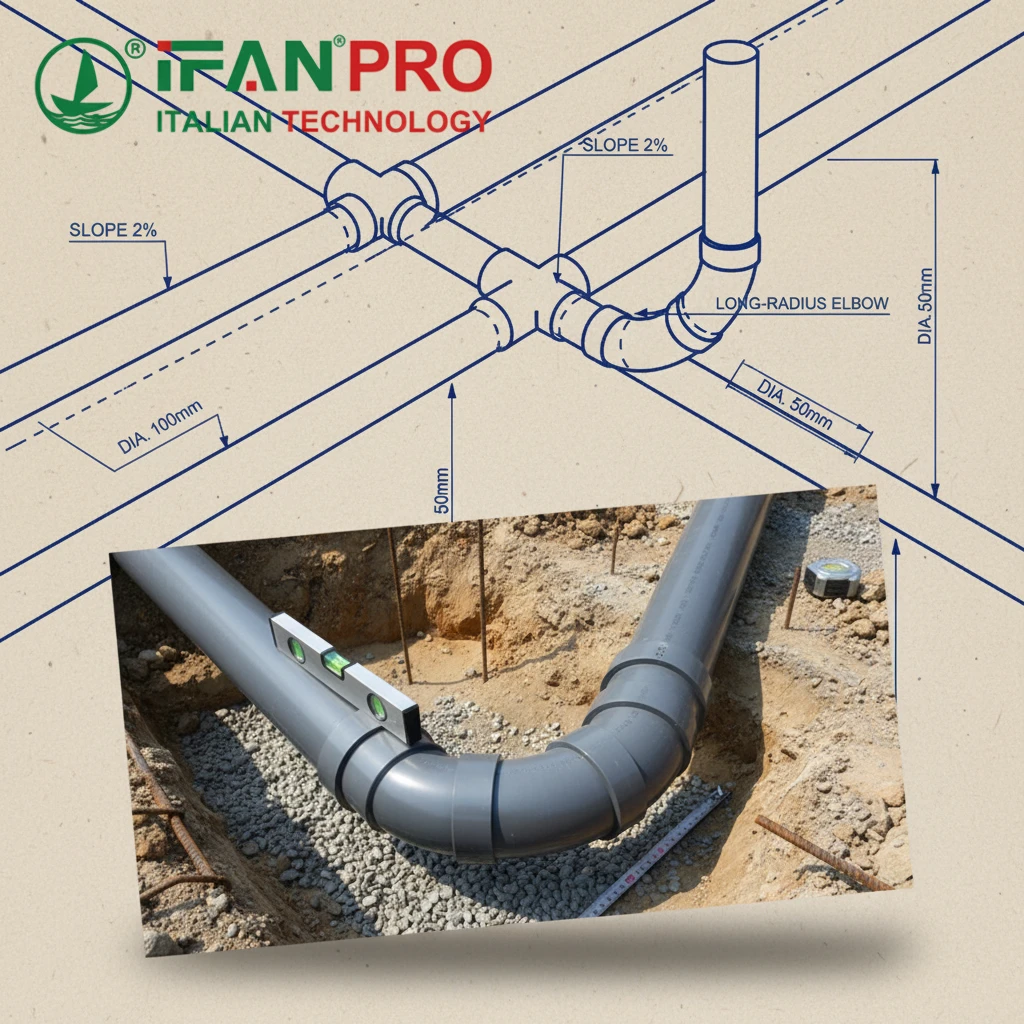
First, consider slope (or fall). Drainage works primarily by gravity. If a pipe is not sloped correctly, water will move too slowly. Consequently, slow water drops its solid cargo. Plumbing codes provide exact minimum slopes (e.g., 1/4 inch per foot for a 3-inch drain). Fortunately, PVC pipes are straight and true, making it easy for installers to achieve and maintain this perfect slope from start to finish. This ensures waste is always pulled downhill with enough force.
Second, consider diameter consistency. PVC pipes have perfectly round, consistent inner diameters. You won’t find dents, sags, or uneven sections that can create “low spots” where water and waste pool. This consistency ensures there are no places for debris to collect and start forming a blockage.
Fittings Designed for Flow
The fittings (the elbows, tees, and wyes) are where clogs often begin in poorly designed systems. For this reason, PVC systems use fittings designed to maintain flow.
- Long-Radius Bends: Instead of sharp 90-degree elbows that force water and waste to slam into a wall, PVC drainage systems use long-turn elbows or two 45-degree elbows to create a smooth, sweeping curve. This design keeps the waste moving in a fluid path.
- Sanitary Tees: These specialized fittings are used when a drain line enters a larger main line. They are shaped to direct the flow downstream in the direction of the main flow, which minimizes turbulence and the chance for material to be deposited at the junction.
The Importance of Venting
A hidden but vital design feature is the vent system. Vents allow air into the drainage pipes. Why does this matter? As water flows down a drain, it can create a vacuum behind it that slows the flow (like putting your finger over a straw). Therefore, a properly vented PVC system prevents this, allowing waste water to flow quickly and smoothly without gurgling or slowing down. This helps prevent solids from being left behind.
Design Feature Summary Table
| Design Feature | Purpose in Preventing Clogs | PVC Advantage |
|---|---|---|
| Precise, Consistent Slope | Maintains gravity-driven flow velocity to carry solids. | Straight, rigid pipes make achieving code-mandated slope easy and accurate. |
| Smooth-Radius Bends | Reduces turbulence and impact where flow changes direction. | Wide variety of long-turn elbows and sweeps available. |
| Proper Venting | Prevents airlocks and siphonage that slow flow. | Easy to install and connect lightweight PVC vent pipes. |
| Full-Bore Fittings | Maintains internal diameter through joints to avoid restrictions. | Fittings are designed to match pipe ID, avoiding lips or ledges. |
In summary, a well-designed PVC system is a coordinated network where every piece works to keep the flow moving fast and free, leaving no opportunity for a clog to take root.
How Does Proper Installation of PVC Pipes Minimize Future Clogging Risks?
Even the best pipe can fail if installed poorly. Our audits often find that clogs originate from installation errors, not product failure.
Proper installation of PVC pipes minimizes clogging risks by ensuring a continuous, smooth flow path with the correct slope, securely glued joints that prevent leaks and root intrusion, and adequate support to prevent sagging over time. A well-installed system has no dips, obstructions, or misaligned connections where waste can accumulate.
The Foundation: Slope and Alignment
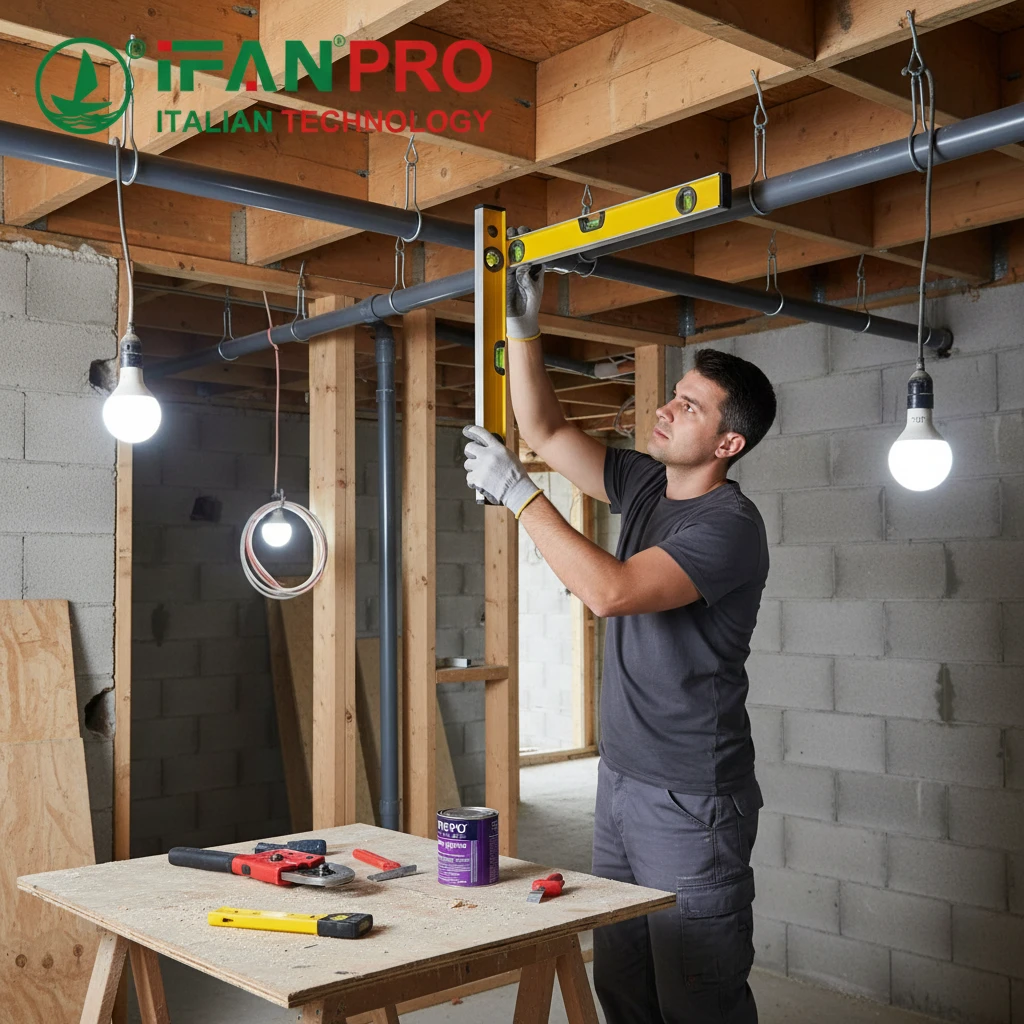
Installation is where the design plan becomes reality. The number one rule for a clog-free drain is maintaining a constant, correct slope. During installation, the pipe must be supported evenly along its entire length. If supports are too far apart, the pipe can sag between them, creating a low spot or “bellies.” Consequently, wastewater and solids will pool in this belly, eventually drying out and creating a solid blockage. Therefore, a professional installer uses a level and measures slope precisely, adding hangers or supports at regular intervals as per code to keep the line true.
Joint assembly is equally critical. When connecting two pipes or a pipe to a fitting, the installer must cleanly cut and deburr the ends. A rough or angled cut creates an interior lip that will catch passing debris immediately. Furthermore, the pipes must be fully seated into the solvent-welded fittings. A partial insertion creates an internal ridge—a perfect trap for hair and grease.
The Critical Role of Solvent Welding
The glue used for PVC, called solvent cement, is not just an adhesive. It chemically melts the surfaces of the pipe and fitting, fusing them into a single, seamless piece. A proper solvent weld does two important things:
- Creates a Smooth Joint: When done correctly, the interior of the joint is as smooth as the pipe itself, with no gaps or ridges.
- Prevents Leaks: Even a tiny leak can attract tree roots. Roots are nature’s most powerful pipe cloggers, and they seek out moisture. A perfect PVC weld forms a watertight seal that keeps roots out.
Avoiding Common Installation Traps
Here are specific pitfalls installers must avoid:
- Using the Wrong Fitting: For example, using a sharp 90-degree elbow where a long-turn elbow is required for drainage.
- Improper Transition to Main Line: Failing to use a proper wye or sanitary tee when connecting a branch line, which causes waste to be dumped against the flow.
- Inadequate Support: Allowing pipes to sag before the concrete is poured or over time in a crawl space.
- Rushing the Glue Process: Not applying cement evenly or not holding the joint together long enough for the weld to set, which leads to a weak or uneven joint.
Installation Quality Checklist
| Installation Step | Clog-Prevention Goal | Risk if Done Poorly |
|---|---|---|
| Planning & Slope Measurement | Ensure constant downhill flow. | Creates low spots where waste pools and hardens. |
| Pipe Cutting & Deburring | Create a perfect, square end. | Leaves an interior lip that snags debris immediately. |
| Solvent Welding | Create a seamless, smooth, watertight interior joint. | Creates ridges for buildup or leaks that attract roots. |
| Proper Hanging/Support | Maintain alignment and slope permanently. | Causes pipe to sag over time, creating a belly for waste. |
| Cleanup & Debris Prevention | Keep pipes clear during construction. | Allows gravel, concrete, or debris to enter and cause an immediate block. |
In the end, a perfectly installed PVC system is a lifelong asset. It takes the inherent benefits of the material and locks them in place, delivering the promised performance without future headaches.
Why is PVC Pipe More Effective Than Other Materials at Preventing Drainage Clogs?
When clients compare materials, the long-term performance data always points back to PVC. Its combination of features is unmatched for clog prevention.
PVC pipe is more effective than traditional materials at preventing clogs because it maintains a permanently smooth interior, cannot corrode or develop internal roughness, resists root intrusion at the joints, and is installed with precision for optimal flow. In contrast, materials like cast iron corrode and clay is porous, making them inherently more prone to buildup and blockages over time.
The Core Differentiator: A Surface That Doesn’t Degrade
The biggest advantage of PVC is that its performance on day one is the same as its performance 50 years later. Other materials degrade in ways that directly cause clogs.
Cast Iron and Galvanized Steel: These metals corrode. As they rust, the interior surface becomes rough and uneven. This roughness is a trap for grease, hair, and soap. Furthermore, the rust itself takes up space, gradually reducing the internal diameter of the pipe (a process called “tuberculation”). This both slows the flow and provides more surface area for debris to catch on. Often, a clog in an old metal pipe is a mixture of waste and the corroded material of the pipe itself.
Clay Tile: While resistant to chemical attack, clay is porous and has a rough surface texture. This can allow tiny particles to embed. More critically, the joints between clay sections are a major weakness. The mortar or gaskets can fail, creating uneven gaps. These gaps immediately catch waste and are the primary entry points for tree roots, which are a leading cause of severe blockages in clay systems.
Direct Comparison of Clog-Related Failures
Let’s look at how different materials handle the main enemies of a drain.
| Clogging Factor | PVC Pipe Response | Traditional Material Response |
|---|---|---|
| Interior Surface Over Time | Stays perfectly smooth. | Corrodes (metal) or remains rough (clay), increasing friction. |
| Joint Integrity | Solvent-welded into a seamless, monolithic joint. | Mortar can crack (clay); threaded joints can leak (metal). |
| Root Intrusion | Smooth, tight joints offer no easy entry point for roots. | Roots seek out leaks at failed joints in clay or cracked metal. |
| Chemical Resistance | Inert. Unaffected by household chemicals, acids, or salts in soil. | Metal can be corroded by certain chemicals or acidic soil. |
| Flow Consistency | Perfectly round and consistent ID maintains designed flow. | Corrosion and scale reduce ID; sags and misalignments are common. |
The System-Wide Advantage
PVC’s effectiveness isn’t just about the pipe segment; it’s about the entire installed system. Its light weight and ease of cutting allow for more precise installation with correct slopes. Additionally, the availability of a full range of smooth-radius fittings helps maintain optimal hydraulics. When you combine a material that doesn’t get worse with age with a modern, thoughtful installation practice, you get a drainage system with a dramatically lower risk of failure.
For homeowners and building managers, this translates to fewer emergency plumbing bills, less disruptive repairs, and reliable performance. While the upfront cost of any new system is a factor, the long-term cost of dealing with chronic clogs in an inferior system far outweighs it.
Conclusion
PVC prevents clogs through its smooth, non-porous material, intelligent system design, and precise installation. For guaranteed performance, specify IFAN’s PVC-U drainage systems for your next project.







 English
  Français
  Русский
  Español
Recent Comments