
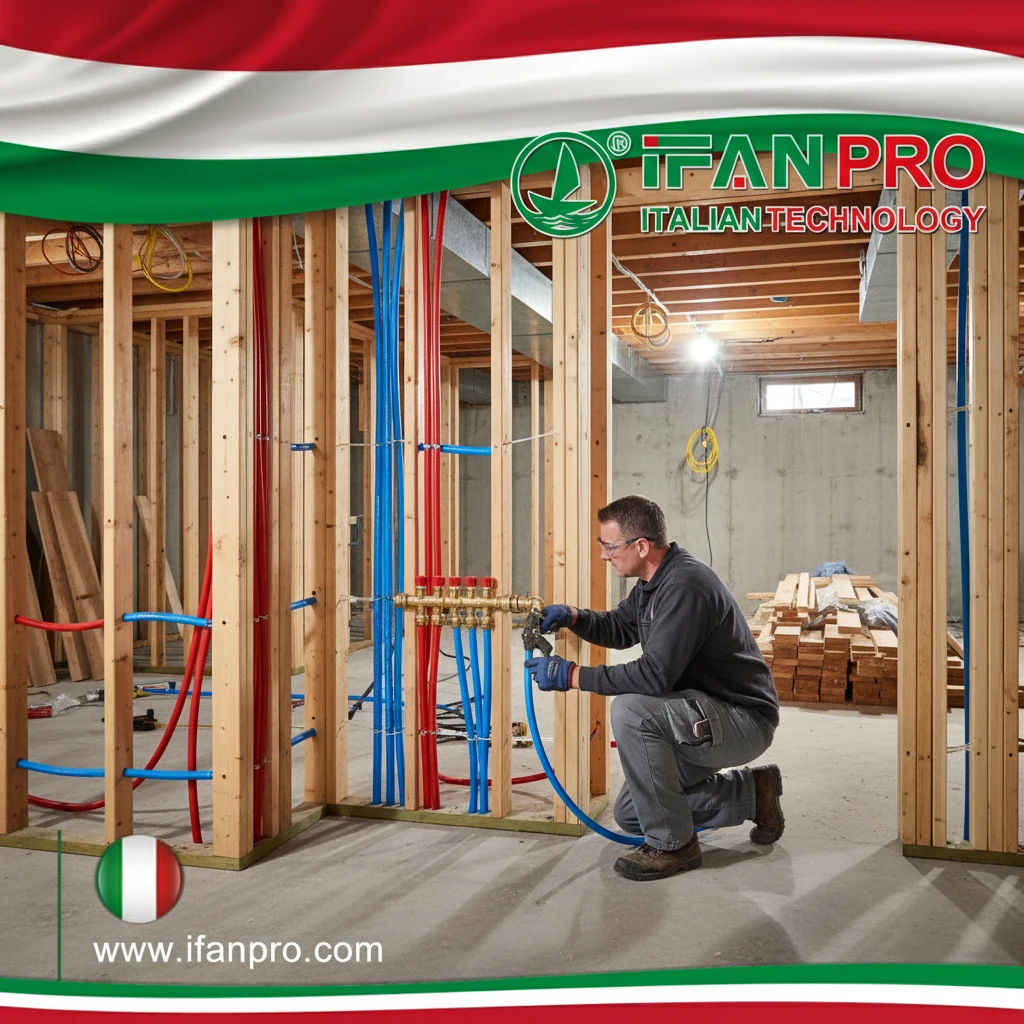
I recently visited a construction site where plumbers were effortlessly snaking blue PEX tubes through walls. Their speed and flexibility made me understand why this material is revolutionizing residential plumbing.
PEX (cross-linked polyethylene) is a flexible plastic plumbing pipe that’s become extremely popular for residential water supply systems. It’s durable, resistant to scale and chlorine, and can expand to handle freezing conditions. Its flexibility allows for faster installation with fewer fittings compared to rigid pipe systems.
Let me walk you through everything you need to know about this innovative plumbing material.
What are the Defining Characteristics of PEX Plumbing Systems?
During a recent bathroom renovation, I watched as plumbers used PEX to navigate tight spaces that would have required multiple copper fittings. The efficiency was remarkable.
PEX plumbing systems are defined by their flexibility, durability, and corrosion resistance. The cross-linked molecular structure creates pipes that can bend around corners, withstand freezing temperatures without bursting, and resist chemical damage from water and soil. These characteristics make installations faster and systems more reliable than traditional plumbing methods.
Understanding PEX’s Material Properties
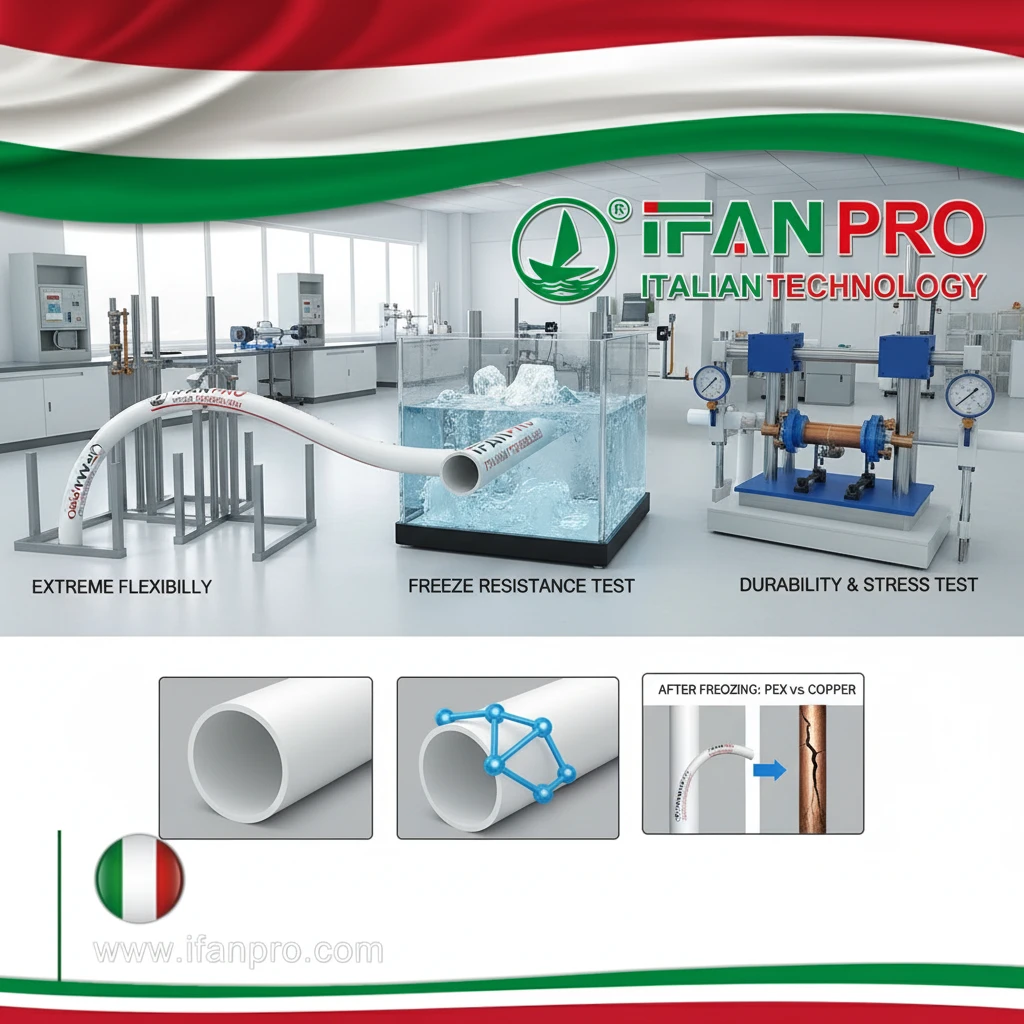
PEX stands out from other plumbing materials because of its unique molecular structure. The cross-linking process creates strong molecular bonds that make the material durable while maintaining flexibility. This means PEX pipes can bend around corners without needing elbow fittings, which reduces potential leak points throughout the system.
The flexibility also means installers can run PEX in continuous lines from the main water distribution point to individual fixtures. I’ve seen installations where a single PEX line runs from the basement to an upstairs bathroom without a single joint. This approach not only saves installation time but significantly reduces the number of potential leak points in your plumbing system.
Freeze Resistance and Durability
Another key characteristic is PEX’s ability to expand and contract. Unlike copper or PVC pipes that can crack when frozen, PEX can expand to accommodate ice formation then return to its original shape when thawed. This doesn’t mean you should let your pipes freeze intentionally, but it does provide an important safety margin in cold climates.
The material also strongly resists the chemicals commonly found in water supplies. Chlorine, which can degrade some plastics over time, doesn’t affect properly formulated PEX pipes. Similarly, mineral buildup and scale that can narrow metal pipes over time doesn’t stick to PEX’s smooth interior surfaces.
Key PEX Characteristics Summary
| Characteristic | Practical Benefit | Comparison to Copper |
|---|---|---|
| Flexibility | Fewer fittings needed, easier installation in tight spaces | Rigid, requires multiple fittings for direction changes |
| Freeze Resistance | Can expand without bursting during freezing conditions | Can crack or split when frozen |
| Corrosion Resistance | Won’t corrode from water or soil chemicals | Can corrode over time, especially with certain water types |
| Smooth Interior | Maintains water pressure, resists scale buildup | Can develop scale buildup reducing water flow |
How Does PEX Plumbing Compare to Traditional Copper Pipe Systems?
Last month, a client asked me to compare costs for replumbing their entire house. The PEX option was 40% less expensive than copper while offering comparable performance.
PEX plumbing costs significantly less than copper systems, installs faster with fewer connections, and won’t corrode over time. While copper has a longer track record and higher temperature tolerance, PEX’s flexibility, freeze resistance, and lower material costs make it the preferred choice for most residential applications today.

Cost and Installation Differences
The cost difference between PEX and copper is substantial. Material costs for PEX are typically 25-40% lower than copper, and labor costs are even more significantly reduced because PEX installs much faster. Two professionals can complete a typical whole-house PEX installation in 1-2 days, while the same job in copper could take 3-5 days.
The installation process itself is fundamentally different. Copper requires measuring, cutting, cleaning, flux application, and soldering each joint. PEX uses quick-connect fittings or crimp connections that assemble faster and don’t require open flames or chemical fluxes. This makes PEX safer to install and eliminates the risk of fire hazards during plumbing work.
Performance and Maintenance Comparison
In terms of performance, both materials have their strengths. Copper has been used for decades and has a proven track record of 50+ years of service. PEX hasn’t been used as long in North America, but accelerated aging tests and European experience (where it’s been used since the 1970s) suggest similar longevity.
Water flow characteristics differ slightly. Copper pipes typically have slightly better flow rates for the same diameter, but PEX’s smooth interior maintains its flow characteristics over time while copper can develop scale that reduces flow. I’ve measured water pressure in 20-year-old PEX systems that performed as well as new installations.
PEX vs Copper Direct Comparison
| Factor | PEX | Copper |
|---|---|---|
| Material Cost | $0.50-$2.00 per linear foot | $2.00-$5.00 per linear foot |
| Installation Time | 30-50% faster than copper | Requires soldering each joint |
| Lifespan | 50+ years (estimated) | 50+ years (proven) |
| Freeze Resistance | Excellent – can expand without bursting | Poor – cracks when frozen |
| Water Flow | Good, maintains consistency over time | Excellent initially, may reduce with scale |
| Temperature Tolerance | Up to 200°F | Higher temperature tolerance |
What are the Main Types of PEX Pipes Used in Plumbing Systems?
When inventorying our supplier network, I found three distinct types of PEX pipes, each with different installation requirements and performance characteristics.
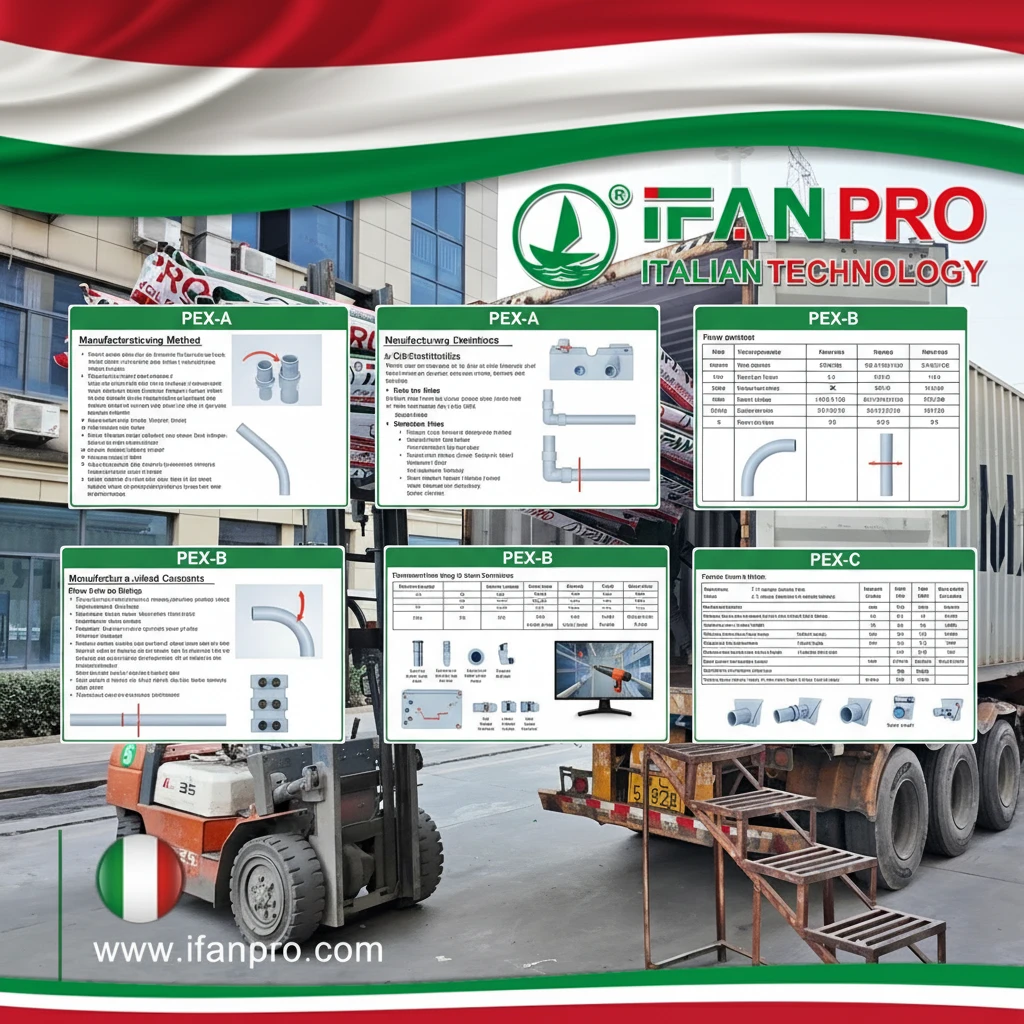
The three main types of PEX pipes are PEX-A, PEX-B, and PEX-C, distinguished by their manufacturing methods. PEX-A is the most flexible and has the best freeze resistance, PEX-B is the most common and cost-effective, while PEX-C has the lowest upfront cost but is the least flexible of the three types.
PEX-A: Superior Flexibility
Manufacturers produce PEX-A using the Engel method, which involves peroxide cross-linking. This creates the most flexible type of PEX, which can bend to tight radii without kinking. I’ve seen PEX-A coils that could bend almost double without compromising the pipe’s integrity.
This superior flexibility makes PEX-A ideal for retrofit applications where pipes need to snake through existing walls and around obstacles. The material also has a “shape memory” that allows it to return to its original form if bent too sharply. Another advantage is that installers can expand PEX-A using a special tool, allowing fittings to insert easily before the pipe shrinks back to create a secure connection.
PEX-B: The Popular Middle Ground
PEX-B uses a silane method (also called moisture-cure method) for cross-linking. It’s slightly less flexible than PEX-A but significantly more affordable. This is the most common type found in home centers and professional plumbers use it frequently for new construction.
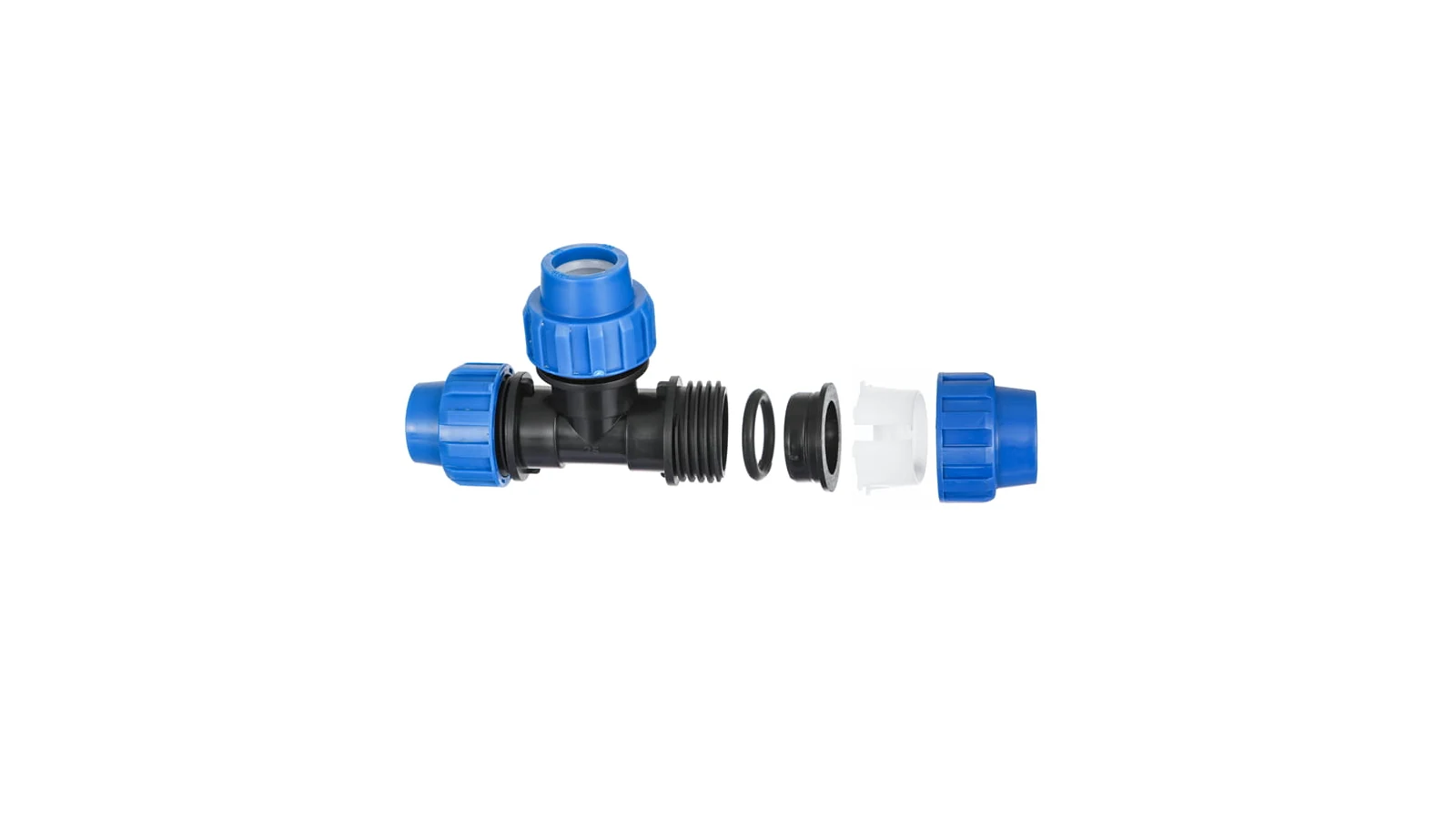
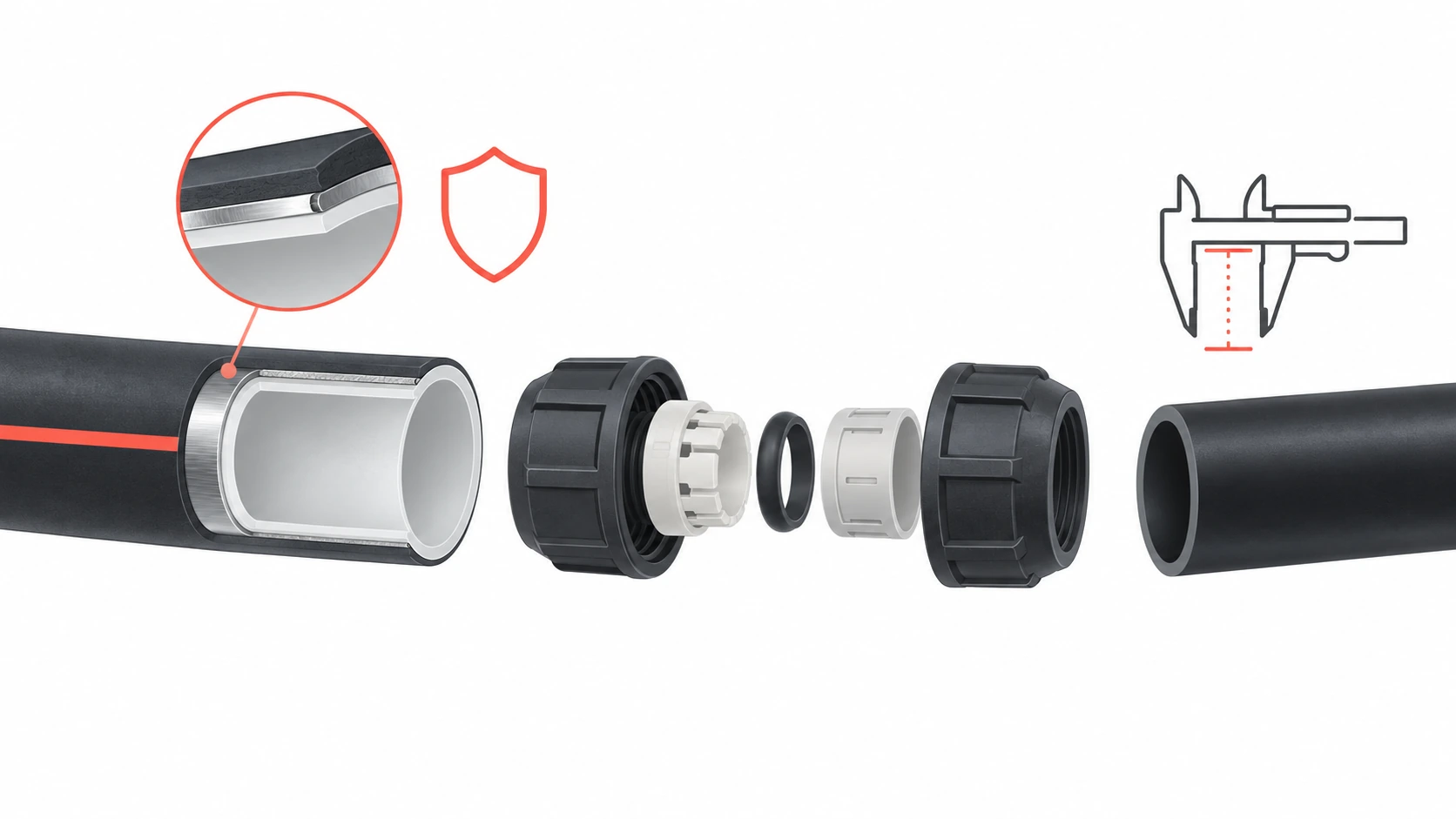
While PEX-B doesn’t have the same level of flexibility as PEX-A, it’s still much more flexible than rigid pipes like copper or CPVC. It uses crimp or clamp connection systems rather than the expansion method. From my quality control experience, PEX-B consistently shows excellent resistance to chlorine and long-term aging, making it a reliable choice for residential water supply.
PEX-C: The Economical Option
Manufacturers create PEX-C using an electron beam method for cross-linking. It’s the stiffest of the three PEX types and most likely to kink if bent too sharply. However, it’s typically the most economical option and works well for straightforward installations with minimal tight bends.
Some installers find PEX-C more similar to working with CPVC than other PEX types due to its rigidity. It uses the same crimp or clamp fitting systems as PEX-B. While all PEX types meet the same fundamental standards, I recommend PEX-C primarily for budget-conscious new construction projects rather than complex retrofits.
PEX Type Comparison Guide
| Characteristic | PEX-A | PEX-B | PEX-C |
|---|---|---|---|
| Manufacturing Method | Engel Method (Peroxide) | Silane Method | Electron Beam |
| Flexibility | Excellent – most flexible | Good – moderately flexible | Fair – least flexible |
| Freeze Resistance | Best – can expand most | Good | Good |
| Kink Resistance | Highest – can often recover | Moderate | Lowest – kinks permanently |
| Cost | Highest | Middle | Lowest |
| Common Connection Method | Expansion fittings | Crimp or clamp rings | Crimp or clamp rings |
Where is PEX Plumbing Most Commonly Installed in Residential Buildings?
During my last factory audit, I noticed that most PEX orders were for whole-house repiping projects and new construction, particularly for manifold systems that optimize water distribution.
PEX plumbing is most commonly installed in residential water supply lines throughout homes, particularly for cold and hot water distribution systems. It’s ideal for whole-house repiping, manifold systems that serve individual fixtures, and in locations prone to freezing temperatures due to its expansion capability.
Whole-House Water Distribution
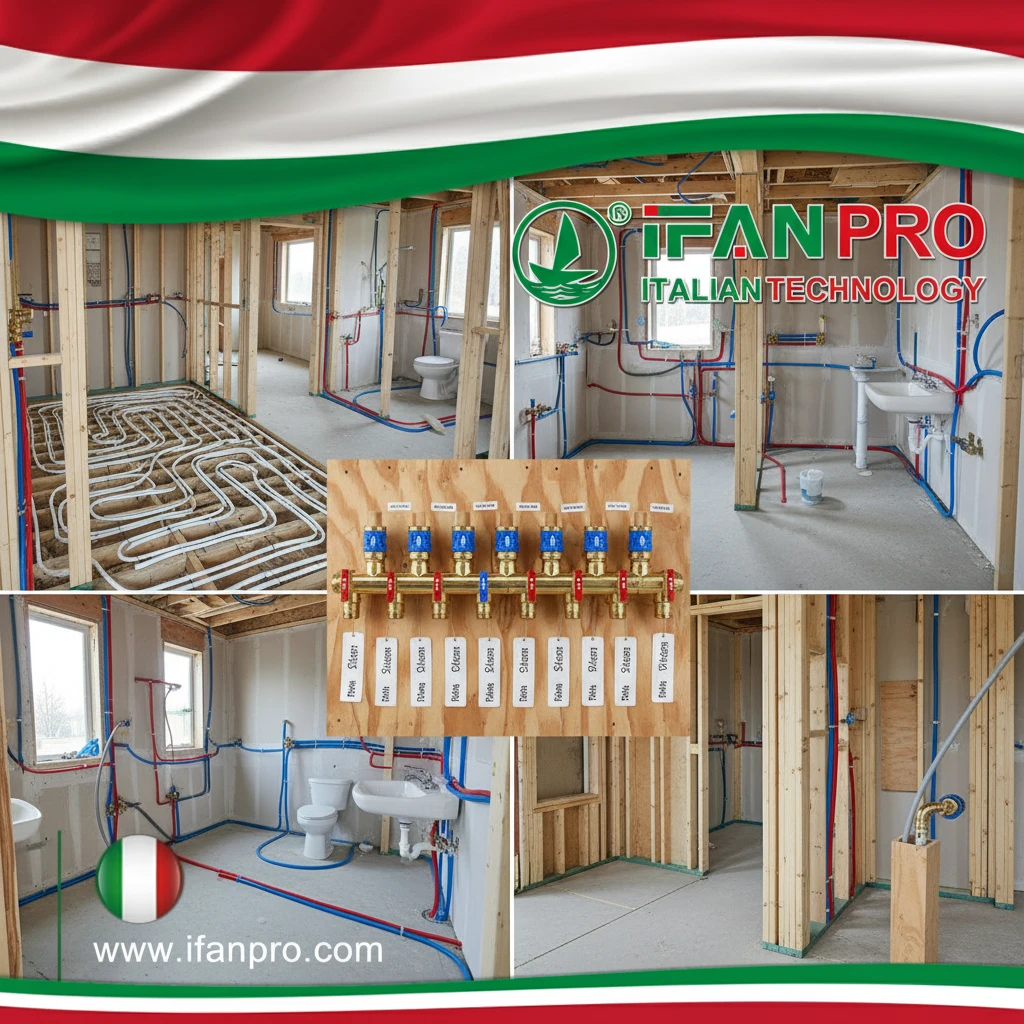
PEX has become the standard for entire home water supply systems in new construction. Its flexibility allows installers to run continuous lines from central distribution points to individual fixtures without numerous joints. This approach reduces potential leak points and installation time significantly.
I recently supervised a project where a team fully plumbed a 2,500 square foot home with PEX in just three days. The system used a home-run configuration where separate lines run from a central manifold to each fixture. This design provides balanced water pressure throughout the home and allows homeowners to shut off individual fixtures without affecting others.
Specific Residential Applications
Fixture Supply Lines
PEX is particularly well-suited for supplying water to bathrooms, kitchens, and laundry rooms. The flexibility makes it easy to snake through walls and floors to reach fixtures in remodeling projects. I’ve seen builders use PEX extensively for supplying toilets, sinks, showers, and washing machines where its durability and corrosion resistance are advantageous.
Radiant Floor Heating Systems
While this application doesn’t involve potable water, PEX is the dominant material for hydronic radiant floor heating systems. The continuous lengths possible with PEX work ideally for looping under floors, and the material’s flexibility allows for easy installation around obstacles. The oxygen barrier types of PEX specifically designed for heating systems prevent corrosion in the closed-loop systems.
Outdoor and Cold Climate Applications
PEX’s freeze resistance makes it valuable for exterior applications like supplying outdoor spigots or in unheated spaces like garages, crawl spaces, and attics. While no pipe should freeze intentionally, PEX provides a safety margin in case of unexpected temperature drops. I’ve documented cases where PEX pipes froze solid without damage, then returned to normal function when thawed.
Common PEX Installation Locations
| Location | Application | Why PEX is Suitable |
|---|---|---|
| Whole-house repiping | Complete water supply replacement | Cost-effective, faster installation than copper |
| New construction | Entire water distribution system | Flexible, requires fewer fittings, freeze-resistant |
| Bathroom/Kitchen remodels | Fixture supply lines | Easy to snake through existing walls |
| Radiant floor heating | Hydronic heating loops | Flexible for looping, durable under concrete |
| Mobile/manufactured homes | Water supply systems | Withstands shifting and movement |
| Snow melt systems | Driveway/walkway heating | Durable, flexible for looping patterns |
Conclusion
PEX plumbing offers flexibility, freeze resistance, and cost savings that make it ideal for modern residential applications. For reliable PEX pipes and fittings, trust IFAN to supply your next plumbing project.








 English
  Français
  Русский
  Español
Recent Comments