
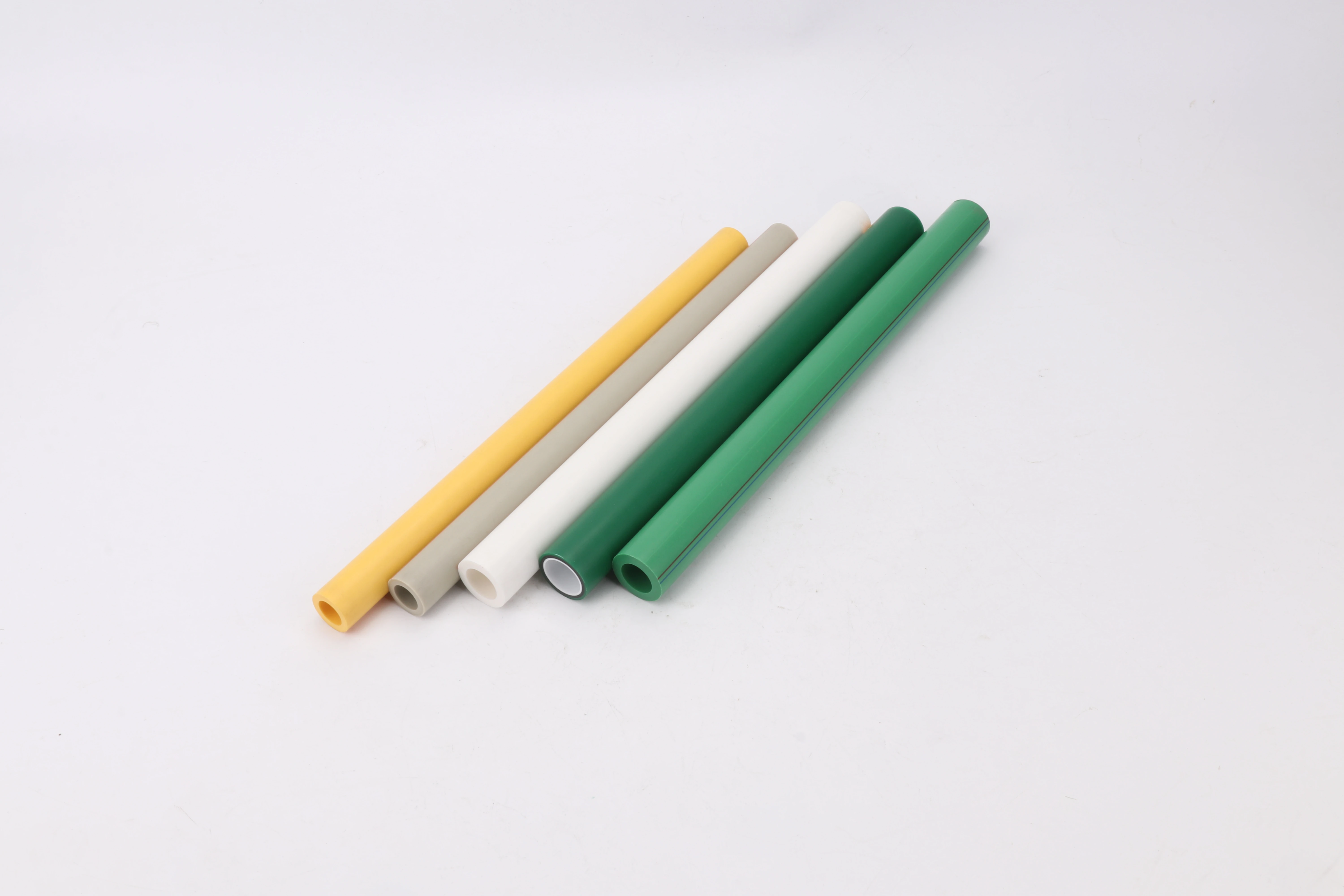
PPR pipe can be threaded, but it requires specific techniques and considerations. Understanding when and how to thread PPR pipes is crucial for successful plumbing installations.
What Is PPR Pipe Threading?
Threading PPR pipes involves cutting external or internal threads to create connections. Unlike metal pipes, PPR requires specialized tools and methods due to its thermoplastic nature.
Standard threading dies work on PPR material. However, the process demands careful temperature control and proper cutting speeds.
Can You Thread PPR Pipe Directly?
Yes, PPR pipes accept threading under specific conditions:
Material thickness matters most. Pipes with wall thickness below 3mm may crack during threading. Thicker walls provide better thread integrity.
Temperature control is essential. Threading should occur at room temperature (20-25°C). Cold conditions make PPR brittle. Hot conditions cause material deformation.
Pipe diameter affects feasibility. Diameters above 32mm thread more successfully than smaller sizes.
Best Methods for Threading PPR Pipes
Manual Threading
Manual dies work well for small-diameter PPR pipes. Use cutting oil to reduce friction. Apply steady, even pressure throughout the process.
Start with sharp threading dies. Dull tools tear the material rather than cutting cleanly.
Machine Threading
Electric threading machines provide consistent results. Set appropriate RPM based on pipe diameter. Lower speeds prevent overheating.
Recommended speeds:
- 20-32mm diameter: 30-40 RPM
- 40-63mm diameter: 20-30 RPM
- Above 63mm: 15-25 RPM
Threading vs. Alternative Connection Methods
Heat Fusion Welding
Heat fusion creates stronger joints than threading. This method is preferred for permanent installations. No additional fittings are required.
Mechanical Fittings
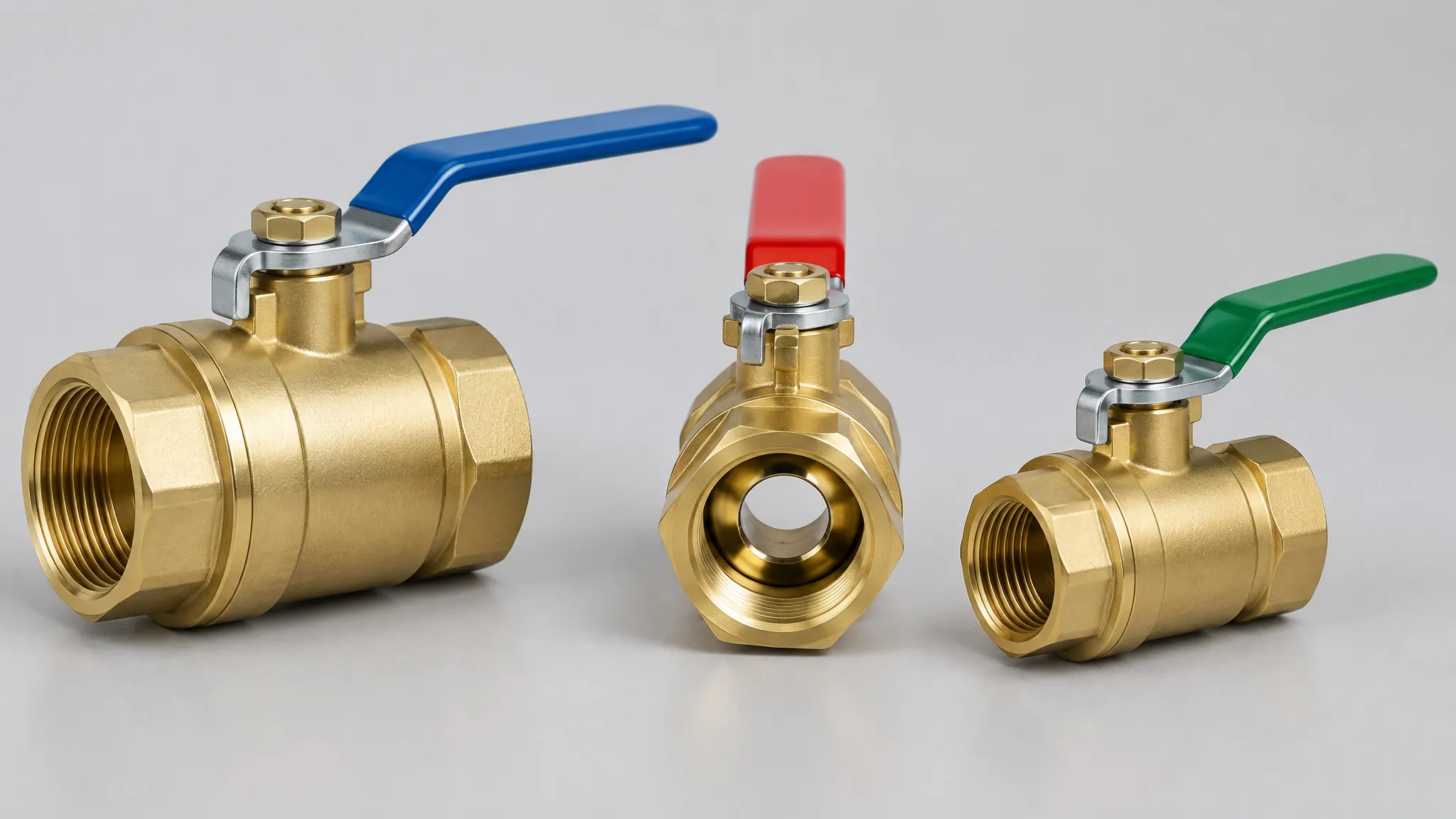
Compression fittings offer removable connections. They work better than threading for repairs and maintenance access.
Threaded Adapters
Threaded adapters provide the best solution for mixed-material connections. They maintain PPR’s chemical resistance while enabling threaded connections.
When Threading PPR Makes Sense
Threading works best in specific applications:
Temporary installations benefit from threaded connections. Easy disassembly saves time during modifications.
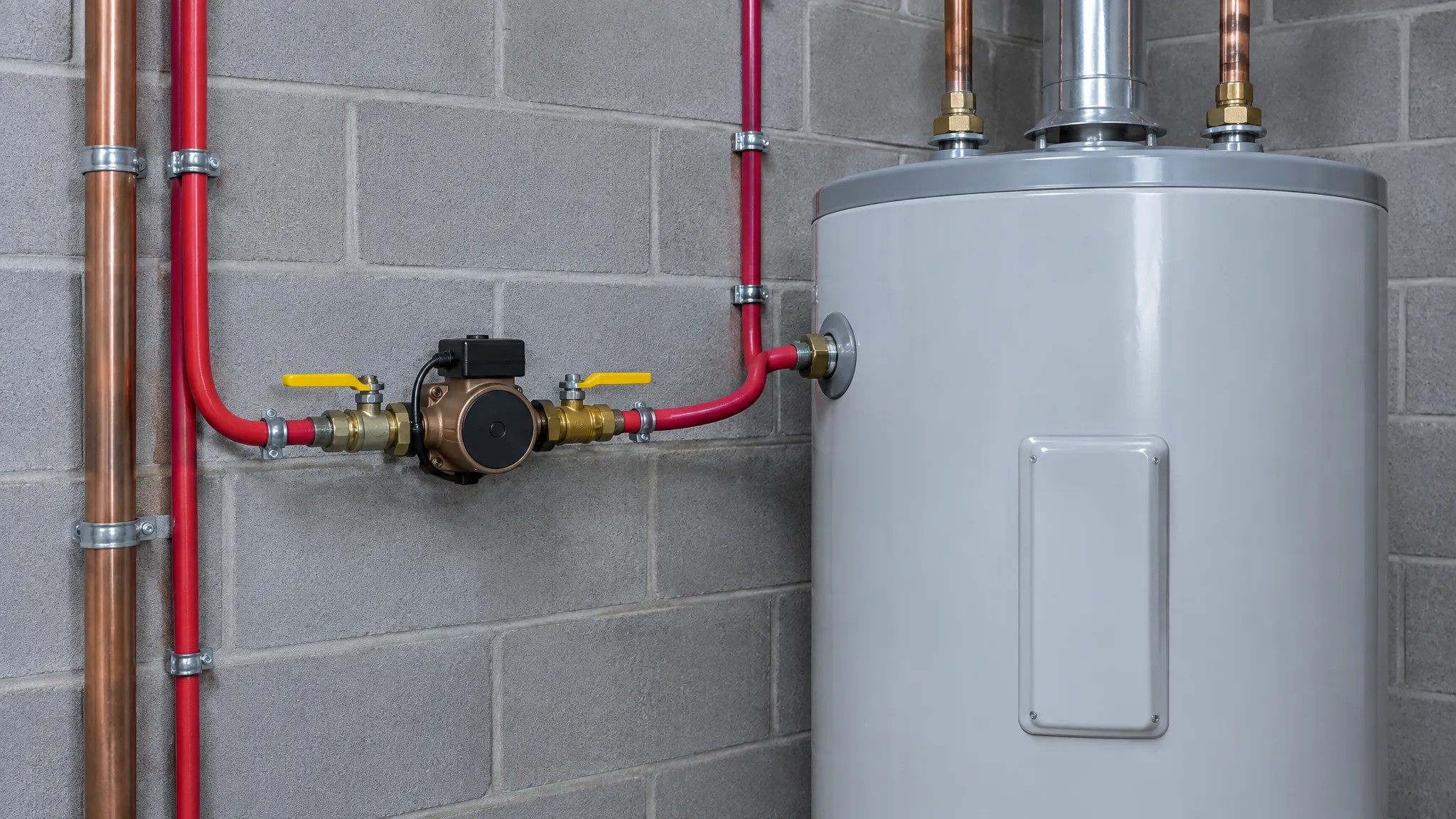
Mixed-material systems require threaded connections. PPR to metal transitions need mechanical joining methods.
Repair situations sometimes demand threading. Emergency fixes may require immediate threaded solutions.
Common Threading Problems and Solutions
Thread Quality Issues
Poor thread quality results from incorrect cutting speeds or dull tools. Replace cutting dies regularly. Maintain proper lubrication throughout the process.
Cracking During Threading
Cracks appear when material is too thin or cold. Use thicker-walled pipes for threaded applications. Allow pipes to reach room temperature before threading.
Loose Thread Fit
Loose threads indicate worn cutting tools or improper technique. Check die condition before starting. Maintain consistent pressure during cutting.
Professional Threading Considerations
Thread Standards
NPT (National Pipe Thread) standards apply to PPR threading. Maintain proper taper angles for leak-proof connections.
BSP (British Standard Pipe) threads work with European PPR systems. Match thread types to existing installations.
Sealing Requirements
Threaded PPR connections need proper sealing. PTFE tape works well with PPR threads. Pipe dope may attack certain PPR formulations.
Test seal compatibility before large installations. Some sealants cause long-term PPR degradation.
Custom PPR Threading Solutions
Professional threading services ensure optimal results. Custom threading accommodates specific project requirements.
Factory pre-threading eliminates field work complications. Pre-threaded sections arrive ready for installation.
Quality control benefits include:
- Consistent thread dimensions
- Proper taper angles
- Clean thread surfaces
- Tested seal compatibility
Threading Tools and Equipment
Essential Tools
Threading dies specifically designed for plastics work best. Standard metal threading dies often tear PPR material.
Cutting oil reduces friction and heat buildup. Use plastic-compatible lubricants only.
Specialized Equipment
Plastic pipe threading machines offer superior control. Variable speed settings accommodate different PPR formulations.
Thread verification gauges ensure proper dimensions. Check threads before assembly to prevent fitting issues.
Cost-Effective Threading Strategies
When to Choose Threading
Threading costs less than specialized fittings for simple connections. Complex joints often favor fusion welding or mechanical fittings.
Consider long-term maintenance costs. Threaded connections may require periodic attention.
Bulk Threading Benefits
Factory threading reduces installation time. Bulk orders often include threading services at reduced costs.
Pre-threaded inventory eliminates field threading equipment needs. This approach suits repetitive installation projects.
Maintenance of Threaded PPR Connections
Inspection Schedule
Check threaded connections annually for loosening. PPR’s thermal expansion affects thread tightness over time.
Look for signs of thread wear or damage. Replace worn connections before failure occurs.
Retightening Procedures
Moderate retightening prevents leaks. Excessive force cracks PPR threads permanently.
Use thread sealant during retightening. Fresh sealant compensates for minor thread wear.
Conclusion
PPR pipes can be threaded successfully with proper techniques and tools. Threading works best for specific applications like temporary installations and mixed-material connections.
Professional threading services ensure optimal results for critical applications. Consider threading as one option among several PPR connection methods.
Choose threading when project requirements justify the additional complexity. Evaluate alternatives like heat fusion welding and mechanical fittings for each specific application.
Ready to explore PPR threading solutions? Contact our technical team for customized pipe threading services that meet your specific project requirements.









 English
  Français
  Русский
  Español
Recent Comments