
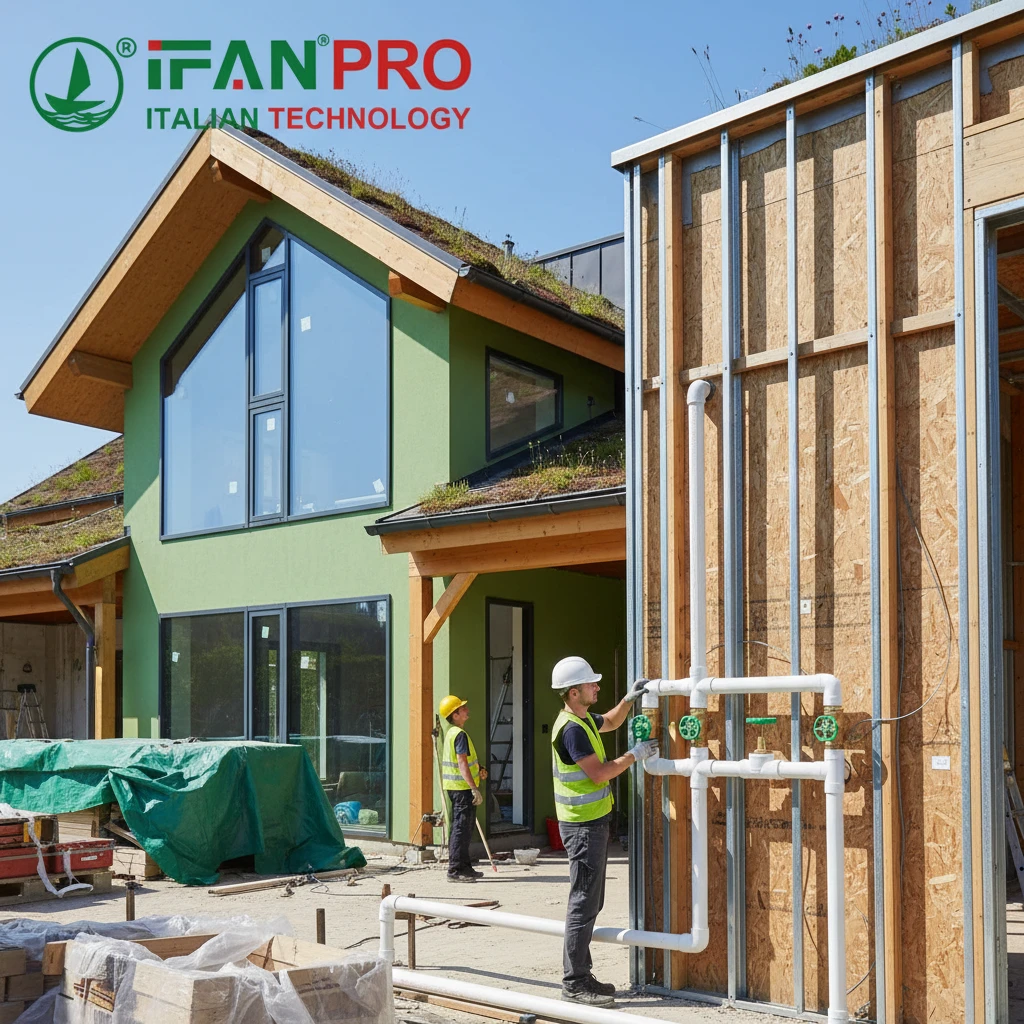
A client once lost a major contract because their plumbing specs didn’t meet new environmental standards. That costly lesson taught me that staying ahead of regulations isn’t optional—it’s essential for survival.
Lead-free eco-friendly PPR valves are becoming mainstream because stricter global regulations now limit lead content in drinking water systems to protect public health. Green building certifications like LEED and BREEAM actively reward projects using these components. Furthermore, builders and specifiers recognize that choosing lead-free materials future-proofs their projects against inevitable regulatory tightening.
Let’s examine the key drivers behind this market shift and why lead-free is now the standard, not the exception.
What Environmental and Health Regulations Are Driving the Shift to Lead-Free Materials?
Regulations don’t just suggest change—they demand it. I’ve watched markets transform almost overnight when new laws take effect.
Three major regulatory frameworks drive the shift: 1) The US Safe Drinking Water Act (SDWA) and its Reduction of Lead in Drinking Water Act, which set maximum lead content at 0.25% for wetted surfaces. 2) The European Union’s Drinking Water Directive (EU 2020/2184), which mandates strict material safety standards. 3) China’s GB standards for drinking water safety, which increasingly align with international lead-free requirements.
The US Regulatory Landscape
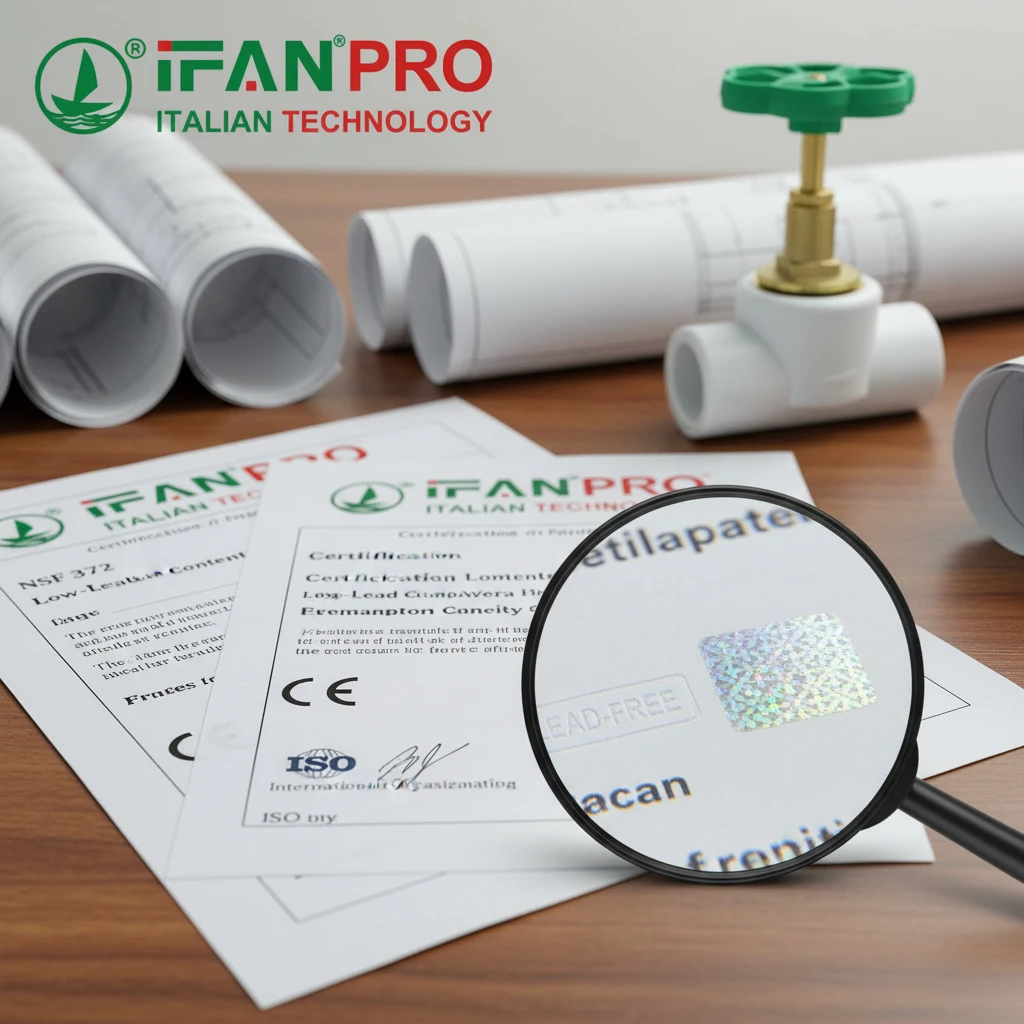
The United States has been a leader in pushing lead-free requirements. The Safe Drinking Water Act amendments of 1986 first banned the use of lead pipes and solder. However, the real game-changer came with the Reduction of Lead in Drinking Water Act of 2011 and subsequent NSF/ANSI 372 standards.
These rules define “lead-free” as:
- Not more than 0.2% lead content for solder and flux
- Not more than a weighted average of 0.25% lead for pipes, fittings, and fixtures
What does this mean in practice? Traditional brass alloys often contained 2% to 8% lead to improve machinability. Under these new rules, those alloys are simply illegal for potable water systems. Manufacturers had to completely reformulate their products.
European Union Directives
The EU takes a slightly different approach but reaches the same destination. The Drinking Water Directive (EU) 2020/2184 sets minimum requirements for materials that come into contact with drinking water. It establishes a European positive list of approved substances and sets strict migration limits.
Key points include:
- Materials must not change the water’s quality or pose a risk to human health
- Heavy metal migration is strictly limited
- Member states must ensure compliance by 2026 for most products
China’s Evolving Standards
China has rapidly modernized its plumbing standards. The GB/T 17219-1998 standard for safety evaluation of drinking water equipment has been reinforced by newer regulations limiting lead content. Major cities like Shanghai and Shenzhen now require lead-free materials in public and residential buildings.
The table below summarizes the key regulatory drivers:
| Region | Key Regulation | Lead Limit | Implementation Status |
|---|---|---|---|
| United States | Reduction of Lead in Drinking Water Act | 0.25% (wetted surface) | Fully enforced |
| European Union | Drinking Water Directive 2020/2184 | Material-specific migration limits | Phasing in through 2026 |
| China | GB/T 17219, local municipal codes | Increasing alignment with international | Major cities enforce strictly |
| Canada | SOR/2012-286 (Lead in Drinking Water) | 0.25% average lead content | Fully enforced |
These regulations share a common goal: protect public health by eliminating lead from the water system. For manufacturers and suppliers like IFAN, compliance isn’t optional—it’s the price of market access.
How Do Lead-Free Brass Alloys Maintain Performance While Ensuring Safety?
Engineers initially worried that removing lead would compromise performance. I shared those concerns until I saw the new metallurgy firsthand.
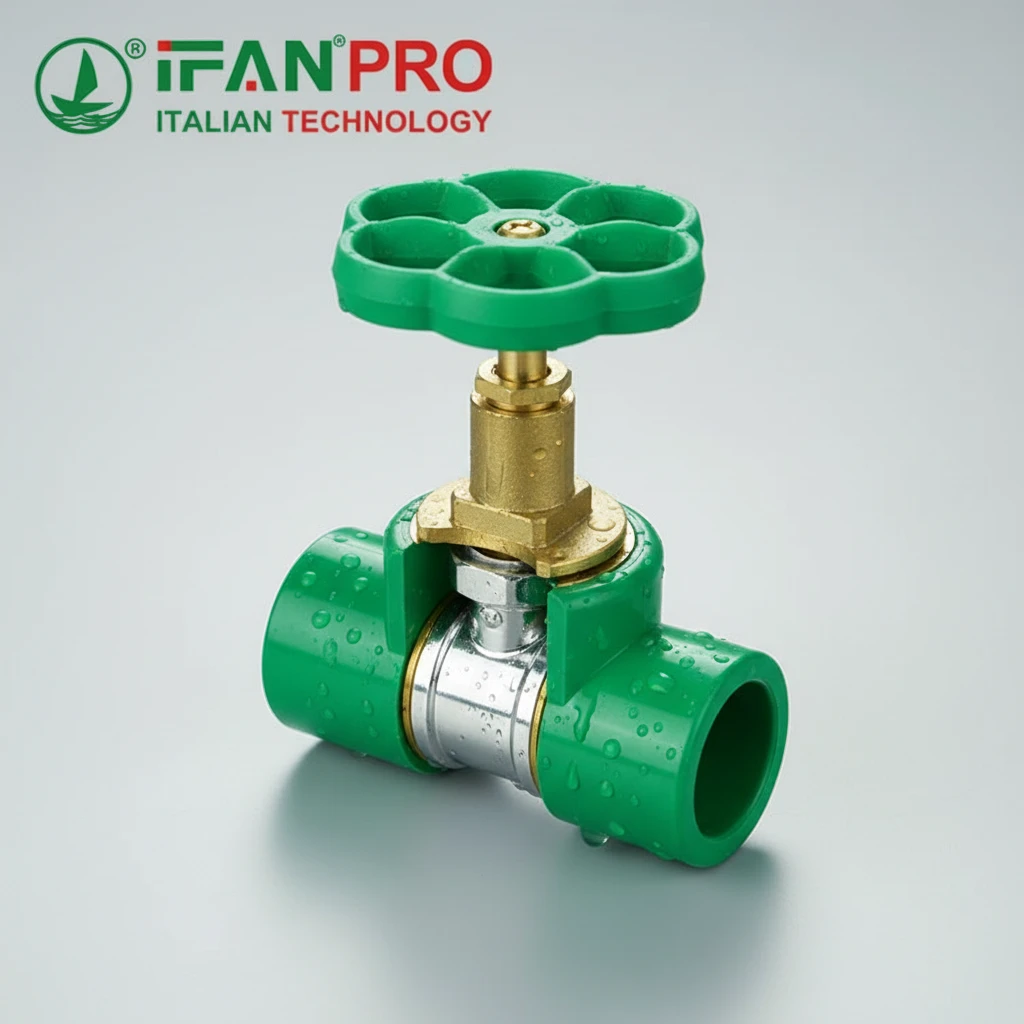
Lead-free brass alloys maintain performance through alternative alloying elements like bismuth, silicon, and selenium that replace lead’s role in machinability. These modern alloys undergo specialized processing to achieve the same pressure ratings, corrosion resistance, and durability as traditional leaded brass. Some actually outperform their leaded counterparts in dezincification resistance.
The Traditional Role of Lead in Brass
To understand why lead-free was challenging, we need to understand why manufacturers added lead in the first place. Lead serves several functions in standard brass:
- Machinability: Lead makes brass easier to cut, drill, and thread on high-speed automated equipment
- Sealing: Lead helps fill microscopic gaps in threaded connections
- Lubrication: During machining, lead acts as a built-in lubricant
Without lead, early lead-free alloys were notoriously difficult to machine. Tool wear increased dramatically, production slowed, and costs rose. Some products suffered from porosity or poor surface finish.
Modern Lead-Free Alloy Technology
Today’s lead-free brass alloys solve these problems through clever metallurgy. The most common alternatives include:
1. Bismuth-Based Alloys (C89325, C89833): Bismuth behaves similarly to lead during machining. It forms small, discrete particles that act as chip breakers. Combined with selenium, which improves lubricity, these alloys machine almost as well as leaded brass.
2. Silicon Brass (C87400, C87800): Silicon creates a different microstructure that improves strength and machinability. These alloys often have better fluidity during casting, reducing porosity issues.
3. ECO BRASS (low-lead, dezincification-resistant): Some proprietary alloys combine multiple elements to achieve both machinability and corrosion resistance superior to traditional brass.
Performance Comparison: Leaded vs. Lead-Free
The table below compares key performance characteristics:
| Property | Traditional Leaded Brass | Modern Lead-Free Brass | Impact |
|---|---|---|---|
| Machinability Rating | 100 (baseline) | 80-95 | Slightly reduced but acceptable |
| Pressure Rating | 150-300 PSI | 150-300 PSI | Equivalent |
| Corrosion Resistance | Good, but susceptible to dezincification | Better, especially silicon alloys | Improved in many cases |
| Durability (50+ years) | Proven track record | Accelerated testing confirms longevity | Equivalent |
| Temperature Range | -20°C to 120°C | -20°C to 120°C | Equivalent |
Quality Control in Lead-Free Manufacturing
The switch to lead-free requires changes beyond alloy composition. Manufacturers must:
- Control casting parameters precisely to prevent defects
- Use different tooling speeds and feeds during machining
- Implement stricter quality checks for porosity
- Verify lead content through spectrometer testing
At IFAN, we ensure every valve undergoes material verification. We don’t assume compliance—we test for it. This matters because counterfeit “lead-free” products still appear in some markets. A spectrometer doesn’t lie.
The bottom line? Modern lead-free alloys deliver everything leaded brass offered, with the added benefit of safety and, in many cases, better corrosion resistance.
What Green Building Certifications Reward the Use of Eco-Friendly Piping Components?
Certifications drive specifications. When architects design for LEED, they specify products that contribute points. I’ve seen this dynamic transform entire product categories.
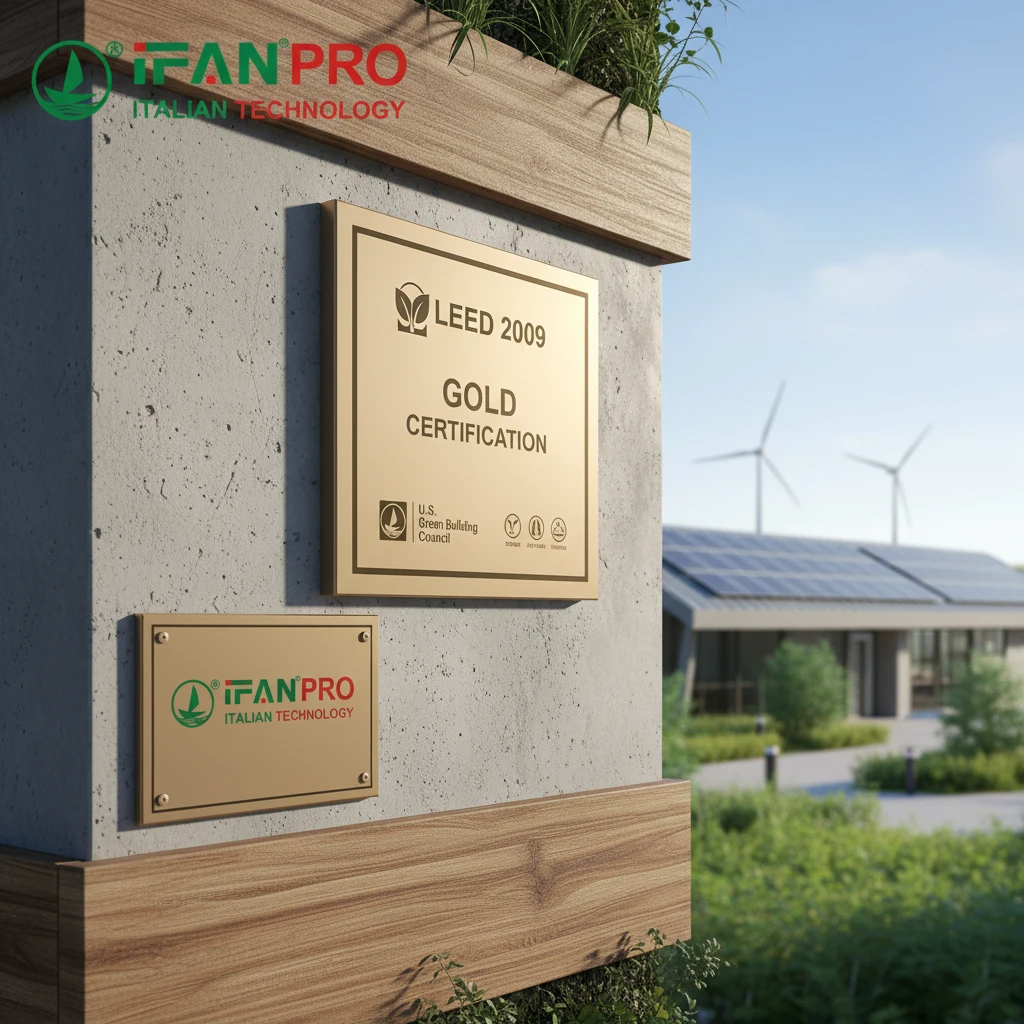
Major green building certifications that reward eco-friendly piping include: 1) LEED (Leadership in Energy and Environmental Design) which awards points for low-emission materials and improved indoor water quality. 2) BREEAM (Building Research Establishment Environmental Assessment Method) which credits responsible material sourcing and reduced environmental impact. 3) WELL Building Standard, which specifically addresses material safety for occupant health. 4) Green Mark (Singapore) and other regional certifications.
LEED: The North American Standard
LEED v4 and v4.1 have specific credits that favor lead-free, eco-friendly piping:
Materials and Resources Credit: Building Product Disclosure and Optimization
- Environmental Product Declarations (EPDs) reward manufacturers who transparently report environmental impact
- Sourcing of Raw Materials credits favor responsibly sourced metals
- Material Ingredients credits reward avoidance of harmful substances, including lead
Indoor Environmental Quality Credit: Low-Emitting Materials
- While focused on interior finishes, the principles extend to any product affecting indoor air or water quality
- Water contact materials must not introduce contaminants
Water Efficiency Credits
- Systems that maintain water quality while reducing water use need safe, non-leaching materials
BREEAM: The European Leader
BREEAM takes a slightly different approach but reaches the same conclusion:
Health and Wellbeing Category (Wat 01)
- Requires assessment of water quality risk
- Specifies that materials in contact with drinking water must meet national standards
Materials Category (Mat 01, Mat 03)
- Life cycle impacts of materials, including piping systems
- Responsible sourcing of construction products
- Use of materials with robust environmental certification
WELL Building Standard: Health First
WELL focuses intensely on human health, making it particularly relevant for plumbing materials:
Water Concept (W01, W02)
- Fundamental water quality requires contaminant limits, including lead
- Requires testing to verify lead levels below 10 ppb at the tap
- Specifies that all pipes, fittings, and fixtures must comply with lead-free requirements
Materials Concept
- Restricts lead in all building components
- Requires documentation of material ingredients
How to Leverage Certifications for Your Project
If you’re pursuing a green building certification, here’s practical advice:
Step 1: Document Everything
- Request material safety data sheets and certification documents from your supplier
- Keep records of all product specifications
Step 2: Verify Compliance
- Don’t accept “lead-free” claims without documentation
- Request third-party test reports or certification marks (NSF, WRAS, KIWA)
Step 3: Choose Recognized Brands
- Certifying bodies trust established manufacturers with proven track records
- IFAN products carry relevant certifications for major green building schemes
The table below summarizes key certification credits:
| Certification System | Relevant Credit | How Piping Contributes |
|---|---|---|
| LEED v4 | MR Credit: Building Product Disclosure | EPDs, responsible sourcing, material ingredients |
| LEED v4 | EQ Credit: Low-Emitting Materials | Reduced contaminants in water systems |
| BREEAM | Hea 01: Visual Comfort (water quality) | Safe materials for drinking water |
| BREEAM | Mat 03: Responsible Sourcing | Certified supply chains |
| WELL v2 | W01: Fundamental Water Quality | Lead-free materials ensure compliance |
| WELL v2 | X08: Hazard Material Abatement | Elimination of lead from building systems |
How Does Choosing Lead-Free Valves Future-Proof Projects Against Regulatory Changes?
Regulations only tighten over time. I’ve never seen a country loosen its drinking water standards. Smart specifiers plan ahead.
Choosing lead-free valves future-proofs projects by ensuring compliance with anticipated regulatory changes in export markets, avoiding costly retrofits when laws tighten, meeting evolving green building requirements, and aligning with corporate sustainability goals. It eliminates the risk of non-compliance penalties and protects brand reputation in environmentally conscious markets.
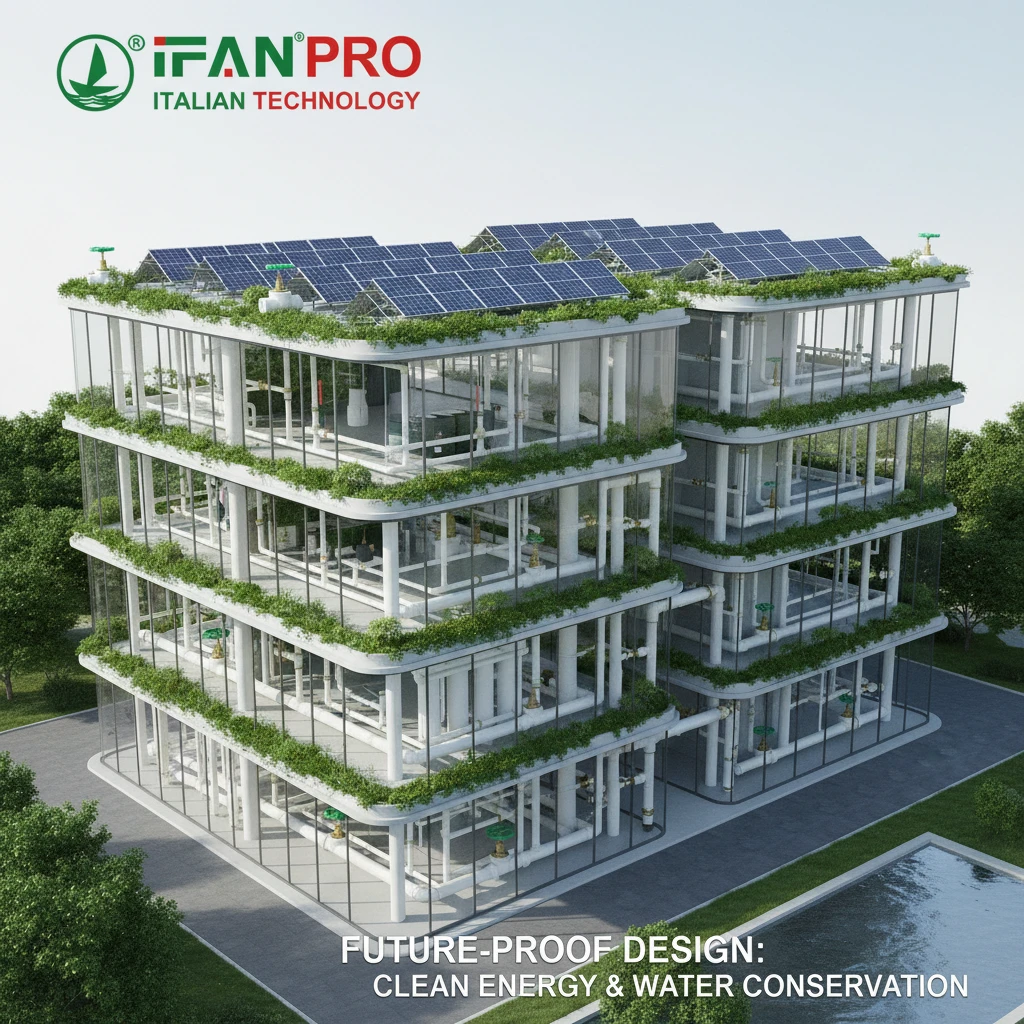
The Historical Pattern of Regulation
Look at any regulated industry—automotive emissions, energy efficiency, chemical safety. Standards always move in one direction: stricter. Plumbing is no different.
The timeline of lead regulation shows this pattern:
- 1986: US bans lead pipes and solder
- 2011: US tightens definition of “lead-free”
- 2020: EU updates Drinking Water Directive
- 2023: China strengthens enforcement in major cities
- 2026: Full EU implementation deadline
What comes next? Likely:
- Stricter enforcement in developing markets
- Lower acceptable lead migration limits
- Expanded scope to cover more products
- Integration with digital material passports
The Cost of Non-Compliance
Waiting for regulations to force your hand is expensive. Consider the costs:
Scenario A: Building Completed in 2025 to Current Standards
- Compliance achieved at time of construction
- Minimal additional cost for lead-free materials
- Building remains compliant for decades
Scenario B: Building Completed in 2025 to 2010 Standards
- Slightly lower initial material cost (if any)
- Fails inspection when regulations change
- Requires expensive retrofit: tearing into walls, replacing valves, disrupting occupants
- Potential legal liability and reputational damage
Export Market Considerations
If your project serves international clients or might eventually be sold to foreign investors, lead-free matters even more. Different markets have different standards, but they all converge on one point: lead is out.
A building in Dubai, Singapore, or London that supplies European or North American tenants must meet their home country expectations. Even if local codes allow leaded materials, international tenants may require stricter compliance.
Corporate Sustainability Goals
Beyond regulations, many companies set their own sustainability targets. Fortune 500 companies increasingly require:
- Supply chain transparency
- Elimination of hazardous substances
- Green building certifications for facilities
- ESG (Environmental, Social, Governance) reporting
Choosing lead-free valves supports all these goals. It’s documented proof that your project meets high environmental and health standards.
Practical Steps for Future-Proofing
1. Specify Beyond Current Requirements
- If current law allows 0.25% lead, specify materials meeting 0.1% or complete elimination
- Choose suppliers who proactively meet the strictest global standards
2. Document Your Choices
- Keep certification files accessible
- Create a materials passport for the building
- Make compliance transferable to future owners
3. Work with Experienced Suppliers
- IFAN has navigated regulatory changes across multiple markets
- We provide documentation for current and anticipated standards
- Our products meet the strictest requirements globally
The Risk of Complacency
The plumbing industry has seen this pattern before. Asbestos was once standard. Lead paint was once common. CFCs were once in every refrigerator. Now they’re banned. Lead in plumbing is following the same trajectory. The only question is timing.
Conclusion
Lead-free eco-friendly PPR valves are now essential for regulatory compliance, green building certification, and long-term project viability. IFAN offers a complete range of certified lead-free valves that meet the world’s strictest standards, ensuring your projects remain compliant and competitive for decades to come.











 English
  Français
  Русский
  Español
Recent Comments